Western Xia, a northwestern dynasty established by the Tangut people, survived for nearly two centuries amid the pressures of the Song, Liao, and Jin dynasties, creating a distinctive material civilization. Among the numerous cultural legacies of Western Xia, porcelain is the most representative category of artifacts. Due to the scarcity of metal mineral deposits within its territory and the Song dynasty's copper prohibition policy, porcelain was not only a daily necessity but also an important substitute for metal products. Although Western Xia porcelain was not as refined as the famous kilns of the Central Plains, it displayed a distinct ethnic character in its bold and unconstrained style, serving as a unique key to interpreting Western Xia history and culture.
"Western Xia Porcelain"
I. The Discovery of Western Xia Porcelain and Kiln Sites
The discovery of Western Xia porcelain went through a long and tortuous process. In the early 20th century, Russian explorer Pyotr Kozlov discovered a large number of Western Xia relics, including ceramics, at Khara-Khoto in Inner Mongolia. Over the following decades, porcelain with distinctive styles was unearthed in Ningxia, Gansu, and Inner Mongolia, but it was long attributed to the Song, Liao, Jin, or Yuan dynasties. It was not until 1984–1986, when the Institute of Archaeology of the Chinese Academy of Social Sciences conducted a large-scale scientific excavation at the Ciyaobao kiln site in Lingwu, Ningxia, and unearthed a large number of Western Xia porcelain specimens, that the concept of "Western Xia porcelain" was finally established.
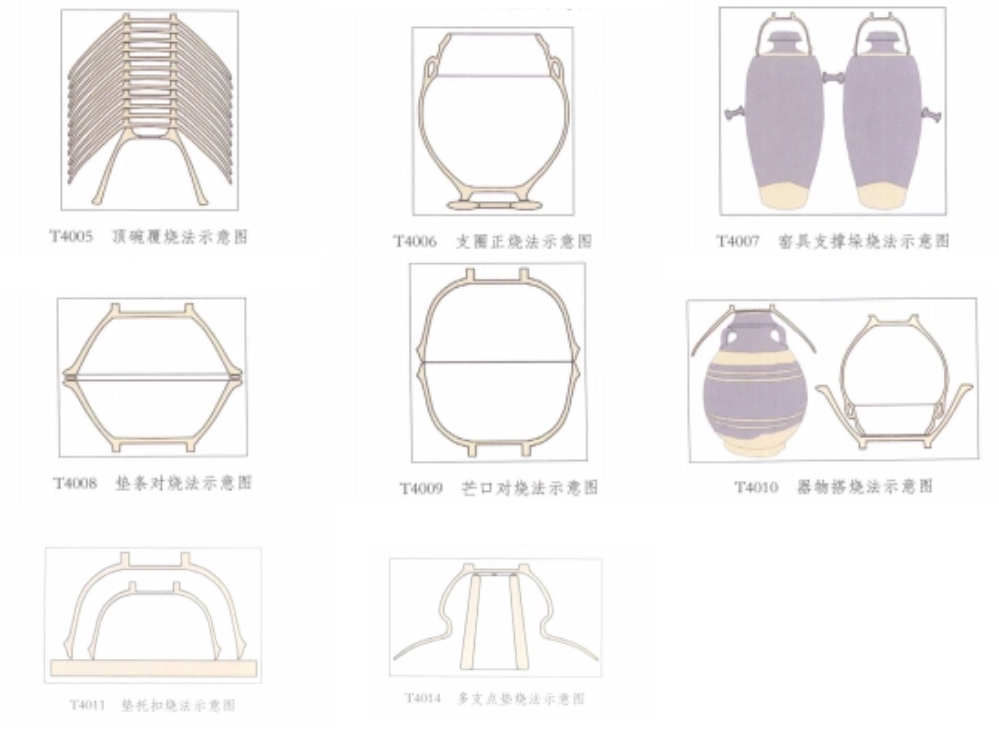
Firing and Loading Techniques of "Western Xia Porcelain"
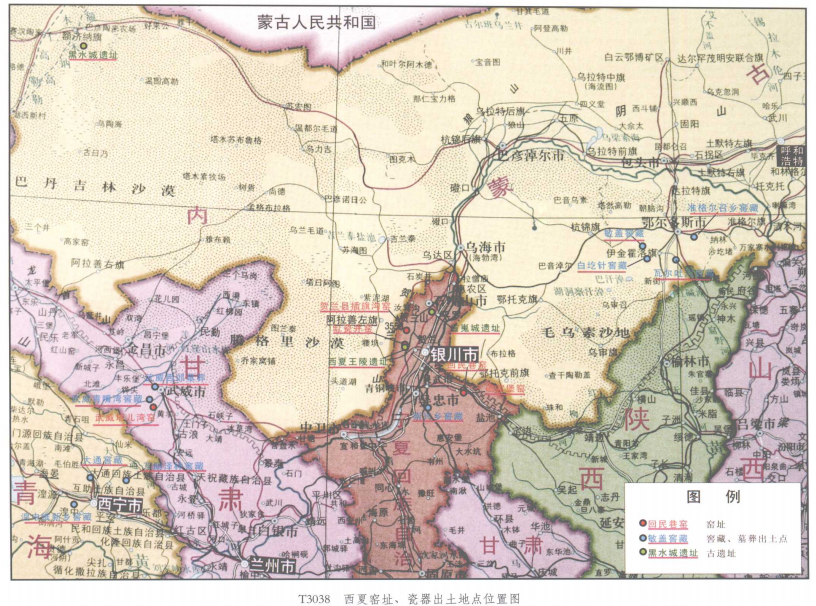
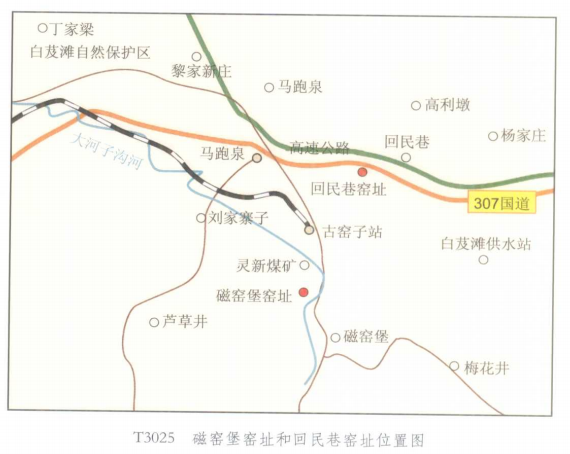
At present, five major Western Xia porcelain kilns have been discovered: the Ciyaobao kiln in Lingwu, Ningxia; the Huiminxiang kiln in Lingwu; the Chaqigou kiln in the Helan Mountains; the Gangcijing kiln in Yinchuan; and the Ta'erwan kiln in Wuwei, Gansu. Among them, the Ciyaobao kiln is considered the central kiln of Western Xia, located only about a hundred li from the Western Xia capital Xingqing Prefecture (present-day Yinchuan). Its products feature exquisite craftsmanship and beautiful shapes, making them representative of Western Xia porcelain. The Huiminxiang kiln is similar to the Ciyaobao kiln, but its products have thinner bodies and glazes, with a larger proportion of celadon glaze, showing a clear influence from the Yaozhou kiln system. The Chaqigou kiln is located deep in the Helan Mountains, where excavated white porcelain shards have accumulated to a thickness of dozens of centimeters, and their quality is higher than that of other kilns, suggesting it was the royal kiln of Western Xia. The Ta'erwan kiln in Wuwei is the most important Western Xia porcelain kiln in the Gansu region, with a firing period dating to approximately the late Western Xia period.
"Western XiaPorcelain"
"Western Xia Porcelain"
II. Types and Formal Characteristics of Artifacts
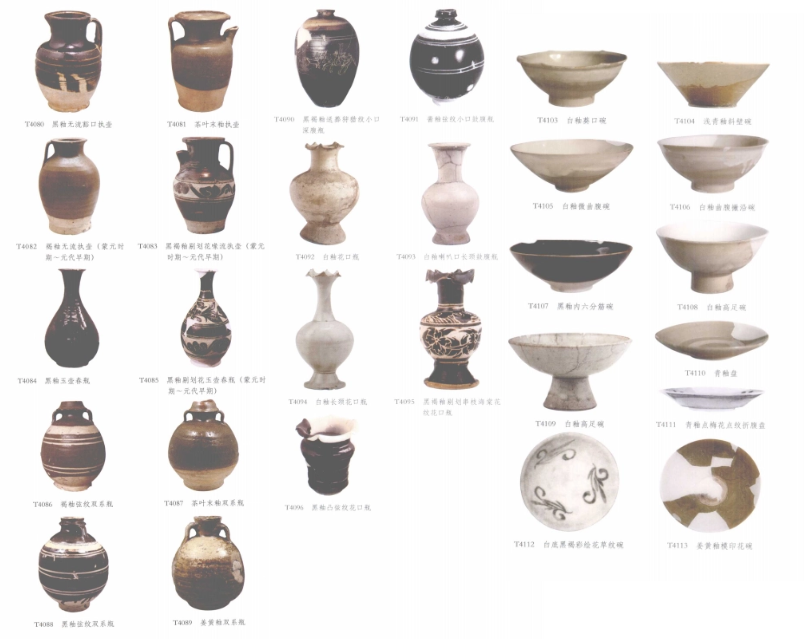
Western Xia porcelain is rich in variety and can be divided into four major categories by function: daily-use utensils, religious implements, cultural and entertainment items, and building materials. Among these, daily-use utensils are the most numerous, including bowls, plates, basins, jars, vases, pots, alms bowls, and cups. Among these artifacts, the most ethnically distinctive are the flat flask, the stem bowl, and the sutra vase.
"Western Xia Porcelain"
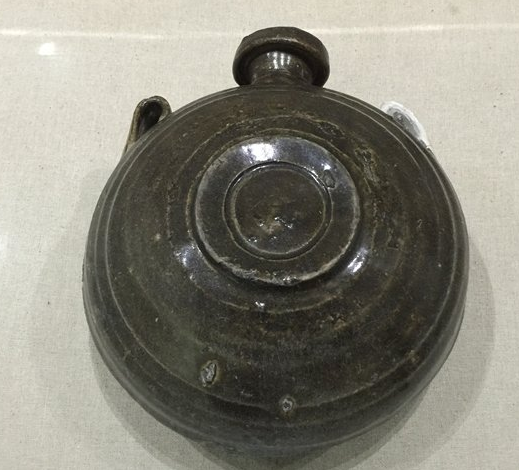
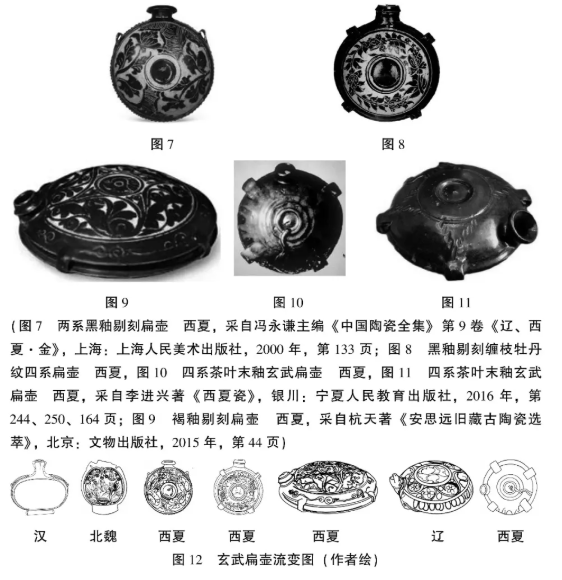
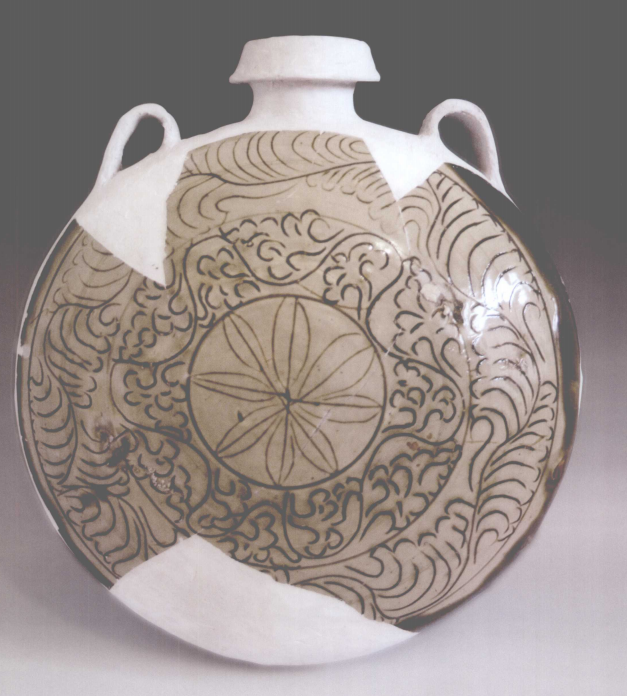
Flat FlaskIt is the most representative type of Xixia porcelain. Its form features a small mouth, a narrow neck, and a flattened, rounded belly, with a foot ring on each of the two flat sides and symmetrical double or quadruple ears on the belly. This design is highly ingenious: the foot rings on the belly allow the flat flask to rest steadily on grasslands or sandy ground, while the ears make it easy to thread ropes through for hanging on horseback or carrying on one's back, making it perfectly suited for nomadic herders to carry liquids such as water, milk, and wine while out grazing. Xixia flat flasks are relatively large in size and are mostly decorated with carved or incised patterns, with peony motifs being the most common, featuring striking black-and-white contrast and a majestic, powerful style. Compared with flat flasks from other dynasties, the most distinctive feature of Xixia flat flasks is the presence of foot rings on the belly, sometimes on both sides, a design that reflects the practical wisdom of the Tangut people in their daily life.
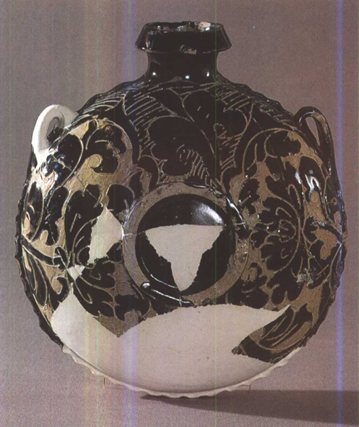
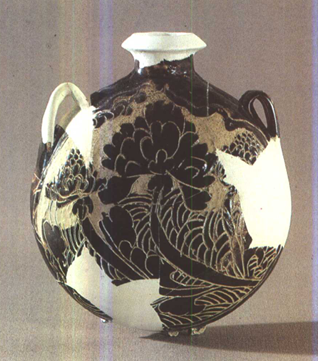
"Excavation Report of the Lingwu Kiln in Ningxia"
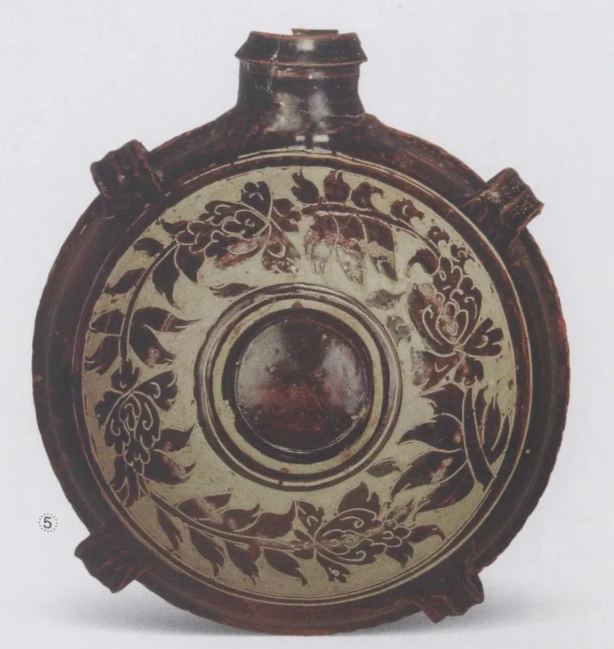
Haiyuan Cultural Relics Management Office, Ningxia
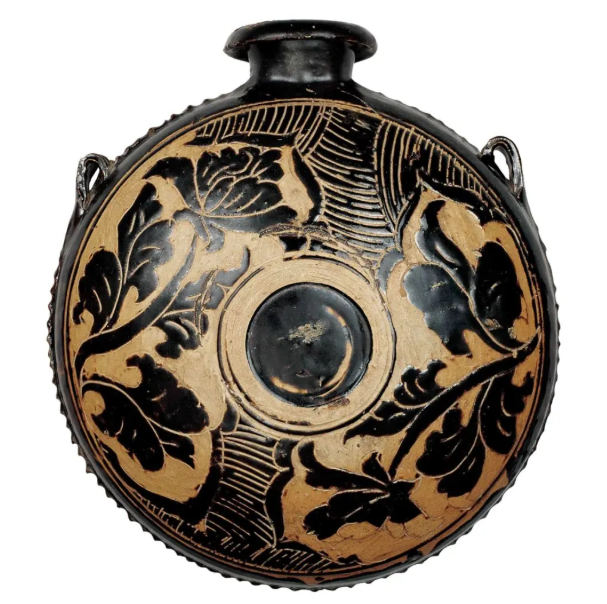
National Museum of China
Anhui Museum
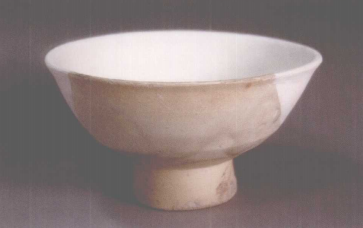
Stem BowlIt is a common dining vessel of the Xixia period. Its foot ring is relatively tall, and because of the height, the bowl would not be submerged by grass on the grasslands, making it very popular among nomadic peoples. The stem bowl is similar in form to the curved-belly bowl, with a slightly curved wall and mostly a folded rim; the outer wall of the foot ring is either vertical or flared outward. The widespread appearance of stem bowls indirectly reflects that Xixia society still retained a semi-agricultural, semi-pastoral mode of production.
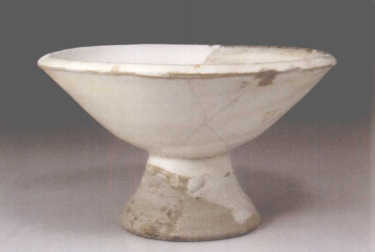
Lingwu Kiln
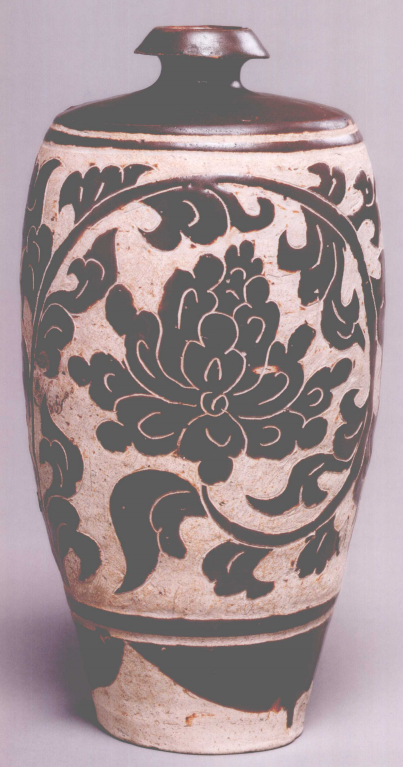
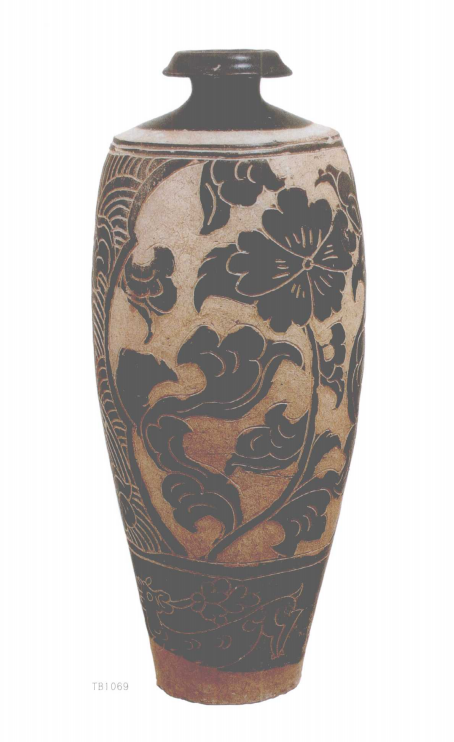
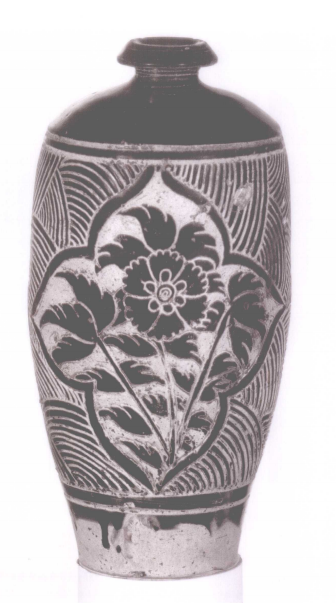
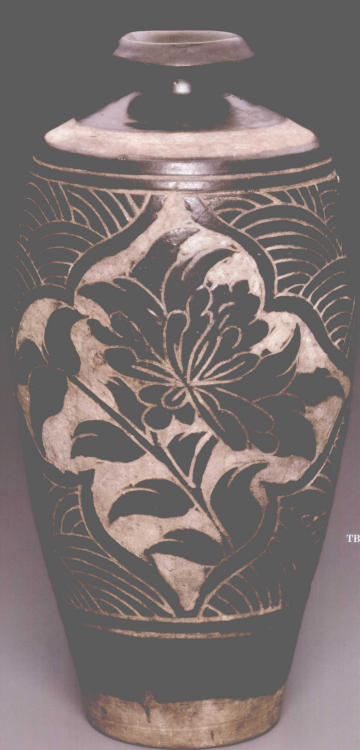
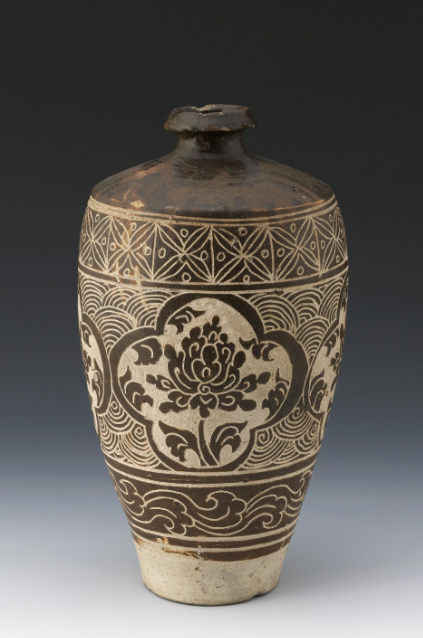
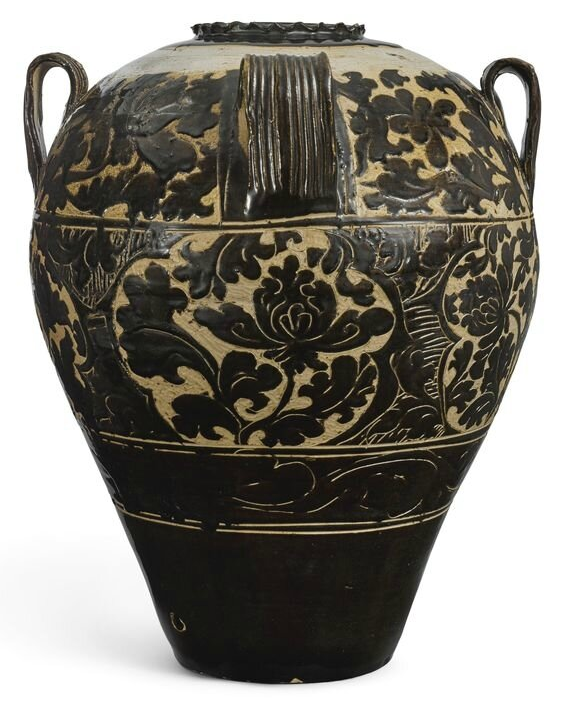
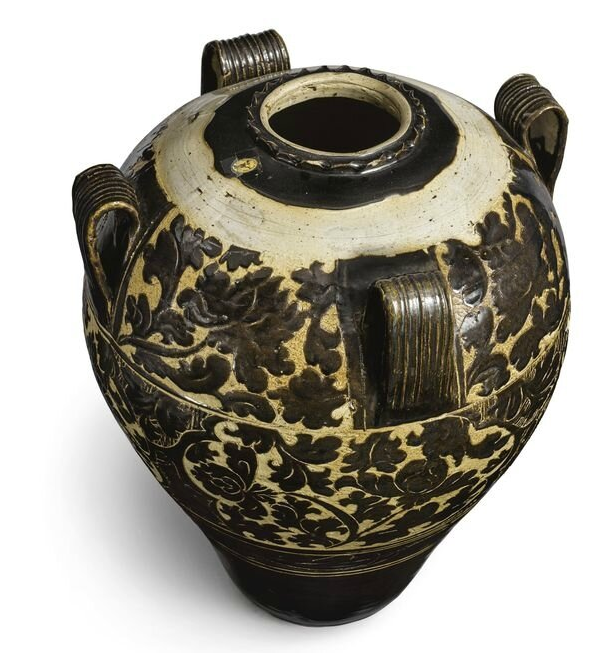
Jing Vase (Mei Vase) It is the most numerous type among Xixia porcelain wares. The form of Xixia jing vases differs from that of the Central Plains: their distinctive features include an outward-flaring, mushroom-shaped mouth, a folded shoulder, and a gently curving body. In addition, the wide-mouthed mei vase is also quite distinctive, with a flared wide mouth and angular, sharp-edged folds, giving the overall form a conical silhouette that contrasts sharply with the rounded elegance of the small-mouthed mei vase. Jing vases are often decorated with reserved panels (kaiguang) featuring floral motifs inside, while the area outside the panels is filled with wavy arc lines interspersed with scroll-leaf patterns, producing a strong decorative effect.
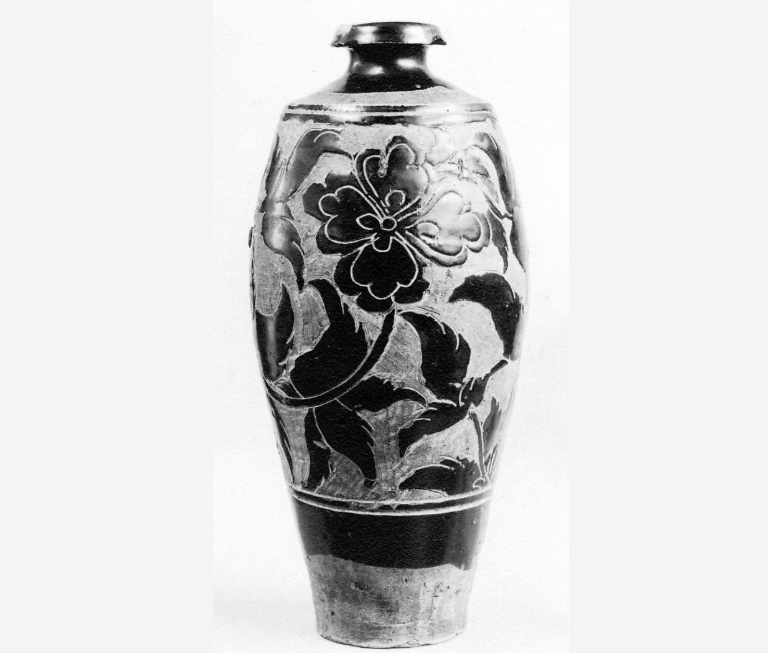
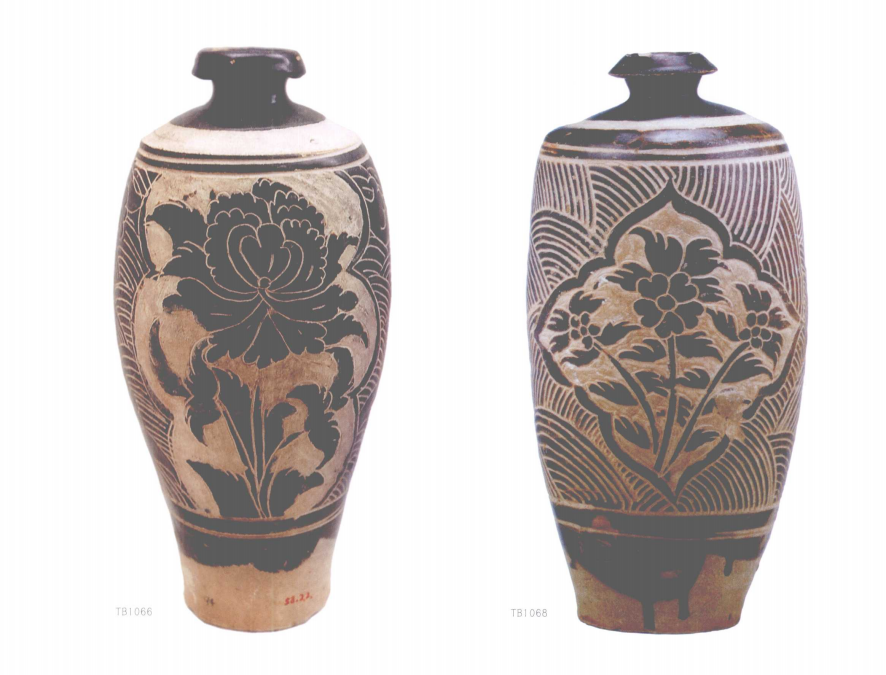
Inner Mongolia Museum
Shanghai Museum
Ordos Museum
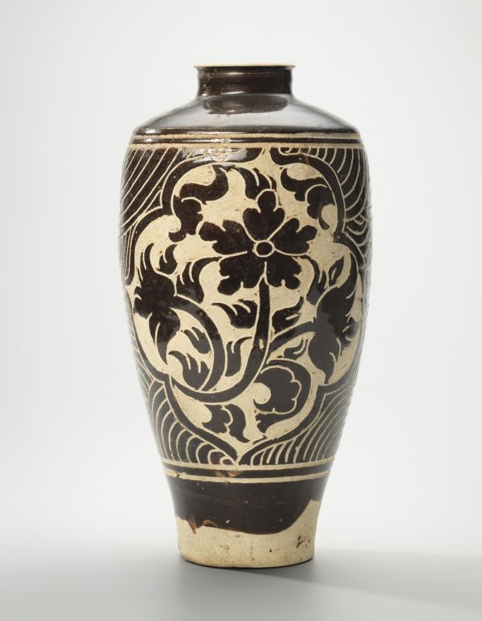
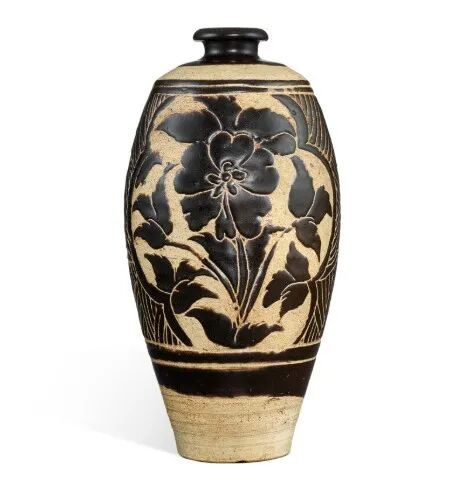
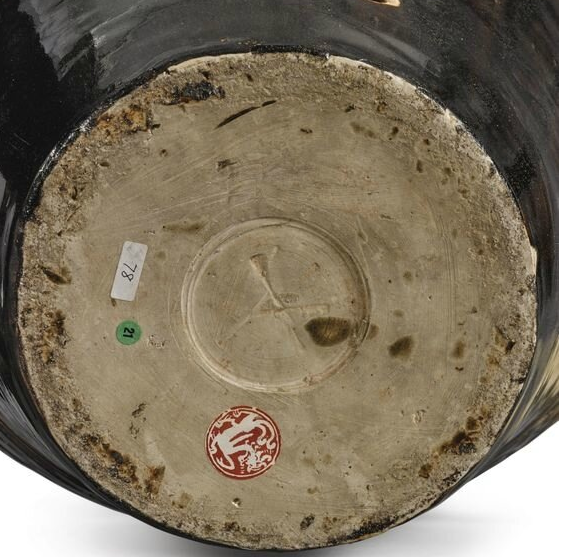
Sold at Sotheby's Hong Kong, 2026: 179,200 HKD
III. Decorative Techniques and Motif Characteristics
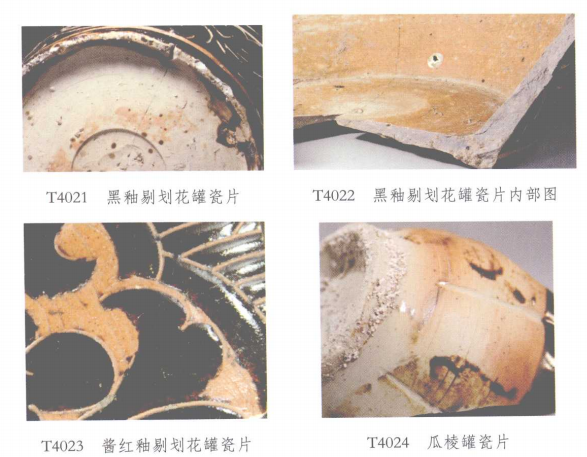
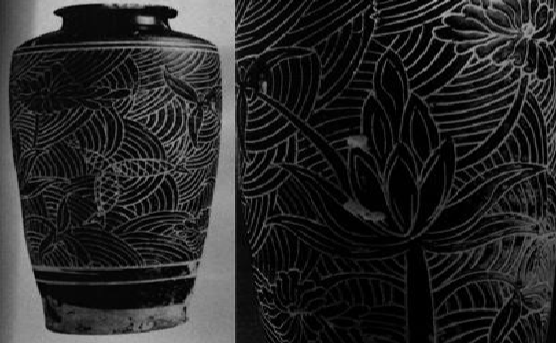
The most representative decorative technique of Western Xia porcelain is sgraffito carving, which includes incised carving, stamped patterns, dot glazing, and openwork.Sgraffito CarvingThis is a combined term for two techniques: glaze carving and incised carving. Glaze carving involves removing the glaze layer outside the pattern on a glazed body to reveal the body color, while incised carving involves directly carving patterns on the glaze surface. This technique originated from the Cizhou Kiln of the Song Dynasty but was most widely applied in Western Xia porcelain. The sgraffito technique creates a striking contrast between the glaze color and the body color, giving the motifs a bas-relief artistic effect with strong visual appeal.
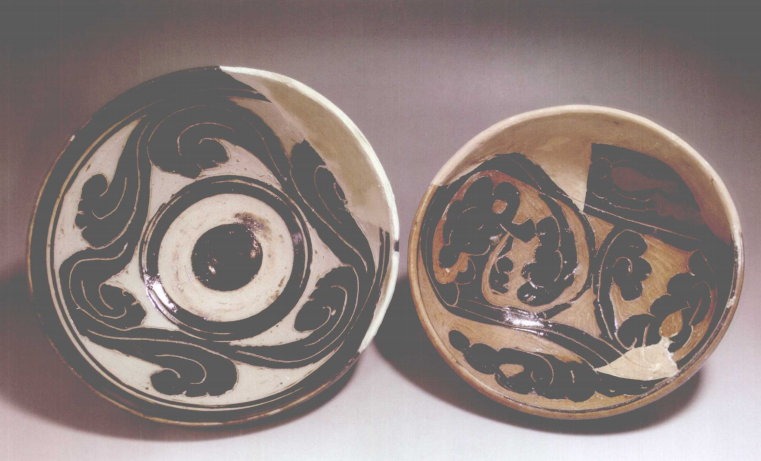
Lingwu Kiln, Third Phase
The decorative motifs of Western Xia porcelain are primarily plant-based, among whichPeony PatternsThey occupy an absolutely dominant position. Peony patterns come in various forms, including folded-branch peonies, entwined-branch peonies, and stringed-branch peonies. The peony flowers bloom in full splendor, with spreading leaves and thick, sturdy stems, showcasing a vigorous and unrestrained ethnic character. These peony patterns are mostly decorated on vessels such as sutra bottles, flat flasks, and jars, and are also used on bowls and plates. The extensive use of peony patterns was clearly influenced by the Song Dynasty's fondness for peonies, as peonies were regarded as a symbol of wealth, honor, and a beautiful life.
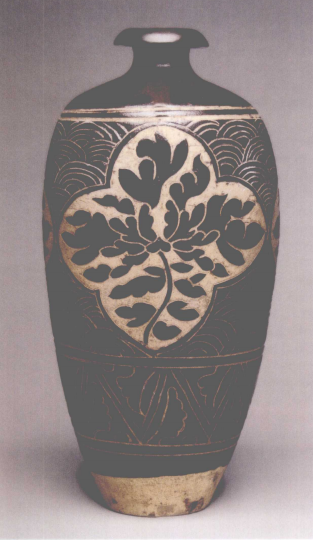
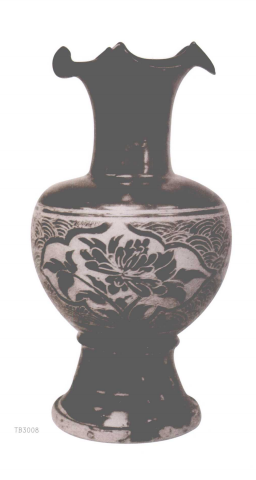
Xixia Porcelain
Lotus PatternsThey are another important decorative motif in Xixia porcelain. The Xixia people revered Buddhism, which held an extremely high status in Xixia society. As a typical Buddhist motif, the lotus naturally appeared widely on various vessels. Lotus patterns come in two types: folded-branch and entwined-branch, and are mostly decorated on vessels such as sutra bottles and porcelain bowls.
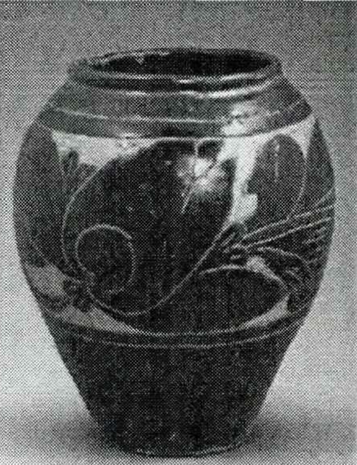
Collected from Xihua Township, Huating County, Pingliang, Gansu
Animal motifs are relatively rare in Xixia porcelain, mainly includingdeer patternsandfish patterns. Deer patterns are mostly in the "deer holding a flower in its mouth" style, where the deer turns its head back and spits out a flowering branch, symbolizing good fortune and prosperity. Fish patterns are mostly decorated on the inner walls of basins, combined with water-wave patterns. The fish scales are stamped with tubular tools, giving a simple and rugged style.
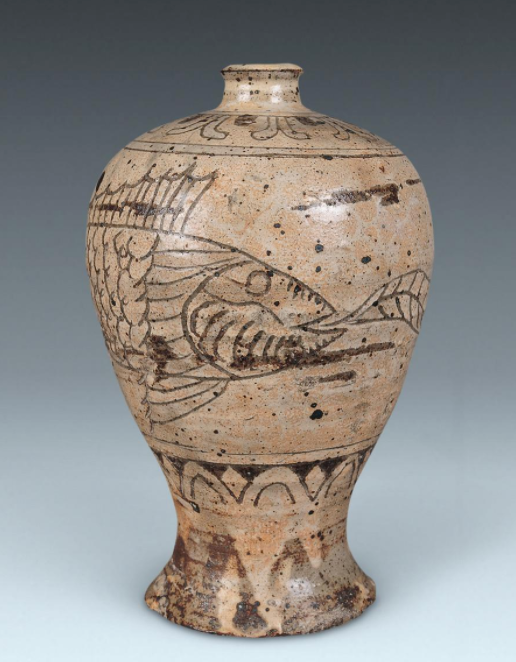
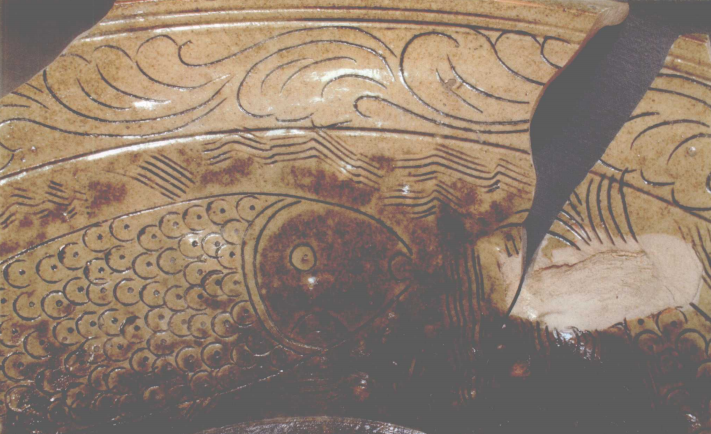
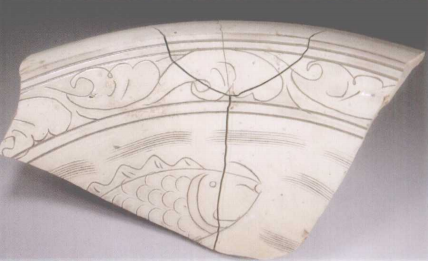
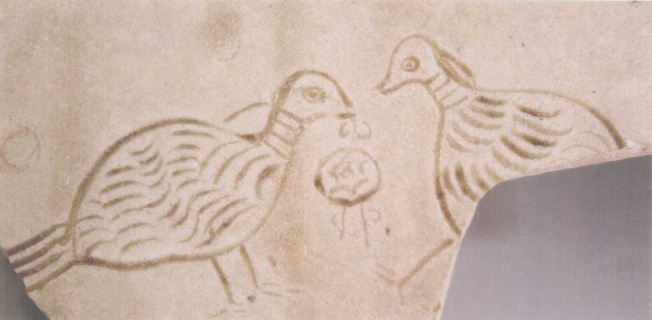
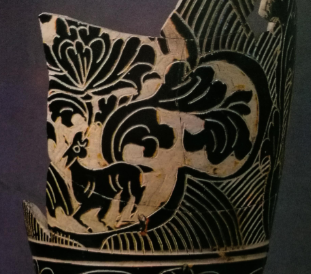
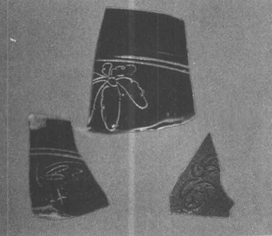
Animal Patterns《Excavation Report of the Lingwu Kiln in Ningxia》
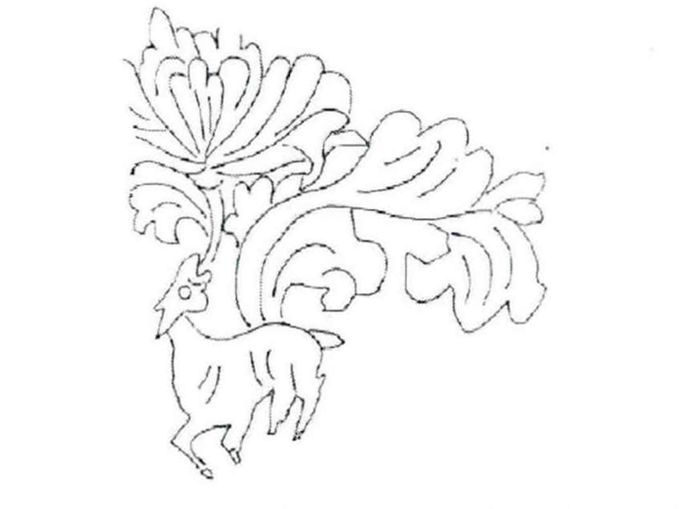
Excavated from the Ciyaobu Kiln Site in Lingwu, Ningxia
IV. Glaze Color Characteristics and the Custom of White Veneration
The glaze colors of Western Xia ceramics are primarily white, black, and brown, along with celadon, ginger yellow, tea-dust, and sauce glazes. In terms of excavated quantities, white-glazed wares are the most numerous, which is closely related to the Tangut people's long-standingcustom of white veneration. The Tangut people revered the color white, a tradition rooted in their primitive beliefs. The Tangut Qiang people originally lived on the Qinghai-Tibet Plateau, where snow-capped sacred mountains, white yaks and horses, and white felt tents all became objects of deep spiritual worship within their hearts. Yuanhao, the founding emperor of Western Xia, who "wore a white narrow robe," further elevated this custom to its peak. Consequently, white-glazed ceramics held the highest status in Western Xia. However, due to the limitations of local clay quality, pure white porcelain could not be produced. Thus, the slip-coating technique was widely adopted: a layer of white slip was first applied to the body, followed by a transparent glaze, resulting in a white or ivory-yellow finish after firing—white with a hint of yellow, imparting a warm and soft sensation.
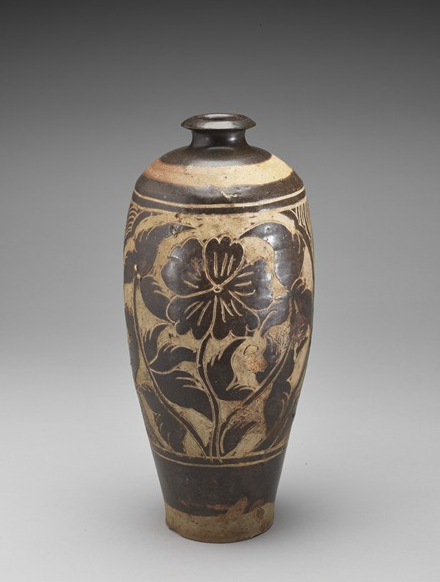
The Palace Museum
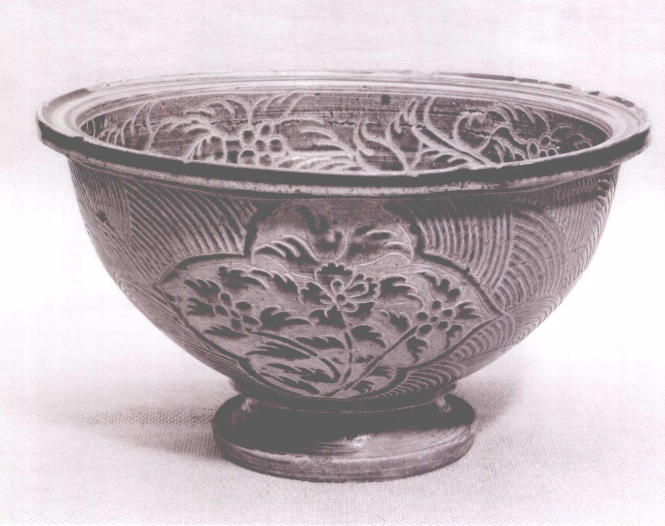
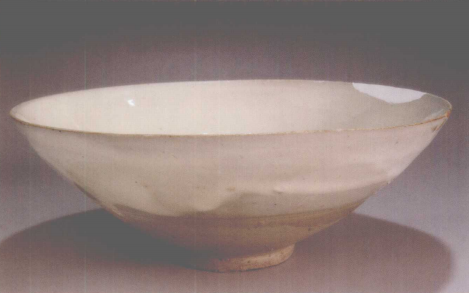
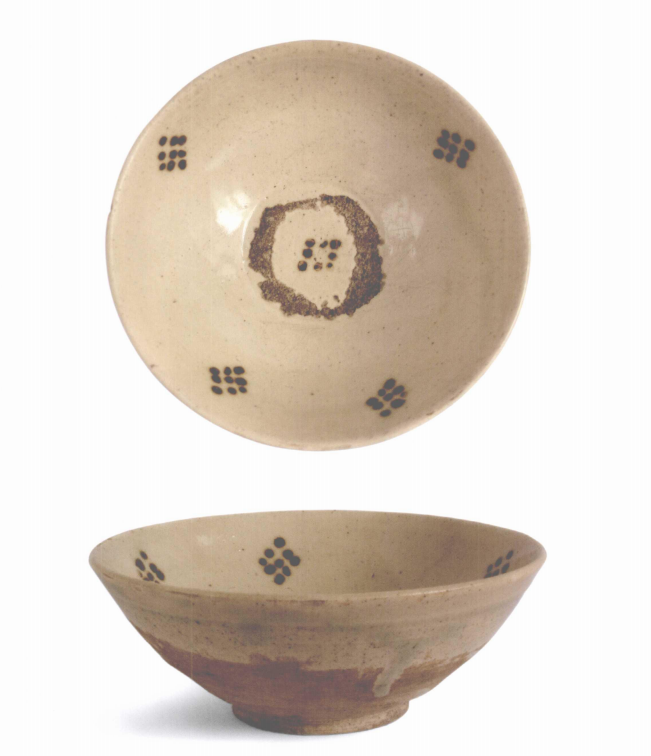
Black-glazed ceramics also occupied an important position in Western Xia. These wares featured a glossy, jet-black glaze with a lustrous surface, often used for sgraffiato-decorated pieces. The stark contrast between the black glaze and the earthy yellow body made the carved patterns more striking and prominent. Brown glaze and tea-dust glaze also had their unique characteristics, enriching the color system of Western Xia ceramics.
Western Xia ceramics rose and matured rapidly under the influence of Central Plains ceramic technology. In the early Northern Song period, techniques from the Cizhou, Ding, and Yaozhou kiln systems were introduced to Western Xia. Local kiln workers, building on this absorption and reference, combined it with their own ethnic customs and aesthetic needs to create distinctive Western Xia ceramics. The emergence of Western Xia ceramics was "sudden" rather than gradual, indicating on one hand that the kiln workers may have been technical migrants from the Central Plains, and on the other hand reflecting the urgent need of the Western Xia royal court to establish its own handicraft industry.
Western Xia stood for nearly two hundred years, creating a splendid material civilization. With their bold and unrestrained style, distinctive forms, and practical designs, Western Xia ceramics left a significant mark in the history of Chinese ceramics. They are not only an artistic expression of the Tangut people's character but also a vivid testament to the pluralistic and integrated cultural pattern of the Chinese nation. Through these artifacts that have endured for a thousand years, we can still feel the heroism and wisdom of that horse-riding people and hear the resilience and stubbornness of that northwestern dynasty.
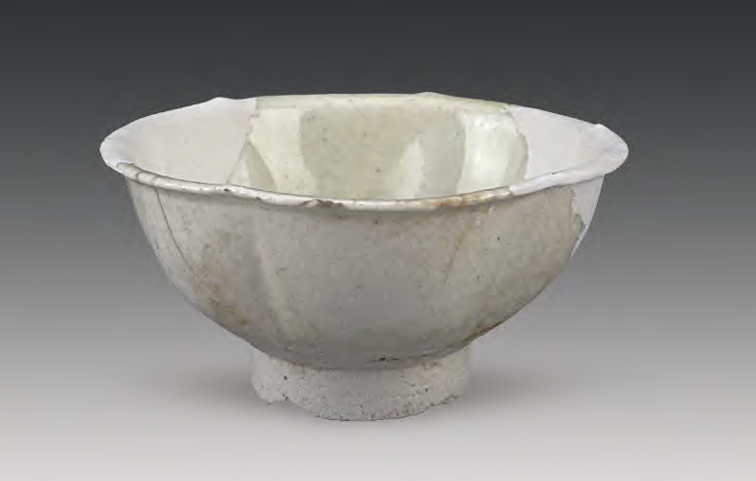
Suyukou Ceramic Kiln Site in the Helan Mountains, Ningxia
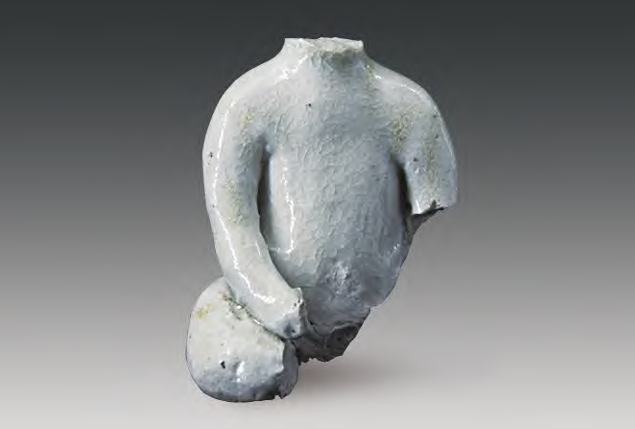
Suyukou Porcelain Kiln Site in Helan Mountain, Ningxia
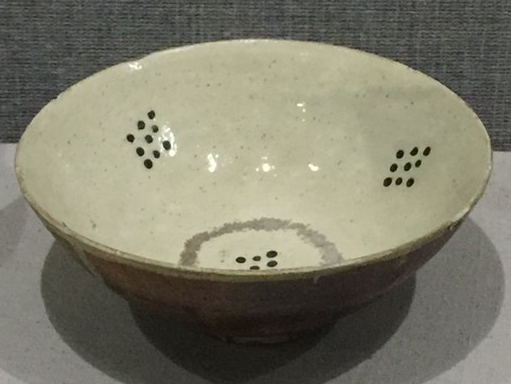
Collected from Qingzuiwan, Wuwei