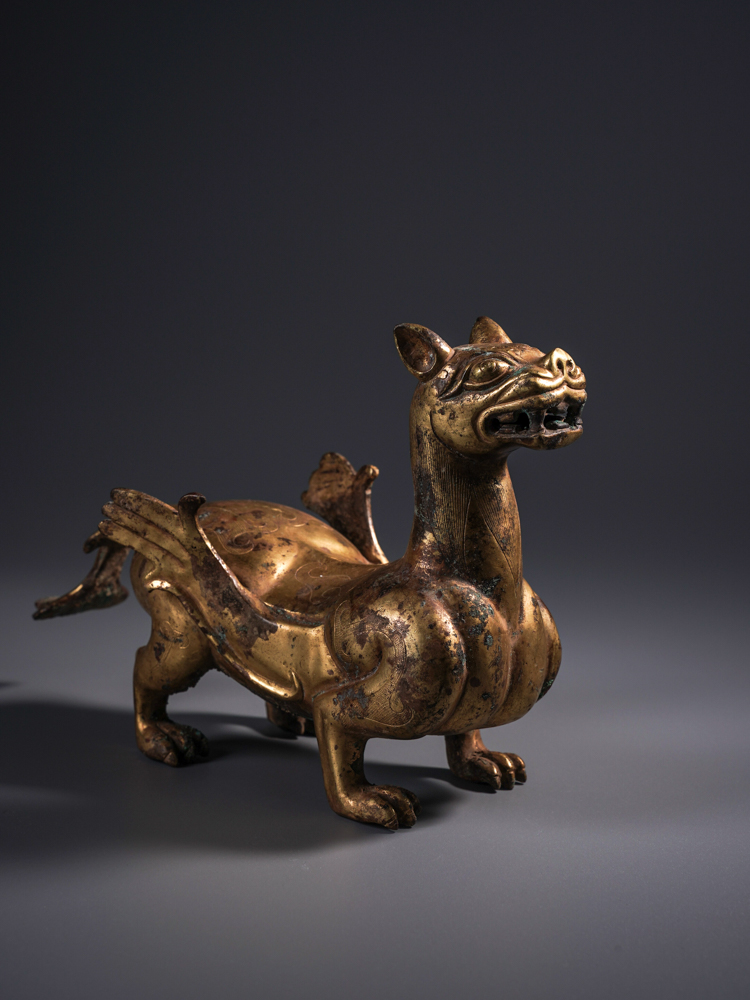
01 Turbulent times spurred a revolution in the porcelain industry: the north-to-south migration of the people ushered in the era of southern imitation white porcelain
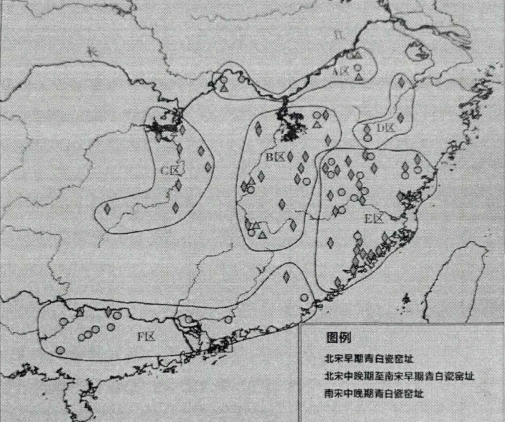
For a long time, it has been widely believed that Jingdezhen is the birthplace of blue-and-white porcelain, but archaeological evidence in recent years has disproved this notion:The Fanchang Kiln in Anhui is currently recognised as the earliest known kiln site where blue-and-white porcelain was produced on a large scale.The Fanchang Kilns are situated within Fanchang County, Anhui Province. The cluster of kiln sites is clearly defined, with the Kechong, Yaochong and Banbianjie kilns in the southern suburbs of the county town, and the Luochong Kiln in the western suburbs, serving as the core representatives. Among these, the Kechong Kiln in the southern suburbs of the county town is the largest and has the most concentrated distribution of kiln sites, making it the main kiln site of the Fanchang Kilns; The Luochong Kiln in the western suburbs is relatively small in scale and had a shorter operational period, but the refinement of its products and the standard of its craftsmanship far exceed those of the Kechong Kiln, making it a typical representative of the early phase of production at the Fanchang Kiln.
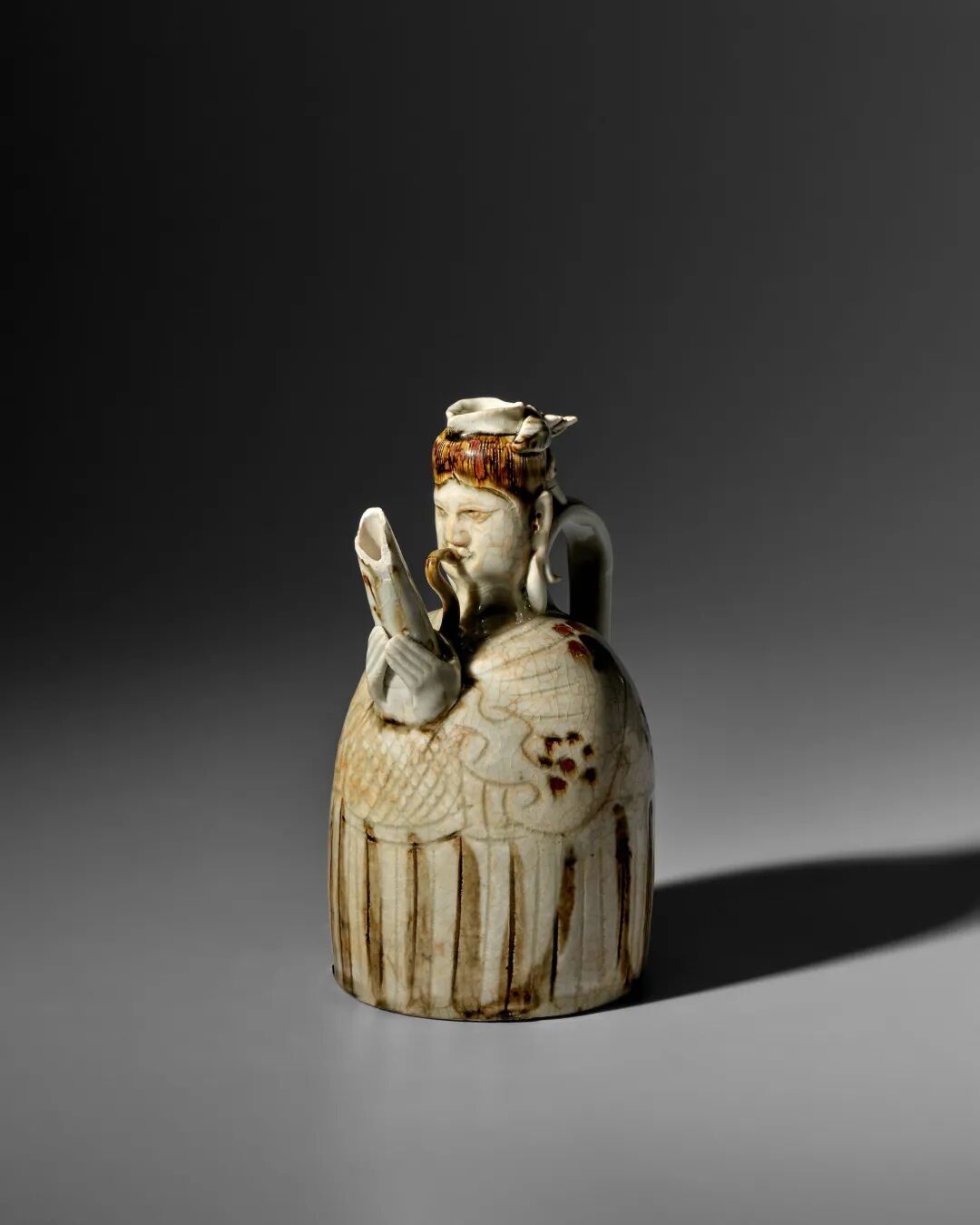
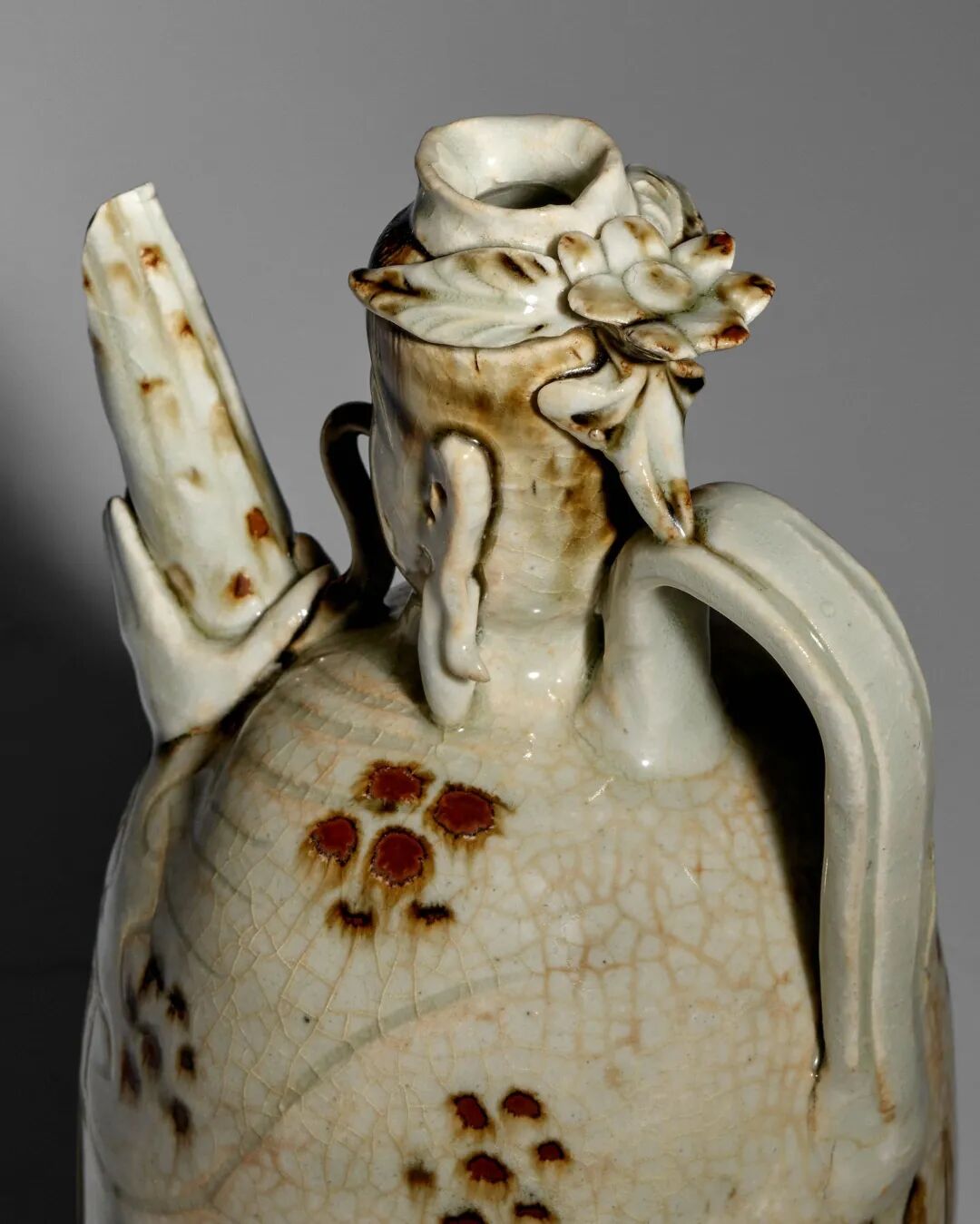
Northern Song Dynasty, Blue-and-White Glazed Ewer in the Shape of a Musician Playing the Sheng
(Possibly from the Fanchang Kiln)
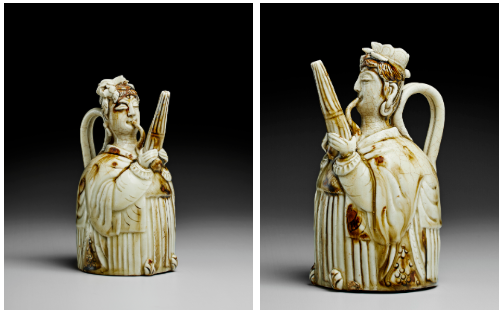
Northern Song Dynasty: Blue-and-White Glazed Figurine of an Immortal Playing the Sheng and Holding a Pitcher
(Possibly from the Fanchang Kiln)
Returning to the historical context, during the late Tang Dynasty and the Five Dynasties period, the Central Plains were plagued by frequent warfare, prompting large numbers of northern gentry and commoners to migrate southwards. Xuanzhou in the peaceful and prosperous Jiangnan region (now the Fanchang area of Anhui) became a key settlement for these migrants. The migrants brought with them the northern custom of using white porcelain and a taste for simple elegance; however, at that time, with the country divided into northern and southern regimes and trade routes severed, northern white porcelain could not be transported southwards. The immense market demand directly spurred the need to produce local imitations of white porcelain in the south, and it was against this historical backdrop that the Fanchang Kiln came into being, laying the foundations for the emergence of blue-and-white porcelain.
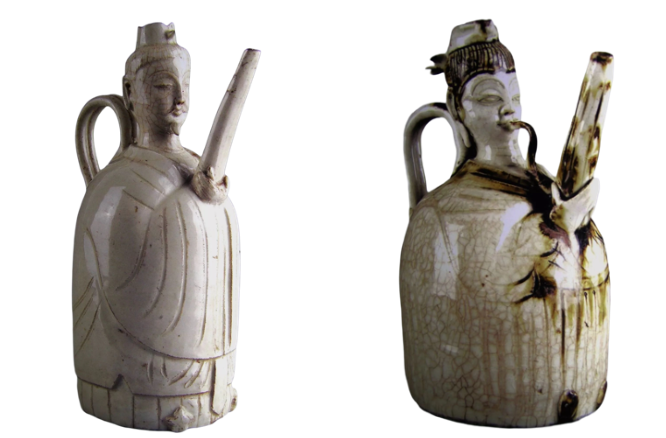
Unearthed in Huaining County, Anhui Province, in 1971
Unearthed in 1994 from a tomb dating to the third year of the Tiansheng era (1025) of the Northern Song Dynasty, located on the eastern outskirts of Susong County, Anhui Province; held in the collection of the Susong County Cultural Relics Management Office
(Possibly from the Fanchang Kiln)
02 Tracing the Origins of the Technique: The Ding Kiln Craft Spread Southwards and Took Root Locally
The establishment of the Fanchang Kiln was no accident; it was fundamentally underpinned by the southward migration of northern porcelain-making techniques and their adaptation to local conditions. The kiln workers who travelled south with the northern migrants brought the then-leading porcelain-making techniques of the Ding Kiln in their entirety to the Jiangnan region. From the design of kiln equipment and firing techniques to the forms of the wares and decorative methods, they comprehensively inherited the Ding Kiln’s technical system, making the Fanchang Kiln the most direct physical evidence of the southward transmission of northern porcelain artistry and the fusion of northern and southern porcelain-making techniques during the Five Dynasties period.
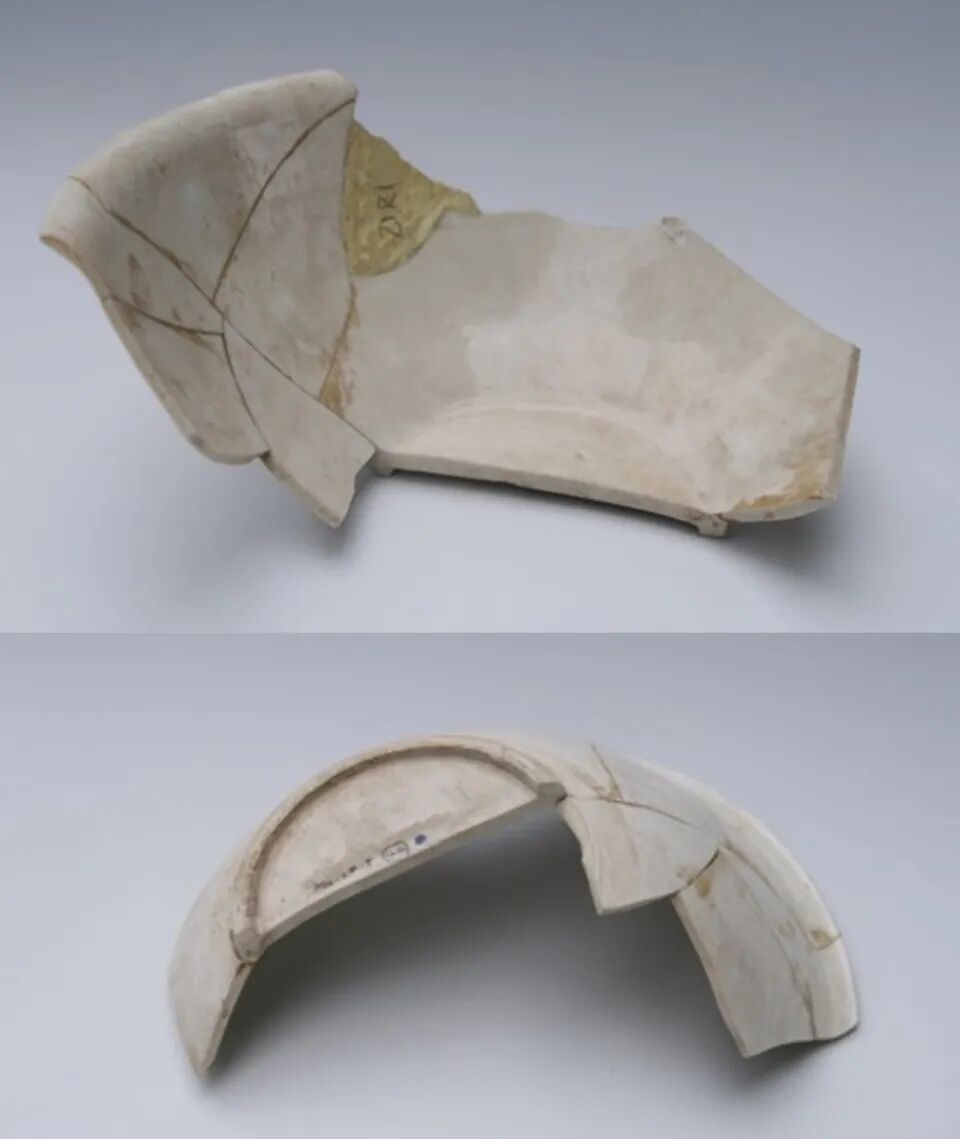
Fanchang Kiln Ceramic Shards
Fort Jesus Museum, Kenya
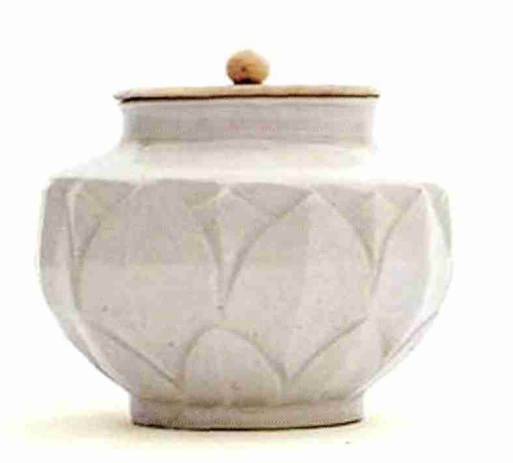
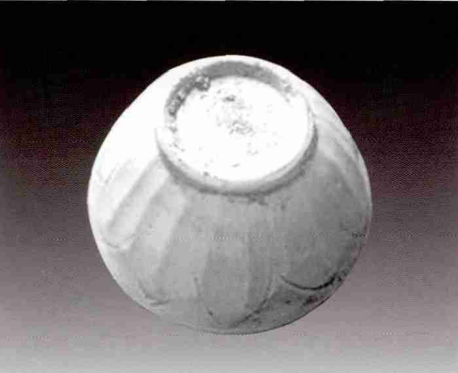
Ding Kiln
Fanchang Kiln
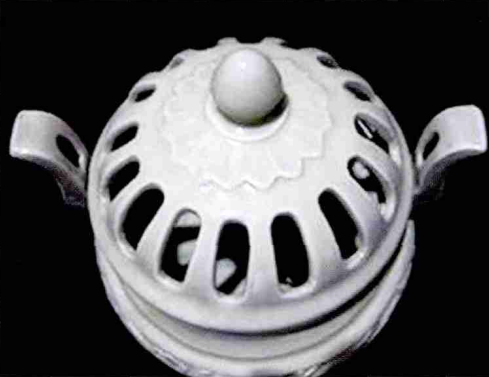
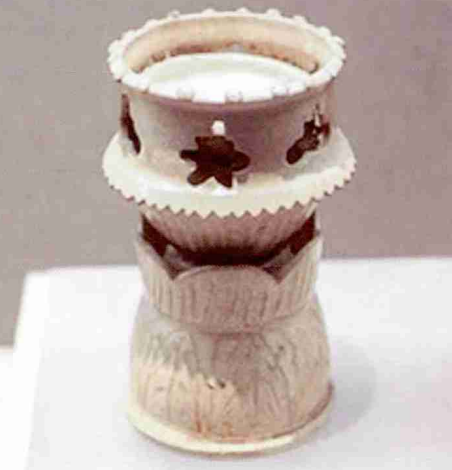
Ding Kiln
Fanchang Kiln
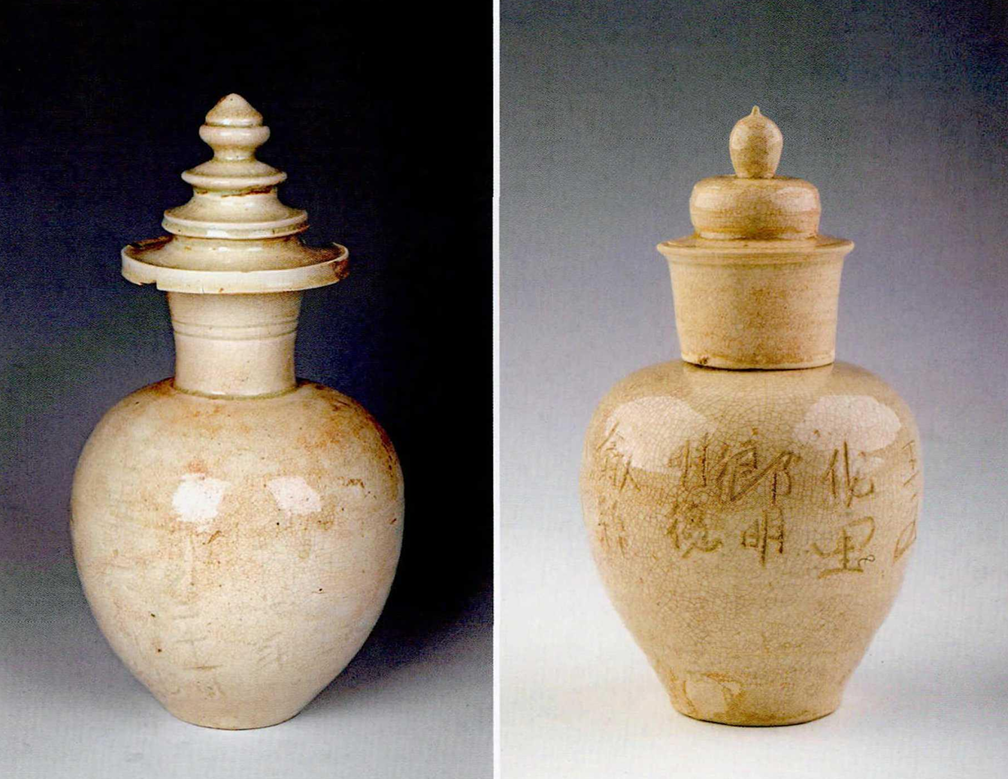
A Pair of Tower-Shaped Inscribed Jars of Blue-White Porcelain from the Fanchang Kiln of the Song Dynasty
From the collection of a member of the Anhui Provincial Association of Ancient Ceramics
03 Common Origins, Distinct Characteristics: A Comparison of the Core Features of the Fanchang Kiln and the Ding Kiln
Fanchang Kiln’s blue-and-white porcelain is essentially a reproduction inspired by Ding Kiln’s white porcelain; the two share a highly similar production process, with their distinct styles arising solely from differences in raw materials and firing conditions between the north and south. The key similarities and differences are primarily reflected in three areas: vessel forms, decoration, and firing techniques.
In terms of vessel forms, the product ranges of the two kilns overlap extensively, covering both everyday roundware and decorative carved ware, exhibiting a high degree of similarity. Among everyday wares such as bowls and cups, both kilns placed great emphasis on rim decoration, with floral rims, sunflower-shaped rims and lotus-petal rims being the predominant forms. The Fanchang Kiln’s signature stacked-lip bowl, characterised by an outward-curving rim and a thick, hollow lip, is directly descended from the Ding Kiln’s lip-rimmed bowls; furthermore, the patterns of evolution in their vessel forms are entirely consistent, with early examples predominantly featuring large, flat bases or concave flat bases, gradually evolving into rounded bases in later periods, and the trajectory of their technical development is clearly traceable.
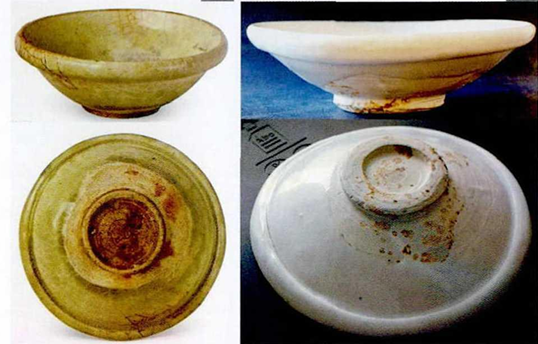
Left: Fanchang Kiln (Five Dynasties)
Right: Ding Kiln (Five Dynasties)
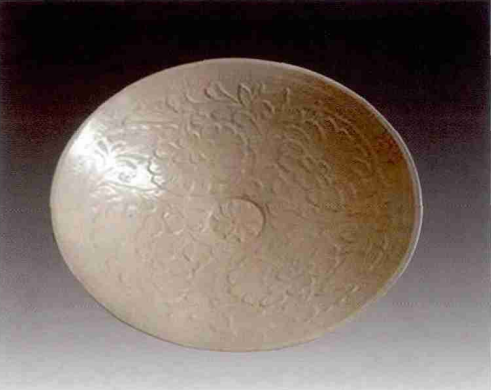
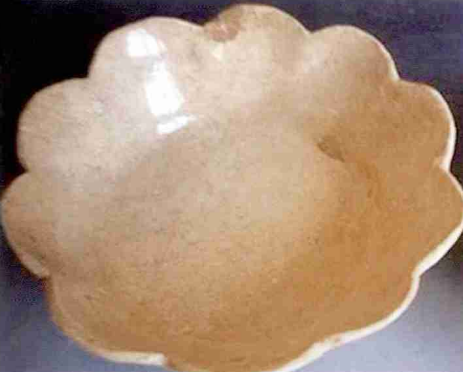
Ding Kiln
Fanchang Kiln
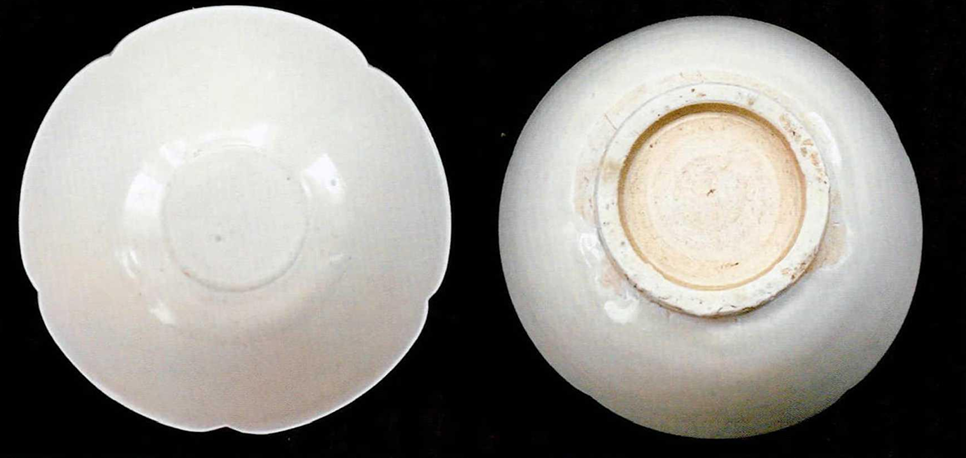
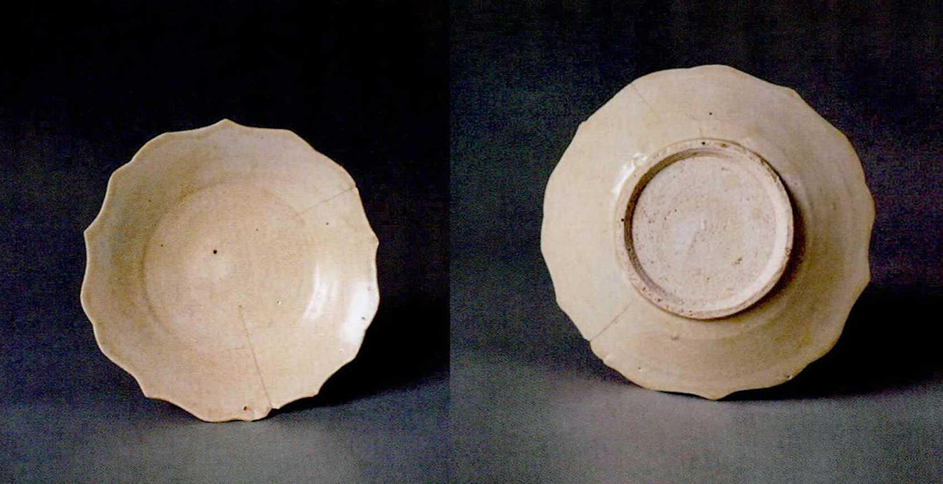
Fanchang Kiln Bowl with a Floral Rim
Among ewer-type vessels, round-bodied and gourd-ribbed ewers were the core categories of both kilns. The ‘ribbed’ technique—characterised by vertical grooves on the body—commonly found on Fanchang Kiln ewers fully adopted the classic stylistic approach of the Ding Kiln, resulting in forms that are full-bodied and graceful; Meanwhile, the matching sets of wine-drinking utensils, comprising a pouring vessel and a warming bowl, are representative masterpieces of both kilns, uniformly featuring the standard structure of a long neck, a slightly flared rim, a long, curved spout and a bent handle. In addition, both kilns produced high-end pieces such as openwork lotus-petal incense burners and carved plum-blossom vases. The incense burners were often adorned with relief floral and lotus-petal motifs, whilst the plum-blossom vases, with their slender forms, featured extensive carvings of exquisite patterns such as scrollwork and dragon motifs; these were the predominant decorative porcelain pieces among the upper classes of the time.
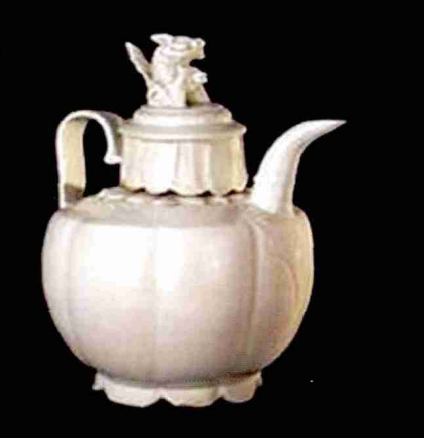
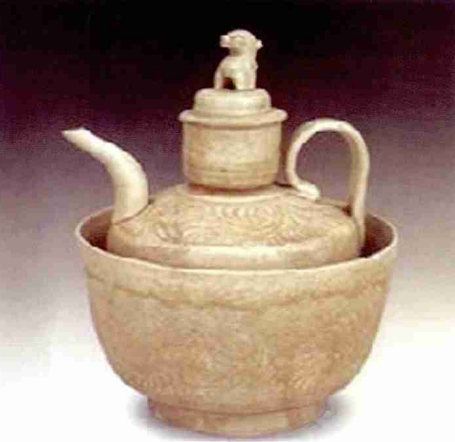
Ding Kiln
Fanchang Kiln
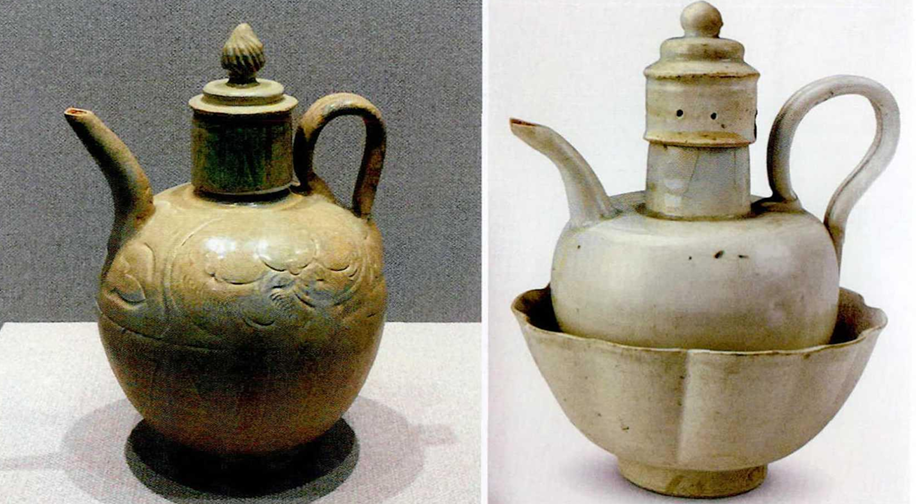
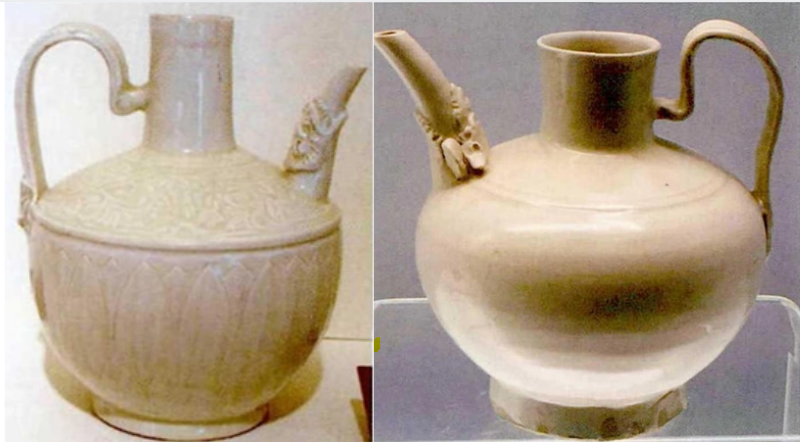
Ding Kiln Ewer
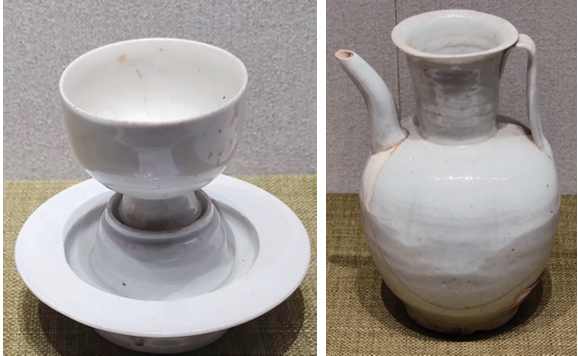
Song Dynasty Qingbai Porcelain Cup with Stand from the Fanchang Kiln—Unearthed during the widening of the Wufan Highway in Fanyang Town
Song Dynasty Qingbai Porcelain Funnel-Mouthed Ewer from the Fanchang Kiln—Unearthed at the Hengshan Dam embankment
In terms of decoration, the techniques of the two kilns are highly consistent, with both commonly employing four core decorative methods: carving, incising, stamping and shallow relief. The most distinctive feature is the double-line outlining technique unique to these two kilns, in which patterns are outlined with two parallel lines; this characteristic is not found in other kilns of the same period and serves as important evidence of their shared origins.
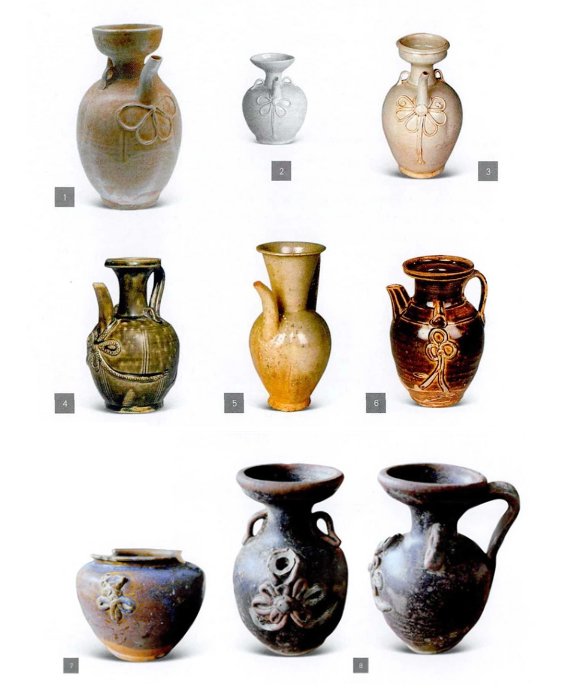
Fanchang Kiln Artifacts
1 Excavated from a tomb dating to the second year of the Yuanyou era of the Northern Song Dynasty in Susong County; held in the collection of the Anhui Provincial Museum
2 Excavated in 1984 from the Taimiao site in Fenglin Township, Huaining County
3 Song Dynasty Fanchang Kiln shadow-green-glazed ewer with bow-knot pattern
4 Song Dynasty Xuanzhou Kiln celadon-glazed ewer with bow-knot pattern
5 Five Dynasties-period Xiajian Kiln celadon-glazed, white-painted “Ji” character-patterned ewer
6 Tang Dynasty Xuanzhou Kiln brown-glazed ewer with double bow-knot pattern
7 Tang Dynasty Xuanzhou Kiln jar
8 Late Tang–Five Dynasties-period Xuanzhou Kiln ewer
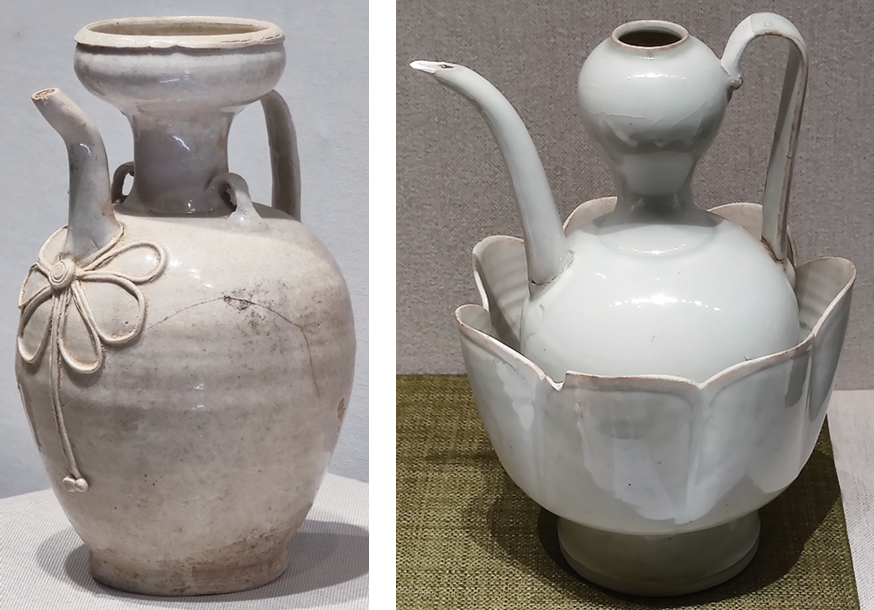
Song Dynasty Fanchang Kiln Shadow-Blue Glazed Flower-Knot Ewer, Tongling City Museum
Song Dynasty Fanchang Kiln Blue-and-White Porcelain Hot Water Pot, Fanchang Kiln Site Museum
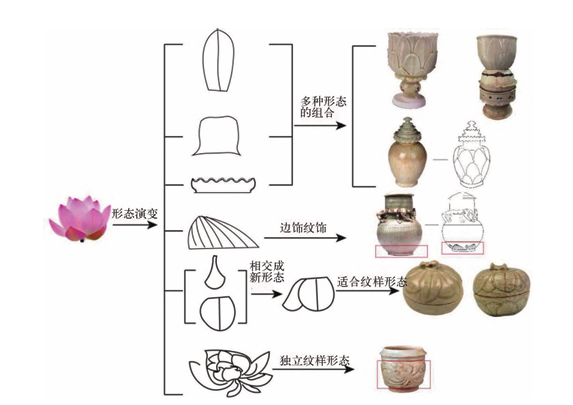
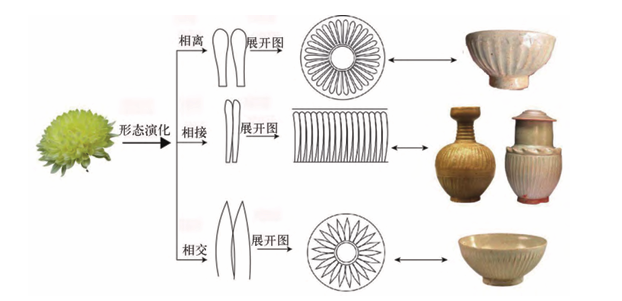
The decorative motifs are also largely similar, featuring floral patterns such as lotus, chrysanthemum, peony and daylily, complemented by auspicious animal motifs such as mandarin ducks, dragons and phoenixes, and lions; amongst these, the stamped circular chrysanthemum pattern is the most common and classic design found on the inner bases of bowls from both kilns. The stylistic differences between the two are equally distinct. The Ding Kiln’s porcelain-making techniques were mature and exquisite, with engraved lines that were fluid, delicate and clearly defined; the Fanchang Kiln, however, was still in a phase of learning and emulation, with deeper engraved lines and a rough, rustic texture, reflecting the characteristics of a craft in its early stages of exploration.
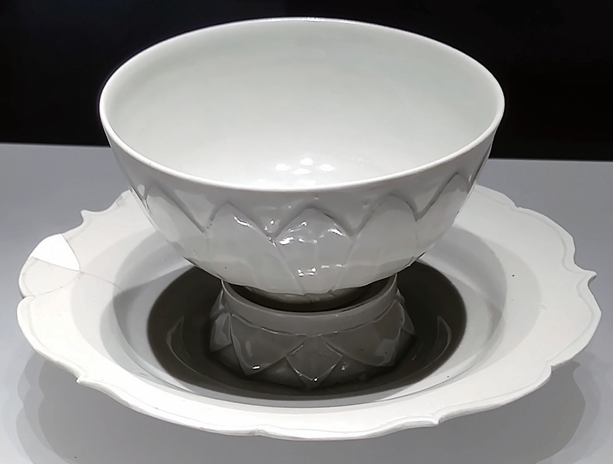
Song Dynasty Fanchang Kiln Blue-White Glazed Cup with Engraved Lotus Petal Design, Unearthed from a Song Dynasty Tomb at Laobachong, Fanyang
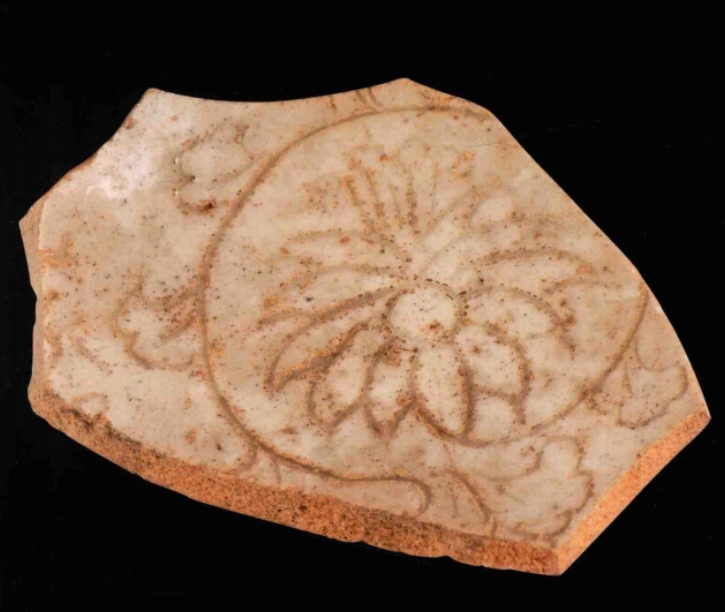
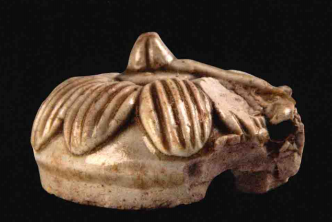
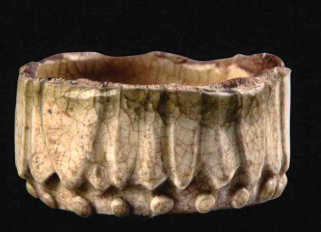
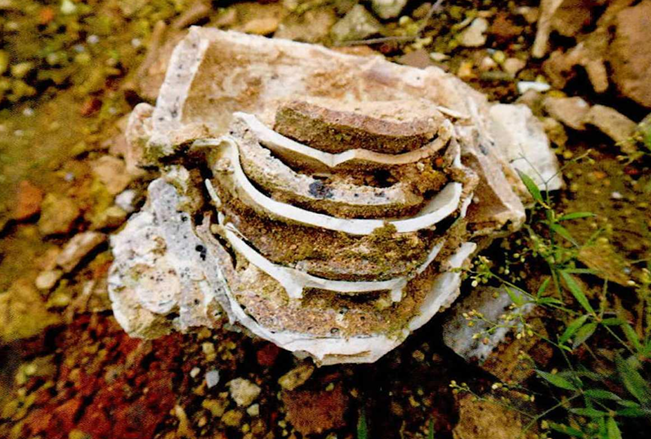
In terms of loading and firing techniques, from the Five Dynasties period to the early Northern Song Dynasty, both kilns employed the well-established method of firing in saggars, strictly adhering to the meticulous ‘one saggar, one piece’ loading system to ensure the integrity of the finished wares. Crucially, the Fanchang Kiln abandoned the traditional M-shaped saggars of the Yue Kiln in the south and directly adopted the funnel-shaped saggars unique to the Ding Kiln; this constitutes the most direct and definitive physical evidence of the southward transmission of northern porcelain-making techniques. The glazing techniques are similar; in both kilns, the vast majority of wares are not glazed to the base, and on the outer walls of everyday items such as bowls and plates, the glaze covers only as far as the lower belly, leaving the base unglazed;
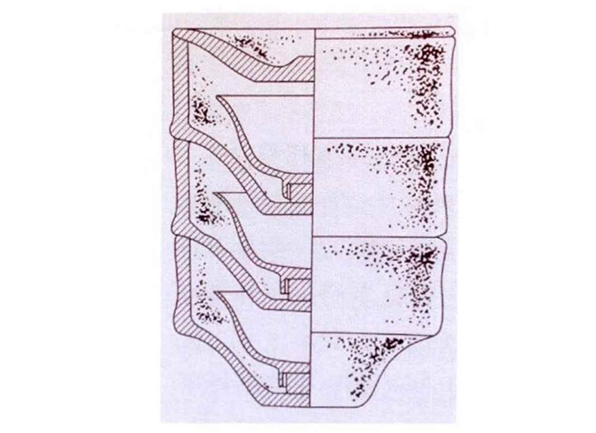
Schematic Diagram of a Single Funnel-Shaped Saggar for Upward-Firing Bowls
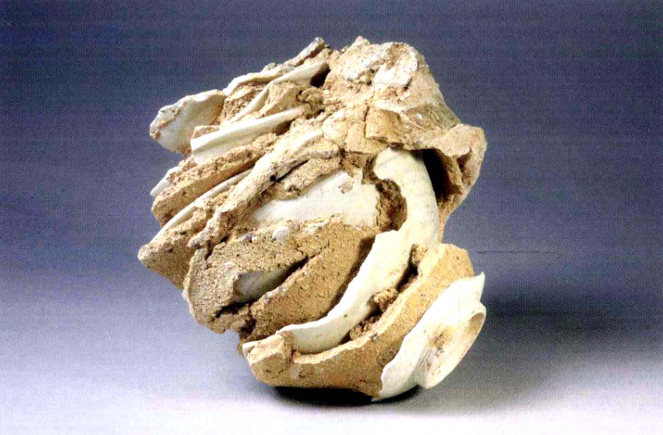
Funnel-Shaped Crucible
The Fanchang Kiln primarily employed the dipping method for glazing, supplemented by a small amount of the blowing method, resulting in uneven glaze thickness and occasional natural glaze runs; the texture bears a strong resemblance to the characteristic ‘tear-mark’ pattern of the Ding Kiln. In terms of body-finishing techniques, the round wares from both kilns during the Five Dynasties period retain clear traces of wheel-turning on both the body walls and the foot rim—a typical characteristic of traditional hand-finished pottery. The foot rims and foot centres of fine Fanchang Kiln pieces are polished to a smooth finish, demonstrating meticulous and precise body-finishing that fully inherits the refined standards of Ding Kiln porcelain production.
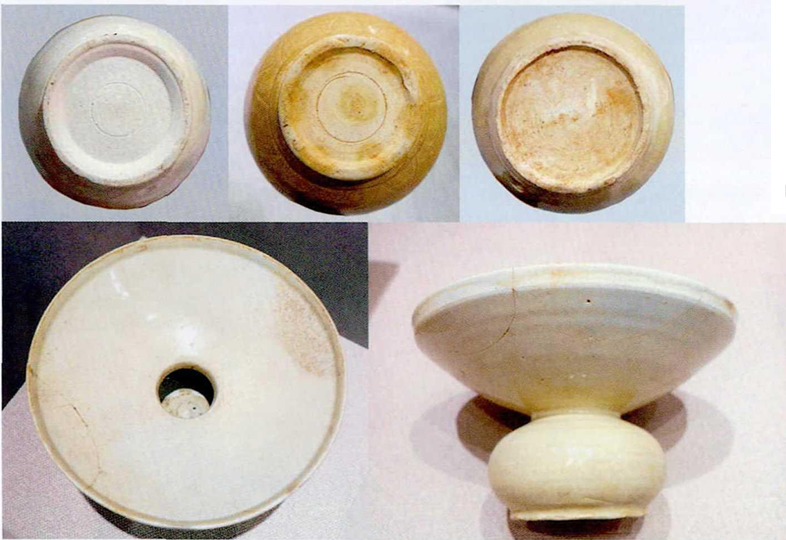
Porcelain from the Fanchang Kiln in the Collection of the Anhui Provincial Museum of Ancient Ceramics, and Images of Some of Their Bases
04 Technological Breakthrough: A Binary Formula Rewrites the Millennia-Old History of Ceramics
The Fanchang Kiln is unable to directly replicate the pure white porcelain texture of the Ding Kiln; the root cause lies in the natural differences in porcelain-making raw materials between the north and south of China. The clay from the Ding Kiln is high in aluminium and low in iron, making it easy to achieve a warm, pure white glaze colour, whereas local raw materials in Fanchang have a low aluminium oxide content and a high iron oxide content; firing them directly often results in problems such as body deformation and a dull glaze colour. To overcome these limitations in raw materials, the artisans of the Fanchang Kiln innovatively adopted a binary formula of porcelain stone and kaolin. By blending in kaolin, they increased the aluminium content of the body, thereby optimising the forming results of the porcelain. This groundbreaking innovation pushes the earliest known use of binary formulations in Chinese ceramics back by nearly 300 years from the Yuan Dynasty. Influenced by the reducing atmosphere of the southern dragon kilns and trace elements of iron in the raw materials, the modified porcelain failed to produce pure white porcelain; instead, it developed a unique glaze colour that was bluish-white with white undertones. This serendipitous development gave rise to an entirely new category of blue-white porcelain, shattering the traditional pattern of the ancient porcelain industry characterised by ‘blue in the south, white in the north’.
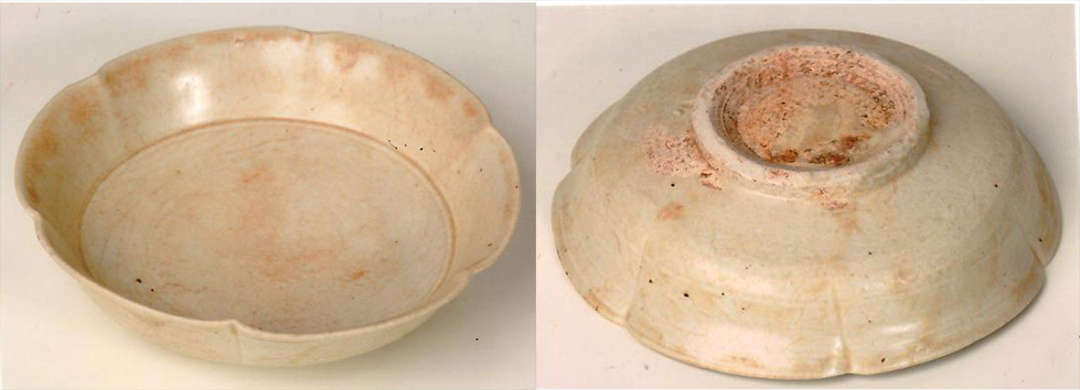
Five Dynasties–Song Dynasty: Fanchang Kiln Plate with Six-Petaled Lotus-Shaped Rim
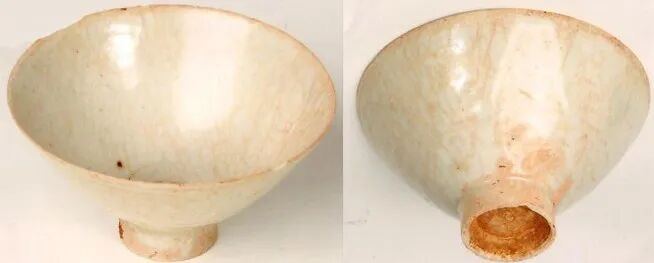
Song Dynasty Fanchang Kiln “Straw Hat” Cup
05 Historical Significance: The Nantang Tribute Kiln – A pivotal point in the fusion of Northern and Southern ceramic arts
A wealth of archaeological evidence indicates that the Fanchang Kiln was not an ordinary folk kiln, but rather an official imperial tribute kiln of the Southern Tang dynasty during the Five Dynasties period, possessing exceptional status within the industry and great historical significance. Archaeological surveys of the kiln site have revealed that the early strata of the Fanchang Kiln lack a transitional firing sequence from celadon to white porcelain; from its inception, the kiln precisely emulated the Ding Kiln and specialised in the production of white porcelain imitations, demonstrating a highly purposeful production focus. Furthermore, the celadon-white porcelain unearthed from the two Southern Tang tombs in Nanjing is entirely consistent with the forms and craftsmanship of the Fanchang Kiln’s products, directly corroborating its status as a tribute kiln exclusively serving the Southern Tang court and the upper nobility. Overall, the celadon-white porcelain of the Fanchang Kiln represents an innovative fusion of northern porcelain-making techniques with southern raw materials and kiln environments, set against the backdrop of the late Tang and Five Dynasties periods. Not only is it the earliest known core production centre for celadon-white porcelain—rewriting the history of its origins—but it also serves as a pivotal historical landmark for the exchange, integration and innovation of porcelain-making techniques between northern and southern China during the 10th century.
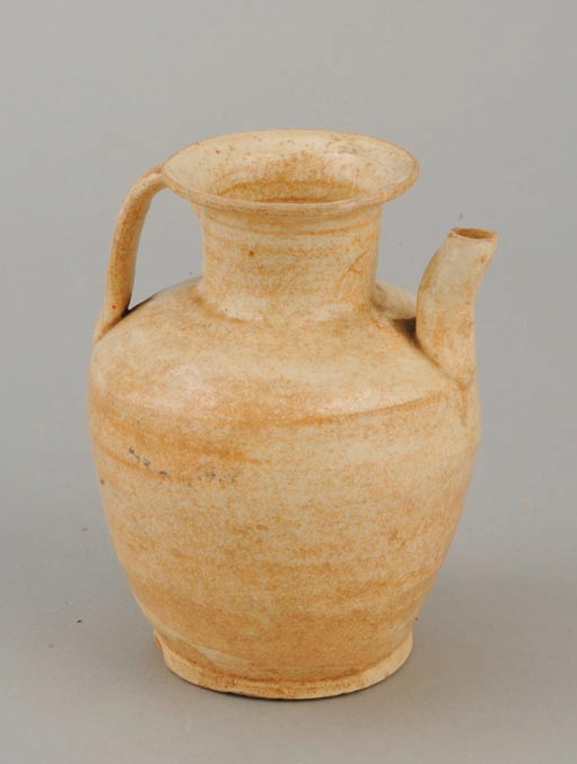
Unearthed in 1973 at the Horticultural Farm in Anqing City, Anhui Province
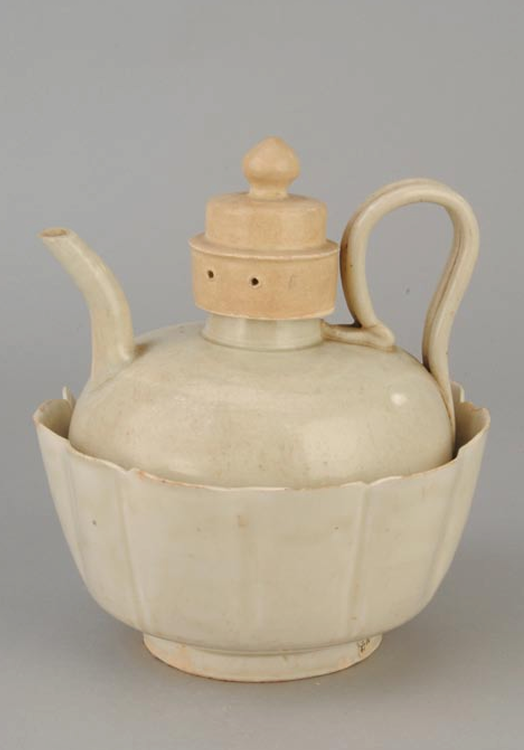
Song Dynasty Tomb Complex in Fanchang County
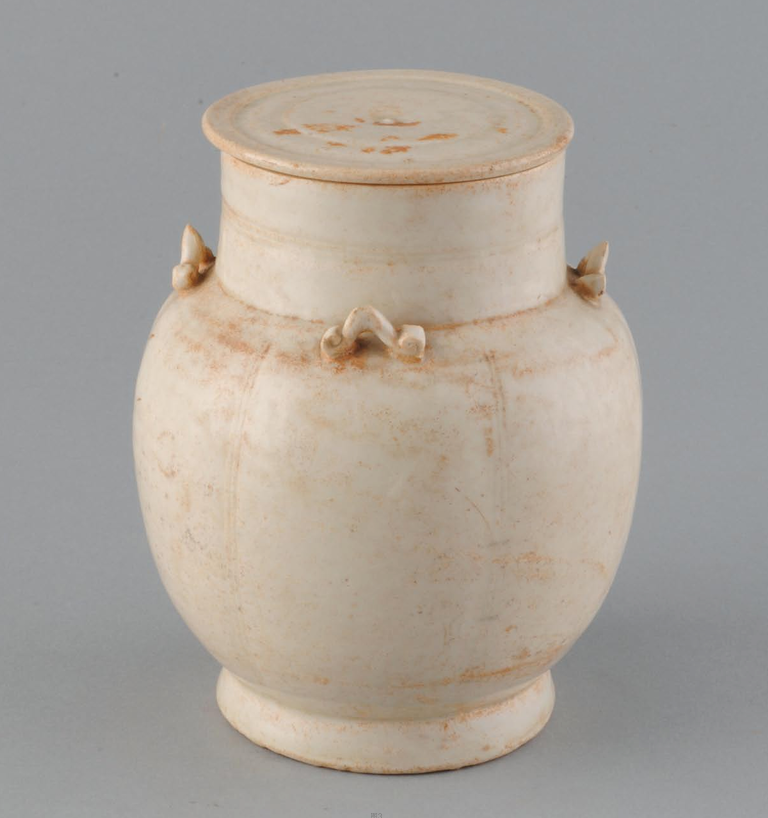
Unearthed from the Shishi Tomb in Aikou Township, Susong County
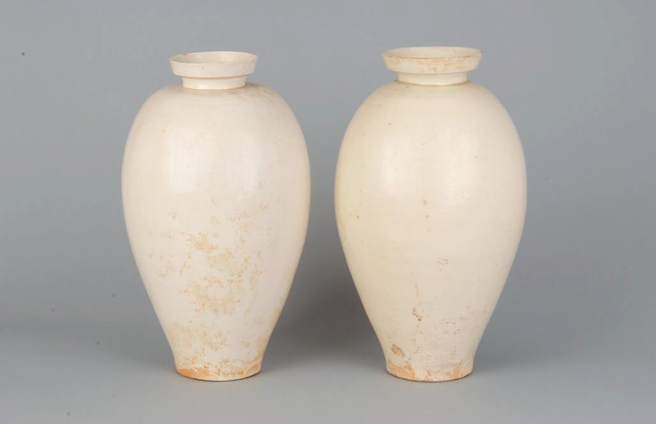
Unearthed from the Shishi Tomb in Aikou Township, Susong County
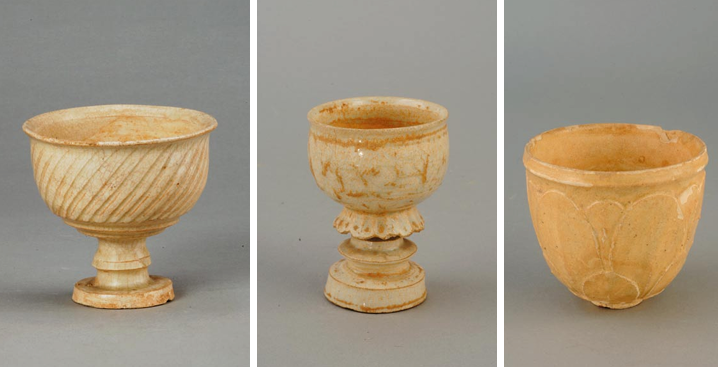
Unearthed at the construction site of the 500,000-volt power station in Fanchang County
Fanchang Kiln High-Footed Cup Unearthed in Tongling City
Fanchang Kiln Handle-less Cup
Fanchang Kejiachong Kiln Site
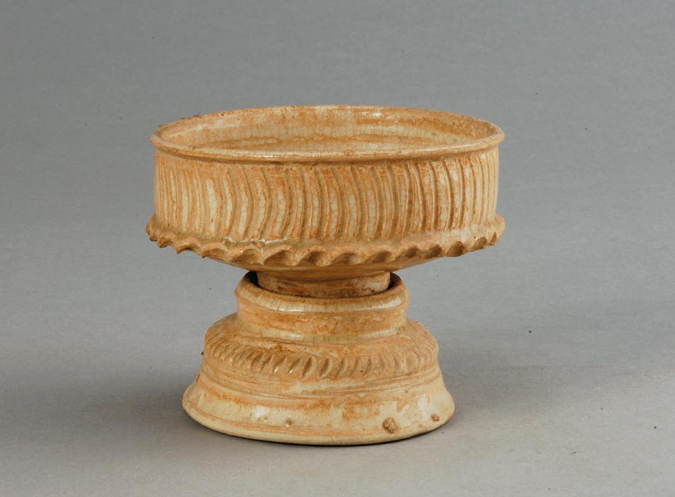
Anhui Museum
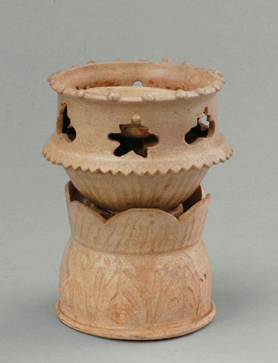
Anhui Museum
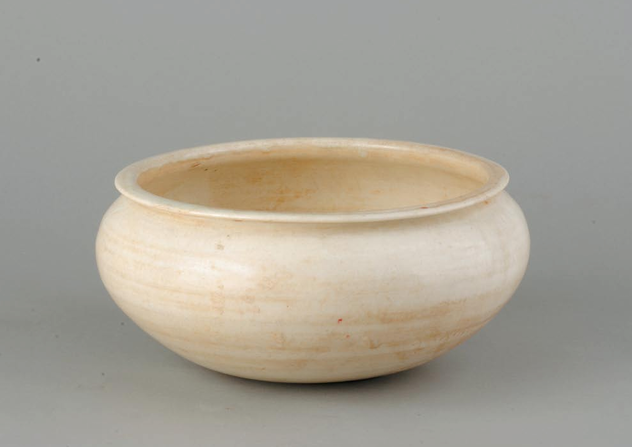
Unearthed at the Tongling Irregular-Shaped Brick Factory
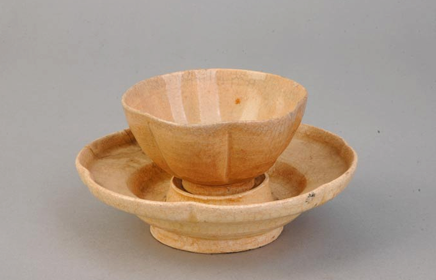
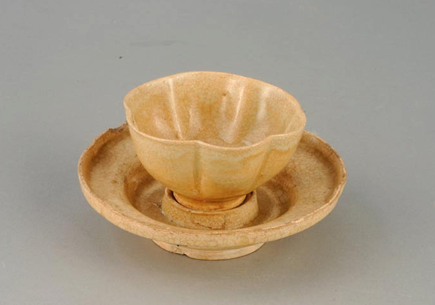
Unearthed from the Song Dynasty Tomb Complex in Fanchang County
References:
The Debate on the Origin of the Song Dynasty Figurine Playing the Sheng and Holding a Pitcher, and a Study of the Fanchang Kiln—Song Li Li
The Beauty of Simplicity: A Study on the Composition Principles and Patterns of Fanchang Kiln Blue-White Porcelain—Hu Xiaobing
Exploring the Origins of Blue-White Porcelain Through the Development of Fanchang Kiln Blue-White Porcelain—Cui Mingfang
Qingbai Porcelain from the Fanchang Kiln in the Collection of the Anhui Museum—Wang Dandan
*A Selection of Qingbai Porcelain from the Fanchang Kiln*
“Great Beauty Needs No Words”: The Historical Status, Craft Characteristics, and Aesthetic Orientation of Qingbai Porcelain from the Fanchang Kiln—Xu Zheng, Gao Chen