The Origin of Horses: Ancient Travelers Across the Bering Land Bridge
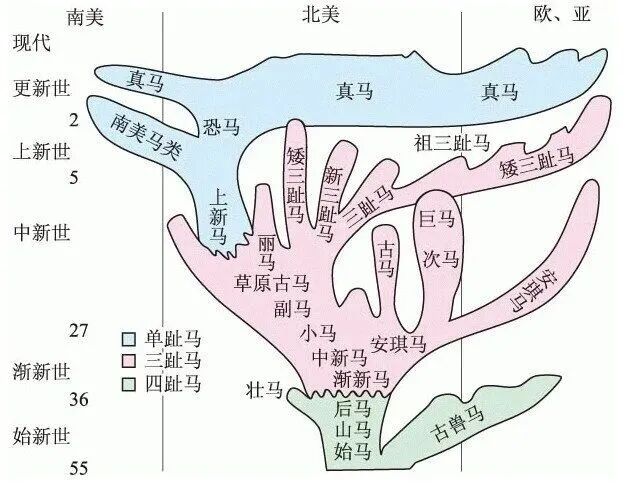
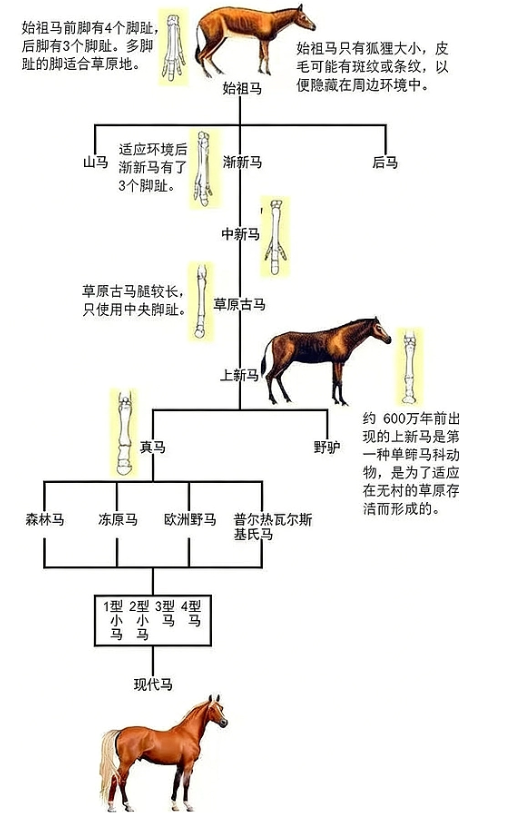
The horse, an animal that profoundly transformed the course of human civilization, was not native to the land of China. Its evolutionary story began tens of millions of years ago in North America. At that time, the early ancestor of the horse, Eohippus, was still about the size of a fox. After a long evolutionary process, the true horse species eventually took shape. During the Pleistocene epoch, when sea levels dropped due to glaciation, the Bering Strait formed the Bering Land Bridge (Beringia), which served as a land corridor connecting North America and Eurasia. This provided a geographical passage for the migration of various animal populations, including horses, which crossed the Bering Land Bridge to reach the Eurasian continent.
The Bering Strait in a satellite image
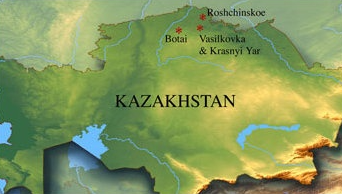
After arriving in Eurasia, horse populations thrived and expanded across the vast steppe belt. Around 3500 BCE, archaeological evidence shows that at the Botai site in present-day northern Kazakhstan, humans first successfully domesticated wild horses, marking this as the core origin of horse domestication in world history. From there, these creatures spread eastward, southward, and westward along the steppe corridors, eventually knocking on the gates of the Central Plains civilization and beginning a millennia-long journey alongside the Chinese people.
Evolutionary lineage diagram of the horse
Image source: Encyclopedia of China Database
Horses Enter the Central Plains: From "Foreign Visitors" to "Participants in Civilization"
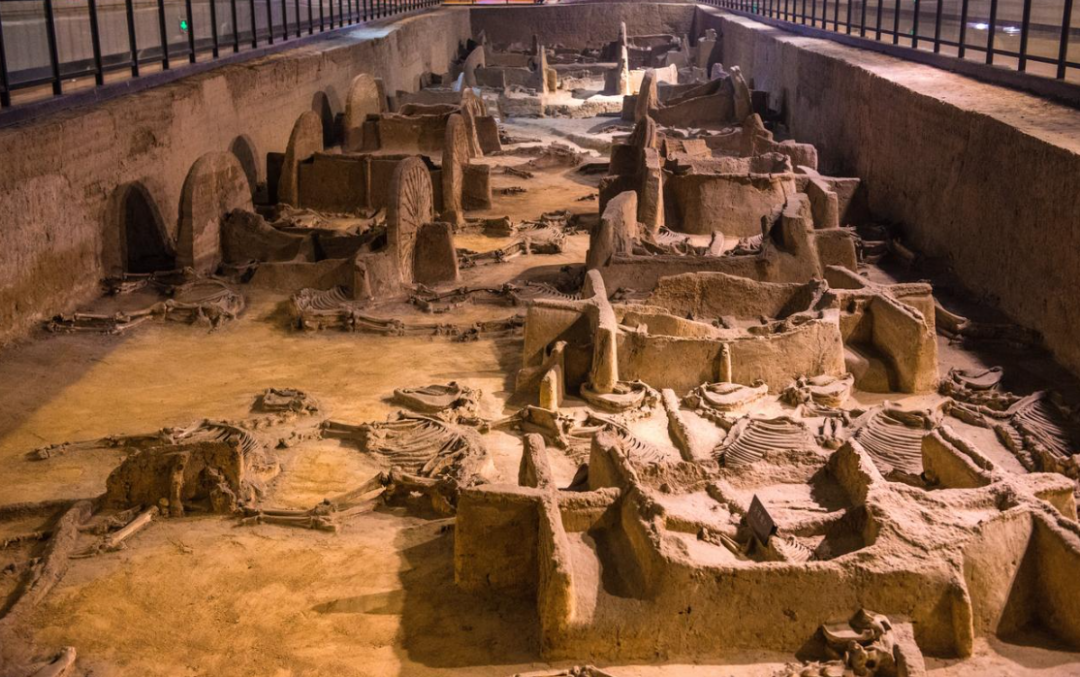
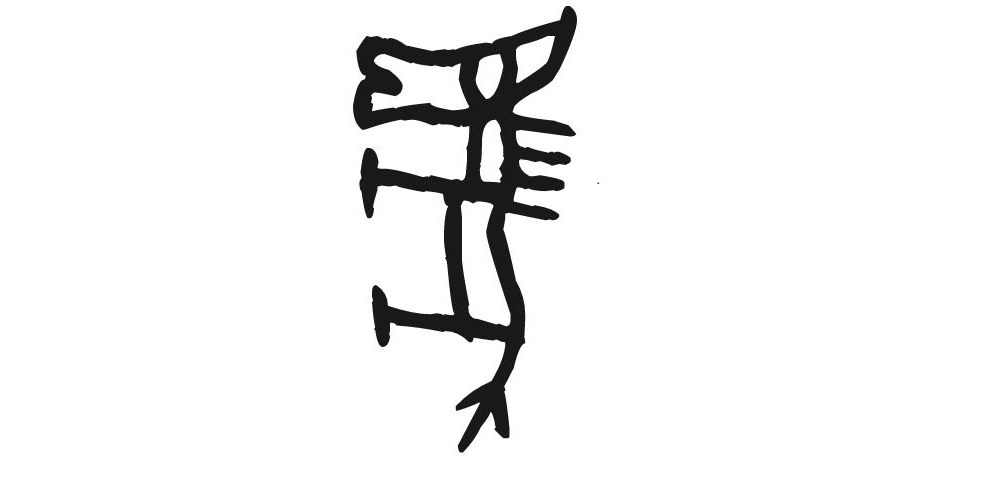
Archaeological findings indicate that as early as the late Shang Dynasty, horses had already become deeply integrated into Central Plains civilization. The large number of chariot-and-horse pits unearthed at the Yinxu site in Anyang, Henan Province, serves as solid evidence—chariots and horse bones lying together, confirming that horses already held a central role in military and ritual activities at the time. The pictographic and vivid character for "horse" in oracle bone inscriptions also shows that the Shang people were already highly familiar with it. From then on, the horse became an indispensable part of Chinese civilization.
Section of the "Chariot of the Son of Heaven with Six Horses" chariot-and-horse pit at the Eastern Zhou Royal City site in Luoyang
Image source: Xinhua News Agency
This is the character for "horse" in oracle bone inscriptions
Image source: "Yin Qi Wen Yuan" Oracle Bone Script AI Collaboration Platform
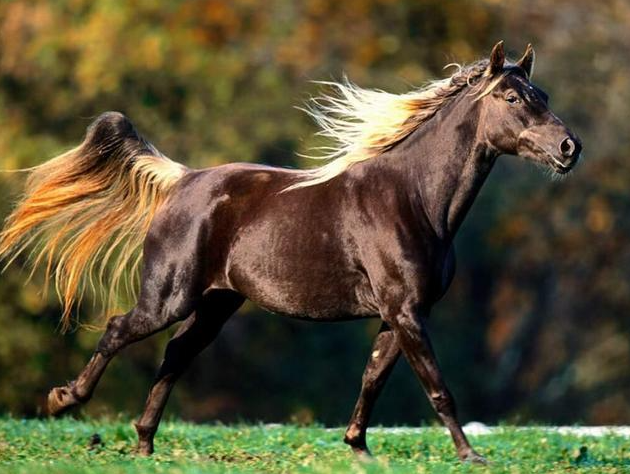
How did horses enter China? The answer lies in the vast grasslands and the Silk Road. The northern grassland route was the earliest channel for the introduction of horses. During the Shang and Zhou dynasties, nomadic peoples from the north drove herds of horses southward, continuously bringing these "spirits of the grasslands" into the Central Plains. The northwestern Silk Road route, however, only began to flourish after the Han dynasty, following Zhang Qian's pioneering expedition to the Western Regions. Emperor Wu of Han, in his quest for the "Heavenly Horses" (also known as "sweating-blood horses") of Dayuan in the Western Regions, did not hesitate to launch military expeditions. This chapter of history became a pivotal turning point in China's horse breed improvement and foreign exchanges.
Distribution map of horse breeds in China
Image source: Chinese National Geography
In early times, native Chinese horses were primarily dominated by the Mongolian horse lineage. They were not large in stature (averaging 120-135 cm at the shoulder), yet they possessed remarkable endurance, capable of long-distance gallops in severe cold, making them the most loyal companions of nomadic peoples. However, when Emperor Wu of Han set his sights on the Western Regions, everything began to change.
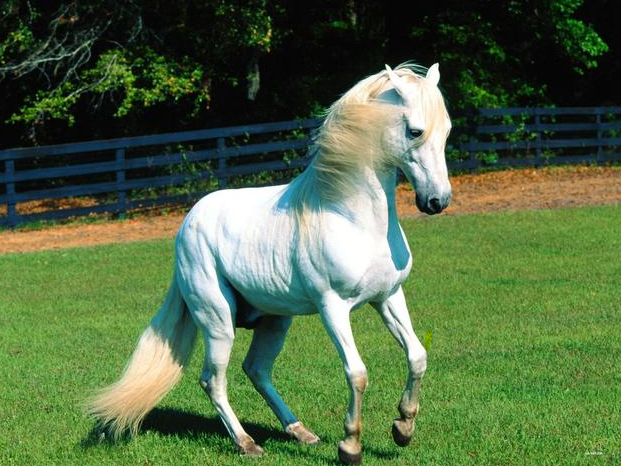
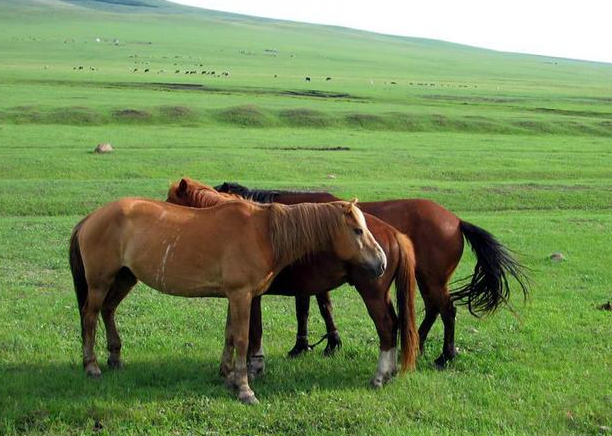 The Dayuan horse (sweating-blood horse) was renowned worldwide for its long, slender limbs, streamlined physique, and astonishing speed. To obtain this horse, Emperor Wu of Han ordered Li Guangli to launch two campaigns against Dayuan, a conflict historically known as the "War of the Heavenly Horses." This war not only introduced superior breeding stock but also profoundly influenced the improvement of Chinese horse breeds and the development of cavalry for centuries to come. Today's fine breeds such as the Xinjiang Yili horse and the Kazakh horse all carry the blended bloodline of ancient Western Regions fine horses and Mongolian horses. The History of Domestication in Ceramic Horses: An Evolutionary Trajectory Set in Glaze
Dayuan horse (sweating-blood horse)
The Dayuan horse (sweating-blood horse) was renowned worldwide for its long, slender limbs, streamlined physique, and astonishing speed. To obtain this horse, Emperor Wu of Han ordered Li Guangli to launch two campaigns against Dayuan, a conflict historically known as the "War of the Heavenly Horses." This war not only introduced superior breeding stock but also profoundly influenced the improvement of Chinese horse breeds and the development of cavalry for centuries to come. Today's fine breeds such as the Xinjiang Yili horse and the Kazakh horse all carry the blended bloodline of ancient Western Regions fine horses and Mongolian horses. The History of Domestication in Ceramic Horses: An Evolutionary Trajectory Set in Glaze
Dayuan horse (sweating-blood horse)
The History of Domestication in Ceramic Horses: An Evolutionary Trajectory Set in Glaze
Ceramics are the way Chinese people record history. When we turn our gaze to ceramic horses from different eras, a clear path of domestication and utilization emerges before our eyes.
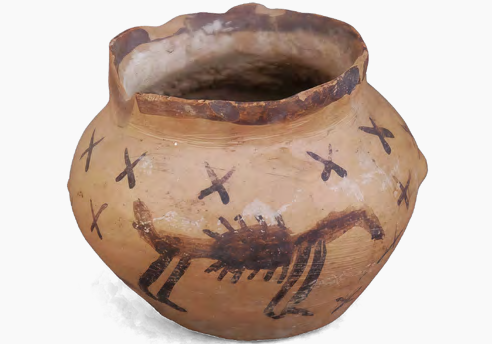 Majiayao Culture Banshan Type Painted Pottery Jar with Human-Figure and Horse Motifs and Double Loop Handles
Collection of Linxia Prefecture Museum
Image source: *Popular Archaeology*, January 2026 issue, by Lü Guohua
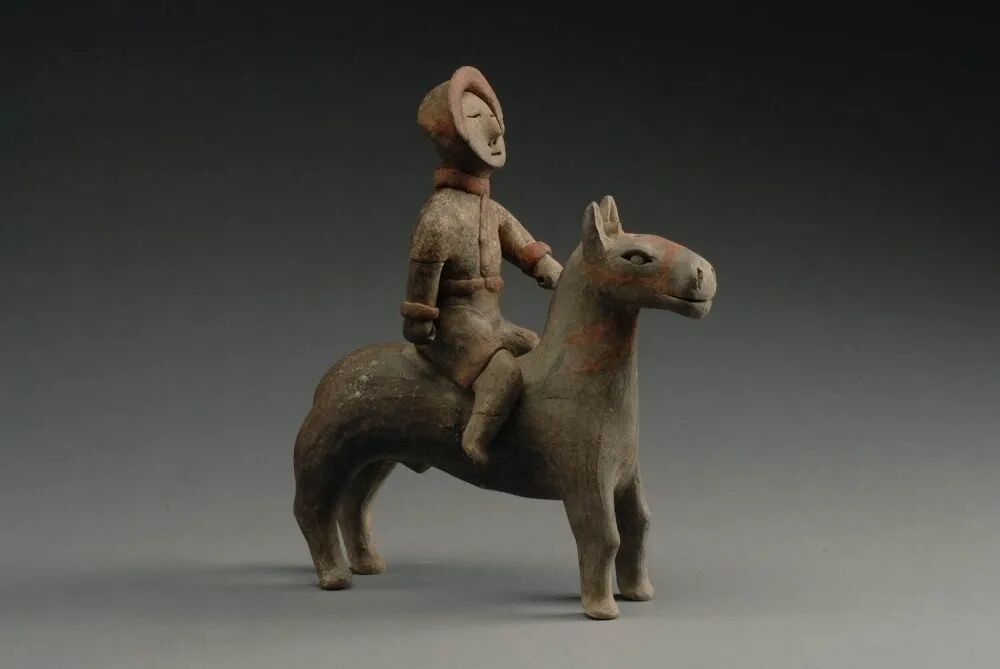
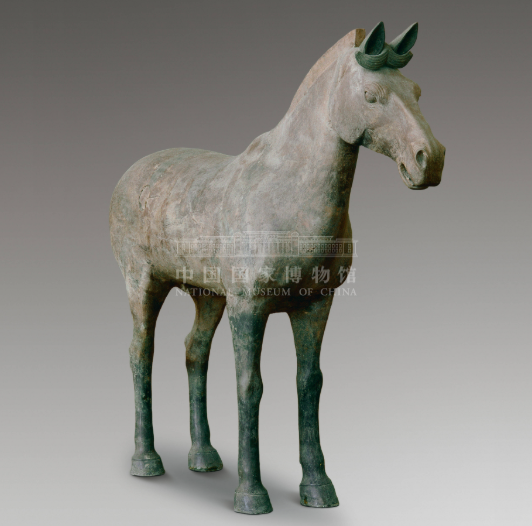
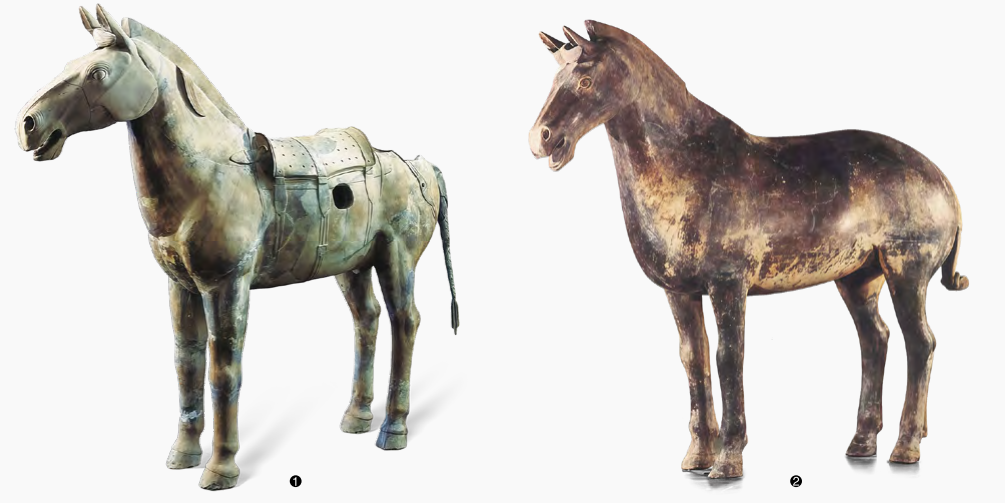
During the Warring States to Qin dynasty period, the horse was a "newcomer" still untamed by civilization. The pottery horses of this era mostly stand on four legs, exuding a solemn stillness tinged with tension. Their muscular lines are smooth yet slightly rigid, and their eyes seem to retain the alertness and gleam of the open grasslands. Having just stepped into the human world from their roles in hunting and warfare, they had not yet shed their wildness. These pottery horses serve as vivid testimony to the horse's "initial arrival" in China.
Warring States Period, Mounted Rider Figurine
Collection of Xianyang Municipal Institute of Cultural Relics and Archaeology
Qin Dynasty, Pottery Horse
Excavated in 1974 from the Qin Terracotta Army Pit in Lintong, Shaanxi
Collection of the National Museum of China
Image source: *Popular Archaeology*, January 2026 issue, by Lü Guohua
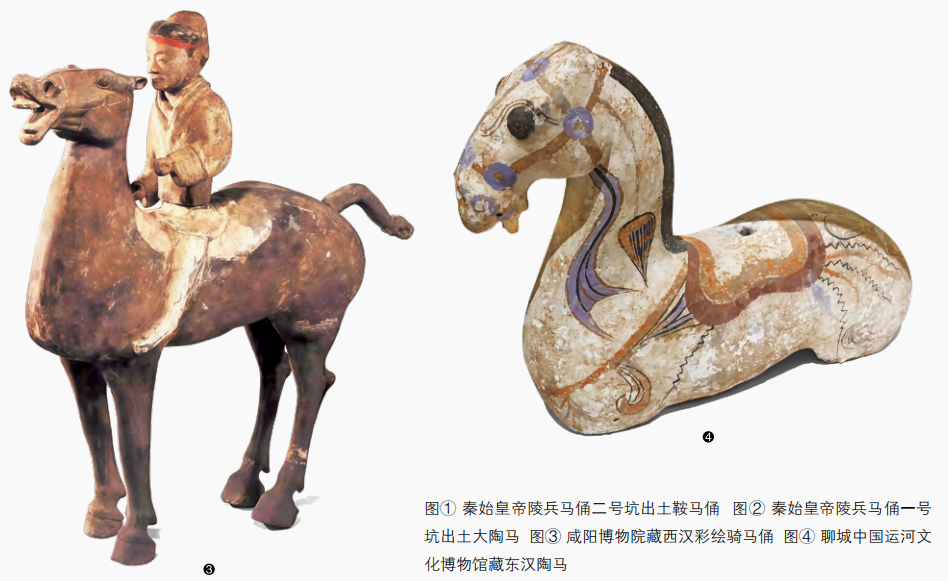
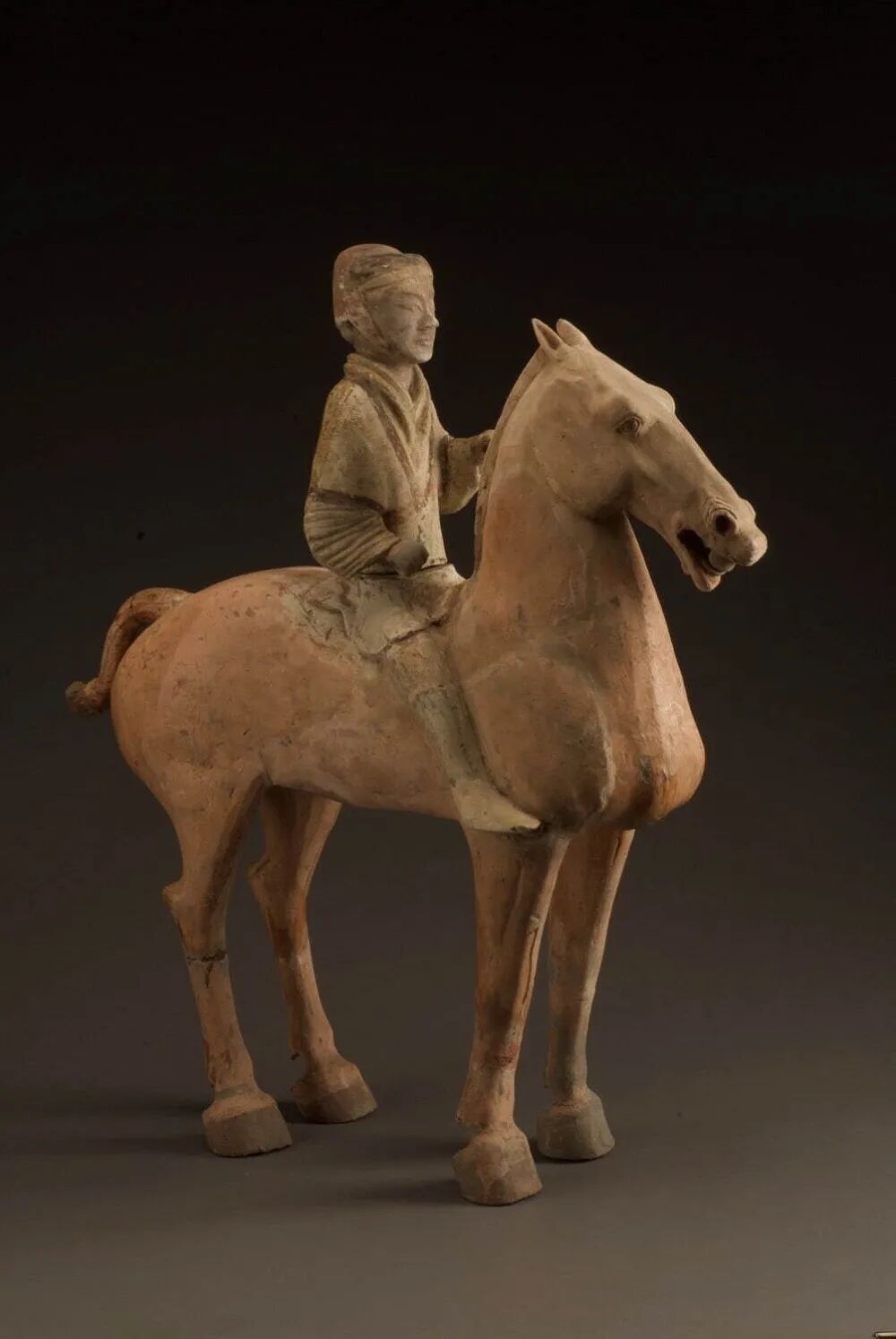
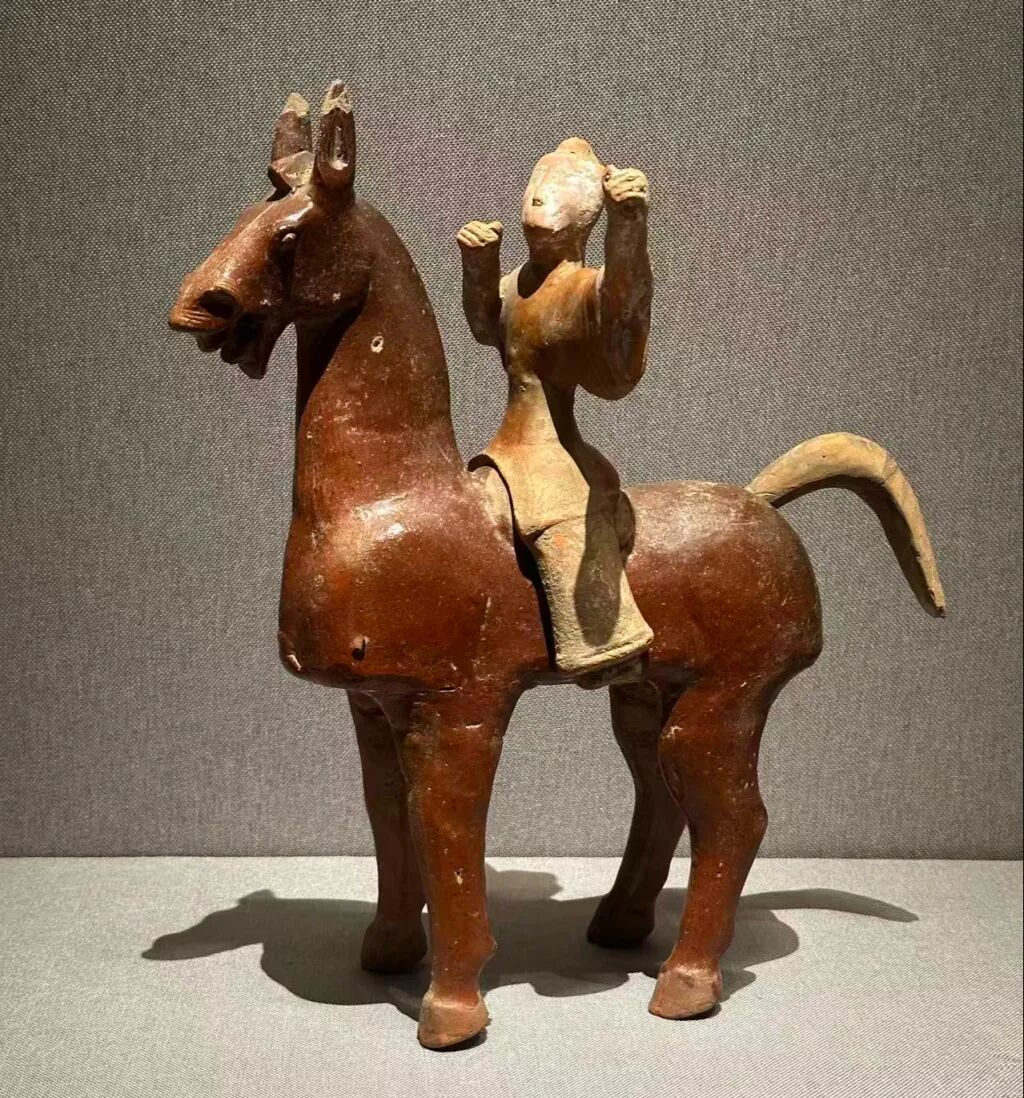
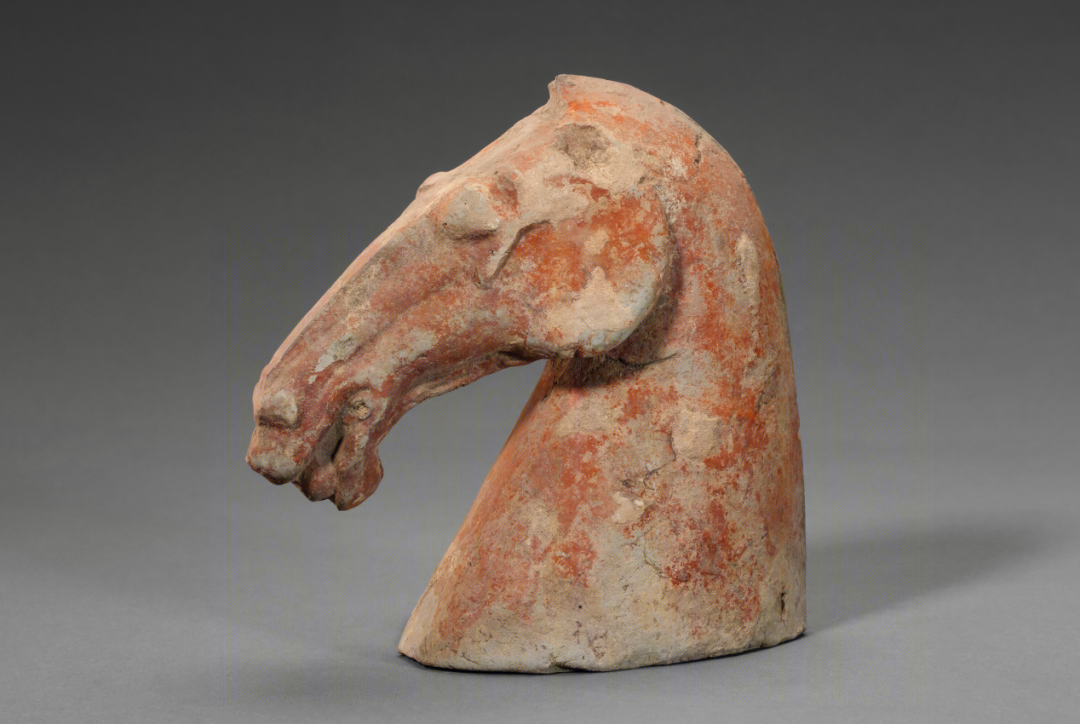
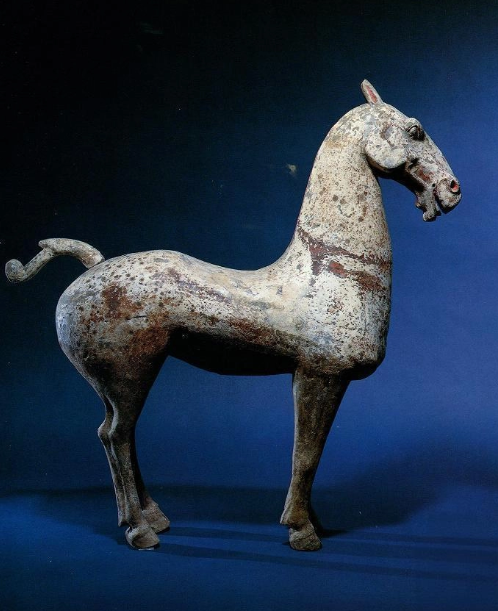
By the Han dynasty, the image of the pottery horse underwent a transformation, becoming thebold and unrestrained "veteran of the battlefield". No longer solemn standers, they became "galloping steeds" with raised heads, neighing loudly, long legs, and robust builds. The famous "Galloping Horse Treading on a Flying Swallow" is cast in bronze, yet pottery horses of the same period display a similar sense of motion and tension. By this time, the horse was no longer a "stranger from afar" but a "proud son of the dragon" honed through years of continuous warfare against the Xiongnu.
Han Dynasty Colored Cavalry Figurines
Collection of Xianyang Museum
Western Han Dynasty Red-Glazed Pottery Archer on Horseback
Excavated from Tomb M8 at Sijiangou, Jiyuan
Collection of Henan Museum
Collection of the Palace Museum
Western Han Dynasty Painted Pottery Horse
Former Collection of J.J. Lally
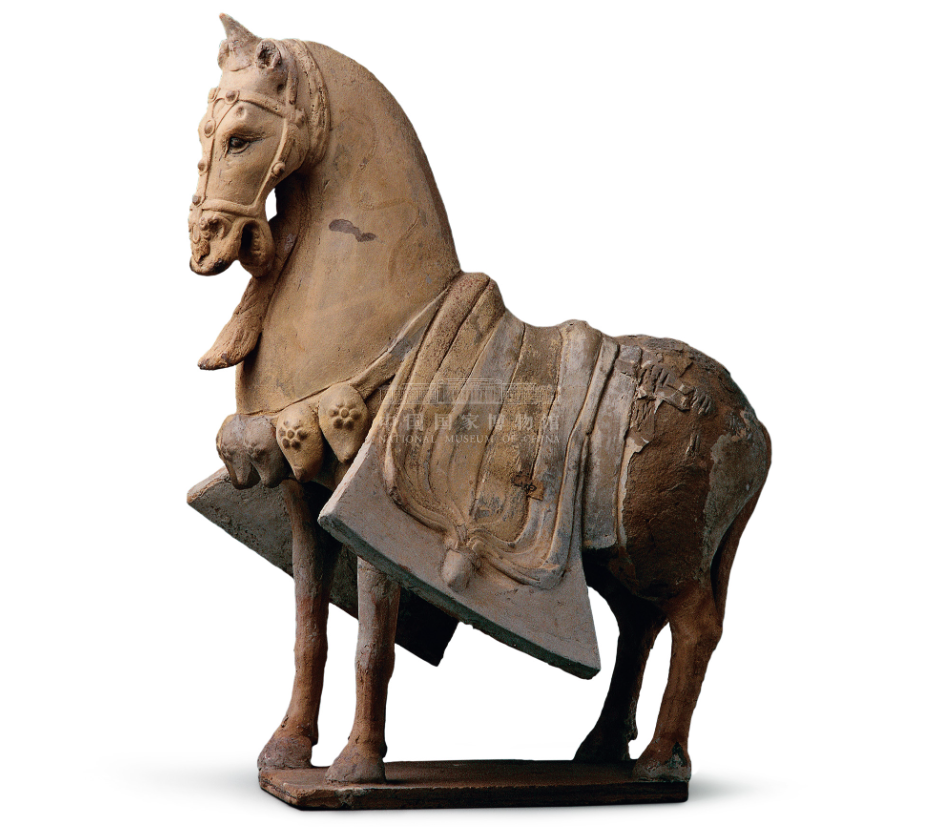
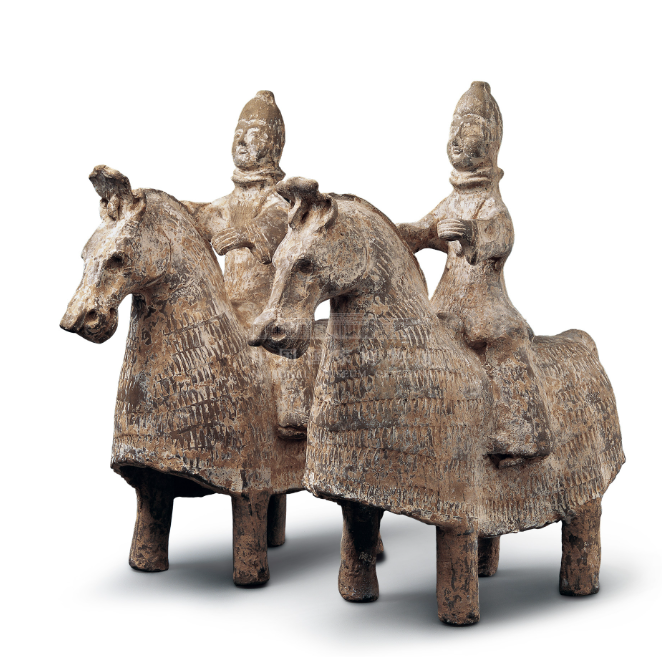
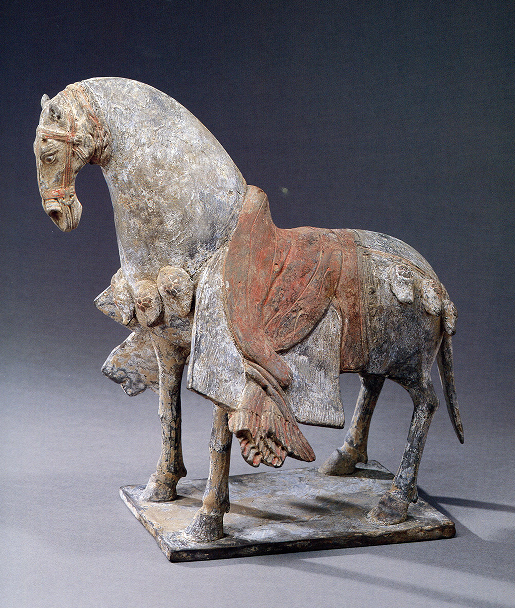
Around the Western Jin Dynasty, stirrups began to emerge; by the Eastern Jin and Sixteen Kingdoms period, double stirrups officially appeared (such as the gilded bronze stirrups with wooden cores excavated from the tomb of Feng Sufu in Beipiao, Liaoning). This seemingly simple device freed the rider's hands, allowing cavalrymen to draw their bows and wield their blades with ease while mounted, fundamentally transforming the nature of warfare. It marked the maturity of horsemanship and a new stage of unity between man and horse. During the Northern Dynasties, nomadic peoples such as the Xianbei entered the Central Plains, bringing with them a deep love for horses and superb riding skills. The glazed pottery horses of this period feature complete saddles and bridles, ornate decorations, and even the appearance of "armored cavalry" images with full body armor. The horse had been elevated from a mere tool to a cultural symbol of status, power, and glory.
Majiayao Culture Banshan Type Painted Pottery Jar with Human-Figure and Horse Motifs and Double Loop Handles
Collection of Linxia Prefecture Museum
Image source: *Popular Archaeology*, January 2026 issue, by Lü Guohua
During the Warring States to Qin dynasty period, the horse was a "newcomer" still untamed by civilization. The pottery horses of this era mostly stand on four legs, exuding a solemn stillness tinged with tension. Their muscular lines are smooth yet slightly rigid, and their eyes seem to retain the alertness and gleam of the open grasslands. Having just stepped into the human world from their roles in hunting and warfare, they had not yet shed their wildness. These pottery horses serve as vivid testimony to the horse's "initial arrival" in China.
Warring States Period, Mounted Rider Figurine
Collection of Xianyang Municipal Institute of Cultural Relics and Archaeology
Qin Dynasty, Pottery Horse
Excavated in 1974 from the Qin Terracotta Army Pit in Lintong, Shaanxi
Collection of the National Museum of China
Image source: *Popular Archaeology*, January 2026 issue, by Lü Guohua
By the Han dynasty, the image of the pottery horse underwent a transformation, becoming thebold and unrestrained "veteran of the battlefield". No longer solemn standers, they became "galloping steeds" with raised heads, neighing loudly, long legs, and robust builds. The famous "Galloping Horse Treading on a Flying Swallow" is cast in bronze, yet pottery horses of the same period display a similar sense of motion and tension. By this time, the horse was no longer a "stranger from afar" but a "proud son of the dragon" honed through years of continuous warfare against the Xiongnu.
Han Dynasty Colored Cavalry Figurines
Collection of Xianyang Museum
Western Han Dynasty Red-Glazed Pottery Archer on Horseback
Excavated from Tomb M8 at Sijiangou, Jiyuan
Collection of Henan Museum
Collection of the Palace Museum
Western Han Dynasty Painted Pottery Horse
Former Collection of J.J. Lally
Around the Western Jin Dynasty, stirrups began to emerge; by the Eastern Jin and Sixteen Kingdoms period, double stirrups officially appeared (such as the gilded bronze stirrups with wooden cores excavated from the tomb of Feng Sufu in Beipiao, Liaoning). This seemingly simple device freed the rider's hands, allowing cavalrymen to draw their bows and wield their blades with ease while mounted, fundamentally transforming the nature of warfare. It marked the maturity of horsemanship and a new stage of unity between man and horse. During the Northern Dynasties, nomadic peoples such as the Xianbei entered the Central Plains, bringing with them a deep love for horses and superb riding skills. The glazed pottery horses of this period feature complete saddles and bridles, ornate decorations, and even the appearance of "armored cavalry" images with full body armor. The horse had been elevated from a mere tool to a cultural symbol of status, power, and glory.
Northern Dynasties Pottery Horse
Excavated in 1948 from the Feng Family Tombs in Jing County, Hebei Province
Collection of the National Museum of China
Painted pottery figurine of a mounted warrior, Northern and Southern Dynasties
Excavated in 1953 at Caochangpo, Xi'an, Shaanxi
Collection of the National Museum of China
Painted gray pottery horse, Northern Wei Dynasty
Former collection of J. J. Lally
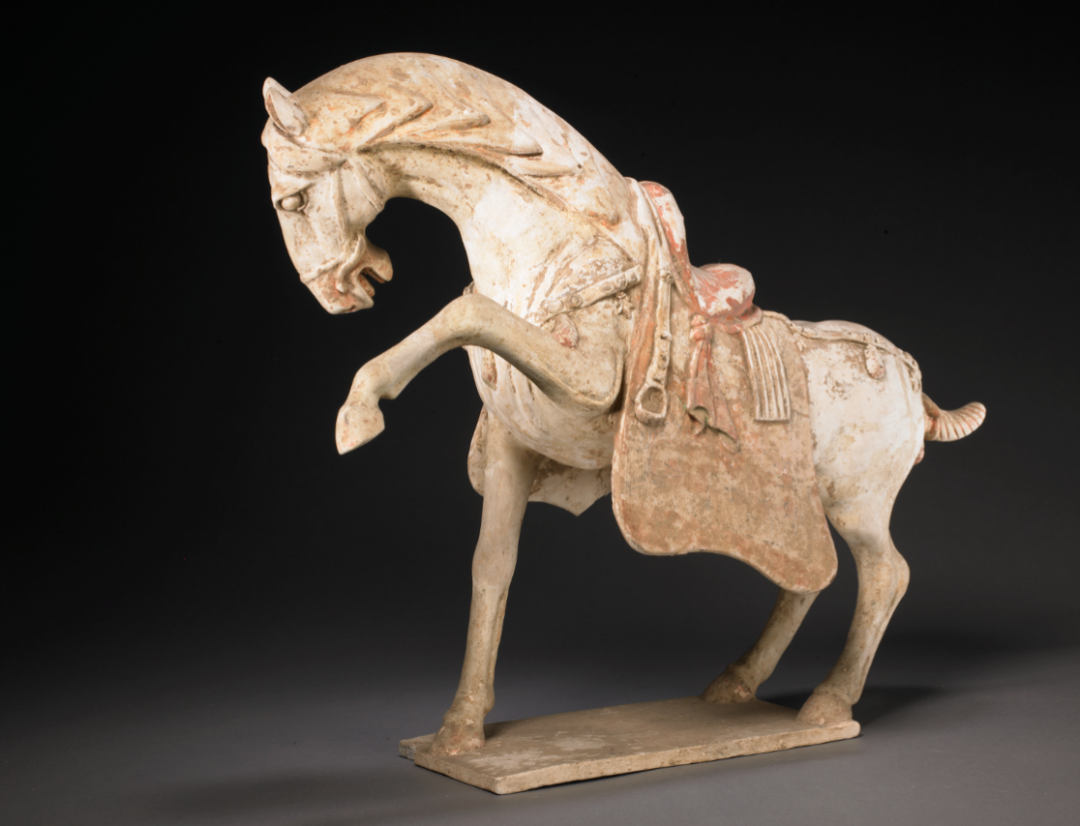
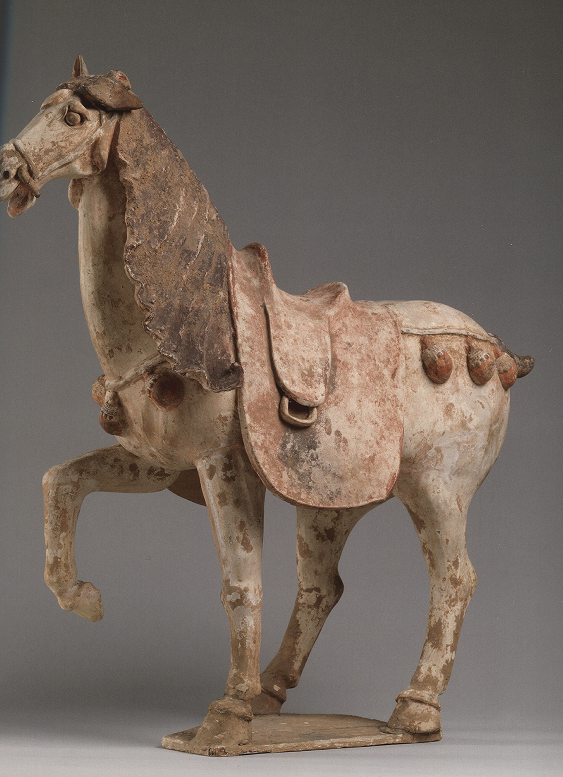
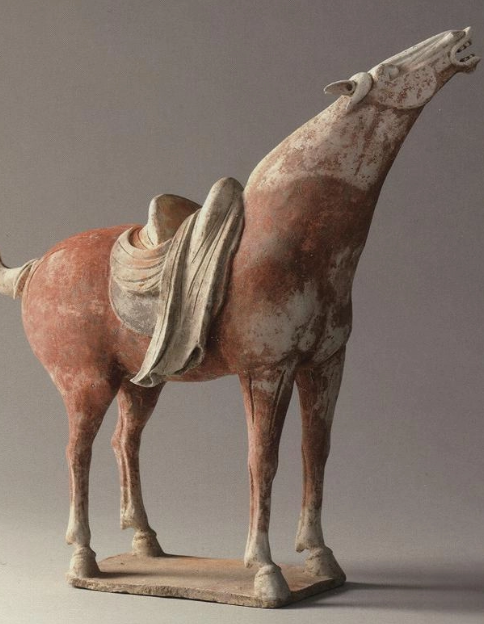
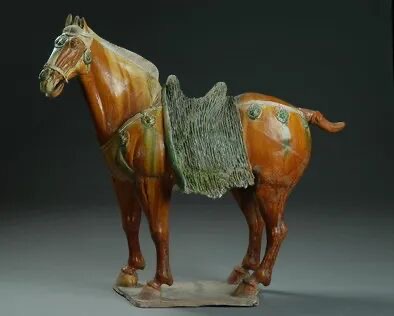
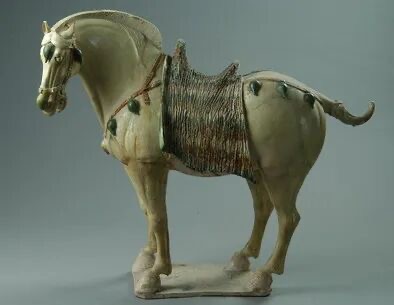
The Tang Dynasty marked the golden age of horse culture in China. The government established a system of imperial horse pastures and systematically introduced fine breeds such as Turkic horses, Persian horses, and Arabian horses, elevating the physique and quality of Chinese horses to unprecedented heights.
Pottery horse, Tang Dynasty
Collection of the Palace Museum
Pottery horse, Tang Dynasty
Former collection of Berwald
Pottery horse, Tang Dynasty
Former collection of Berwald
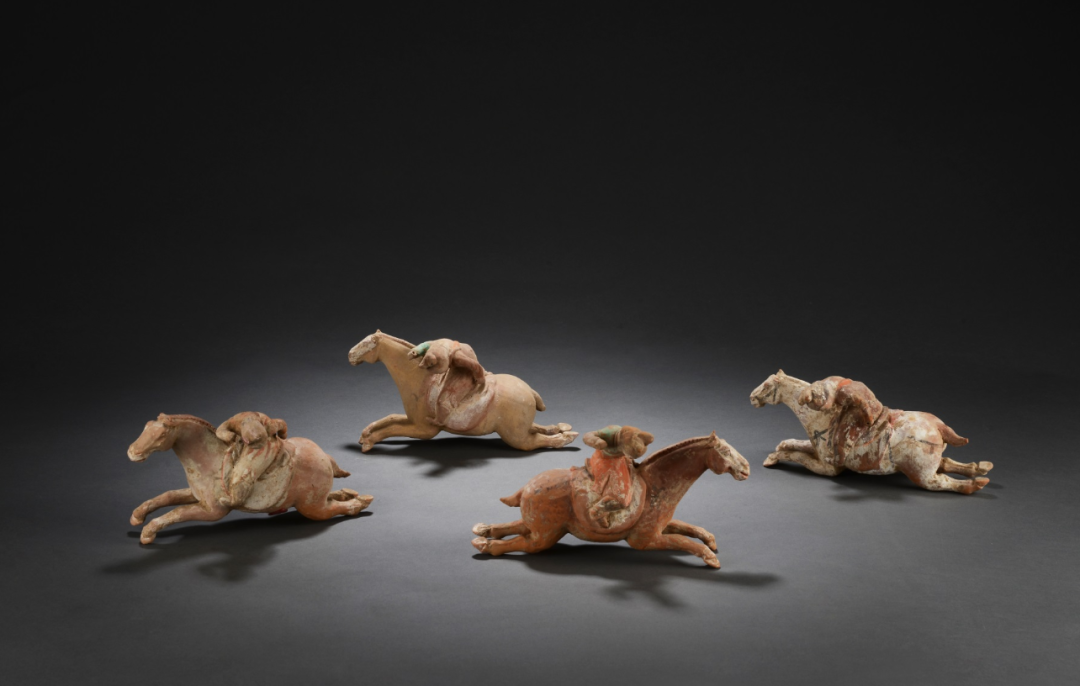
Painted pottery polo player figurine, Tang Dynasty
Collection of the Shaanxi Tang Sancai Art Museum
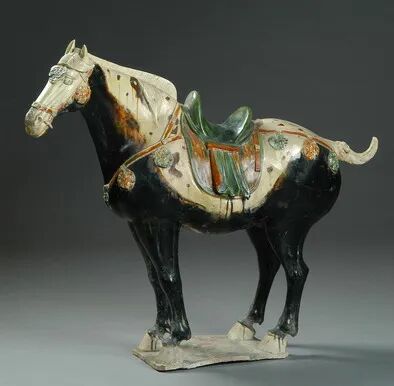
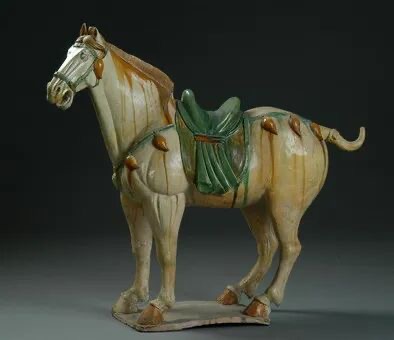
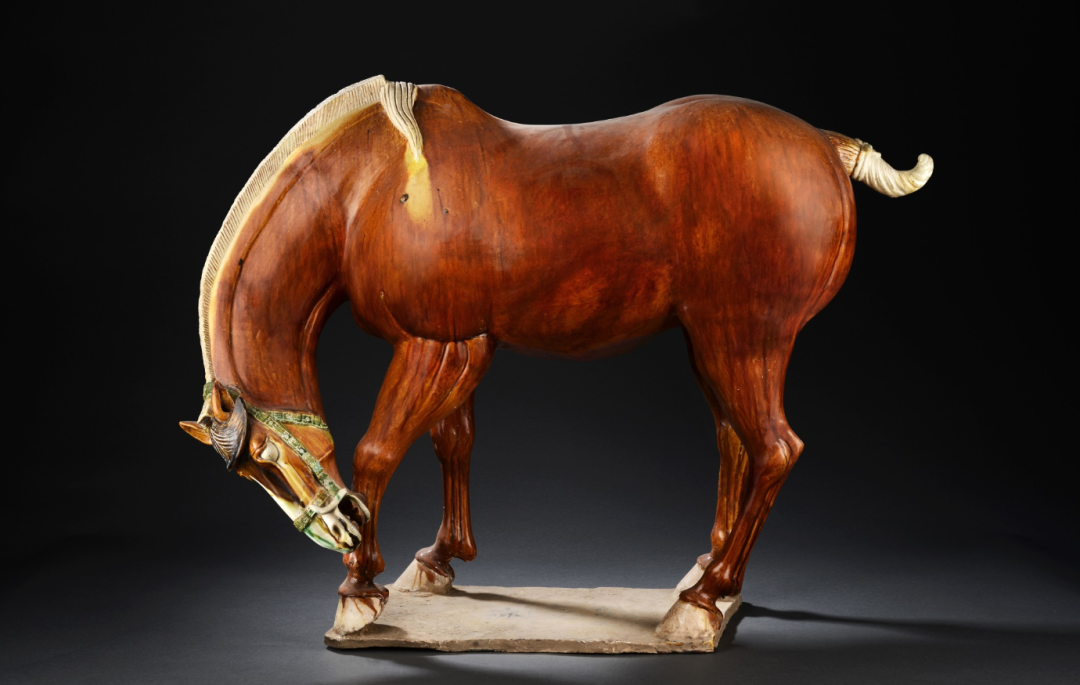
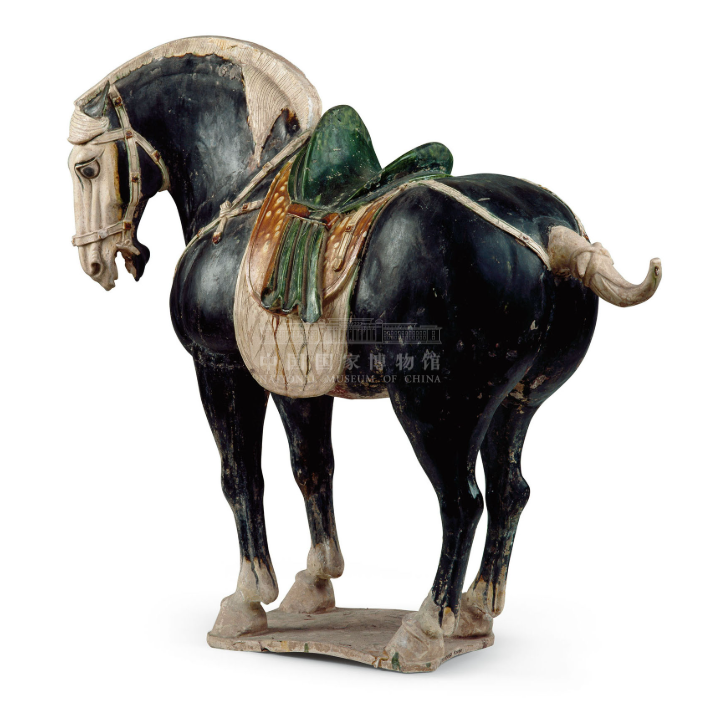
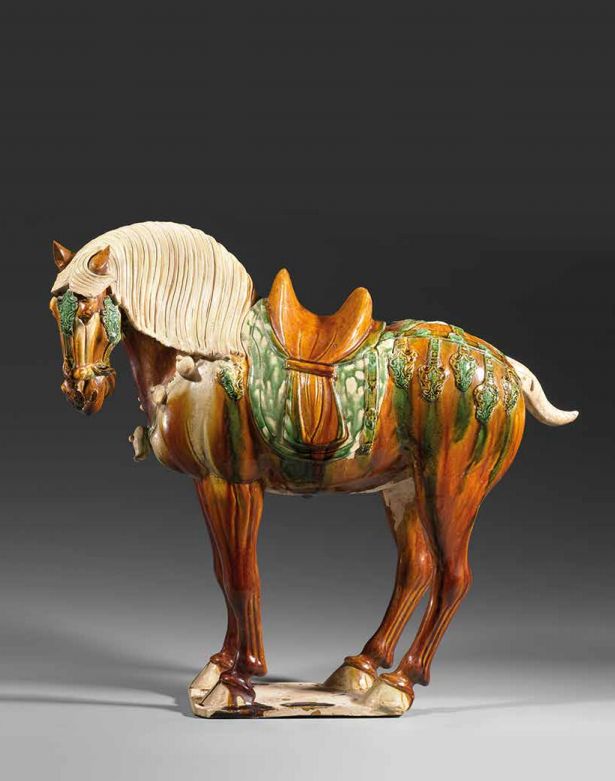
Tang Sancai horse figurines, with their elegant and magnificent forms and diverse postures, bear witness to the harmony between humans and horses in that era.The tri-colored glazed horses unearthed from An Pu's tomb in Luoyang are the pinnacle of this period. They are robust in build, well-proportioned in flesh and bone, bearing the typical features of fine horses from the Western Regions. They were not only war companions but also imperial guards, palace pets, and even entertainment stars—historical records note that Emperor Xuanzong of the Tang Dynasty trained "dancing horses" for amusement, and such postures can also be seen in pottery figurines.
Tri-colored glazed horses unearthed from An Pu's tomb (four pieces in total)
Collection of the Henan Museum
Tang Dynasty tri-colored glazed horse biting its hoof
Collection of the Shaanxi Tang Tri-colored Glazed Art Museum
Tang tri-colored glazed horse
Excavated in 1972 at Guanlin, Luoyang, Henan
Collection of the National Museum of China
Tang tri-colored glazed horse
Former collection of J. J. Lally
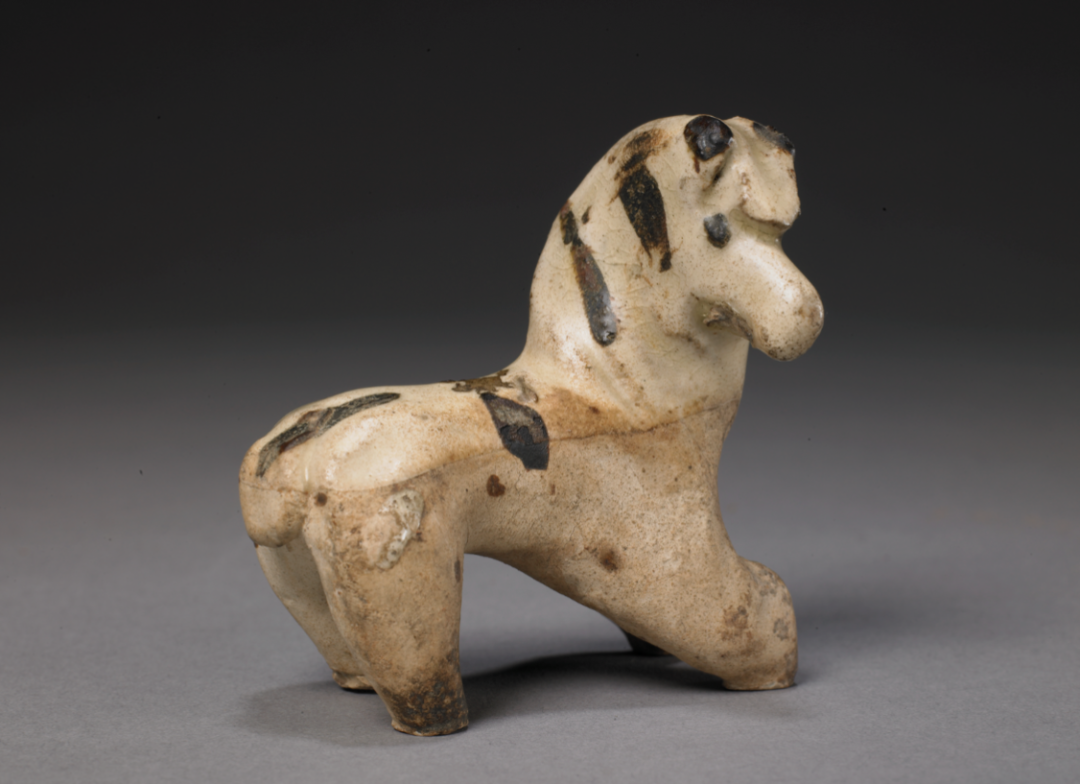
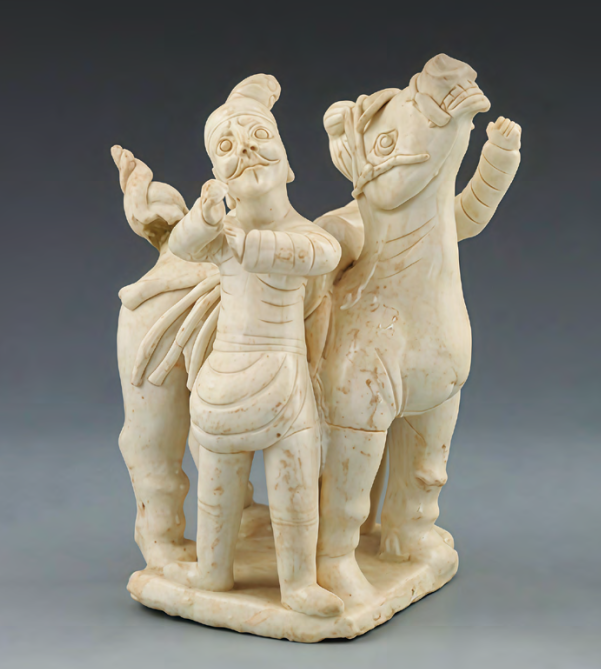
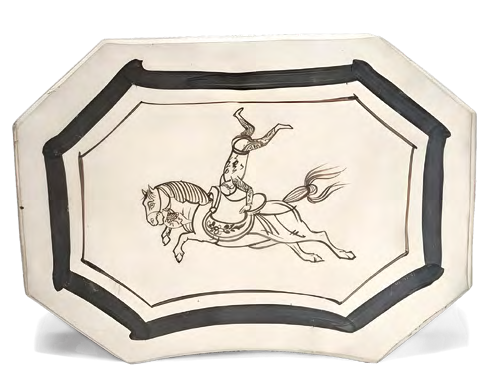
From the Song and Yuan dynasties onward, with the southward shift of the economic center and changes in military tactics, the use of horses further descended. They moved from the battlefield to the farmland, from post roads to the marketplace. War horses, courier horses, plow horses, and draft horses—their roles became increasingly specialized, and their images grew closer to ordinary people.The pottery and porcelain horses of this period adopted a simplified and realistic style. Gone was the robust exaggeration of Tang horses, replaced by the plain and tranquil quality of agrarian life. The emergence of folk artifacts such as foal figurines and children's horse-riding toys marked that horses had fully integrated into the daily life of the Chinese people—they were no longer exclusive to the nobility, but part of the lives of common folk.
Song Dynasty porcelain horse with black patterns on white glaze
Northern Song Dynasty light greenish-white glaze figurine of a groom leading a horse
Excavated at Yanghu, in the outskirts of Jingdezhen
Image source: *Popular Archaeology*, January 2026 issue, by Lü Guohua
Song dynasty white-glazed pillow with black-painted acrobatic horse design
Collection of the Palace Museum
Image source: *Popular Archaeology*, January 2026 issue, by Lü Guohua
Image source: *Popular Archaeology*, January 2026 issue, by Lü Guohua
From wild horses on the steppe to warhorses on the Central Plains, from noble processions to common beasts of burden, horses have journeyed through China for thousands of years. The ceramic horses that now stand quietly in museums are the most faithful chroniclers of this journey. Their muscular lines speak of the course of domestication; their saddles and bridles display technological progress; their postures and expressions reflect the changing relationship between humans and horses over millennia. Horses transformed warfare, transformed transportation, and changed the course of Chinese history; and in turn, humans, with wisdom and affection, turned them from wild creatures of the open plains into their most loyal companions.