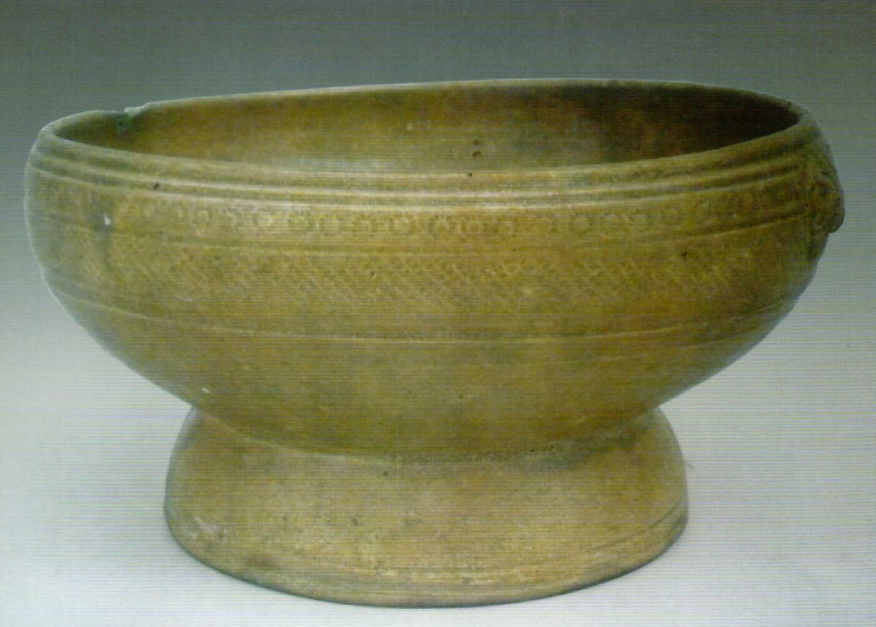
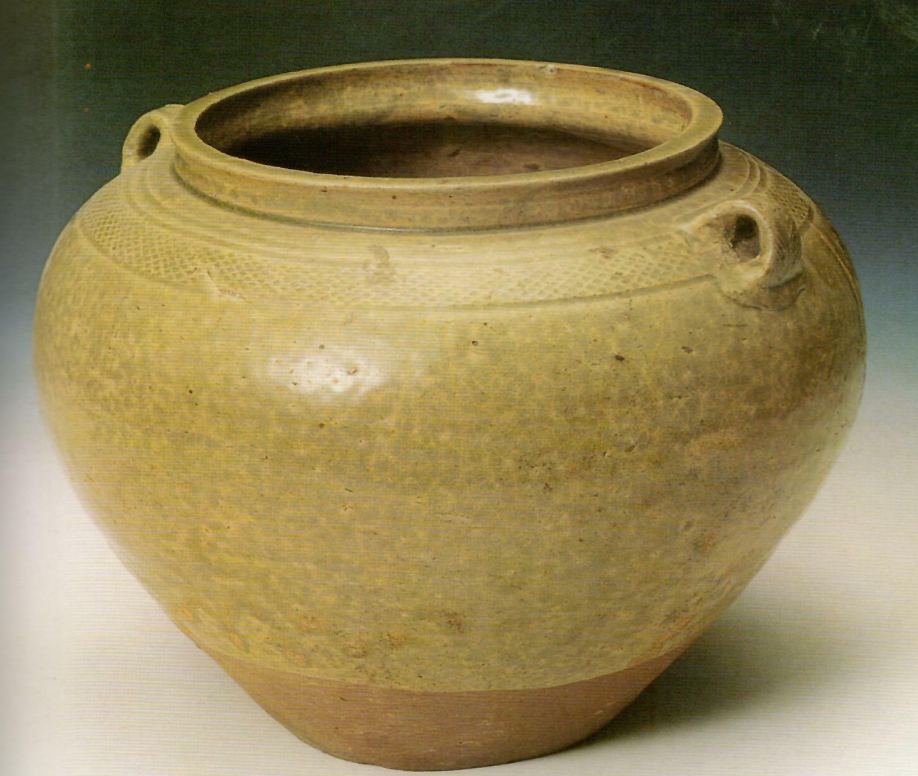
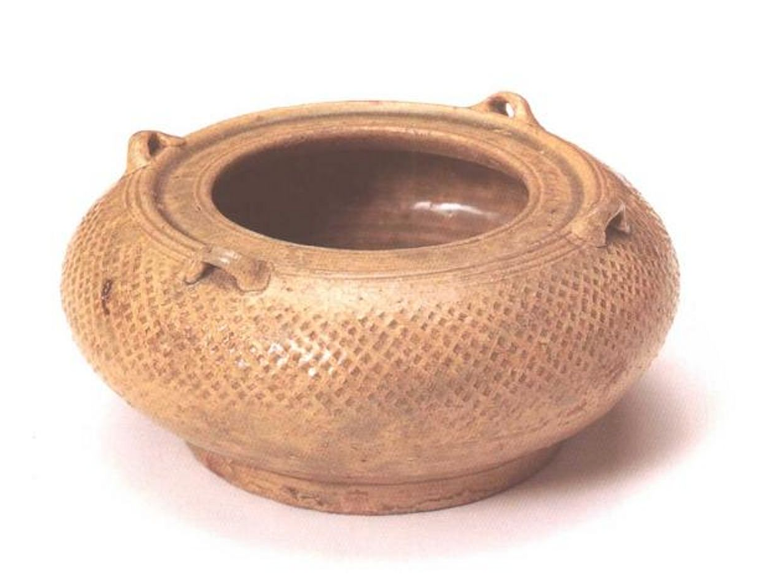
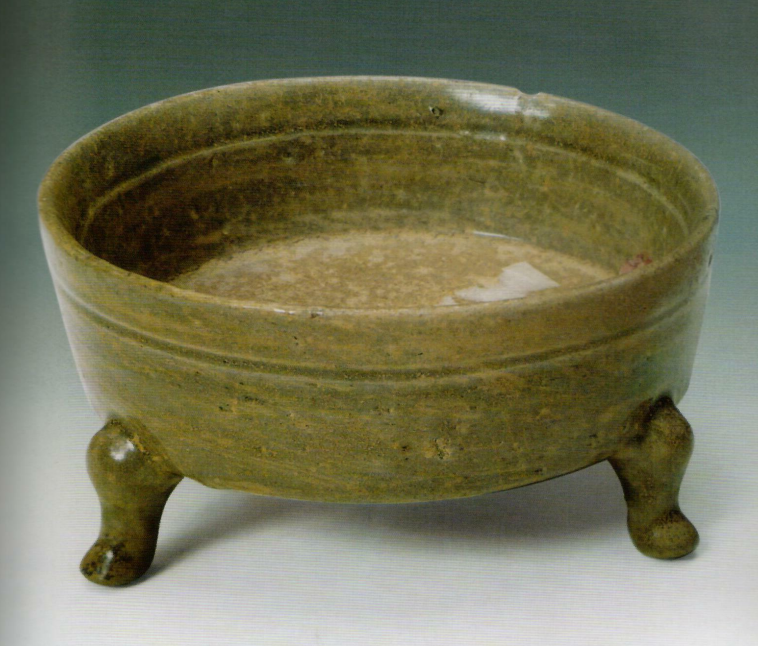
Qianfeng Cuise: A Collection of Celadon Chronological Artifacts from the Western Jin Dynasty (Part 2)
The Western and Eastern Jin dynasties marked a crucial transitional period in Chinese feudal society, characterized by social upheaval and frequent warfare, which spurred large-scale population migration and the collision and fusion of diverse ethnic cultures. Against this backdrop, porcelain production took on a fresh appearance, with notable developments in both northern and southern ceramic industries. Numerous unprecedented vessel forms emerged, such as celadon soul jars, frog-shaped water droppers, mythical beast zun vessels, celadon sheep, and celadon lotus zun vessels, reflecting both advances in craftsmanship and the aesthetic innovations brought about by multicultural integration.
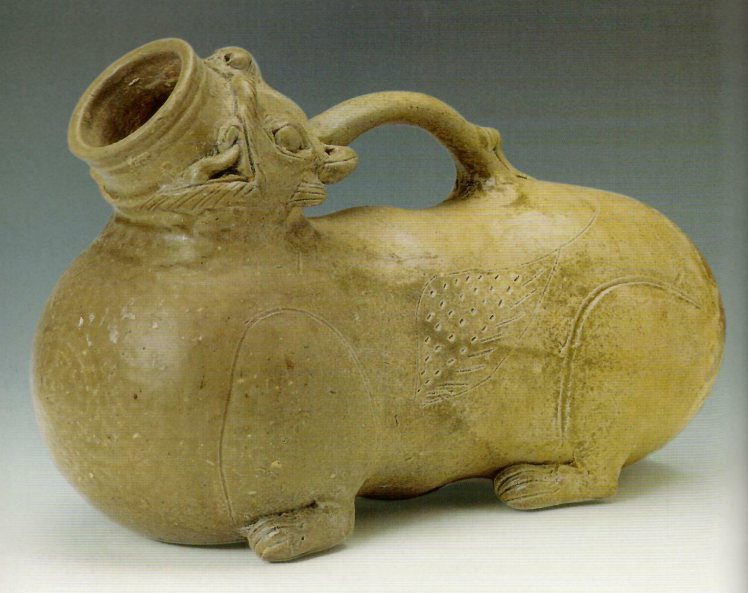
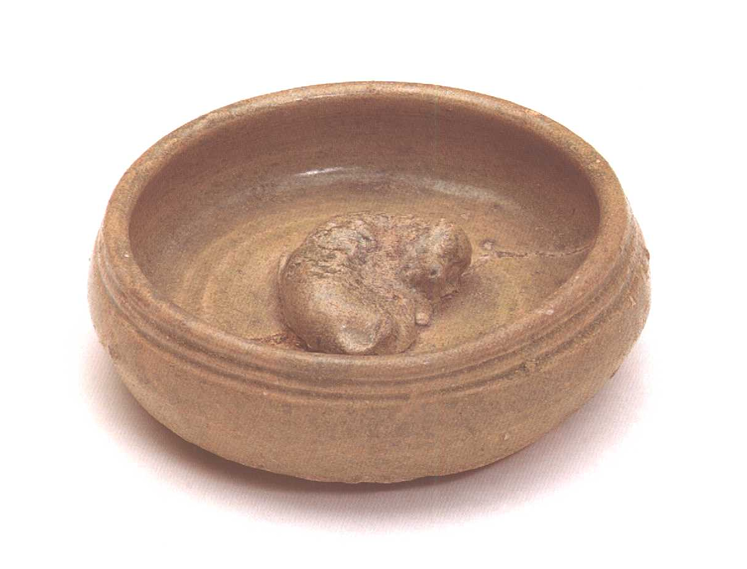
 The Western Jin dynasty (265–316) was an important stage in the development of ancient Chinese porcelain, during which celadon production techniques, represented by the Yue kilns of eastern Zhejiang, matured. Vessel forms were rich and varied, and decorative methods were highly diverse, playing a bridging role in the history of Chinese ceramicsin terms of both continuity and innovation. Porcelain from this period was not only highly practical but also infused with a strong sense of the era and artistic creativity, presenting a distinctive character.Against a backdrop of social turmoil and the prevalence of Neo-Daoist metaphysics, artistic creation turned toward the expression of vitality, with animal forms becoming a major source of inspiration for vessel design. Examples include the endearing bear-shaped lamps, the gentle and serene sheep-shaped vessels, the awe-inspiring mythical beast zun, and the ingeniously conceived eagle-head ewers. These works blend realism with exaggeration, emphasizing the depiction of expression and dynamism, thereby endowing the vessels with vivid life. Meanwhile, the concept of "serving the dead as one serves the living" promoted the flourishing production of funerary objects. Tombs commonly contain groups of celadon models, such as pestles, mills, chicken coops, and pigsties that reproduce manorial economy, as well as architectural models of granaries, courtyards, and towers. These objects are exquisitely detailed and faithfully reflect the social life of the time.
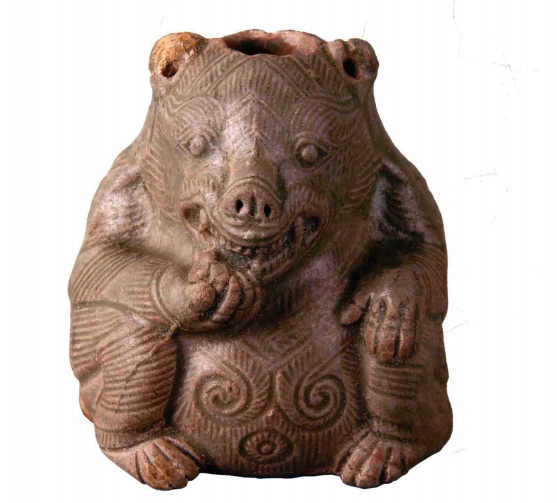 Western Jin, Yue ware celadon bear-shaped vessel
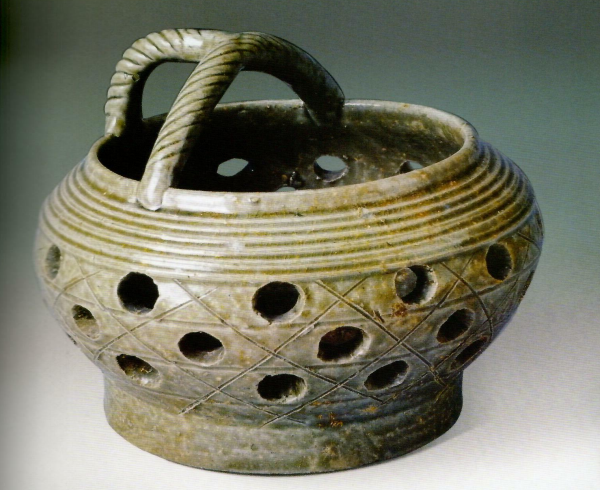
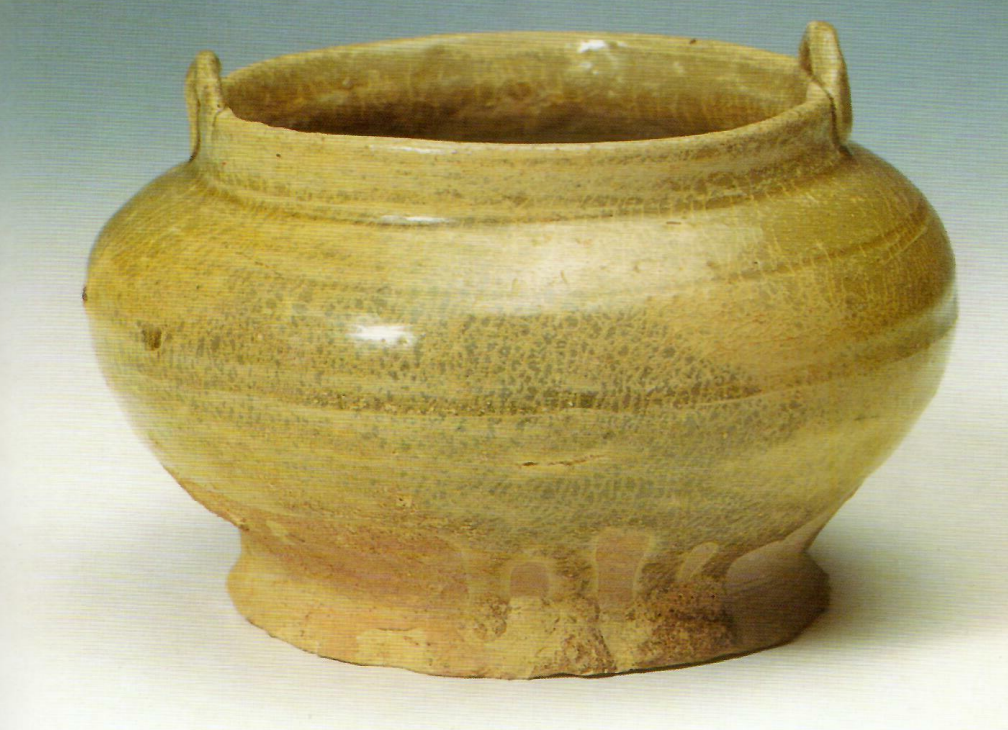
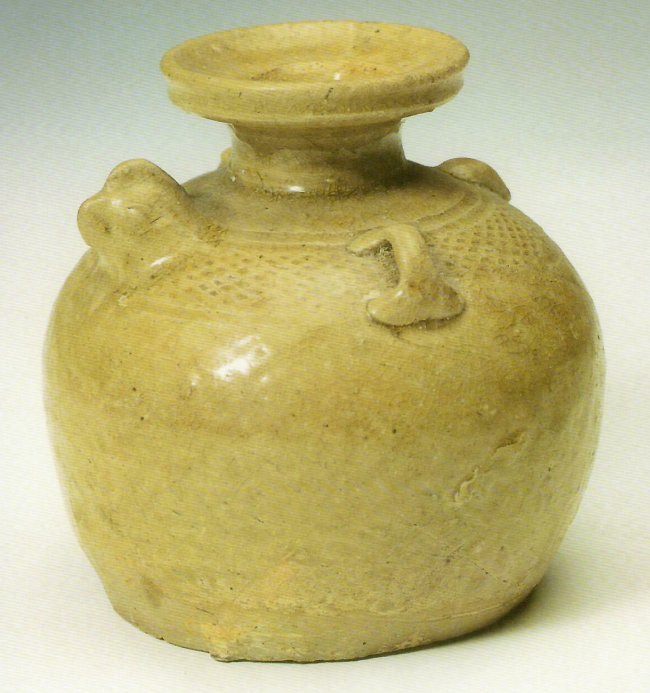
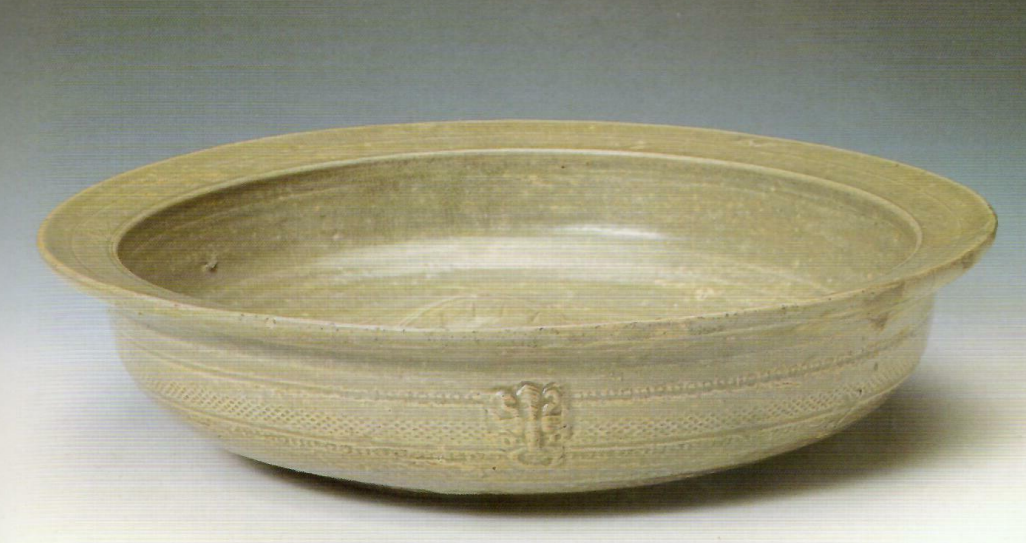
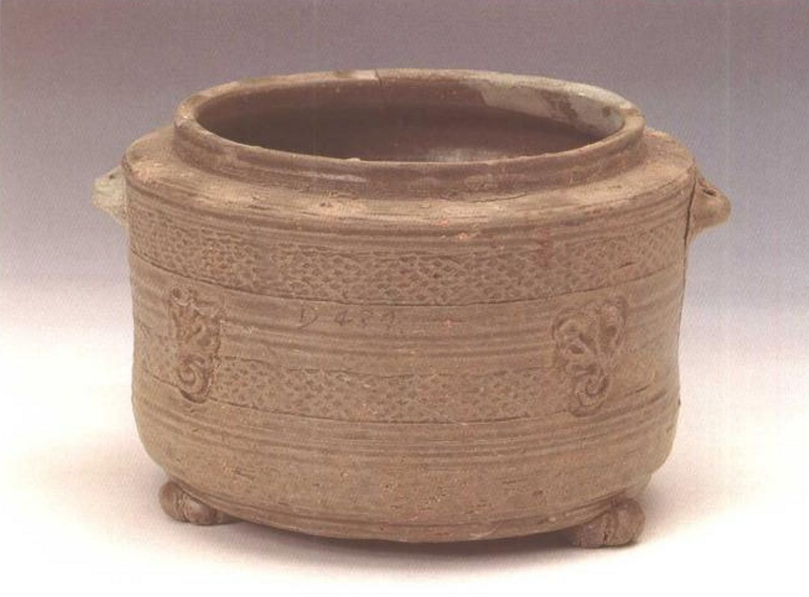
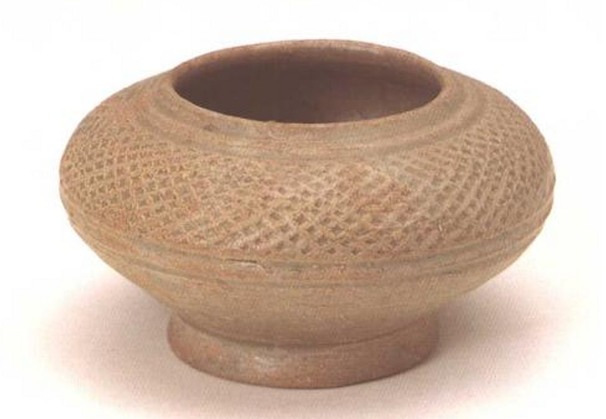
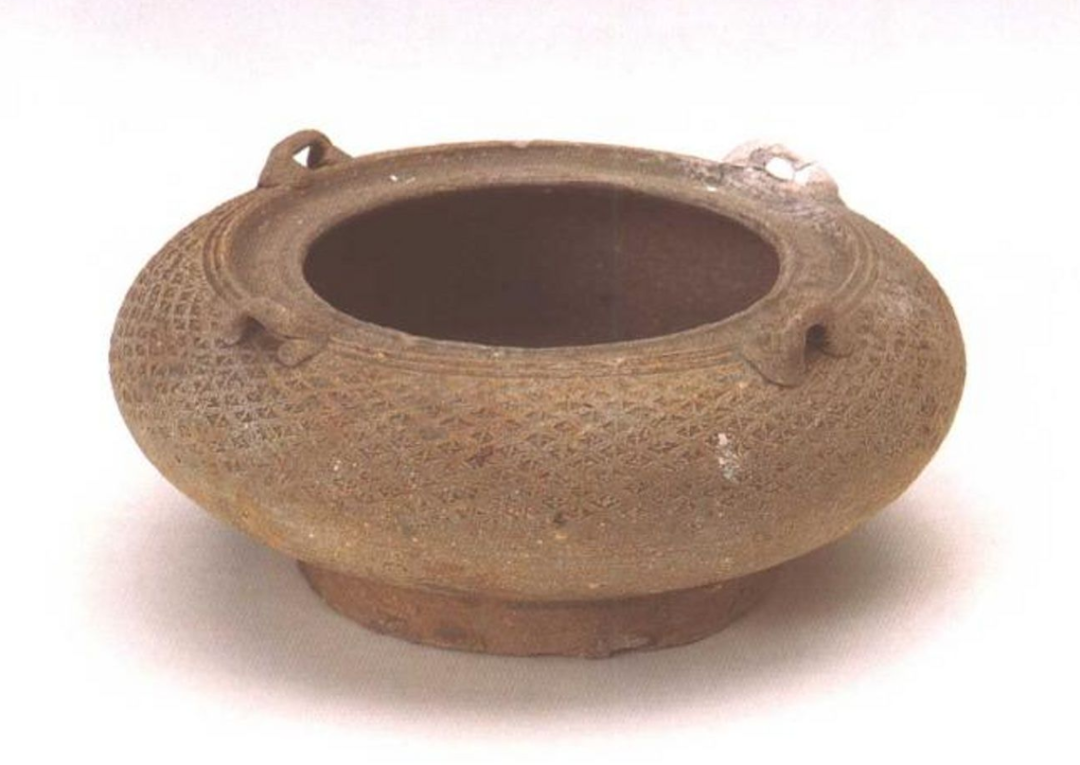
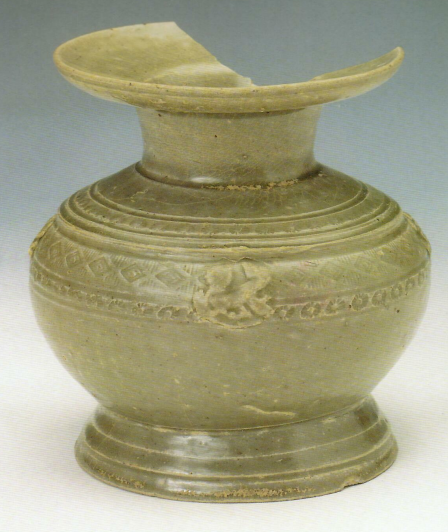
Western Jin, celadon censer with loop handle
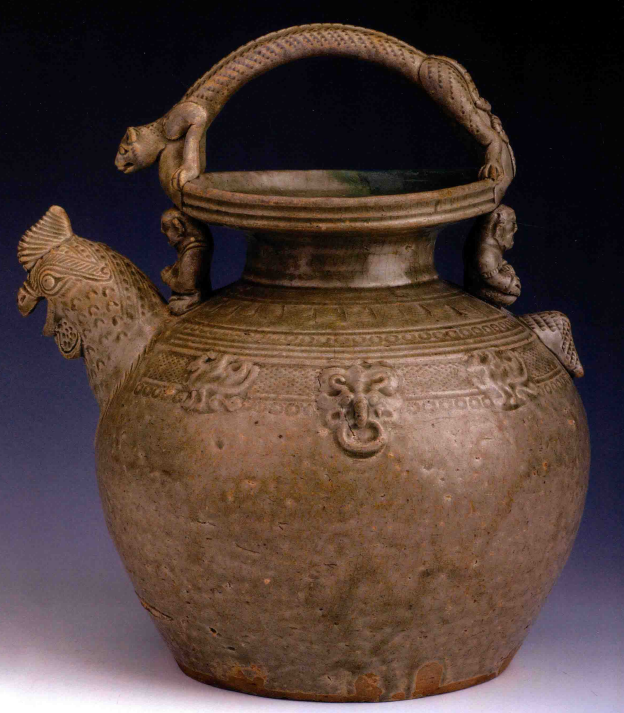
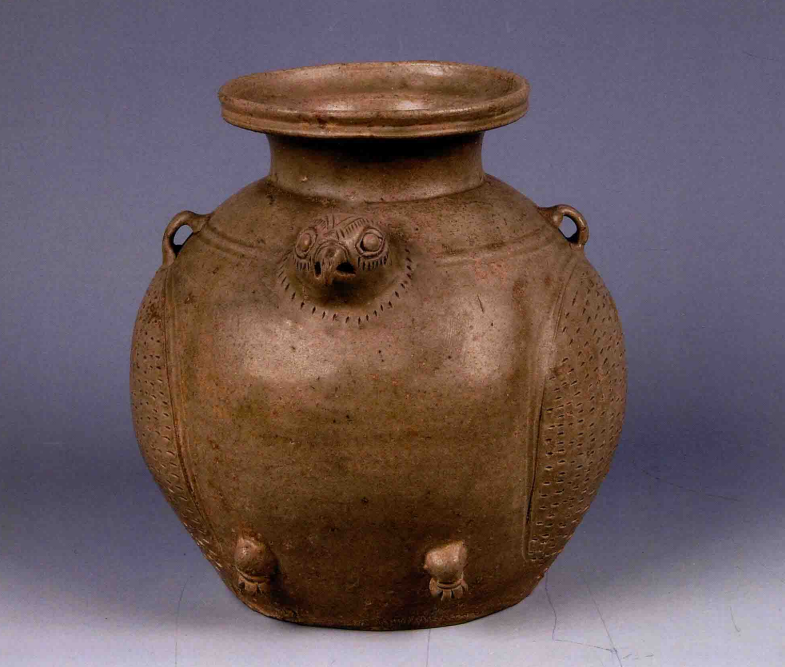
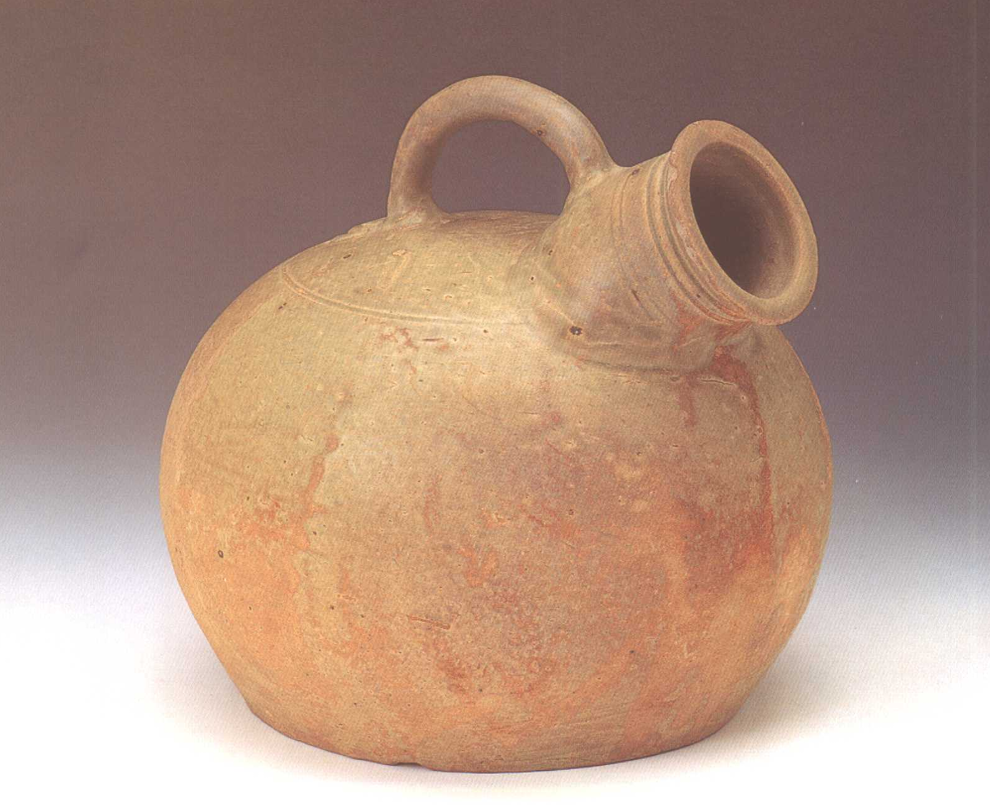
Western Jin, Yue ware celadon chicken-head ewer with loop handle
Collection of Yuyao Museum
Western Jin, Yue ware celadon bear-shaped vessel
Western Jin, celadon censer with loop handle
Western Jin, Yue ware celadon chicken-head ewer with loop handle
Collection of Yuyao Museum
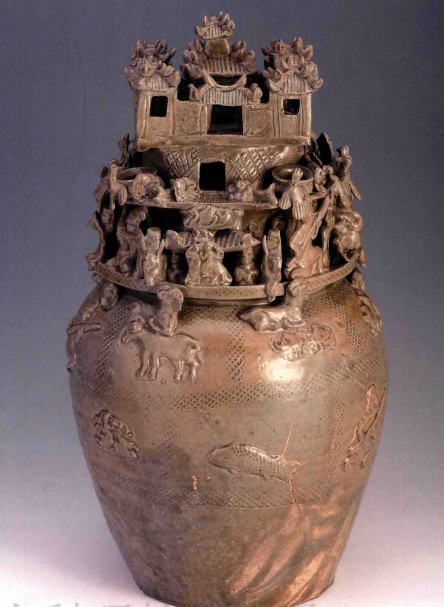
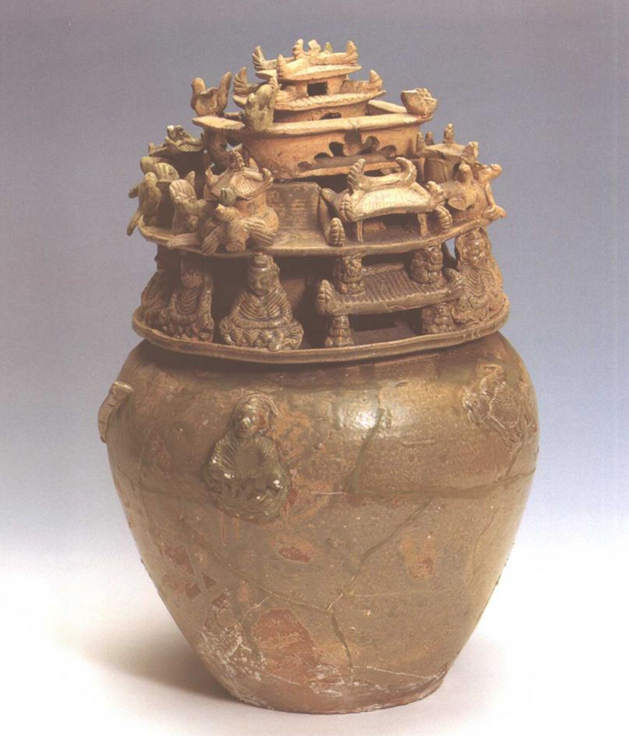
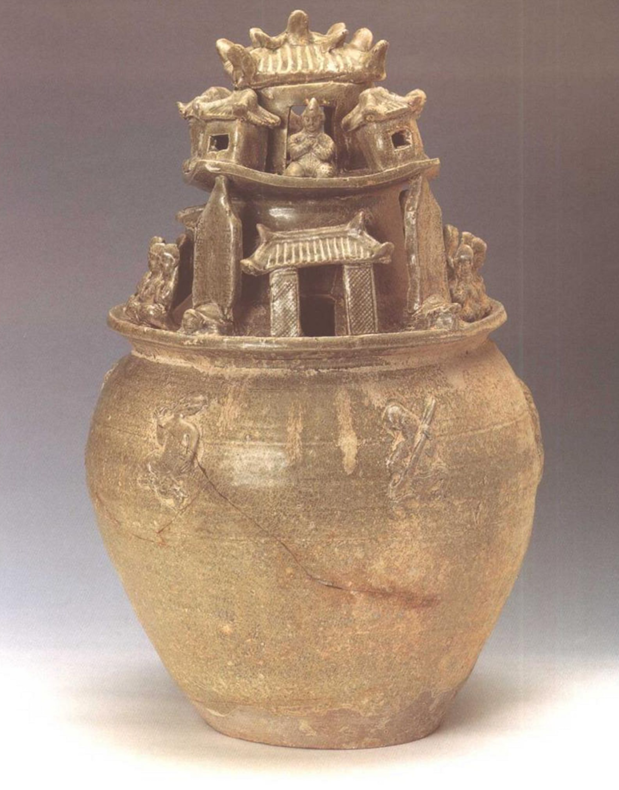
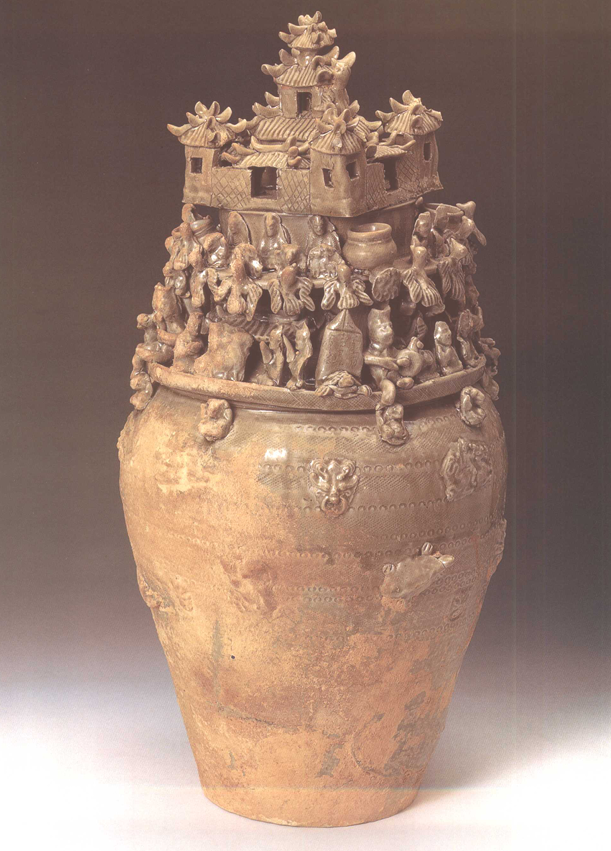
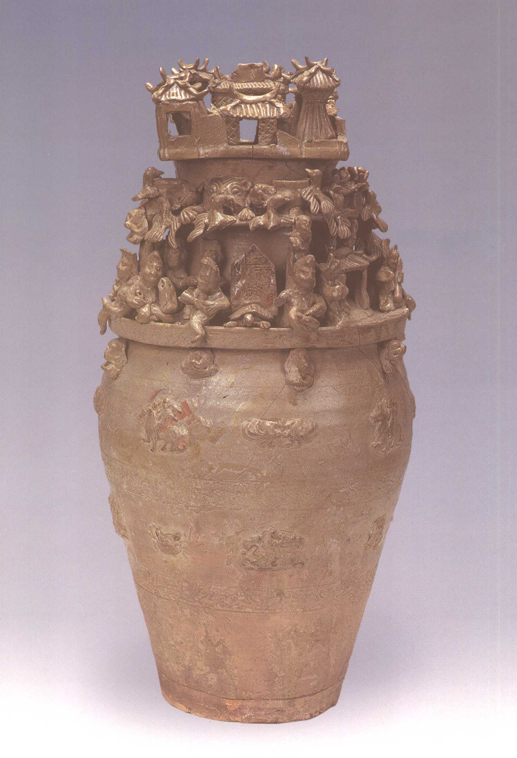
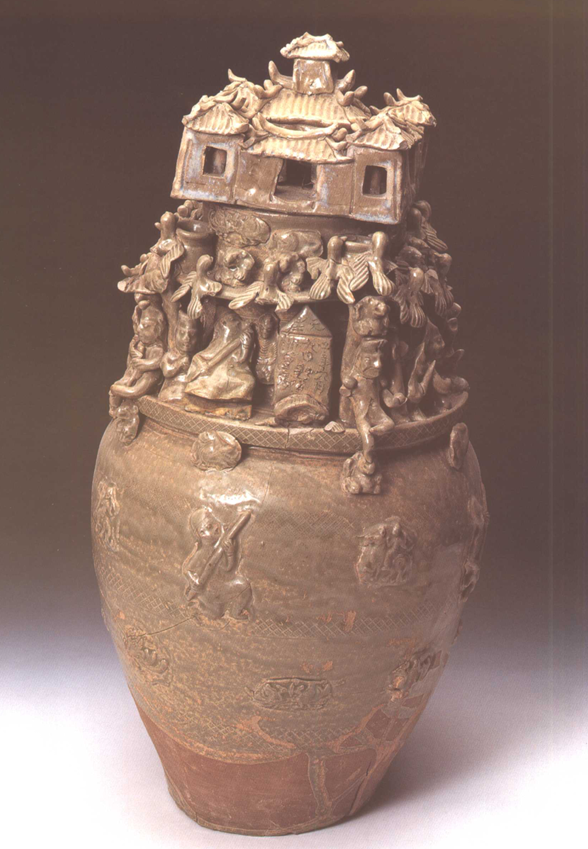
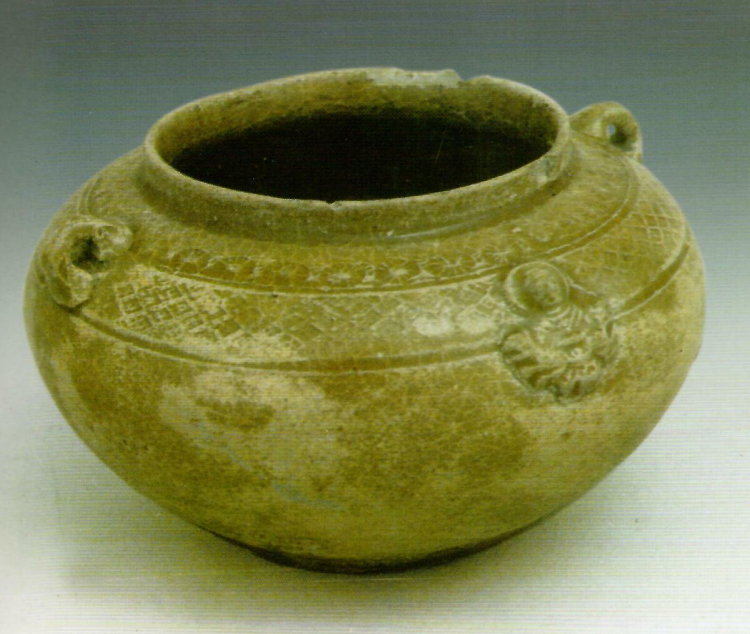
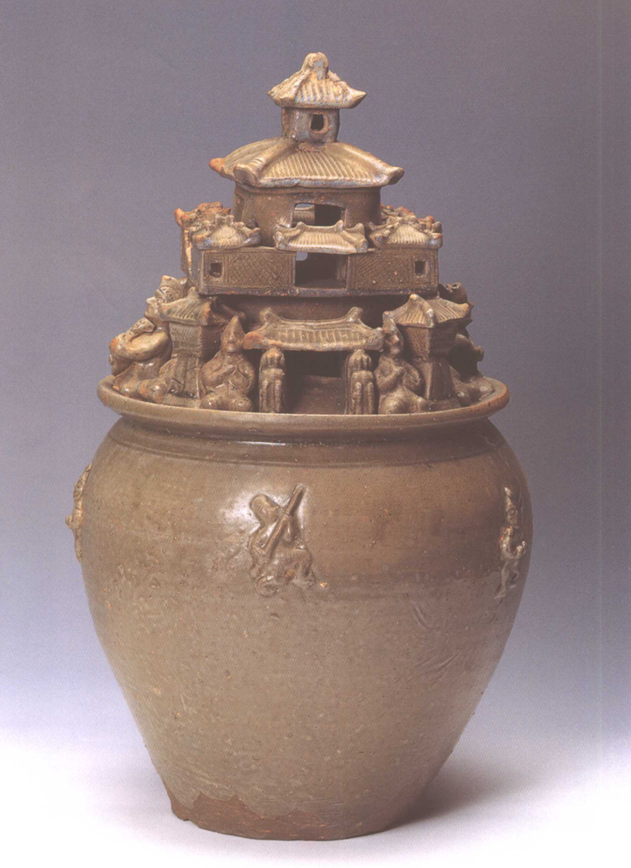
Decorative art took on a strong religious character, as early Buddhism and Daoist traditions intermingled. On stacked figurine jars, images of Buddhas, immortals, auspicious beasts, and gate towers often appear together, creating intricate and mysterious ornamentation. In terms of craftsmanship, decorative techniques evolved from simple string patterns and wave patterns to complex combinations of diagonal lattice patterns and beaded band motifs, with the widespread use of molded appliqué techniques to meet the demands of large-scale production, ultimately forming the Yue ware system with its complete stylistic framework and far-reaching influence.
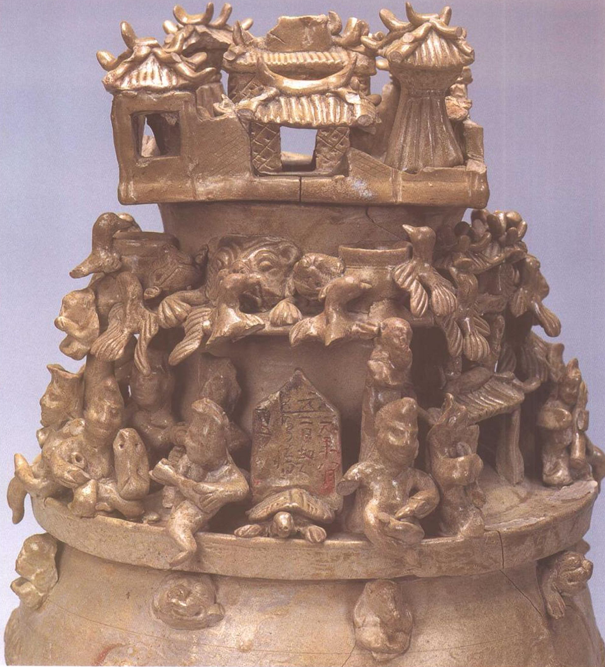
Western Jin, Yue ware celadon jar with stacked human figurines
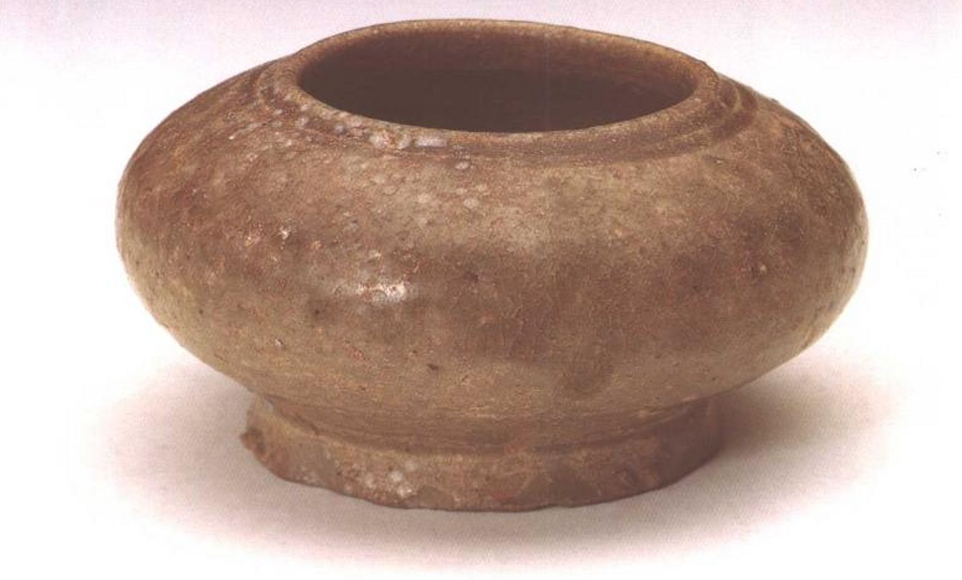
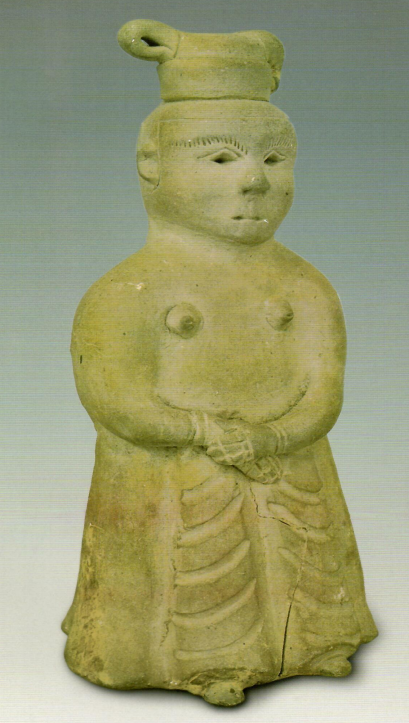
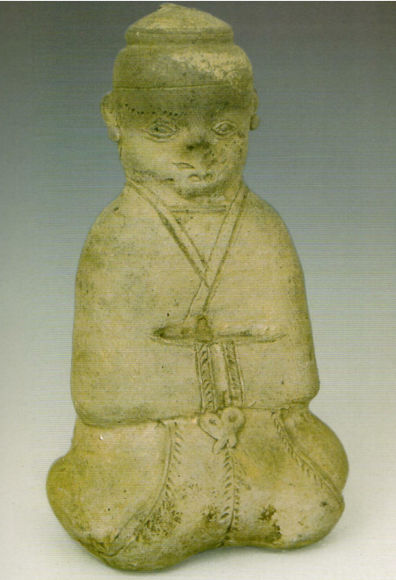
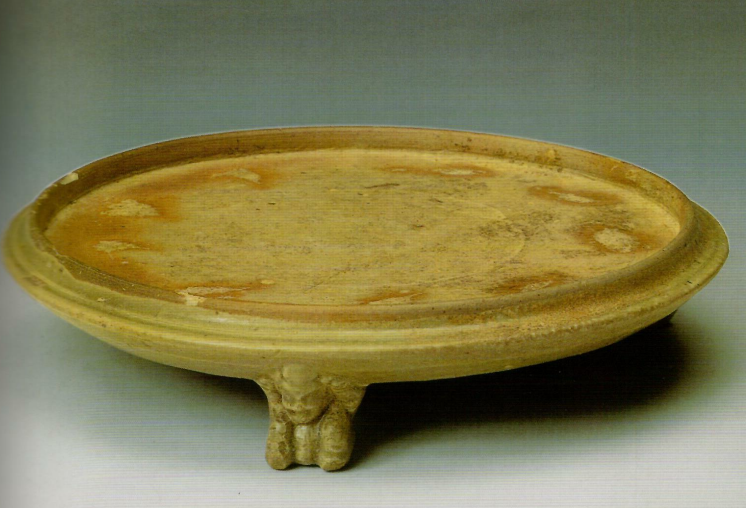
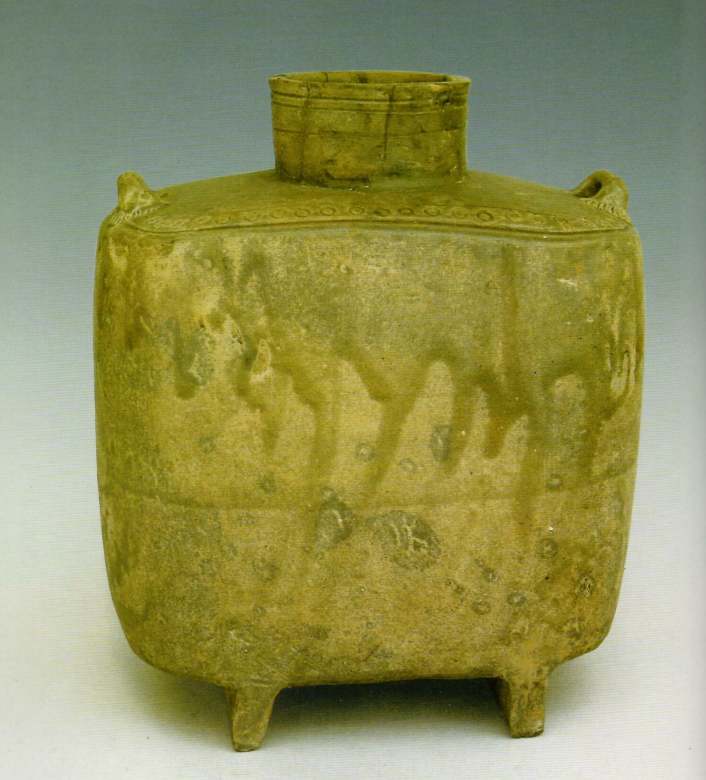
Western Jin porcelain vessel forms covered virtually every aspect of daily life. For food and storage, common types included bowls, small cups, dishes, ear cups, jars, basins, bowls, flat flasks, gui vessels, and ying jars, all characterized by stable and practical forms. Daily utensils such as washbasins, incense burners, candlesticks, chamber pots, spittoons, trays, and zun vessels combined functionality with aesthetics. Scholar's implements such as water droppers and inkstones were exquisitely designed, reflecting the needs of cultural life. The variety of funerary objects increased substantially, with new additions such as tomb-guarding beasts, male and female figurines, dog pens, sheep pens, cattle sheds, and chicken coops that reflected the manorial economy, as well as models of production tools like mills, sieves, buckets, and brooms. Their scale also expanded, mirroring the prosperity of agriculture and animal husbandry in the Jiangnan region at the time.
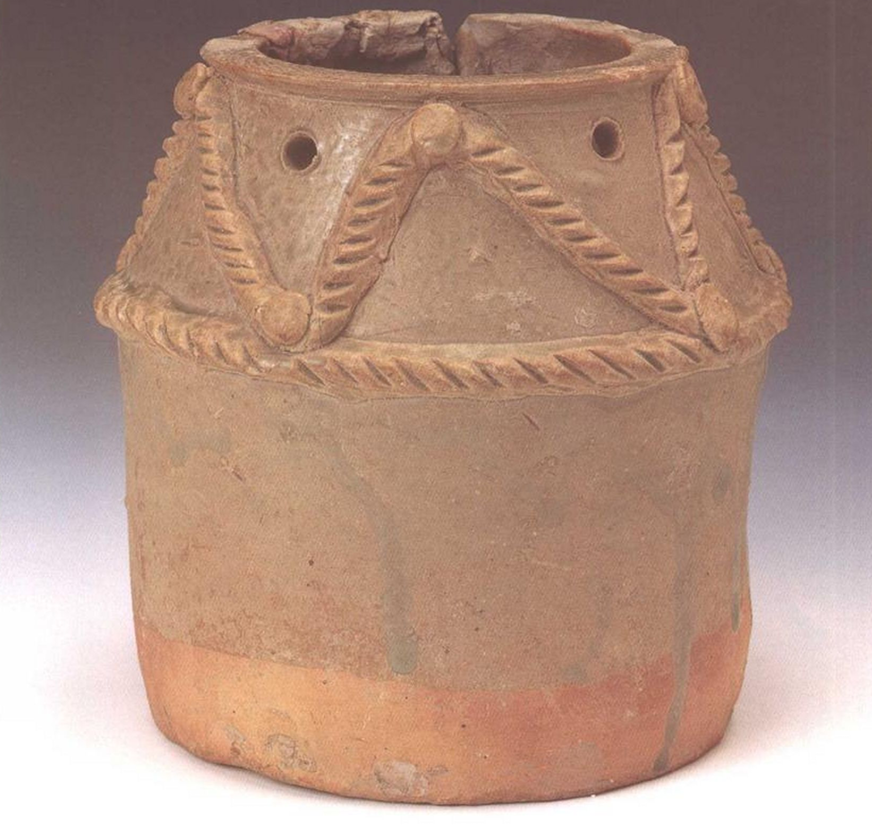
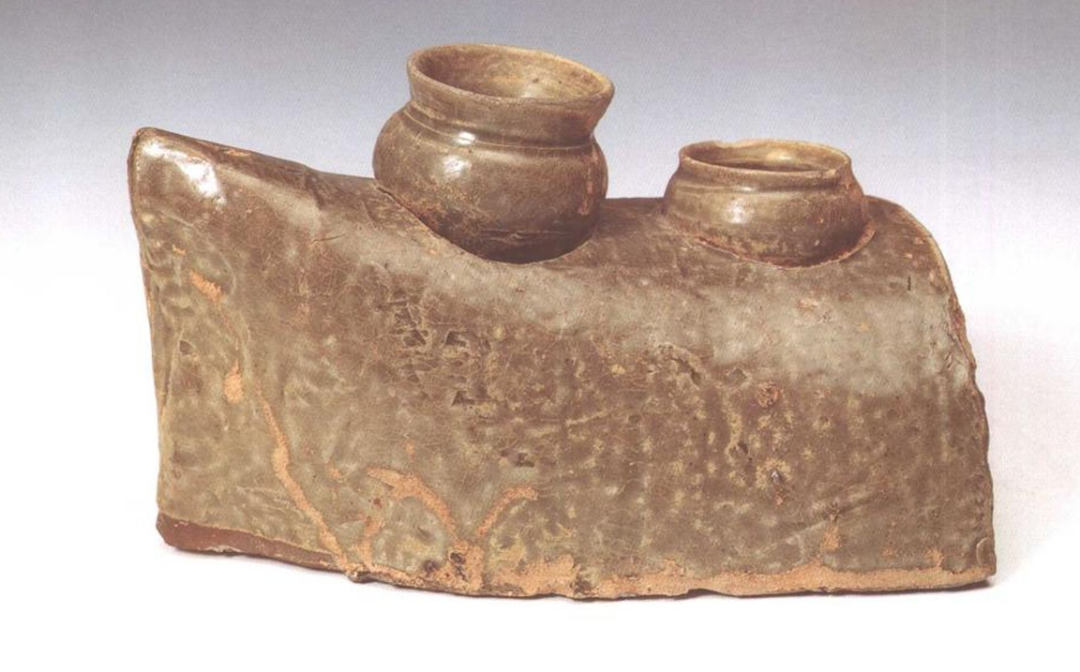
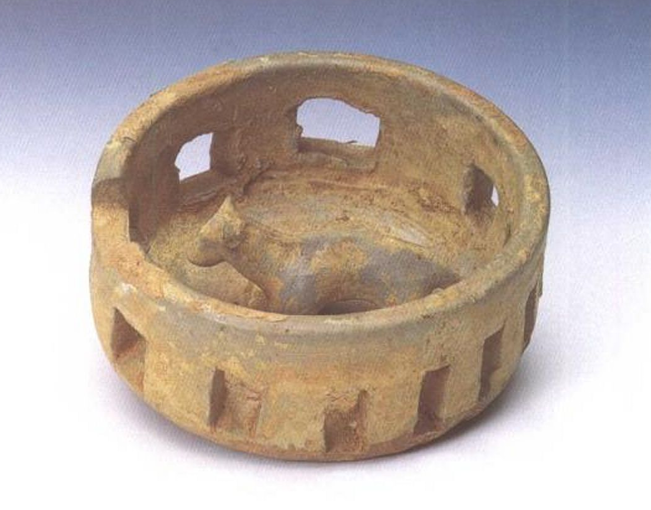
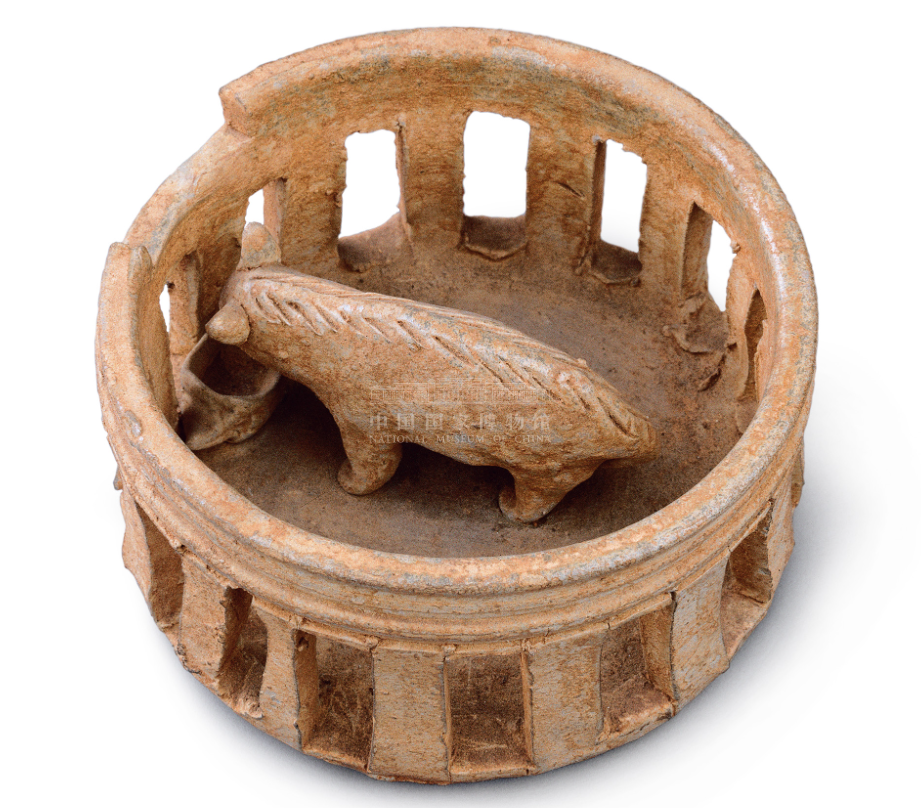 Jin dynasty, celadon pigsty
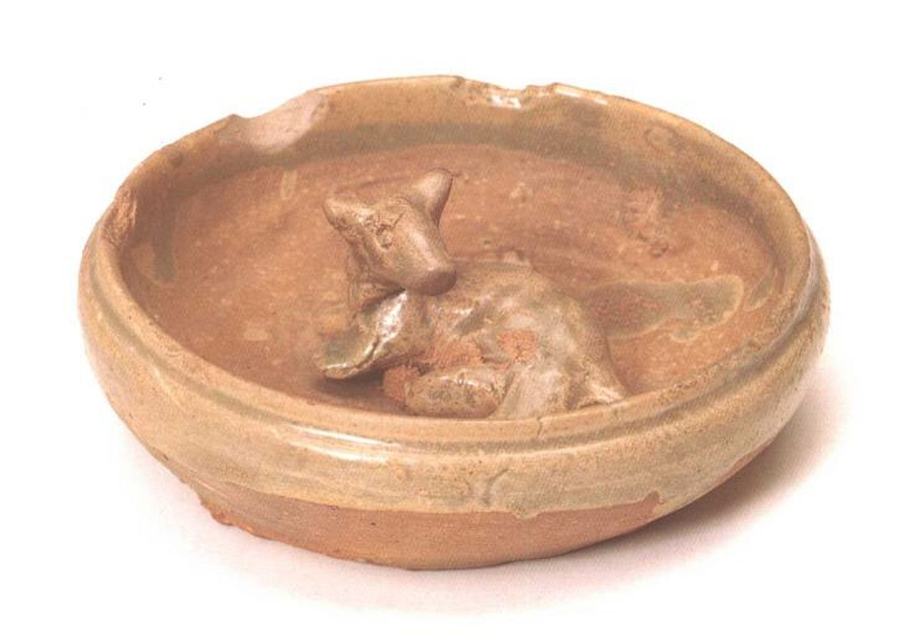
Eastern Jin, celadon sheep-shaped candlestick
Jin dynasty, celadon pigsty
Eastern Jin, celadon sheep-shaped candlestick
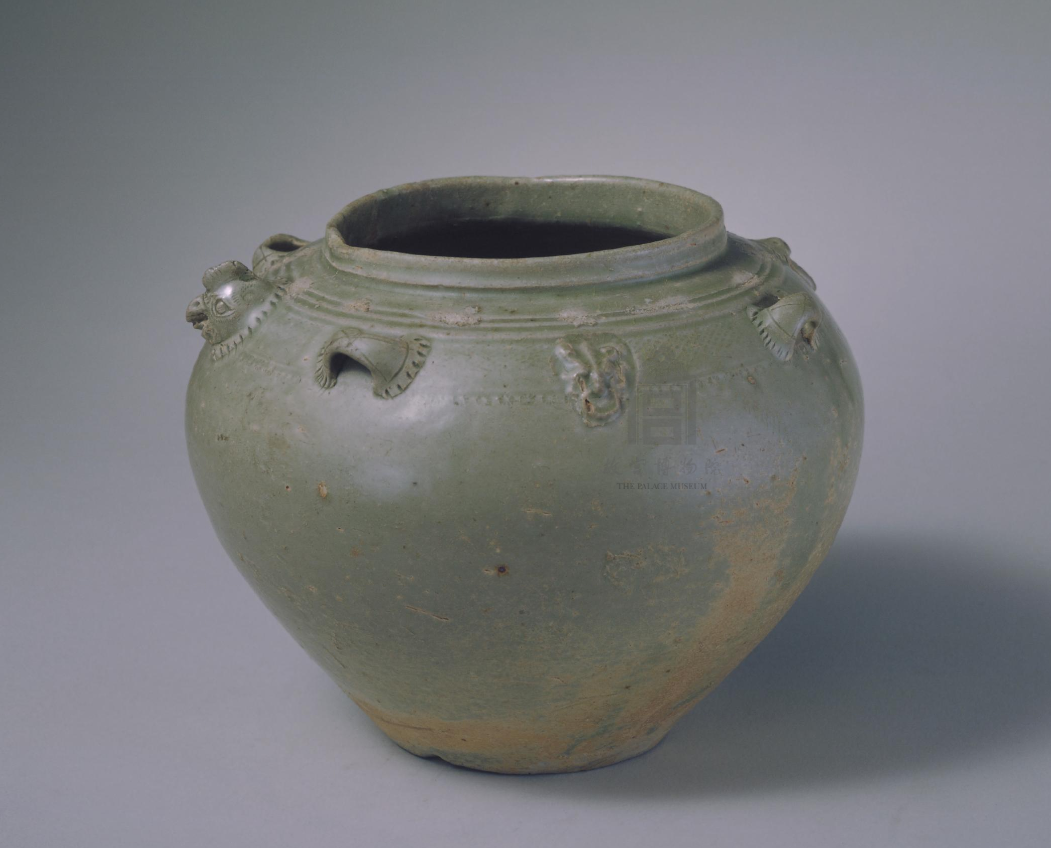
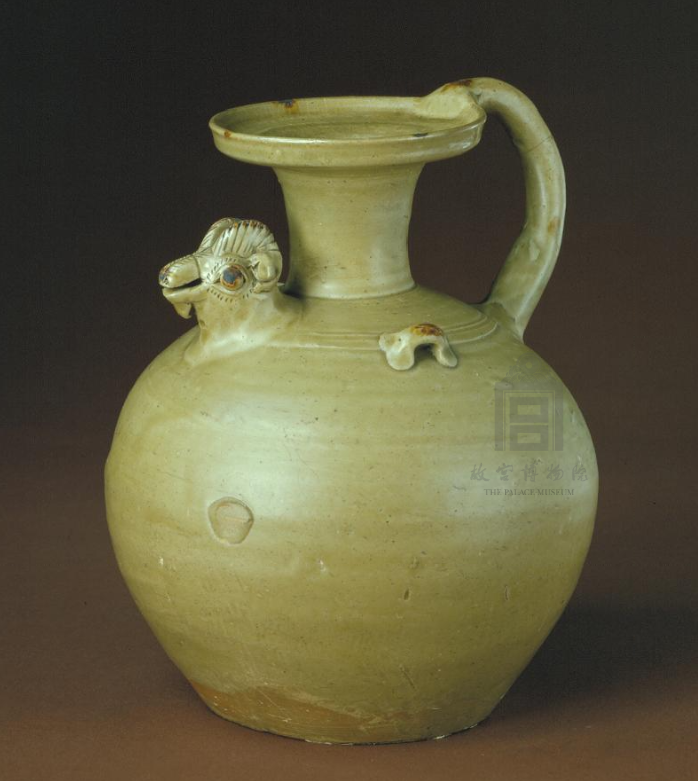
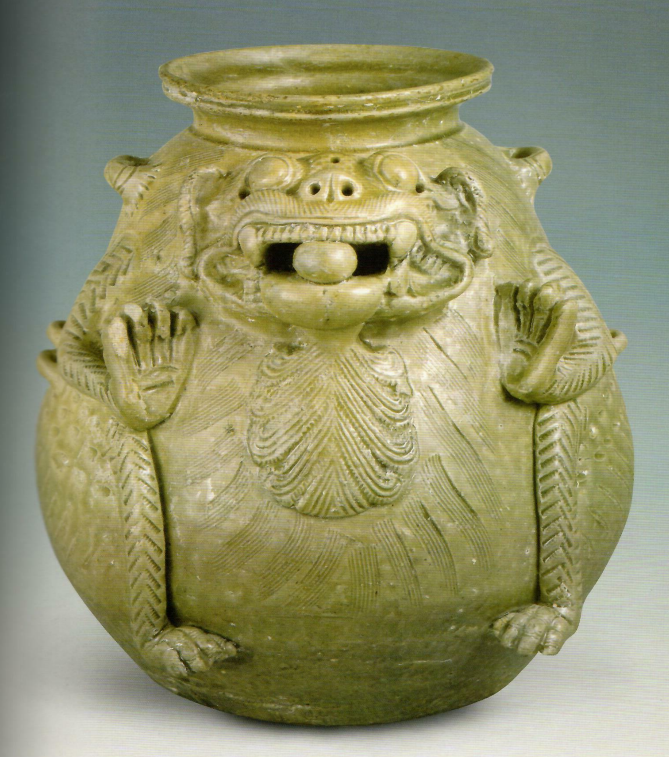
The most distinctive feature of Western Jin porcelain is the extensive use of animal imagery, a tradition that can be traced back to the Hemudu culture period, and which Western Jin artisans elevated to new artistic heights through their superb craftsmanship. The treatment of animal forms can be divided into three types: the first is the "figurative type," which, while maintaining the overall integrity of the vessel, applies molded animal forms in prominent positions—such as the eagle-headed jar with a dish-shaped mouth, adorned with an eagle's head and wings on the shoulder and belly, or the fierce-beast vessel with a ferocious mythical animal molded on the belly wall—featuring simple yet imaginative forms;
Western Jin celadon chicken-head ewer
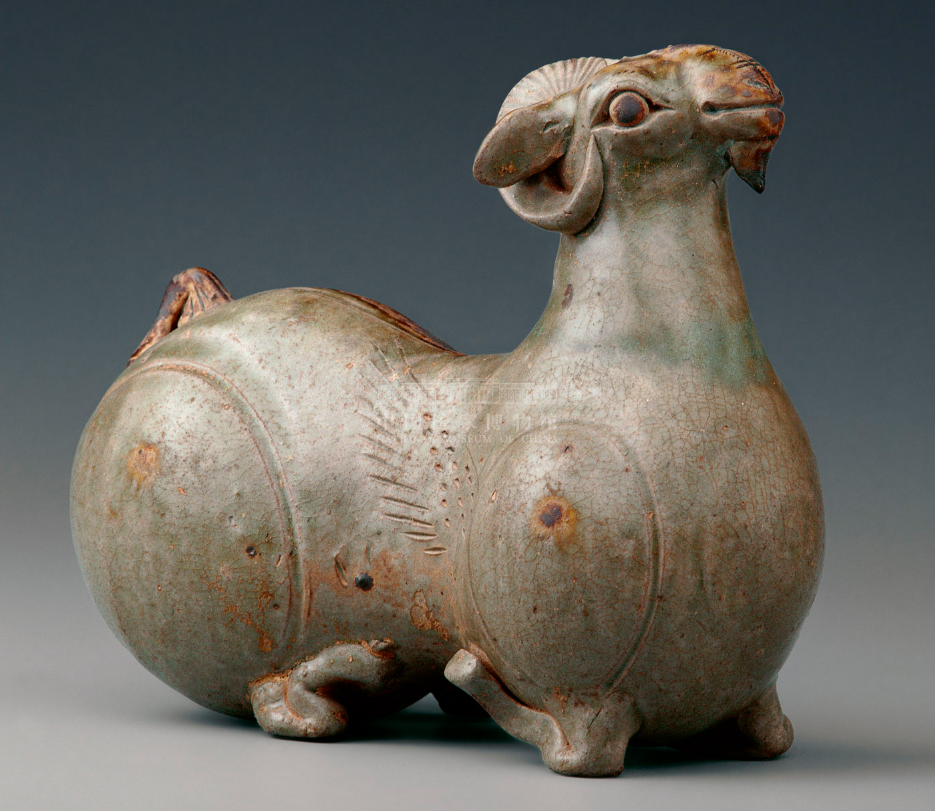
Western Jin celadon sheep-head ewer with brown spots
The Palace Museum
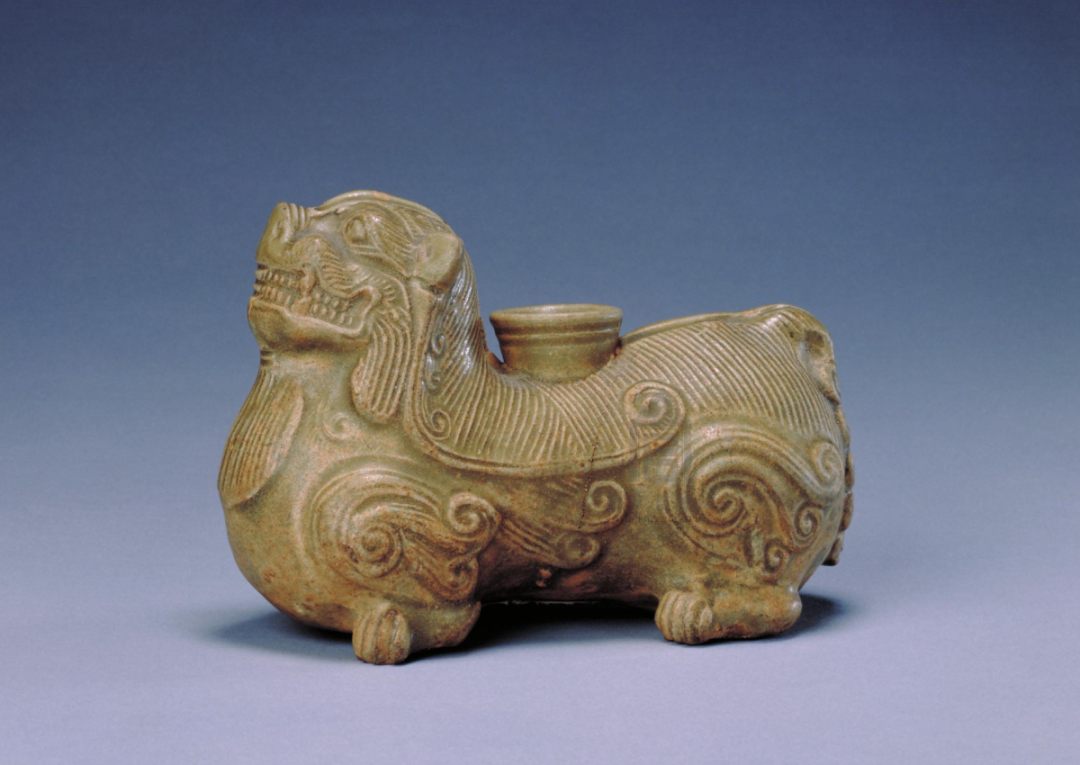
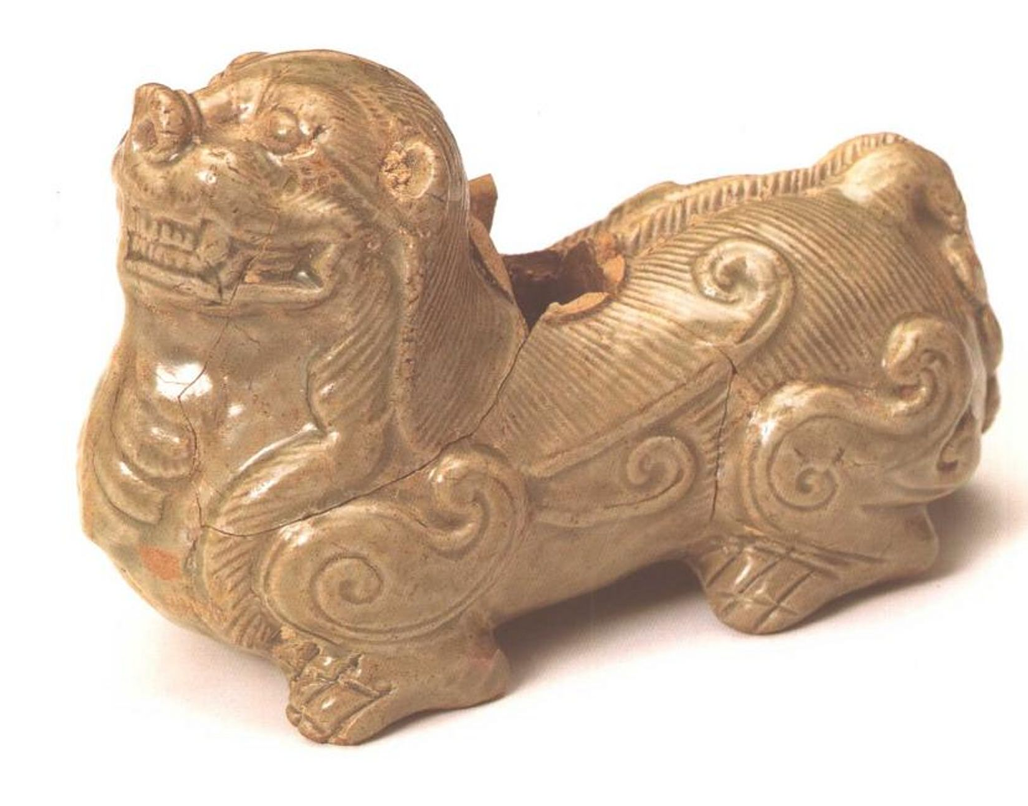
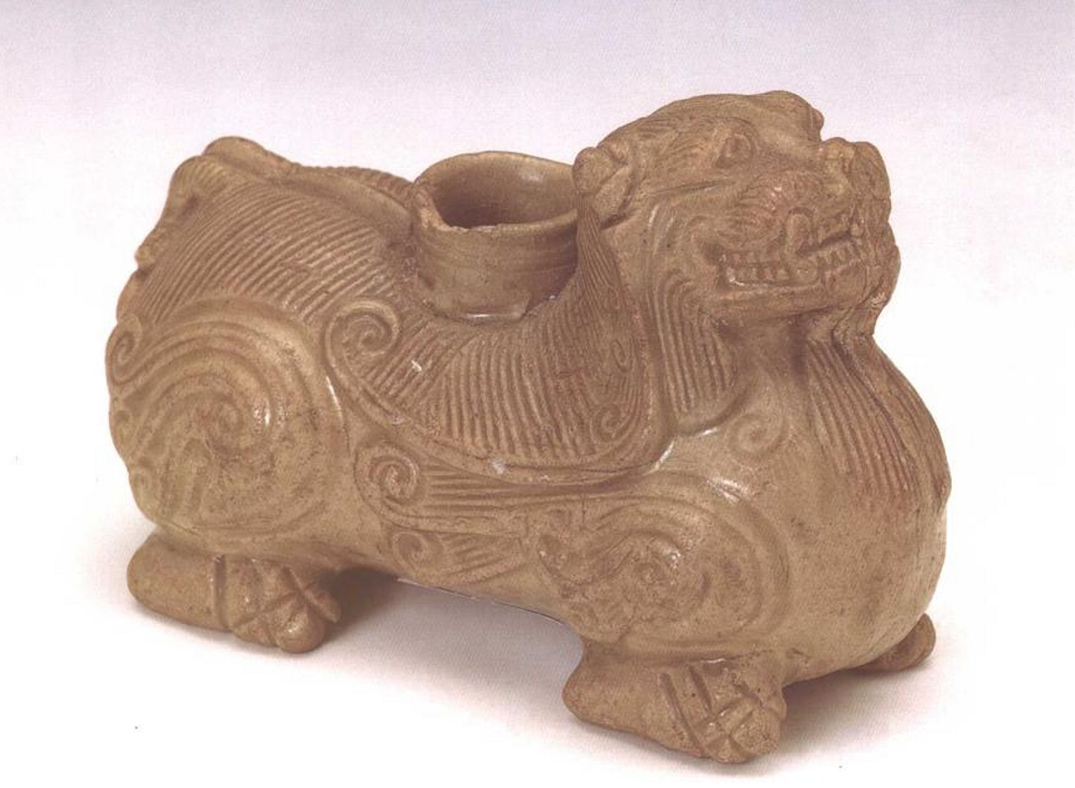
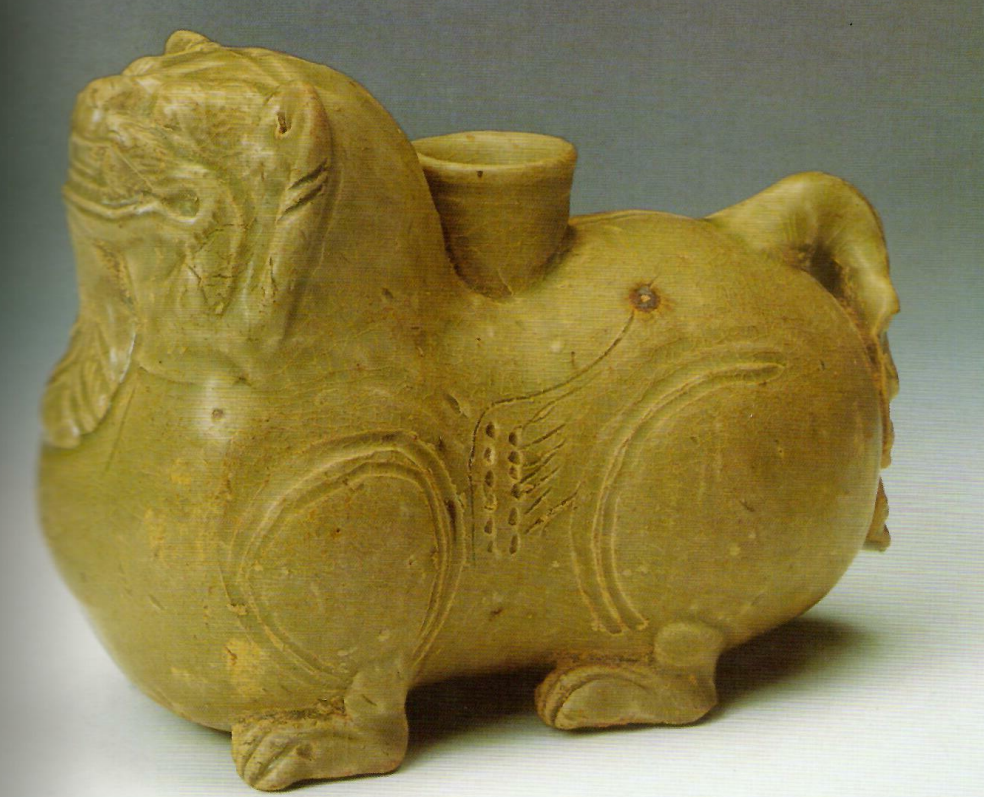
The second is the "zoomorphic type," where the entire vessel is shaped into a complete animal form, such as a bear-shaped candle holder sitting upright and holding food, a kneeling and gentle sheep-shaped candle holder, a lion-shaped candle holder with raised head and glaring eyes, as well as various animal-shaped water droppers and tiger-shaped chamber pots—all lively and vivid in form, combining practicality with ornamental value;
Western Jin celadon lion-shaped holder
The Palace Museum
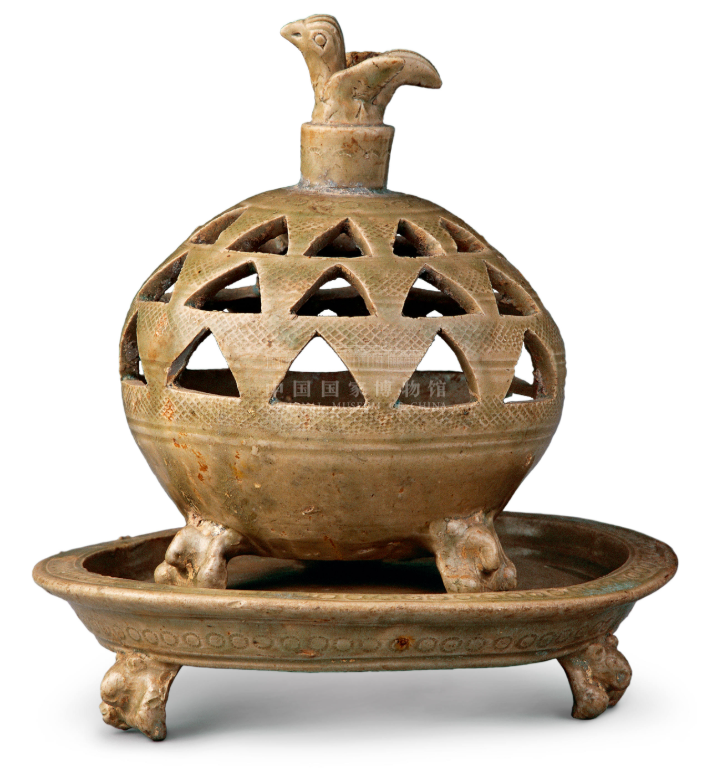
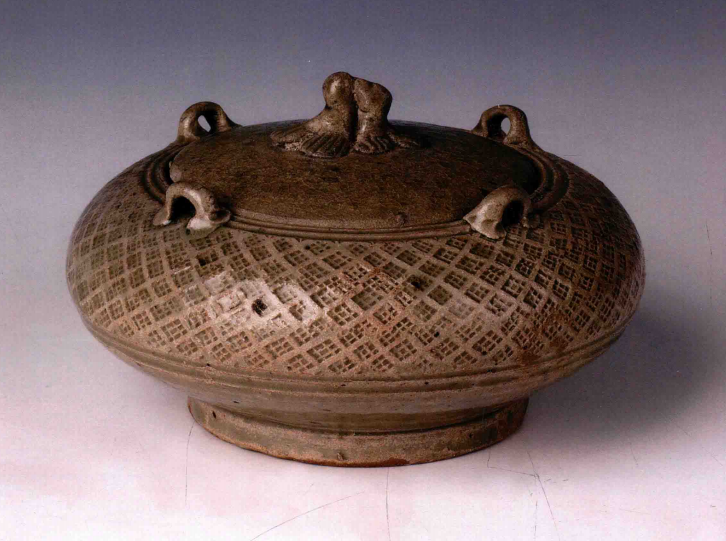
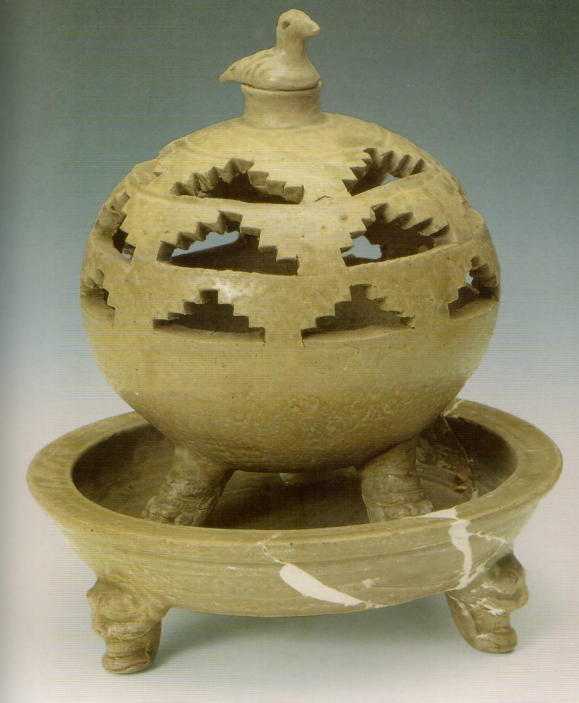
The third is the "decorative type," which features individual or combined animal motifs in local areas such as the lid knobs or shoulders of vessels—for example, the bird with spread wings atop an incense burner, fledgling birds playfully touching beaks on a covered bowl, or molded chicken heads or tiger heads on jar shoulders. Though small in size, these decorations often serve as the finishing touch that brings the piece to life.
Western Jin celadon incense burner
National Museum of China
Western Jin celadon covered bowl with lattice pattern and bird-shaped knob
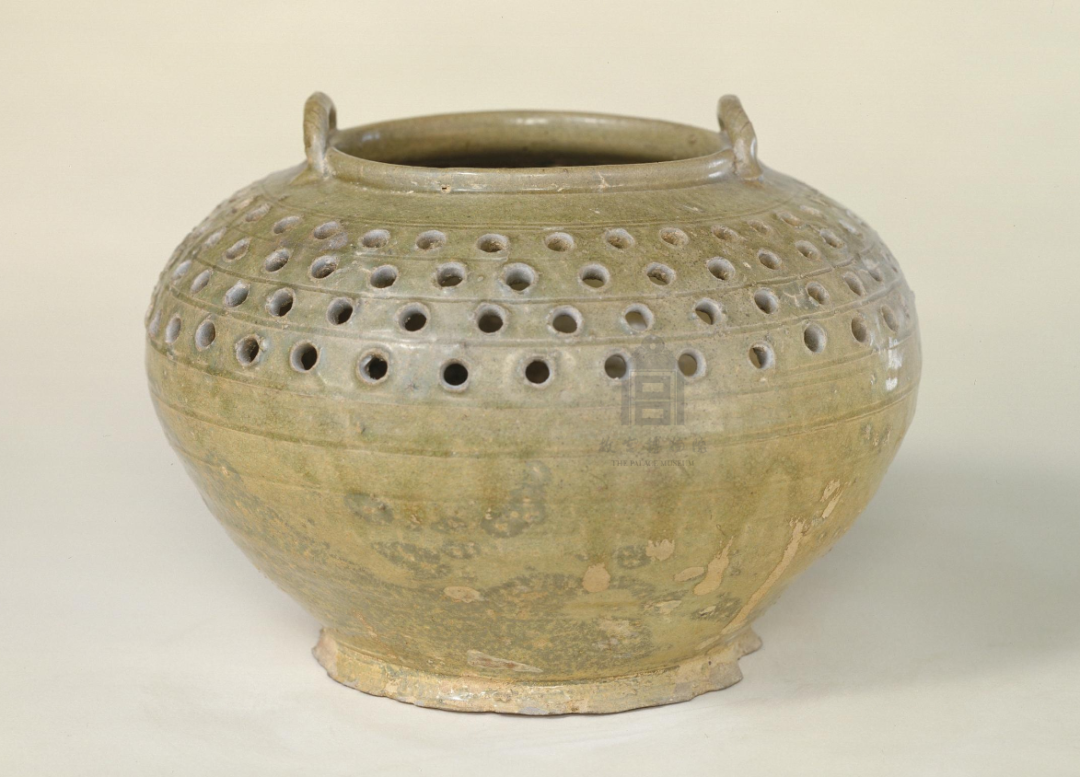
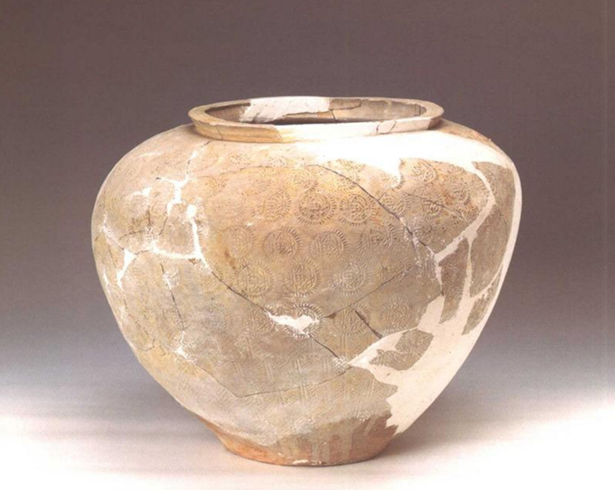
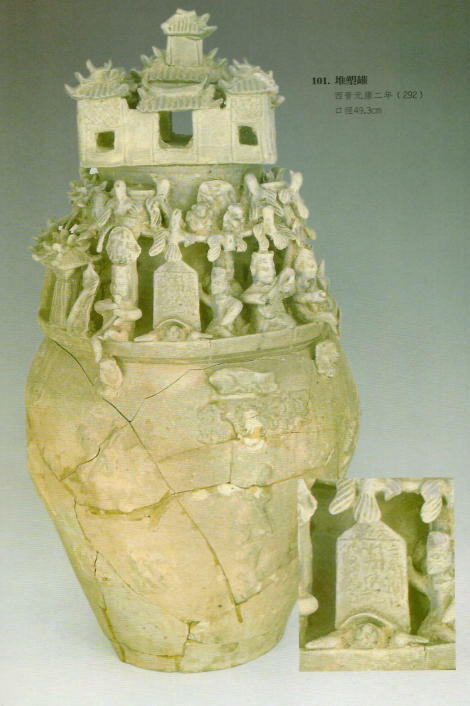
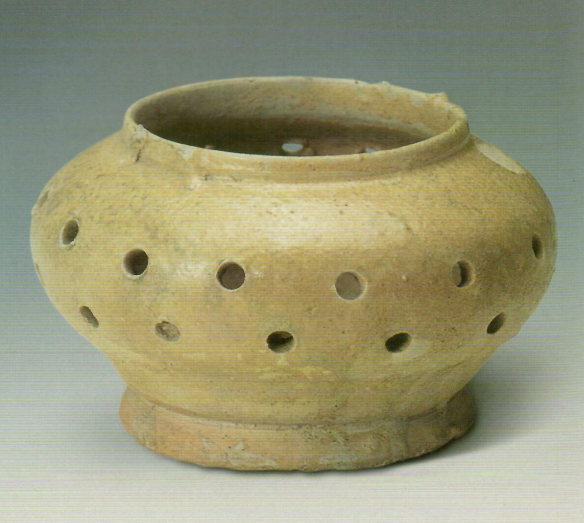
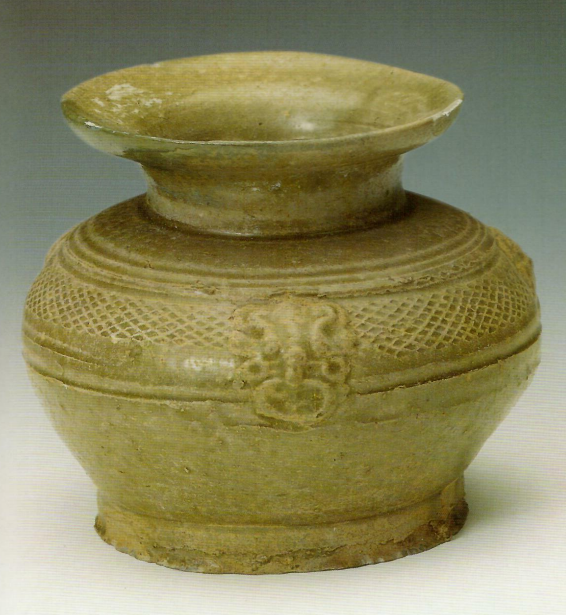
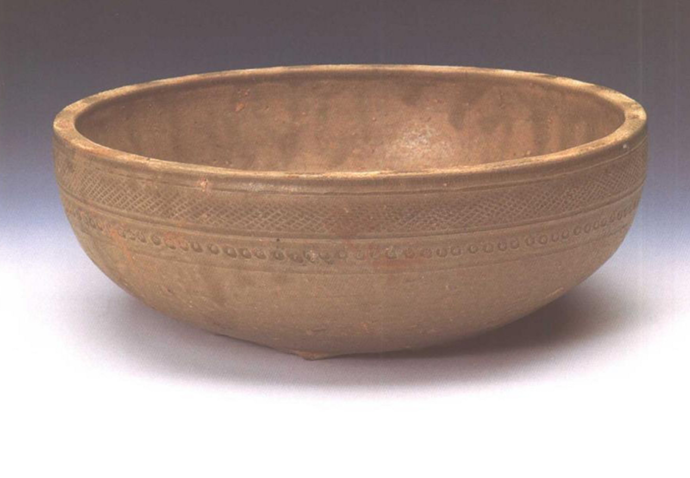
In terms of decorative techniques, Western Jin porcelain favored applied molding, appliqué, and stamped impressions. Common decorative motifs include bands of diagonal lattice patterns, string lines, and linked pearl motifs, widely used on bowls, dishes, basins, and jars. Animal bands featuring alternating dragons, phoenixes, and tigers, sometimes joined into continuous patterns, are also found, often interspersed with stamped Buddhist figures or animal-mask rings. On pots and jars, the lugs are frequently carved with geometric patterns, cedar-leaf, banana-leaf, or feather motifs, while the shoulders are often adorned with chicken, sheep, tiger, ox, or eagle figures. The sculptural funerary jars (duisu guan) combine molding, sculpting, appliqué, and stamping to create complex scenes of gate towers, foreign figures, flying birds, and tortoise-base steles, with well-structured compositions that balance movement and stillness. Additionally, openwork techniques evolved from simple circular holes to more complex shapes such as triangles and leaf forms.
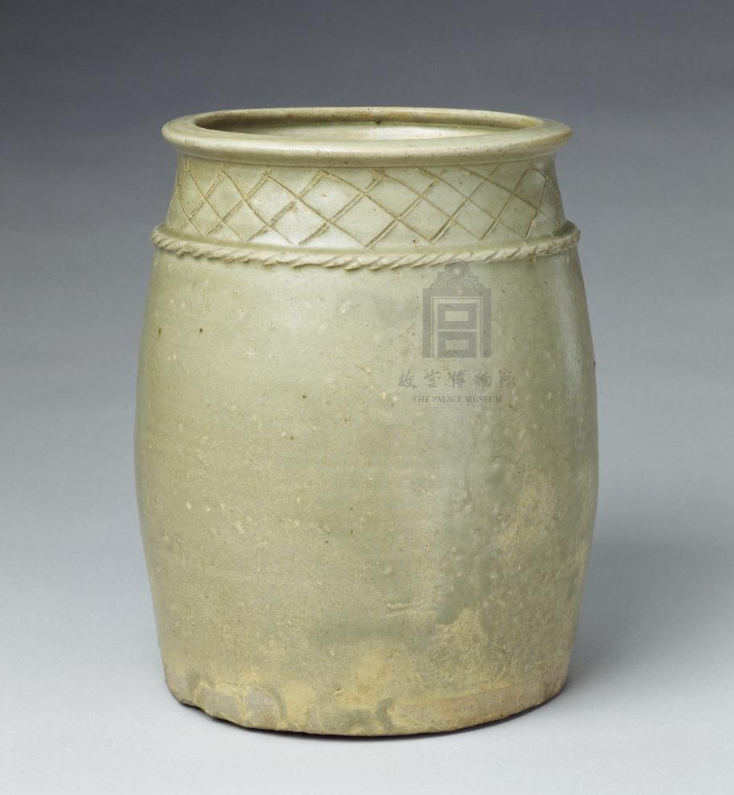
Western Jin celadon fish-basket-shaped zun vessel
The Palace Museum
Western Jin Dynasty Celadon Jar with Double Lugs and Openwork Decoration
The Palace Museum
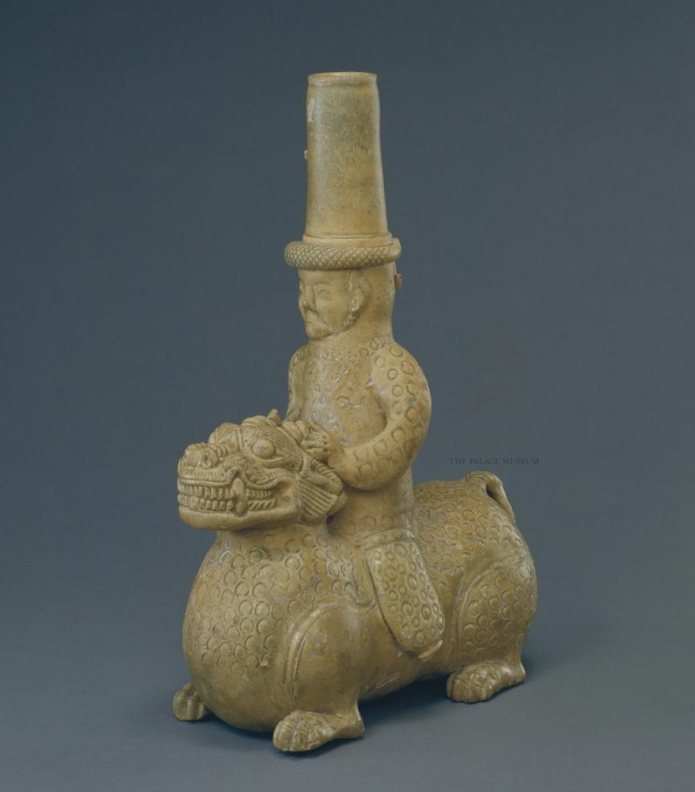
Western Jin Dynasty Celadon Figure of a Man Riding a Bixie with Stamped Circle Pattern
The Palace Museum
Based on the excavation of dated artifacts, the dated wares of the Western Jin Dynasty were predominantly produced by the Yue Kiln, while pieces from the Ou Kiln were relatively rare; additionally, the Deqing Kiln also produced ceramics during this period.
The following are dated ceramic wares from the Western Jin Dynasty————
277 AD, First Year of the Tianji Era
Southern Foot of Gouxiangjing Mountain, Nanxue Village, Haoba Township, Shangyu City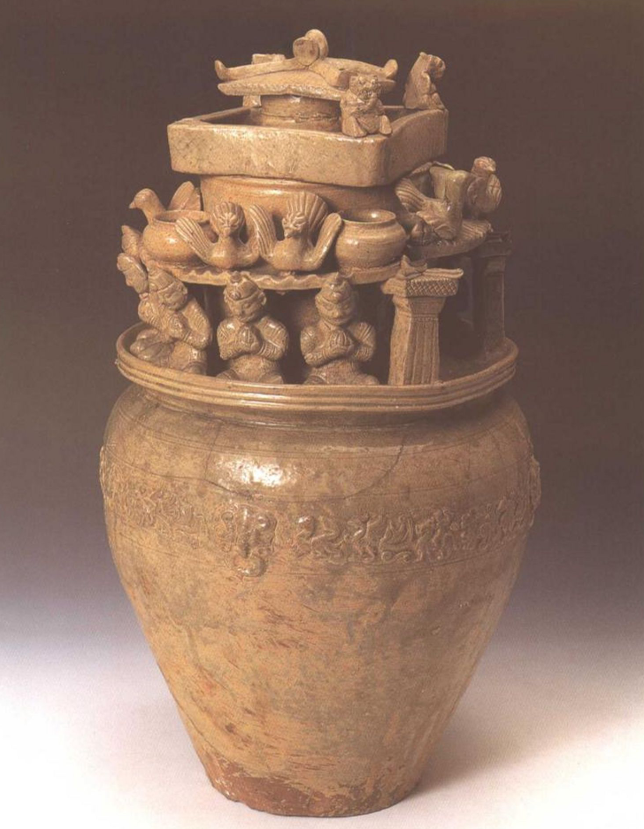 Yue Kiln Celadon Jar with Applied Figurines
Yue Kiln Celadon Gui Vessel
277 AD, Third Year of the Xianning Era
Gui Vessel with Applied Animal-Mask Handles
280 AD, First Year of the Taikang Era
Chunhua Township, Jiangning County, Jiangsu Province
Yue Kiln Celadon Jar with Applied Figurines
Yue Kiln Celadon Gui Vessel
277 AD, Third Year of the Xianning Era
Gui Vessel with Applied Animal-Mask Handles
280 AD, First Year of the Taikang Era
Chunhua Township, Jiangning County, Jiangsu Province 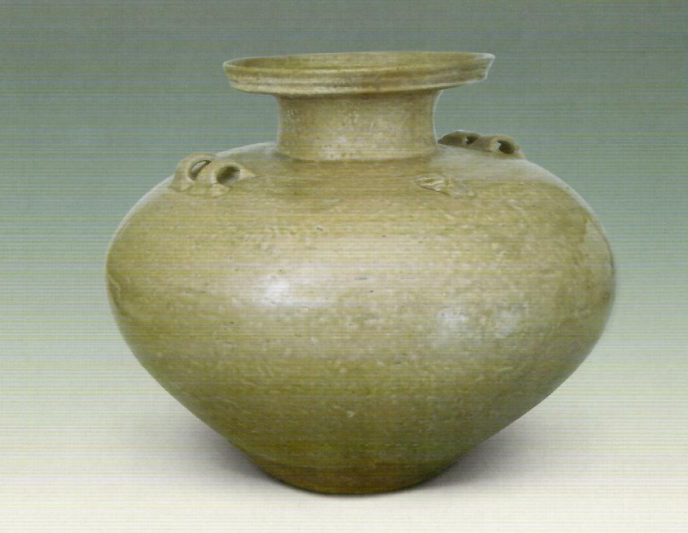
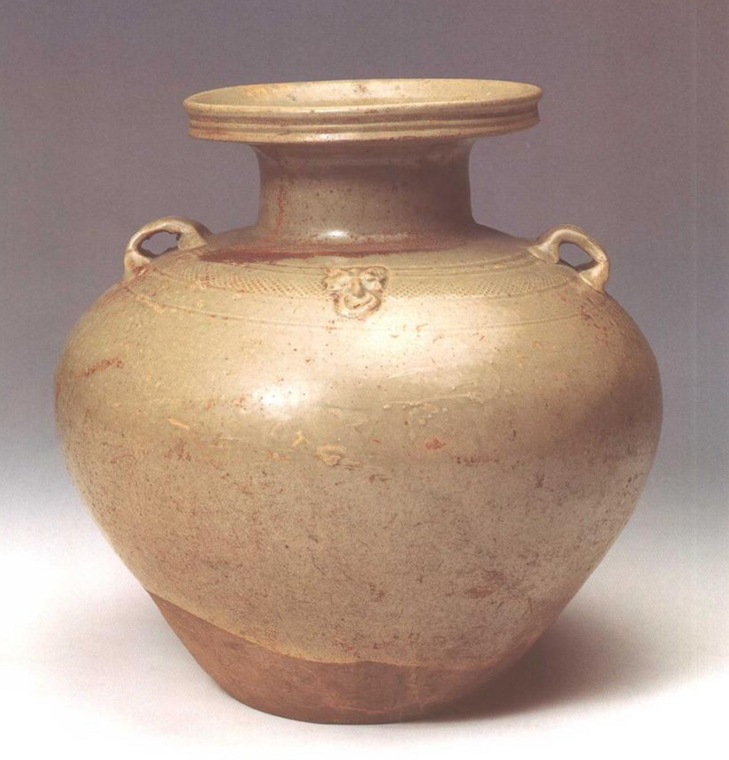
![]() Plate-Mouthed Hu Jar
Year 287 AD, the eighth year of the Taikang era
Jiuding Mountain, Liangnong Town, Yuyao, Zhejiang
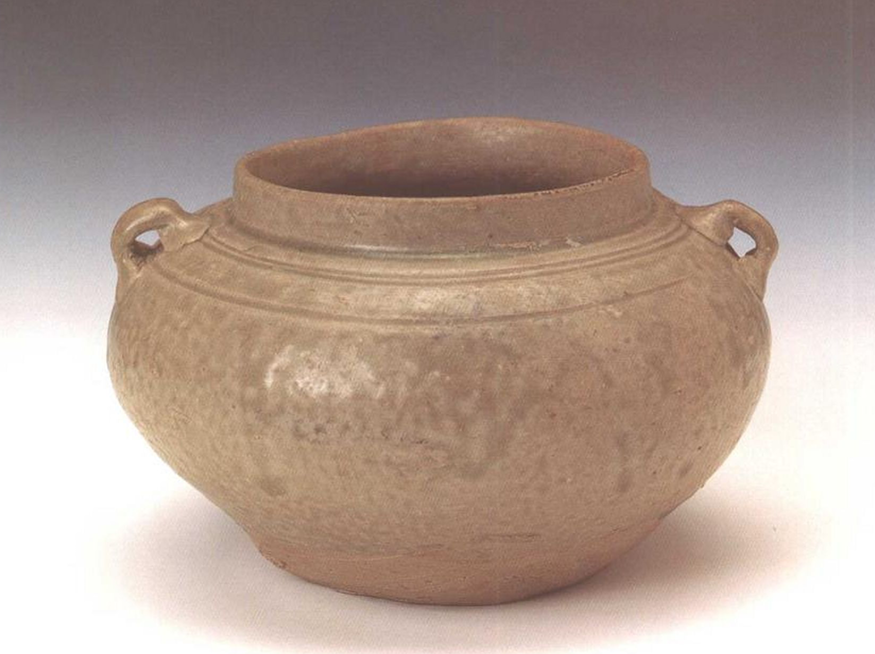
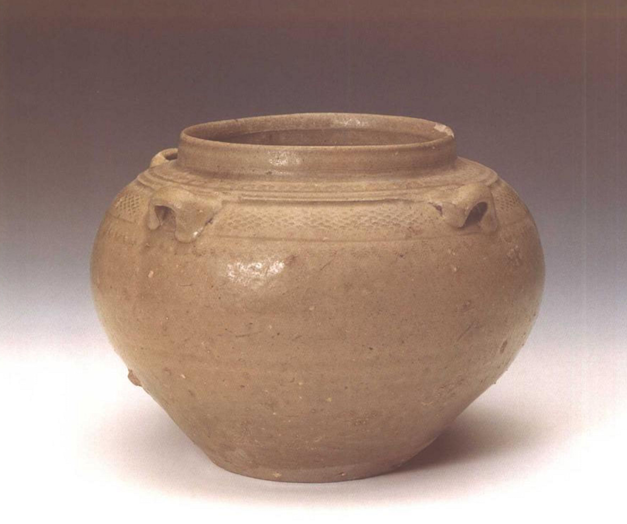
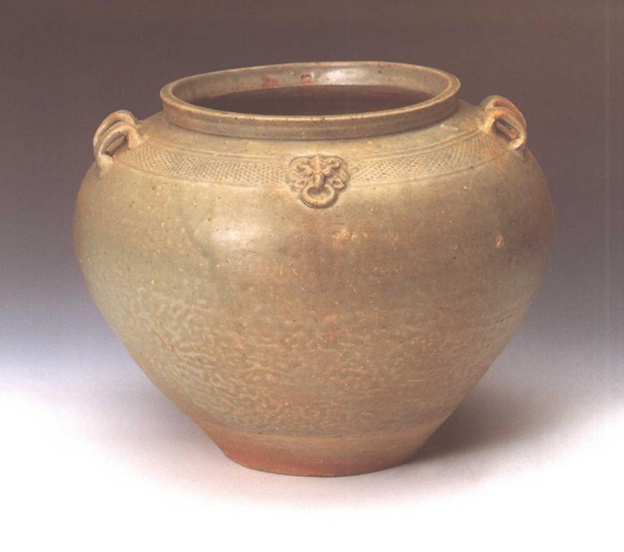
Yue ware celadon jar with double lugs
Yue ware celadon water dropper with four lugs
Yue ware celadon tripod censer
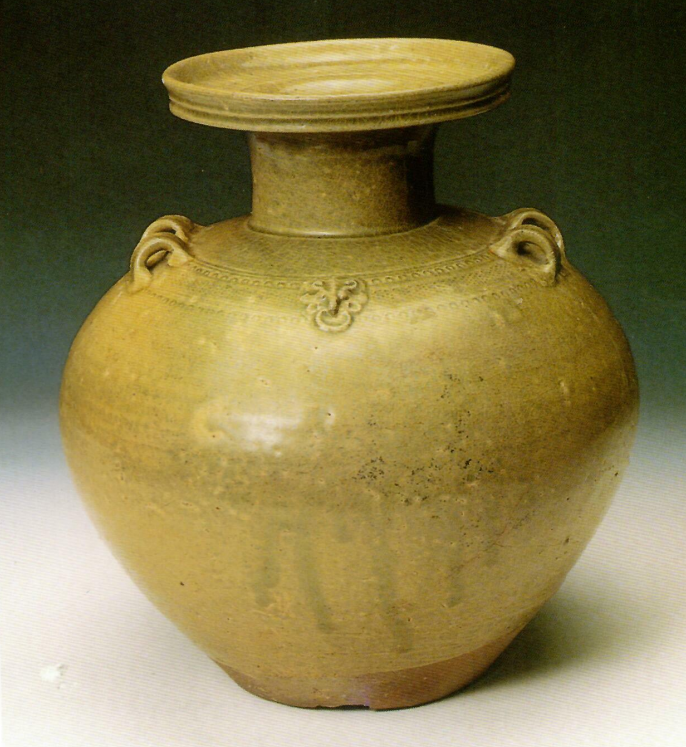
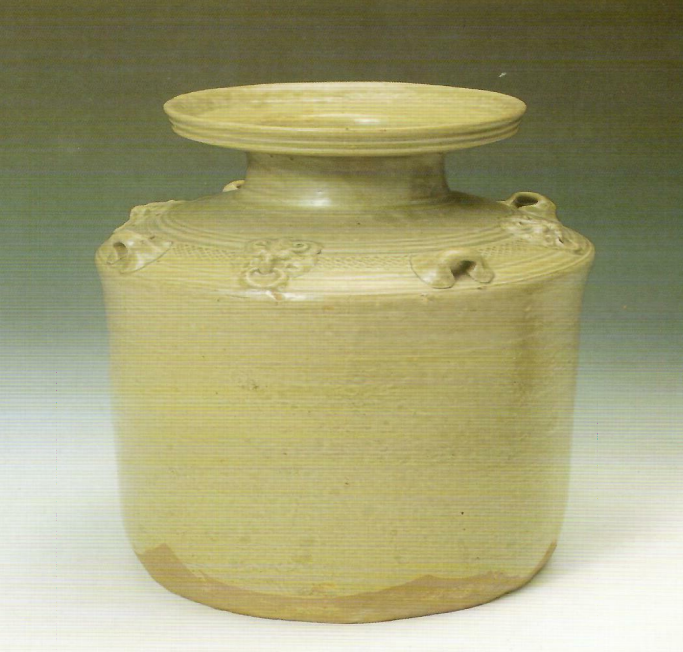
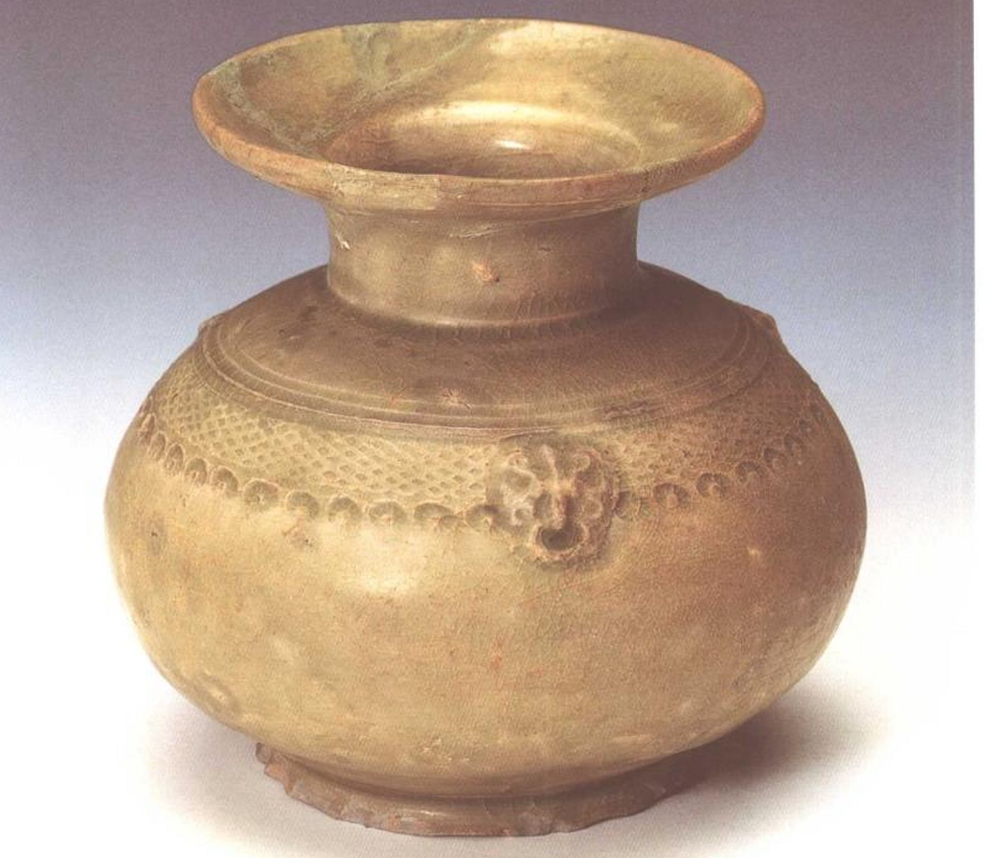
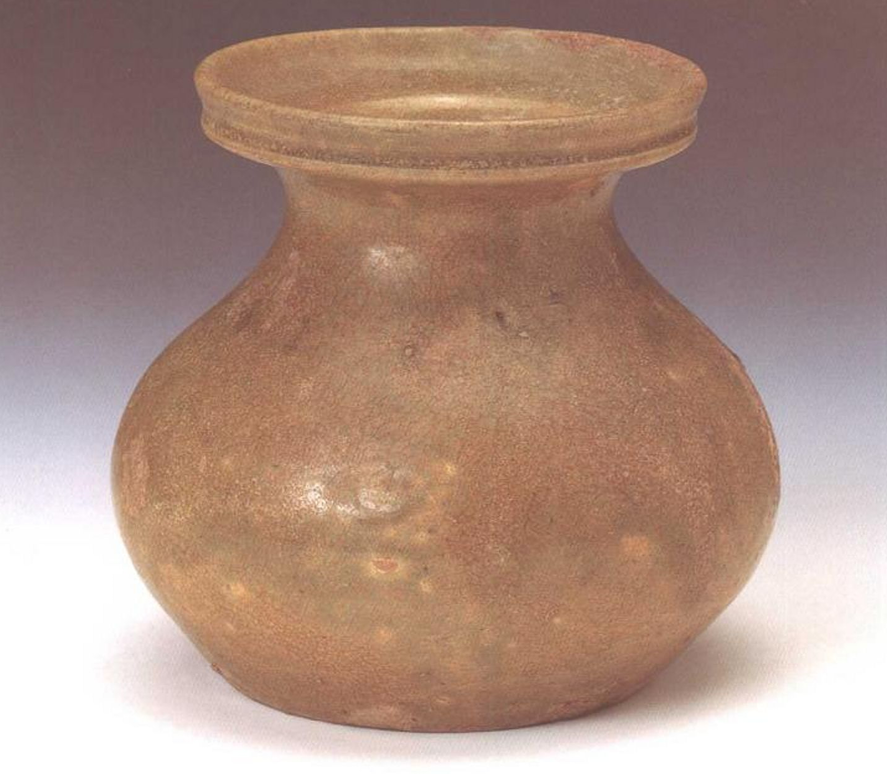
Yue ware celadon jar with dish-shaped mouth
Yue ware celadon lion-shaped candlestick
Year 287 AD, the eighth year of the Taikang era
Hangzhou Iron and Steel Plant, Zhejiang
Plate-Mouthed Hu Jar
Year 287 AD, the eighth year of the Taikang era
Jiuding Mountain, Liangnong Town, Yuyao, Zhejiang
Yue ware celadon jar with double lugs
Yue ware celadon water dropper with four lugs
Yue ware celadon tripod censer
Yue ware celadon jar with dish-shaped mouth
Yue ware celadon lion-shaped candlestick
Year 287 AD, the eighth year of the Taikang era
Hangzhou Iron and Steel Plant, Zhejiang
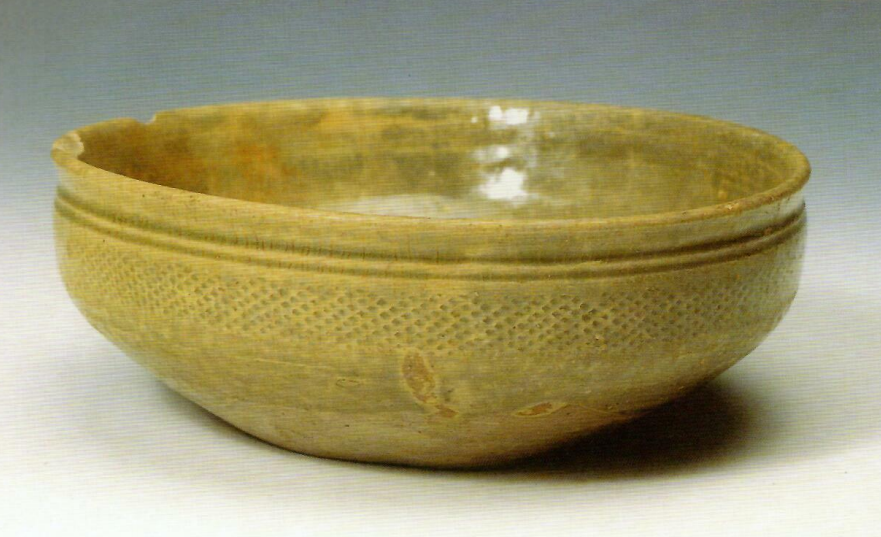
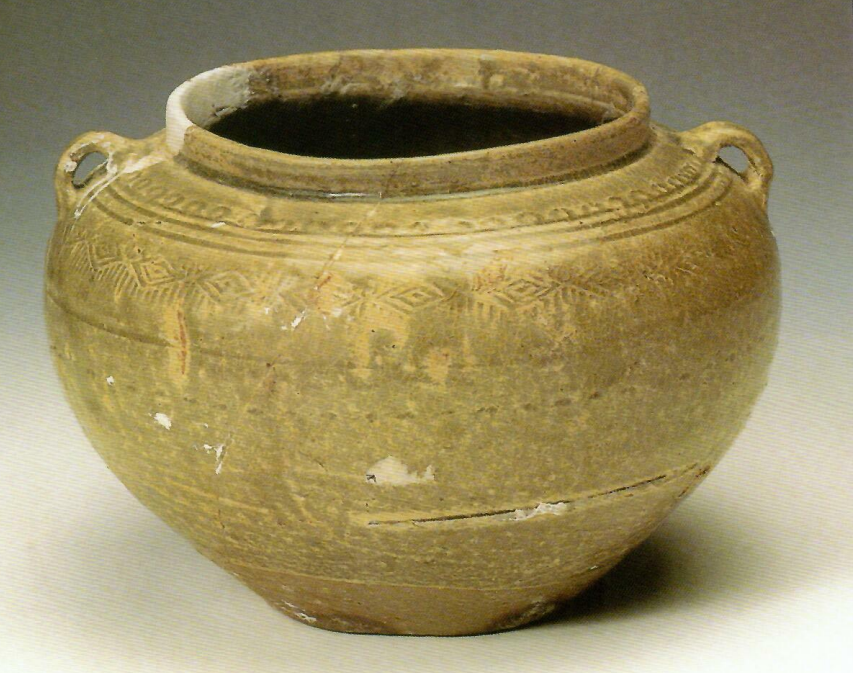
![]() Yue ware celadon jar with double lugs
Yue ware celadon jar with double lugs
Yue ware celadon double lugsjar
Yue ware celadon jar with four lugs and dish-shaped mouth
Yue ware celadon chicken-head ewer
Yue Ware Celadon Stacked-Figure Jar
Yue Ware Celadon Water Dropper
Year 288 AD, Ninth Year of Taikang
Shihuang Town, Sheng County, Zhejiang
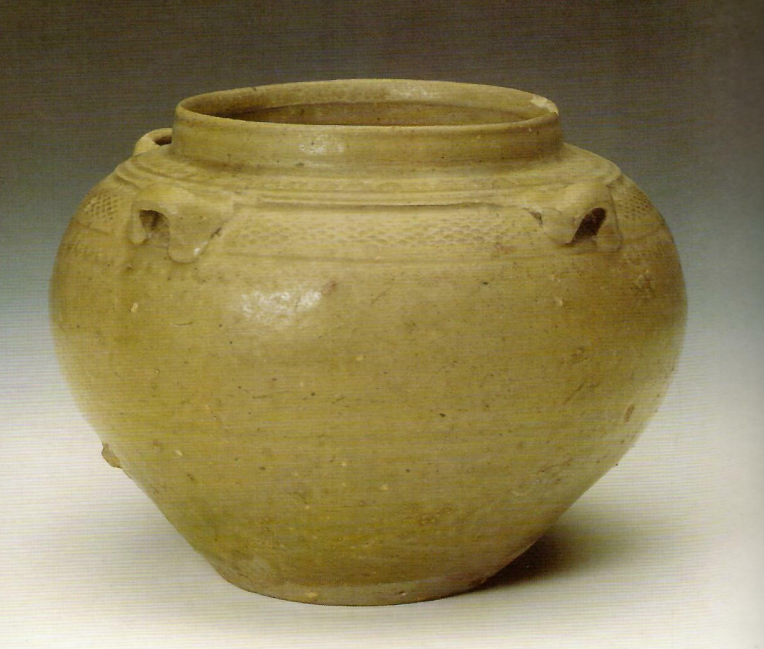 Yue Ware Celadon Stacked-Figure Jar
Yue Ware Celadon Impressed-Pattern Lei Vessel
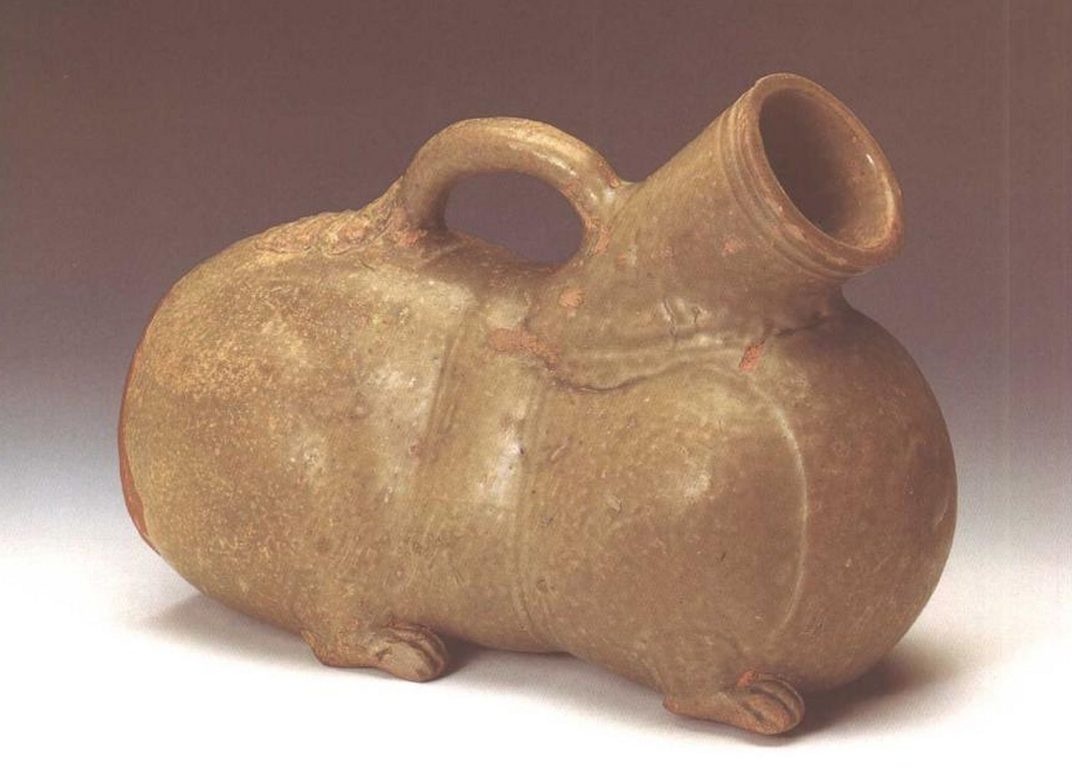
Yue Ware Celadon Tiger-Shaped Urinal
Yue Ware Celadon Stacked-Figure Jar
Yue Ware Celadon Impressed-Pattern Lei Vessel
Yue Ware Celadon Tiger-Shaped Urinal
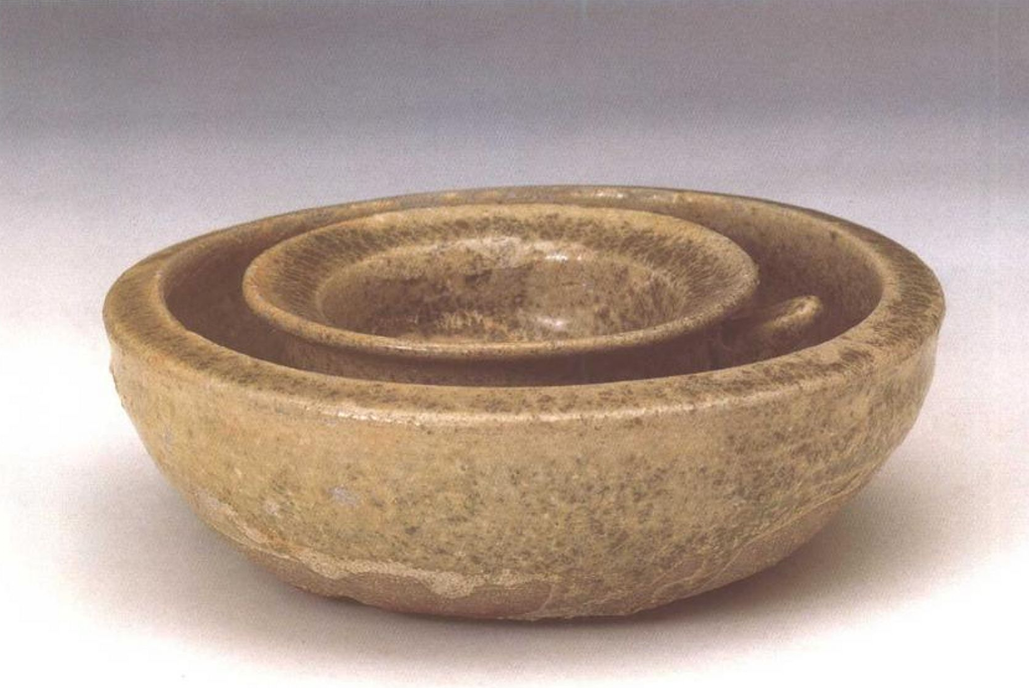 Year 288 AD, Ninth Year of Taikang
Shengshan, Wuxing, Huzhou, Zhejiang
Yue Ware Celadon Stacked-Figure Jar
Year 288 AD, Ninth Year of Taikang
Shengshan, Wuxing, Huzhou, Zhejiang
Yue Ware Celadon Stacked-Figure Jar
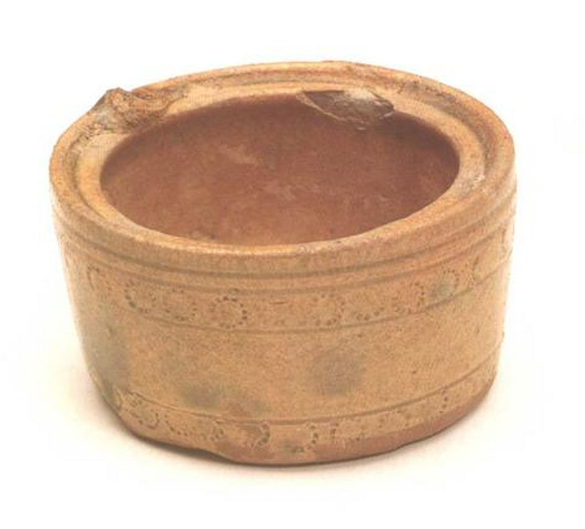
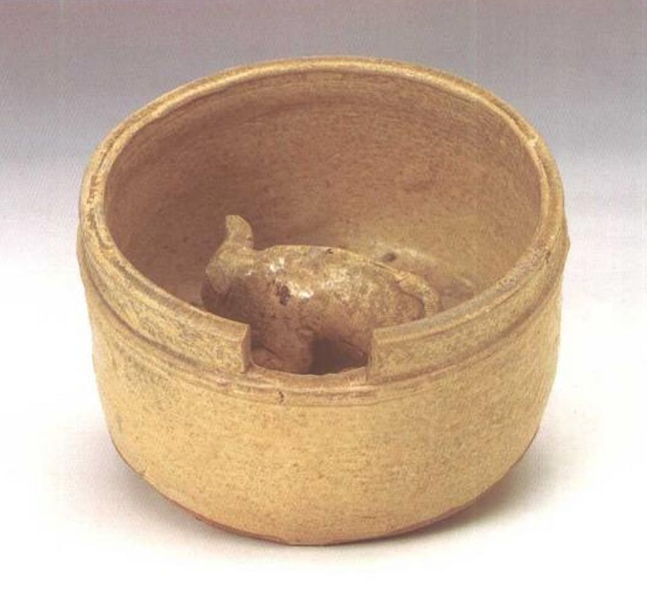 Yue Ware Celadon Pigsty Model
Year 289 AD, Taikang 10th year
Pukou Town, Shengzhou, Zhejiang
Yue Kiln celadon zun vessel
Yue Kiln celadon water dropper
Year 290 AD, Taikang 11th year
Pukou Town, Shengzhou, Zhejiang
Yue Ware Celadon Pigsty Model
Year 289 AD, Taikang 10th year
Pukou Town, Shengzhou, Zhejiang
Yue Kiln celadon zun vessel
Yue Kiln celadon water dropper
Year 290 AD, Taikang 11th year
Pukou Town, Shengzhou, Zhejiang
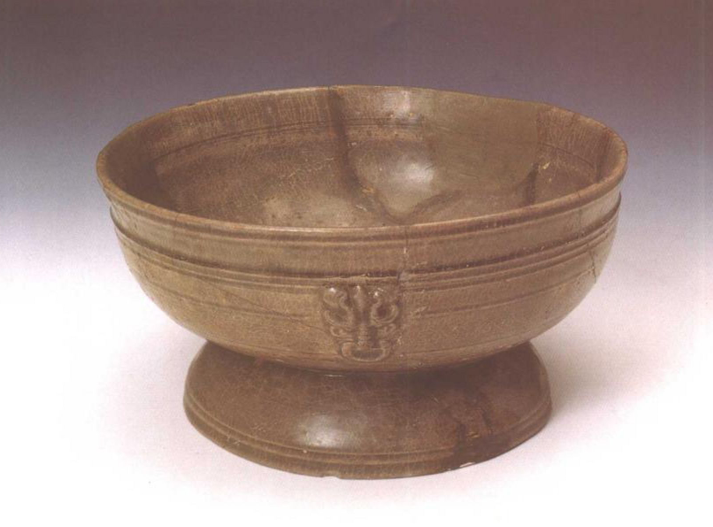
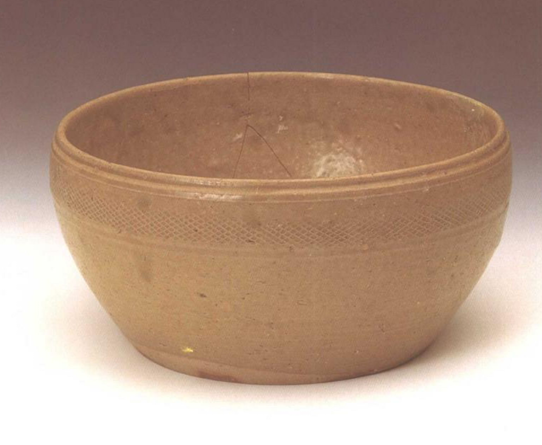
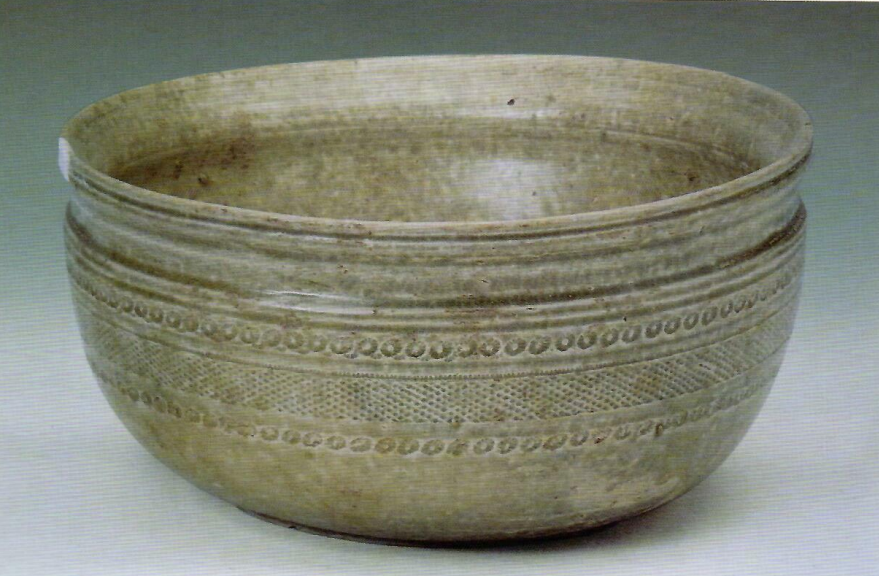 Yue Kiln celadon bowl with band decoration
Yue Kiln celadon four-handled water dropper
Year 290 AD, Taixi 1st year
Yiting, Shangyu City, Zhejiang
Yue Kiln celadon sculpted vase
Celadon double-handled vase
Celadon chicken coop model
Year 291 AD, Yuankang 1st year
Aojiang, Pingyang, Zhejiang
Yue ware celadon stacked figurine jar
292 AD, 293 AD, the 2nd and 3rd years of the Yuankang reign period
Lion Hill, Fengqiao, Wu County, Jiangsu
Celadon stacked figurine jar
294 AD, the 4th year of the Yuankang reign period
Shishi Town, Jurong, Jiangsu
Yue Kiln celadon bowl with band decoration
Yue Kiln celadon four-handled water dropper
Year 290 AD, Taixi 1st year
Yiting, Shangyu City, Zhejiang
Yue Kiln celadon sculpted vase
Celadon double-handled vase
Celadon chicken coop model
Year 291 AD, Yuankang 1st year
Aojiang, Pingyang, Zhejiang
Yue ware celadon stacked figurine jar
292 AD, 293 AD, the 2nd and 3rd years of the Yuankang reign period
Lion Hill, Fengqiao, Wu County, Jiangsu
Celadon stacked figurine jar
294 AD, the 4th year of the Yuankang reign period
Shishi Town, Jurong, Jiangsu
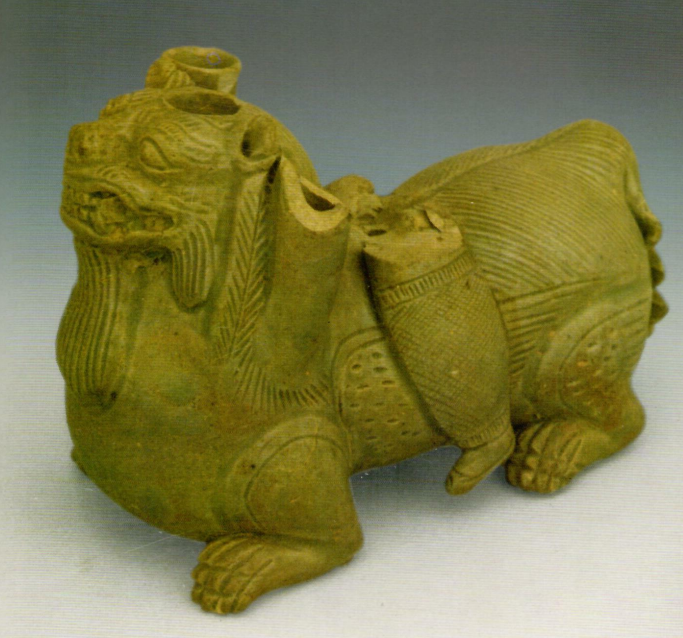 294 AD, the 4th year of the Yuankang reign period
Chengguan, Shengzhou, Zhejiang
Yue ware celadon spittoon
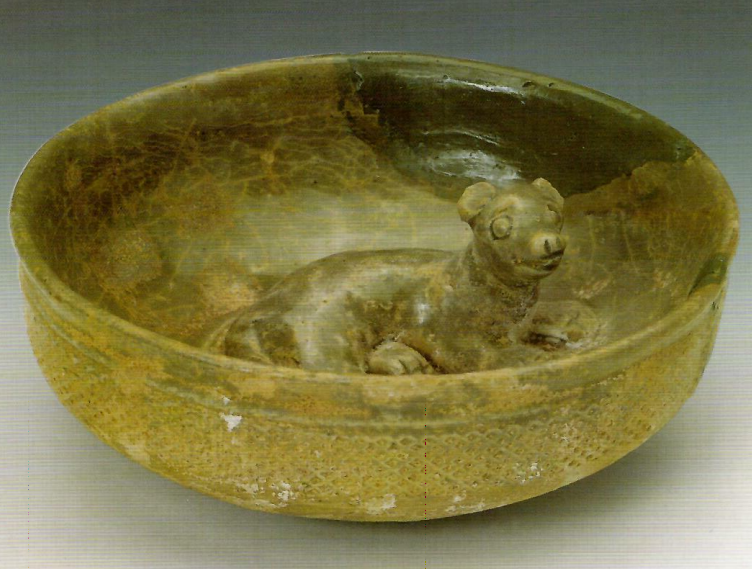
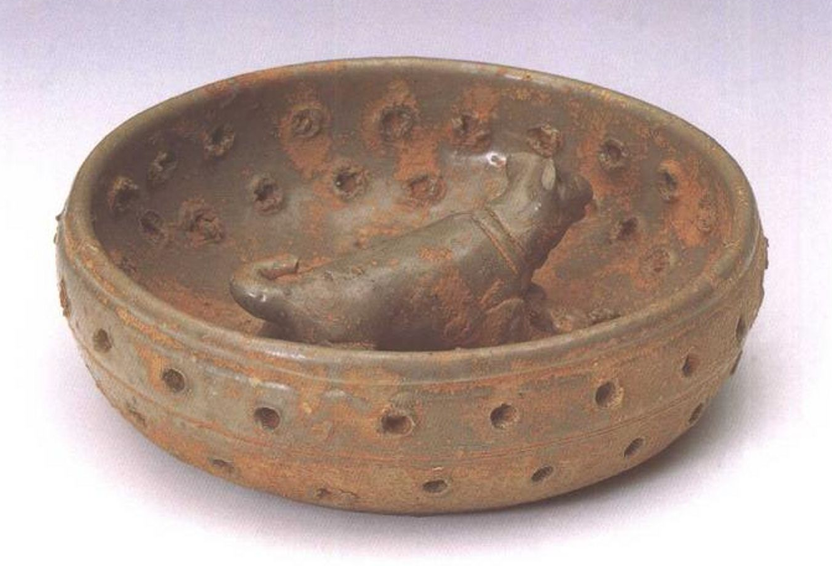
Yue ware celadon dog enclosure
294 AD, the 4th year of the Yuankang reign period
Zhengxiang, Yuyao, Zhejiang
Yue ware celadon stacked figurine jar
Year 295 AD, the 5th year of the Yuankang reign
Lion Mountain, Fengqiao, Wu County, Jiangsu
Celadon jar with double lugs
Year 297 AD, the 7th year of the Yuankang reign
Zhoumu Dun, Yixing, Jiangsu
Year 297 AD, the 7th year of the Yuankang reign
Zhengxiang, Yuyao, Zhejiang
294 AD, the 4th year of the Yuankang reign period
Chengguan, Shengzhou, Zhejiang
Yue ware celadon spittoon
Yue ware celadon dog enclosure
294 AD, the 4th year of the Yuankang reign period
Zhengxiang, Yuyao, Zhejiang
Yue ware celadon stacked figurine jar
Year 295 AD, the 5th year of the Yuankang reign
Lion Mountain, Fengqiao, Wu County, Jiangsu
Celadon jar with double lugs
Year 297 AD, the 7th year of the Yuankang reign
Zhoumu Dun, Yixing, Jiangsu
Year 297 AD, the 7th year of the Yuankang reign
Zhengxiang, Yuyao, Zhejiang
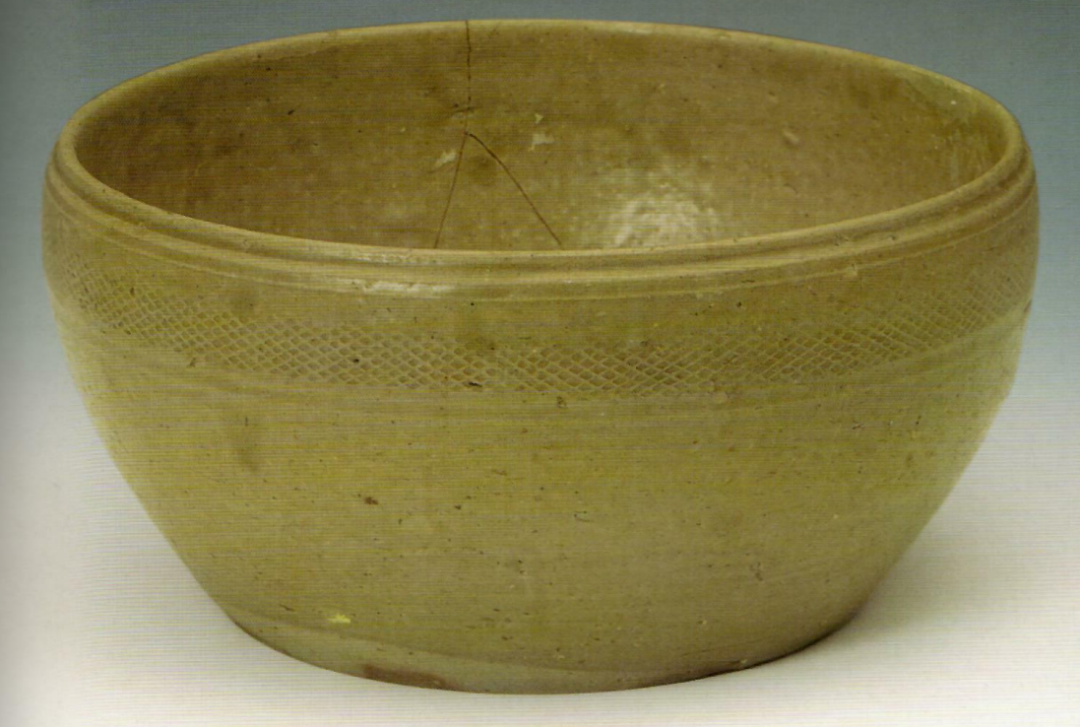
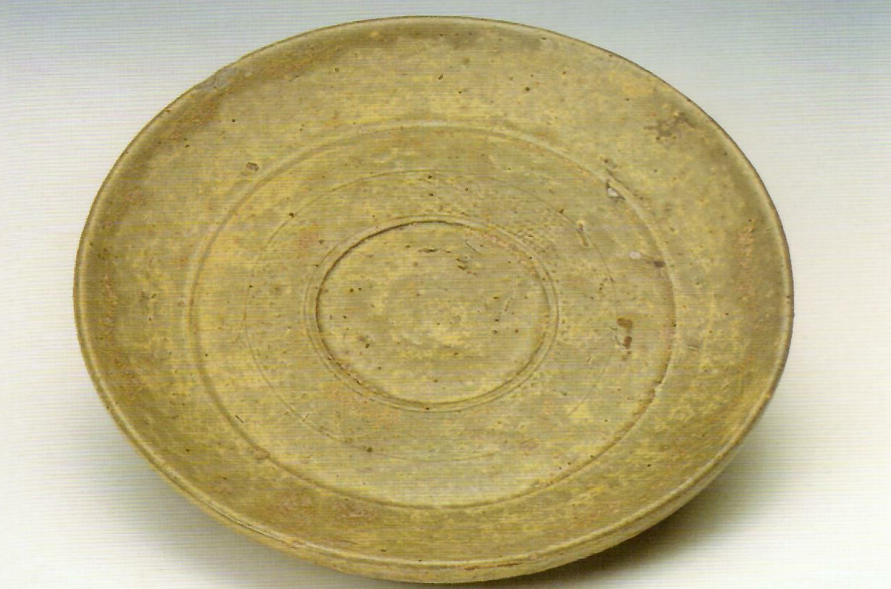
![]() Yue ware celadon dish
Year 298 AD, the 8th year of the Yuankang reign
Northern foothills of Jinbo Mountain, Sheng County, Zhejiang
Yue ware celadon incense burner
Yue ware celadon spittoon
Yue ware celadon jar with four lugs
298 AD, the 8th year of the Yuankang reign
Yue ware celadon dish
Year 298 AD, the 8th year of the Yuankang reign
Northern foothills of Jinbo Mountain, Sheng County, Zhejiang
Yue ware celadon incense burner
Yue ware celadon spittoon
Yue ware celadon jar with four lugs
298 AD, the 8th year of the Yuankang reign
Jielu Village, Shangweitou Township, Longyou County
Celadon tiger-shaped vessel
Celadon spittoon
Brown-glazed jar with impressed coin pattern
Celadon jar
299 AD, the 9th year of the Yuankang reign
Louji, Xinchang County, Zhejiang
Yue ware celadon lion-shaped candlestick
300 AD, the 1st year of the Yongkang reign
Lingjiao, Mengjiatang, Xinchang County, Zhejiang
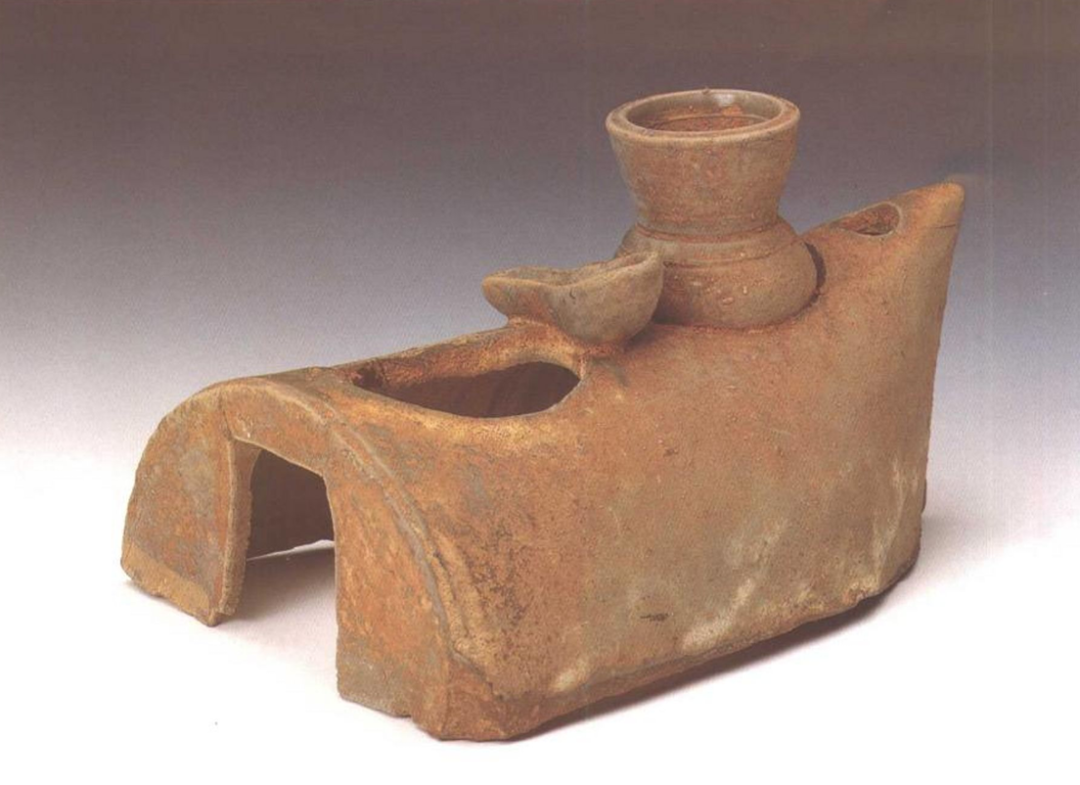
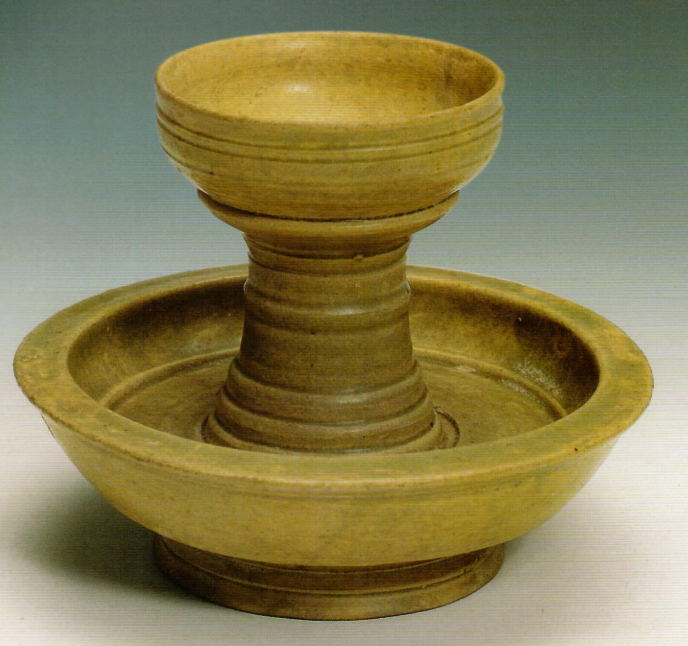 Yue ware celadon candlestick
300 AD, the 1st year of the Yongkang reign
Jingshan, Wuxing, Zhejiang
Yue ware celadon dog enclosure
302 AD, the second year of Yongning
Paitou Town, Zhuji, Zhejiang
Yue ware celadon eagle-head ewer
Yue ware celadon dog enclosure
302 AD, the second year of Yongning
302 AD, the second year of Yongning
Yue ware celadon candlestick
300 AD, the 1st year of the Yongkang reign
Jingshan, Wuxing, Zhejiang
Yue ware celadon dog enclosure
302 AD, the second year of Yongning
Paitou Town, Zhuji, Zhejiang
Yue ware celadon eagle-head ewer
Yue ware celadon dog enclosure
302 AD, the second year of Yongning
302 AD, the second year of Yongning
Mituo Mountain, Baixiang, Wenzhou suburbs
Ou ware celadon tiger-shaped vessel
Ou ware celadon water dropper
Year 302 AD, the second year of Yongning
Shizha Lake, Banqiao Town, Nanjing, Jiangsu
Year 303 AD, the second year of Taian
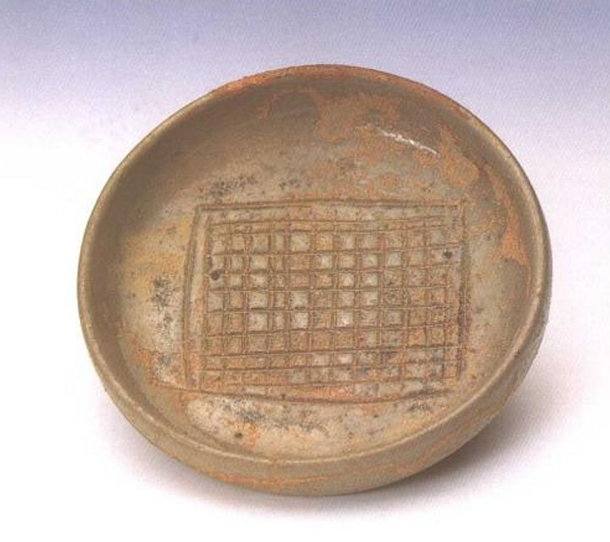
Yue ware celadon three-legged inkstone
Yue ware celadon lion-shaped candlestick
Year 305 AD, the second year of Yongxing
Year 305 AD, the second year of Yongxing
Paitou Town, Zhuji, Zhejiang
Yue ware celadon double-loop-handled jar
Yue ware celadon washer
Year 309, the third year of the Yongjia era
Paitou Town, Zhuji, Zhejiang
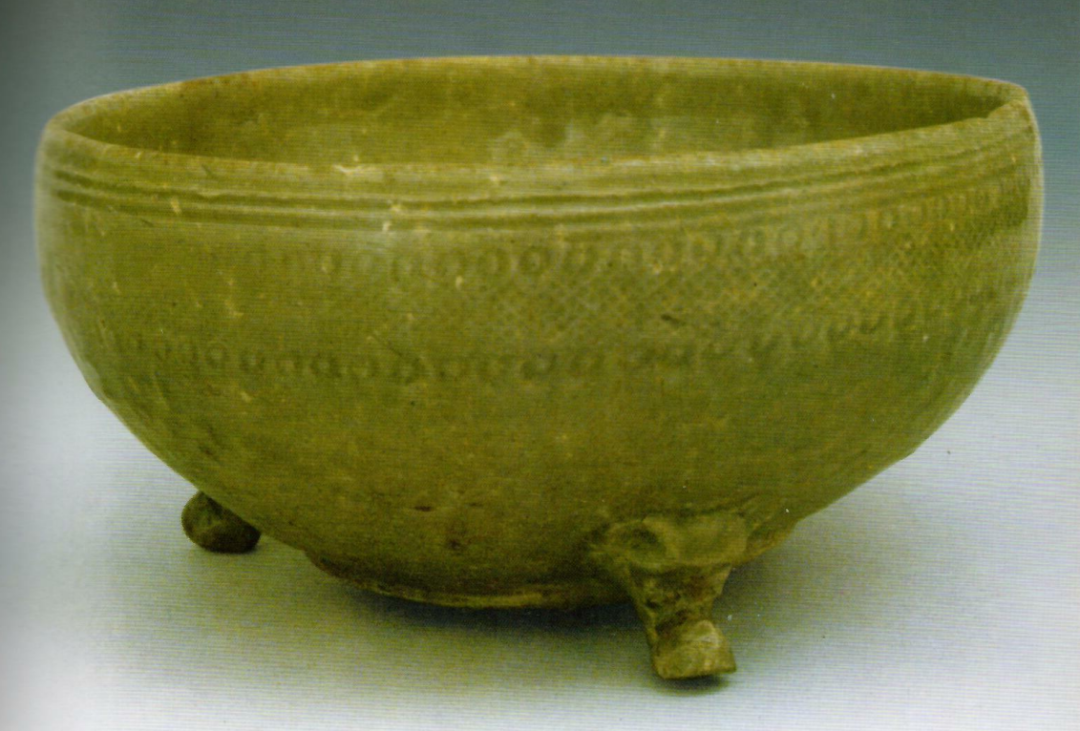
Yue ware celadon bowl with tiger-head feet
Year 313, the seventh year of the Yongjia era
Fenghuang Mountain, Shaoxing, Zhejiang
Yue ware celadon jar with applied decorations
Yue ware celadon jar with double lugs
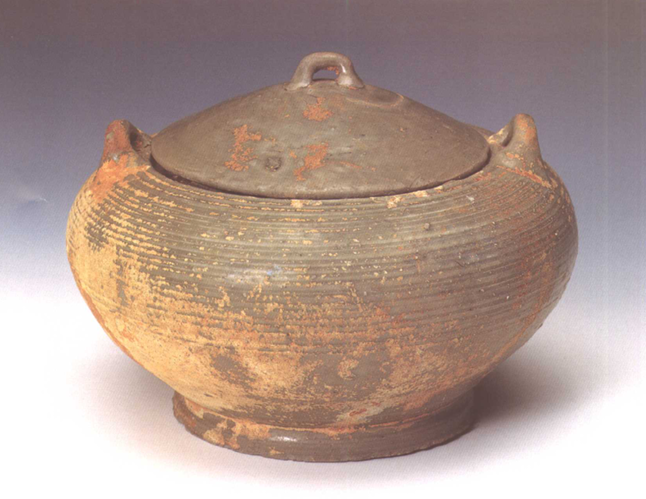 Yue ware celadon covered jar with double lugs
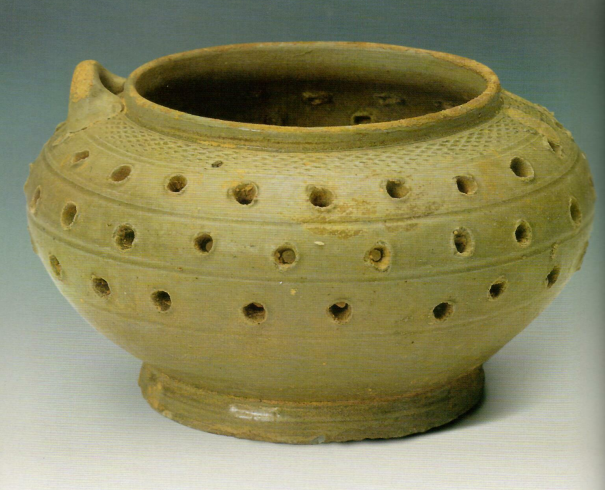
![]() Yue ware celadon incense burner
Yue ware celadon incense burner
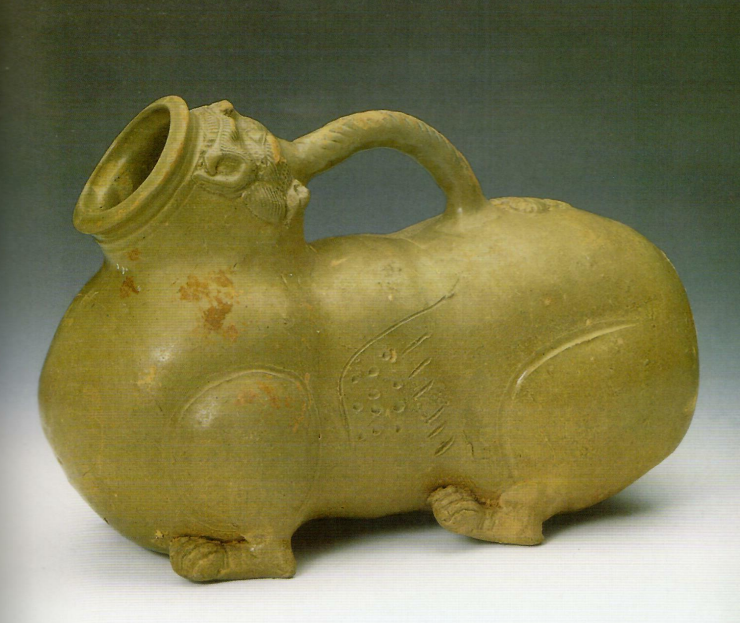
![]() Yue ware celadon tiger-shaped vessel
Yue ware celadon tiger-shaped vessel
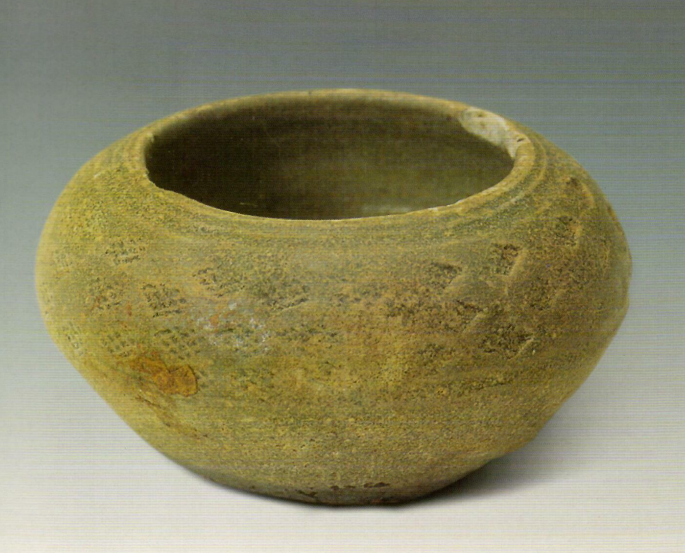
![]() Yue ware celadon water dropper
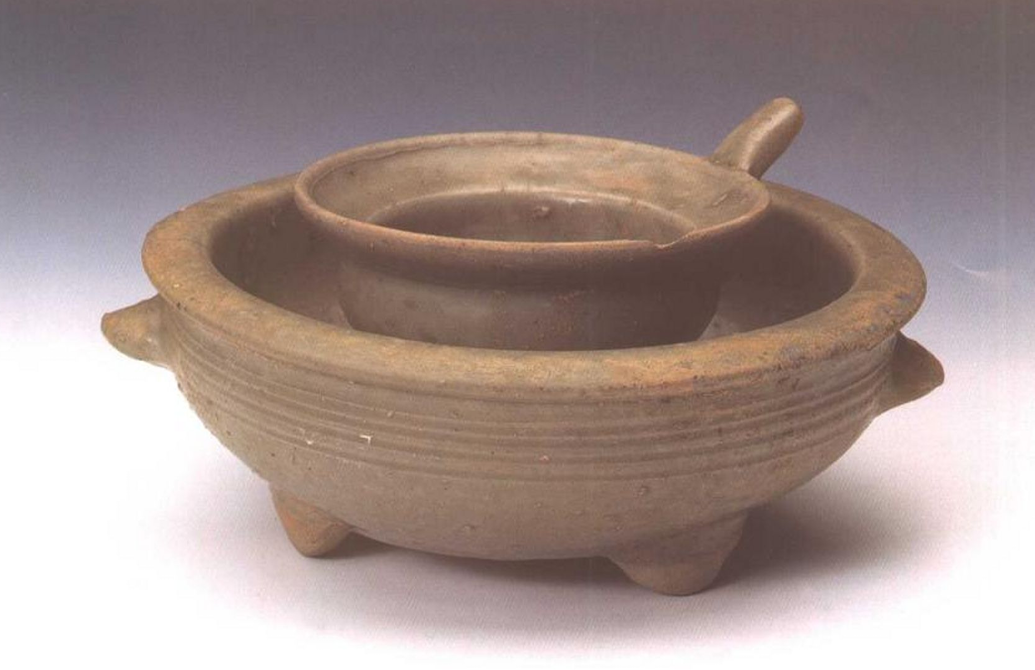
Yue ware celadon brazier with ladle
Yue ware celadon water dropper
Yue ware celadon brazier with ladle
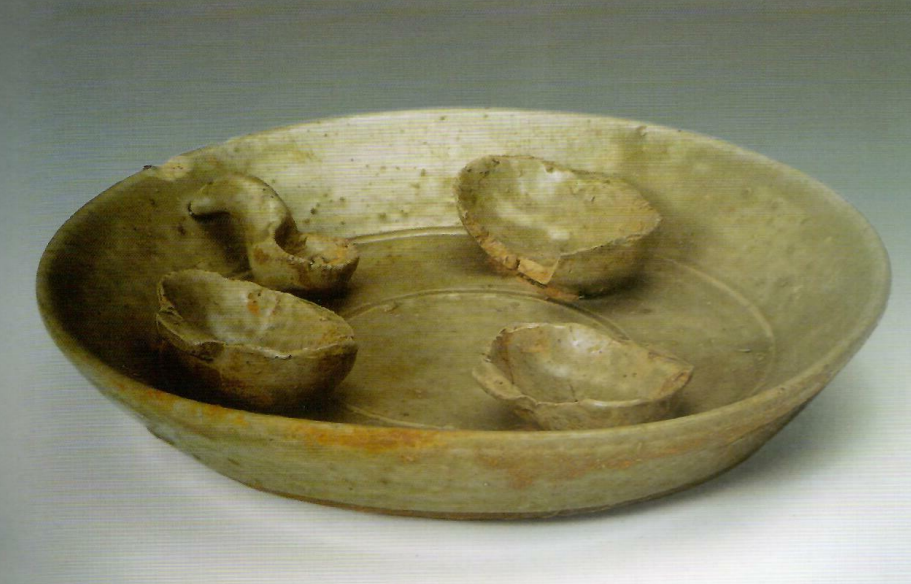
![]() Yue ware celadon ear cup and tray set
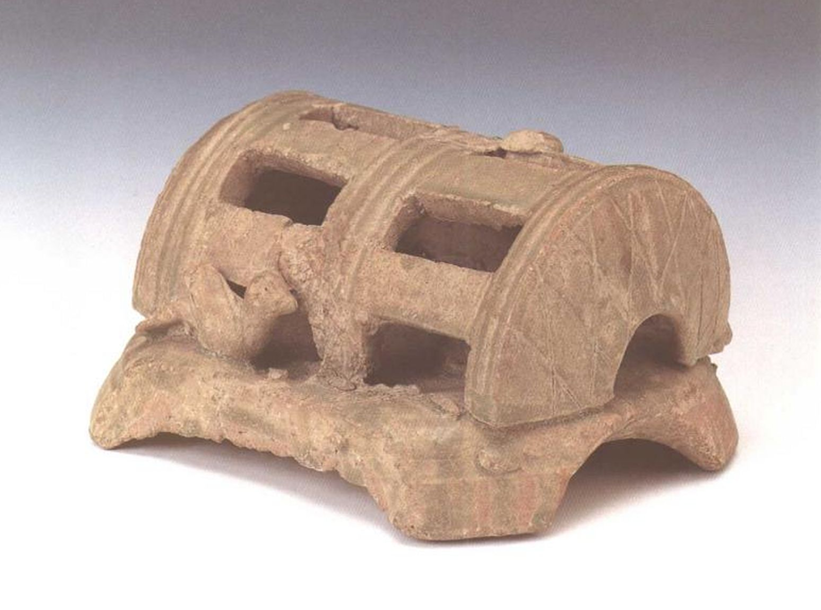
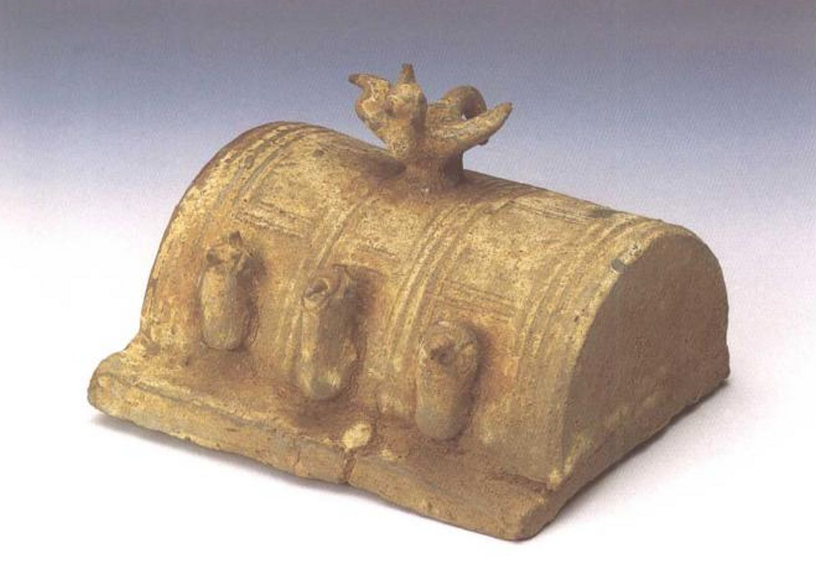
Yue ware celadon chicken coop
"Chinese Yue Kiln Celadon" by Lin Shimin, Lin Hao, Ningbo Publishing House
"Zhejiang Memorial Porcelain" by Zhejiang Provincial Museum, Cultural Relics Publishing House
Yue ware celadon ear cup and tray set
Yue ware celadon chicken coop
"Chinese Yue Kiln Celadon" by Lin Shimin, Lin Hao, Ningbo Publishing House
"Zhejiang Memorial Porcelain" by Zhejiang Provincial Museum, Cultural Relics Publishing House