Although Tang Sancai is renowned worldwide, some believe that Qiong Sancai is the true originator of colored porcelain. The Qiong Kiln primarily produced celadon glaze, celadon with brown patches, celadon with brown and green patches, and painted porcelain. Its artifacts are diverse in type, including daily utensils, stationery, toys, and porcelain figurines.
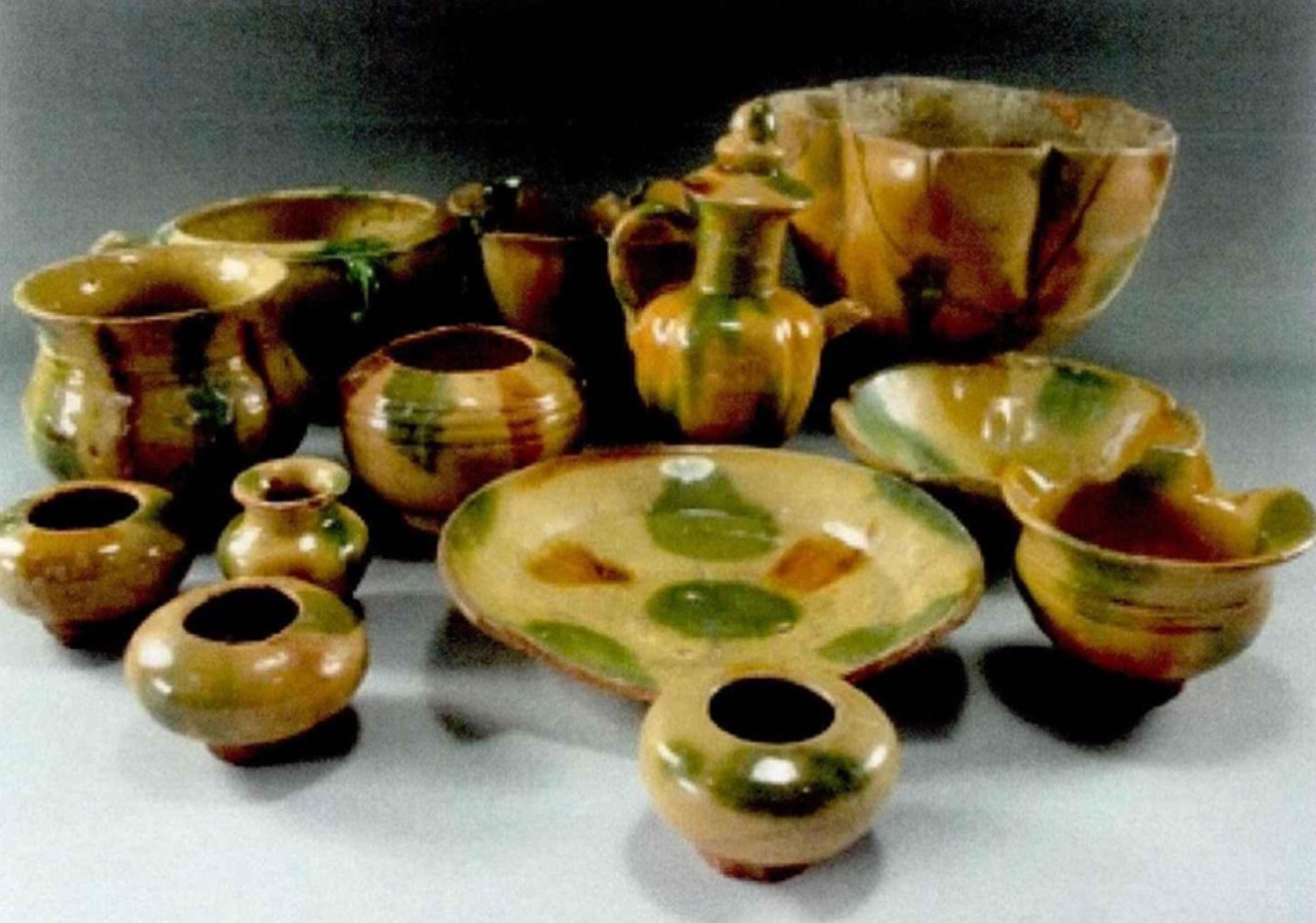
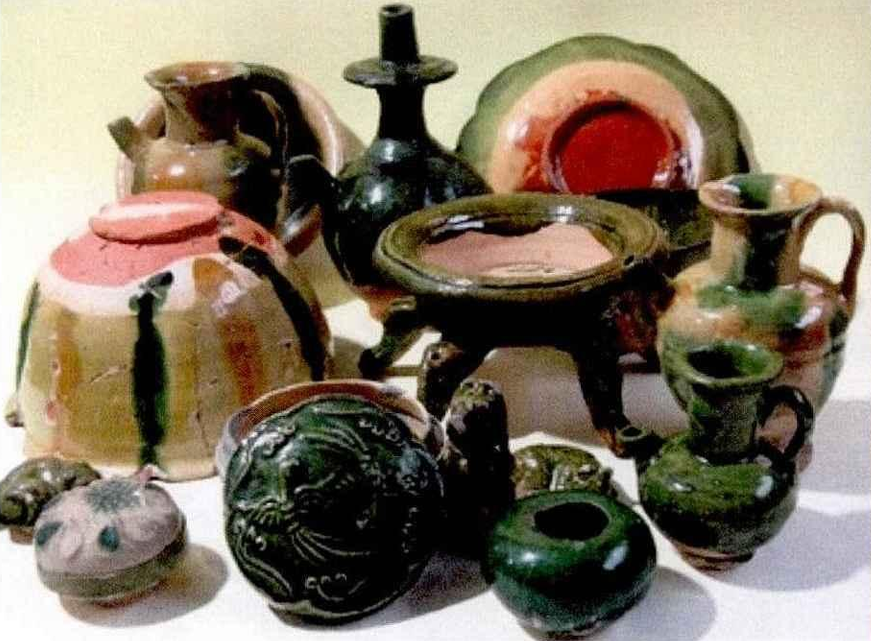
Along the banks of the Nanhe and Xihe rivers in Qionglai City, Sichuan Province, lies a land of ancient ceramic art forgotten by time——the Qiong Kiln. The kiln began firing during the Northern and Southern Dynasties, flourished in the Tang and Five Dynasties, and declined around the Song and Yuan transition, spanning over seven centuries of continuous history. It was the longest-lasting ceramic production kilnin southwestern China.
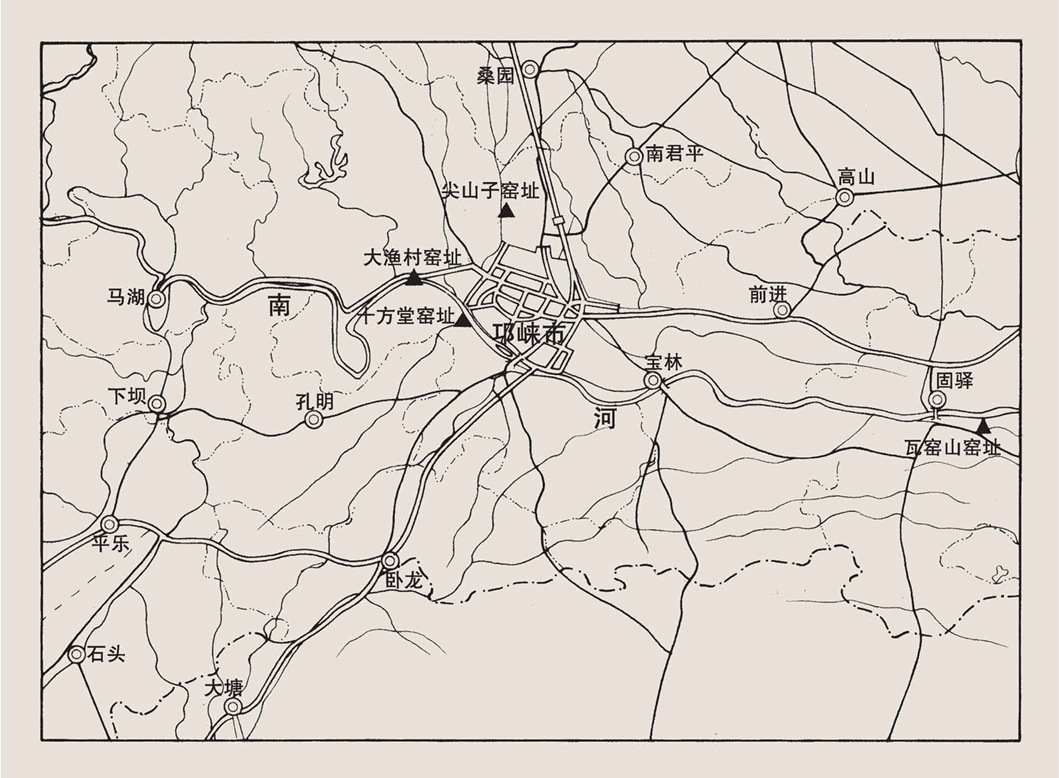
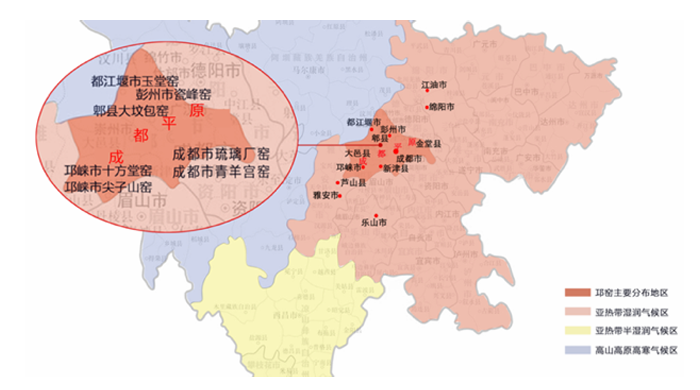
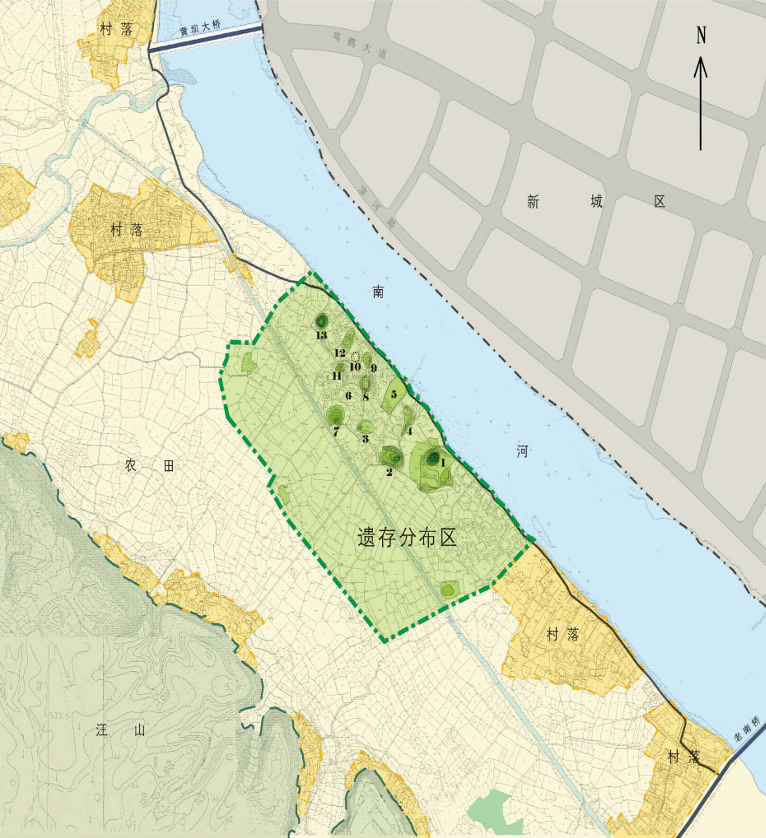
The Qiong Kiln has numerous kiln sites, among which Shifangtang, Wayaoshan, Jianshanzi, and Dayucun are the most famous. Among these, Shifangtang has become the focus of Qiong Kiln research due to its abundant unearthed artifacts, well-preserved kiln site conditions, and profound research value.
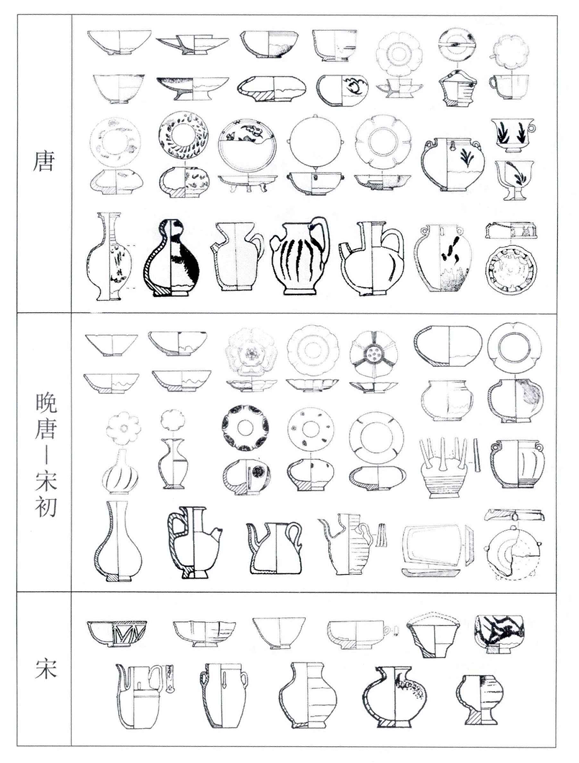
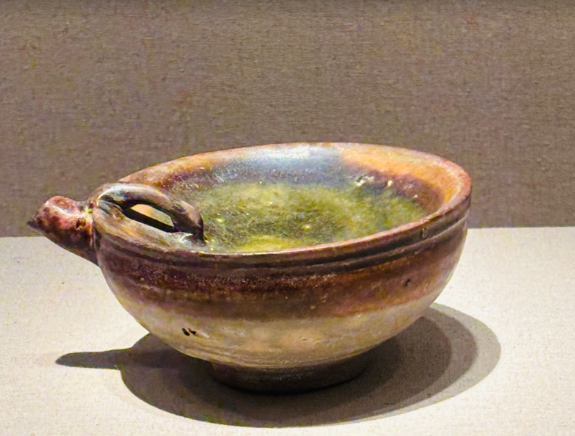
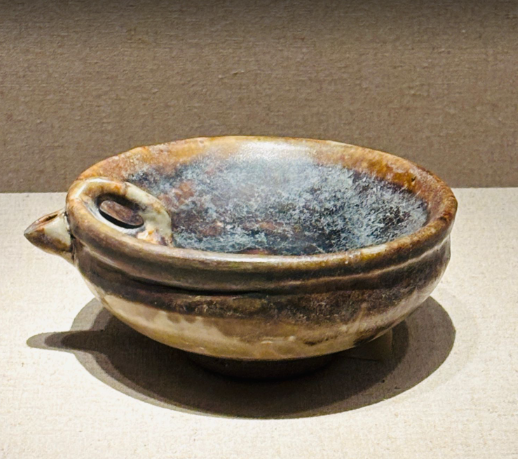
Qiong Kiln artifacts primarily feature celadon glaze, celadon with brown patches, celadon with brown and green patches, and painted porcelain. In addition to daily utensils, the small porcelain figurines with rich forms are particularly vivid, and the kiln is renowned nationwide for creating ceramic oil-saving lamps.
Sui Dynasty to Early Tang
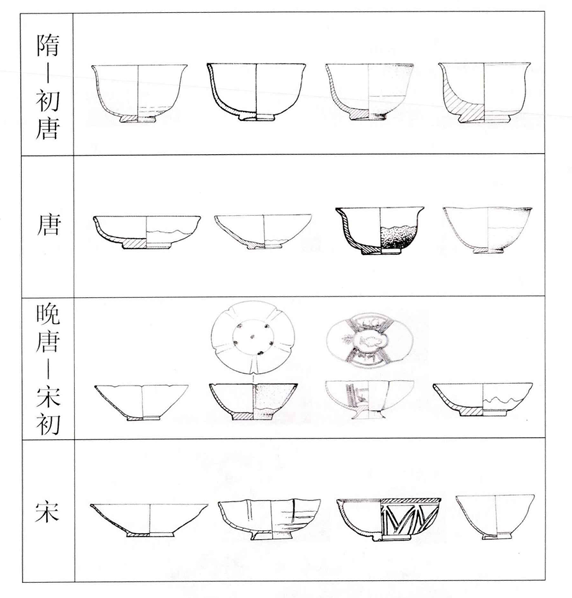
During this phase, the Qiong Kiln primarily produced the most basic daily-use vessels, with a limited variety of forms. Almost all kiln sites turned out only a few types, such as bowls, small bowls, dish-mouthed jars, inkstones, and high-footed dishes, all glazed in celadon.
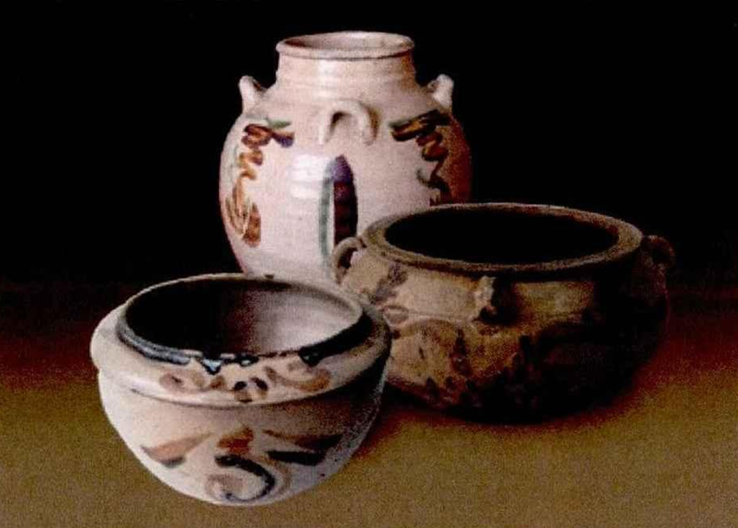
Painted Porcelain, Sui to Early Tang
The products were regular in shape. Bowls and small bowls all had straight mouths, deep curved bellies, and cake-shaped feet with a diameter far smaller than the mouth; the foot bottoms were concave, and the foot rims were beveled into three-sided facets. The dish-mouthed jars had shallow, flaring mouths, while the inkstones were mostly of the Biyong style. Bowls and small bowls had thin bodies, whereas large vessels like dish-mouthed jars had thick bodies. The body surfaces were entirely covered with slip, mostly grayish-white, occasionally tinged with rice yellow; on the exterior, the slip extended only to the middle of the belly, and the glaze stopped at the same point. The glaze color of bowls and small bowls tended toward light blue-green, while dish-mouthed jars appeared brownish-green. The glaze layer was thin, with poor adhesion to the body, resulting in widespread glaze flaking, sometimes complete loss; a few pieces showed fine crackle patterns. The surfaces were plain, without decoration.
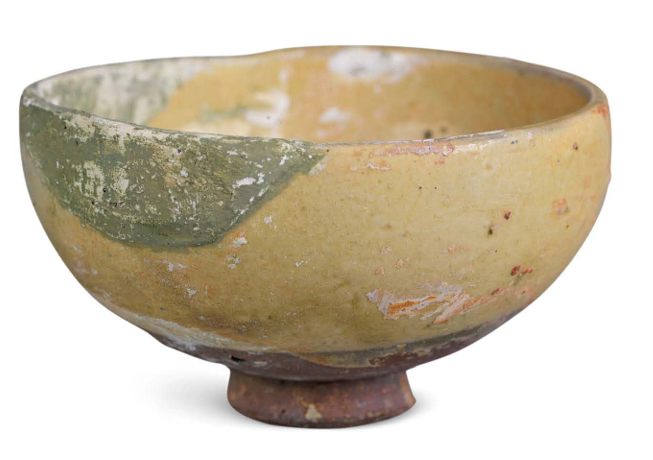
Celadon Bowl
Mouth diameter 8.9 cm, foot diameter 2.8 cm, height 5.5 cm
Excavated at the Shifangtang Kiln Site, Linqiong Town, Qionglai City
Now housed in the Qionglai Municipal Cultural Relics Administration
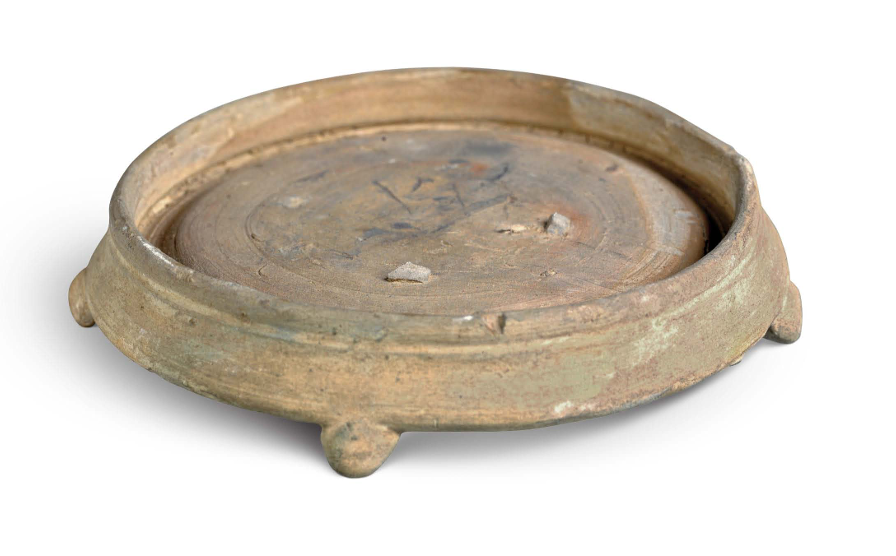
Celadon-glazed inkstone
Mouth diameter 11.2 cm, base diameter 12.5 cm, height 2.9 cm
Excavated from the Shifangtang kiln site, Linqiong Town, Qionglai City
Now housed in the Qionglai Municipal Cultural Relics Administration
The firing method employed simple stacked firing without saggars, and sand residue and ash are commonly found inside the vessels, indicating open-fire naked firing. Spacers were also rarely used; bowls and cups were placed directly with their feet into the inner base of another vessel, leaving a ring of disc-foot adhesion marks on the inner base.
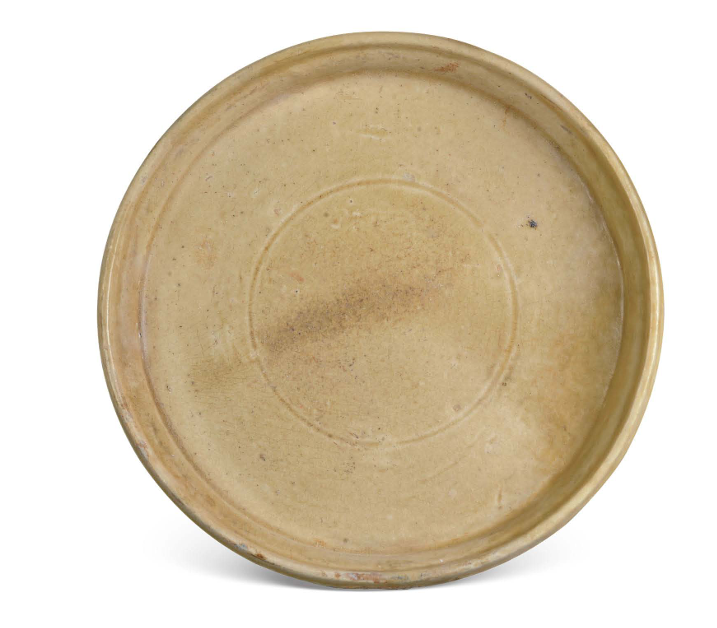
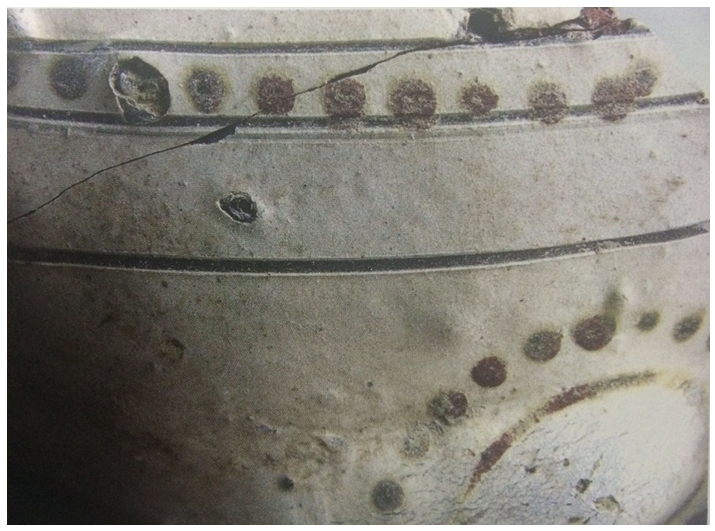
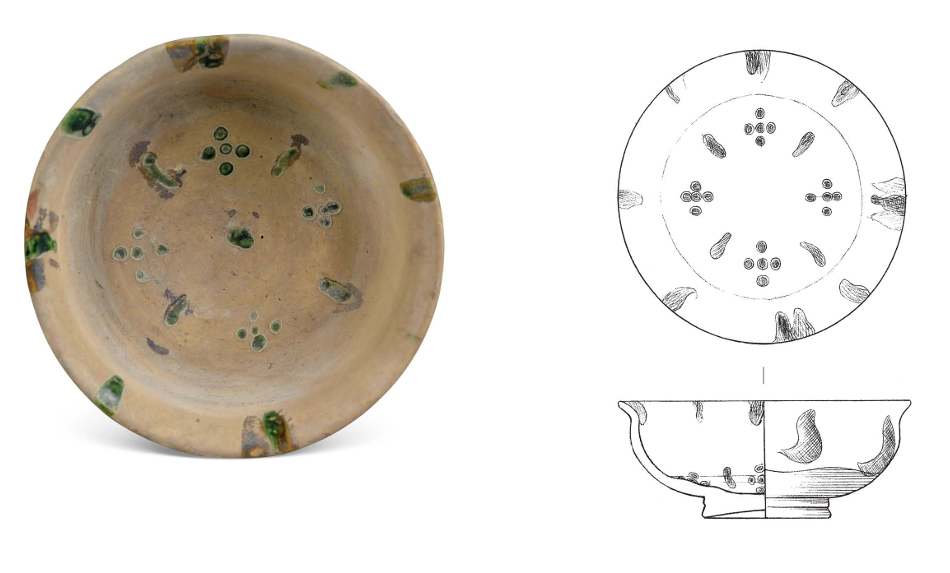
Bowl with red and green polychrome linked-pearl pattern, Sui dynasty Qiong kiln (detail), excavated from the Guyi Wayashan kiln site, Qiong kiln. The red and green pigments appearing together on Sui dynasty wares from the Qiong kiln are presumed to have been formed incidentally due to factors such as temperature and firing atmosphere.
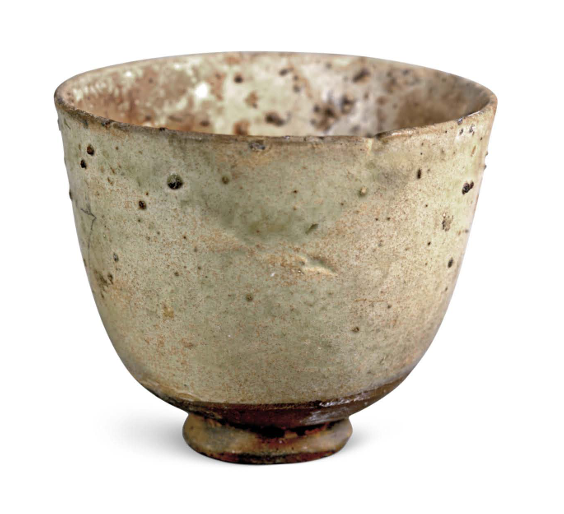
Celadon-glazed cup
Mouth diameter 7.8 cm, foot diameter 3.0 cm, height 6.5 cm
Excavated from the Shifangtang kiln site, Linqiong Town, Qionglai City
Now housed in the Qionglai Municipal Cultural Relics Administration
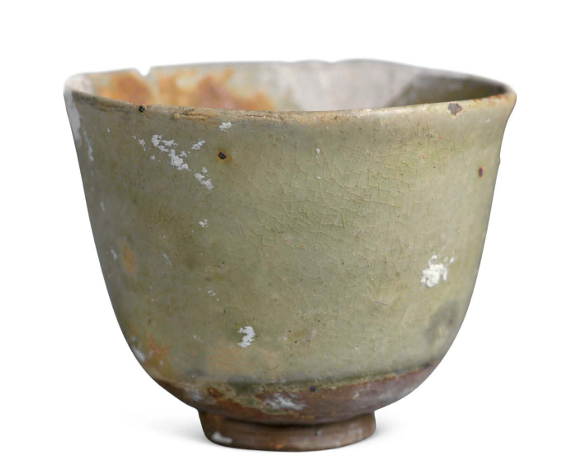
Celadon-glazed cup
Mouth diameter 8.2 cm, foot diameter 3.0 cm, height 6.4 cm
Excavated from the Shifangtang kiln site, Linqiong Town, Qionglai City
Now housed in the Qionglai Municipal Cultural Relics Administration
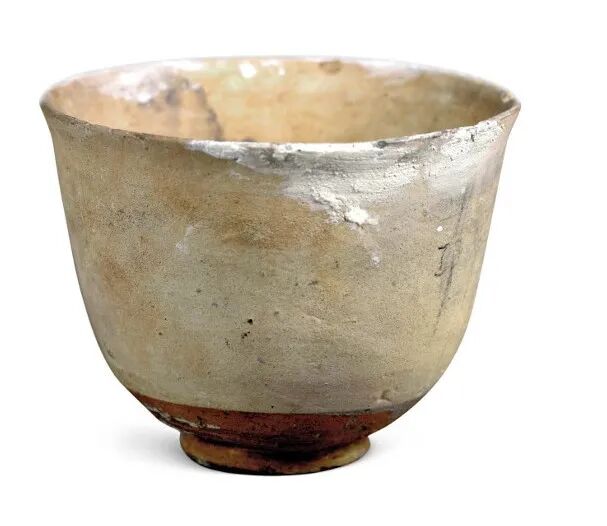
Celadon-glazed cup
Mouth diameter 8.4 cm, foot diameter 3.3 cm, height 6.5 cm
Excavated from the Shifangtang kiln site, Linqiong Town, Qionglai City
Currently housed in the Qionglai Municipal Cultural Relics Administration
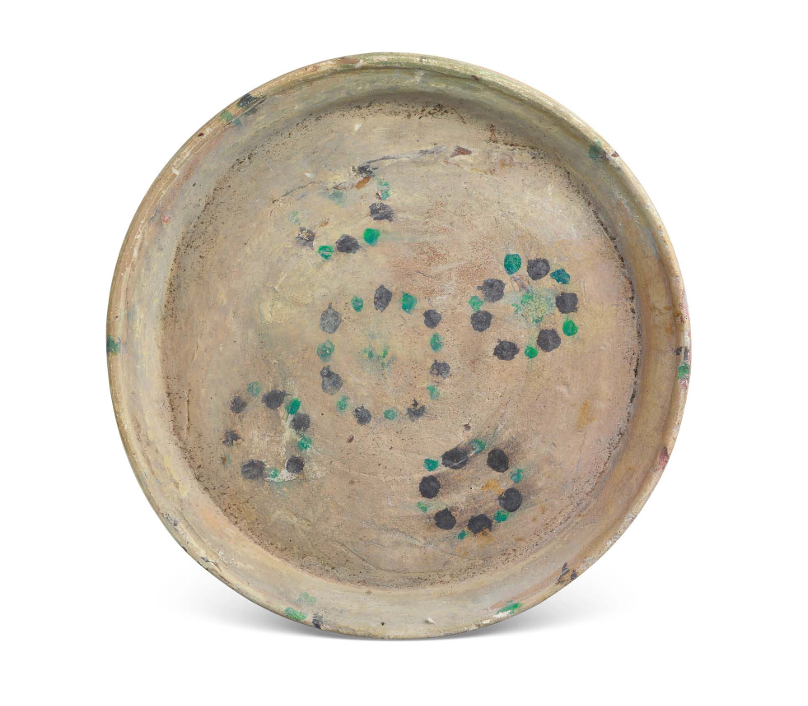
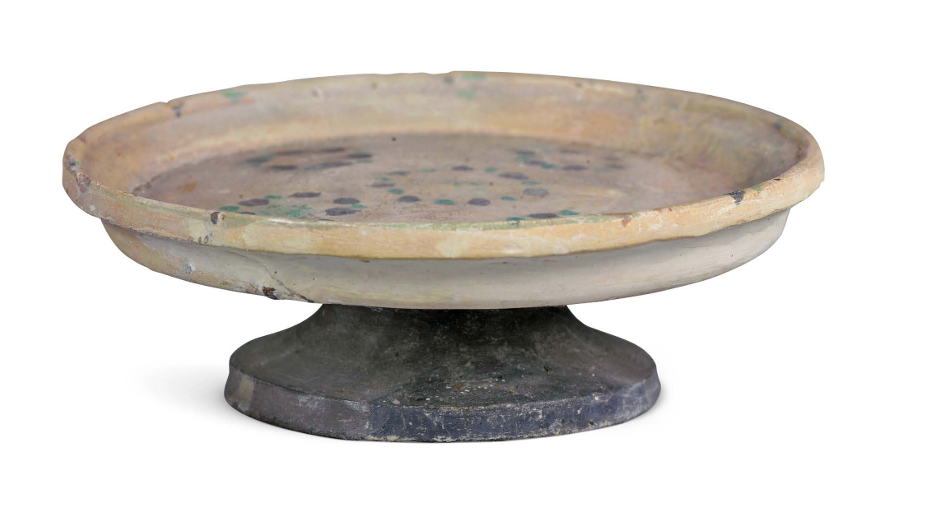
Green-glazed painted high-footed dish
Mouth diameter 14.8 cm, foot diameter 8.5 cm, height 5.4 cm
Excavated from the Wayaoshan kiln site, Guyi Town, Qionglai City
Currently housed in the Qionglai Municipal Cultural Relics Administration
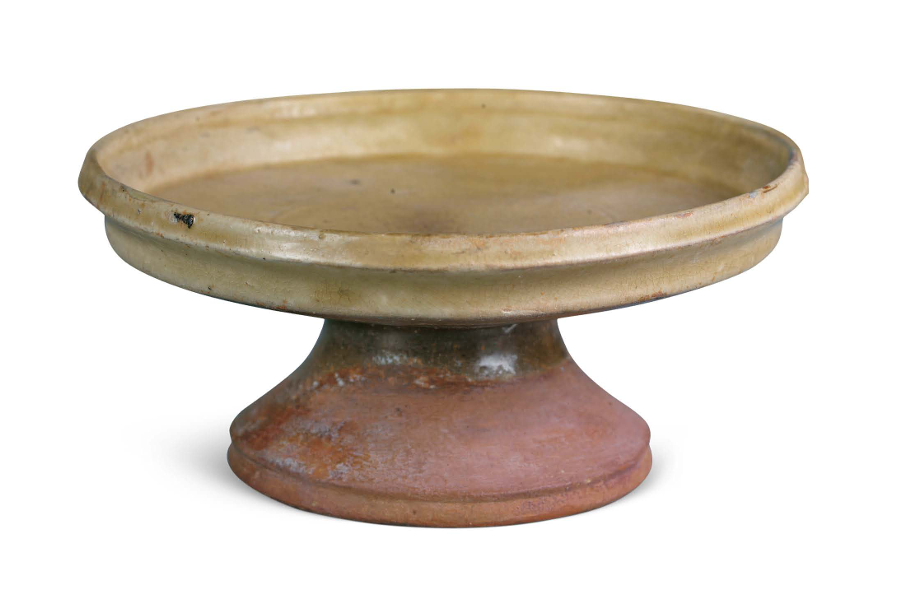
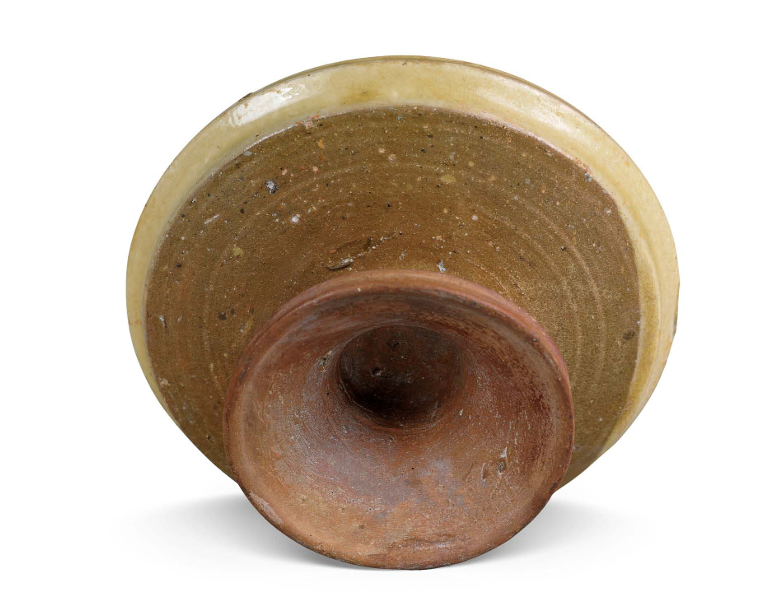
Green-glazed high-footed dish
Mouth diameter 14.6 cm, foot diameter 9.1 cm, height 6.9 cm
Excavated from the Wayaoshan kiln site, Guyi Town, Qionglai City
Currently housed in the Qionglai Municipal Cultural Relics Administration
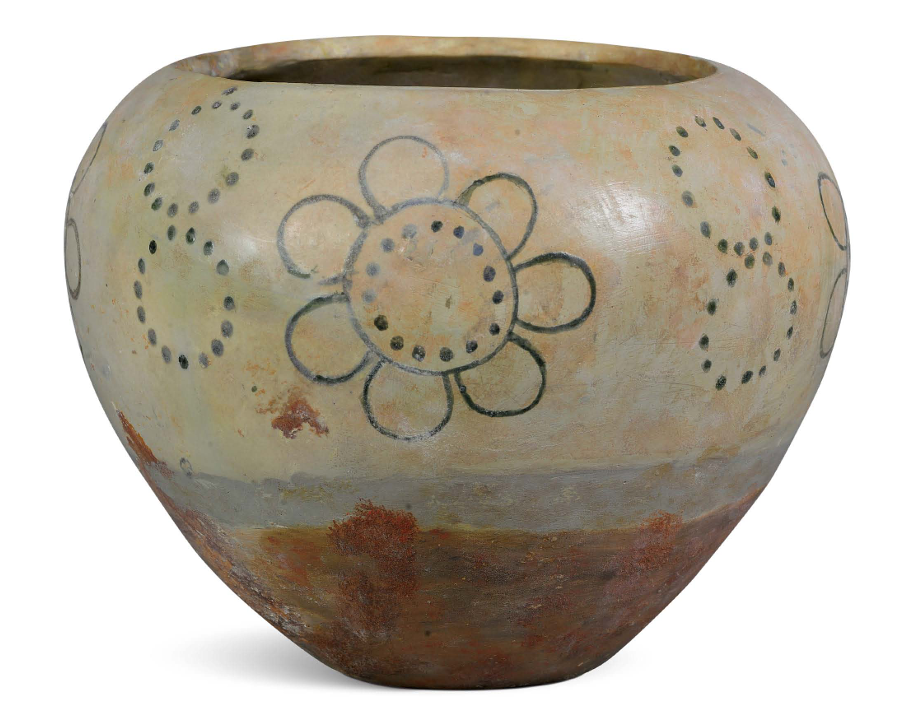
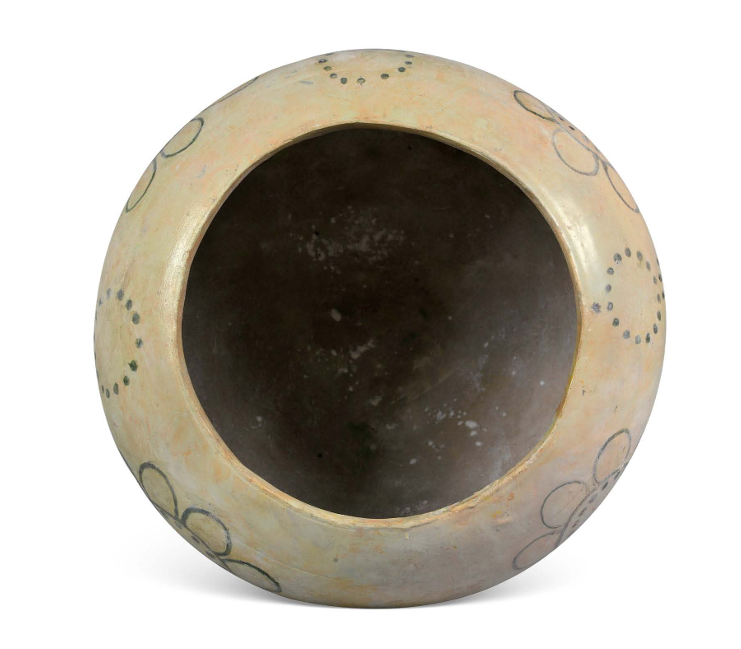
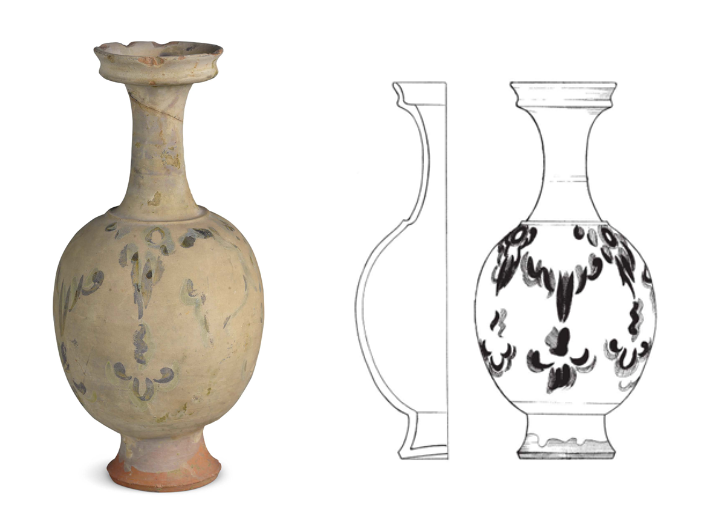
Green-glazed painted yu (basin)
Mouth diameter 16.8 cm, maximum belly diameter 24.5 cm, base diameter 9.2 cm, height 18.8 cm
Excavated from the Wayaoshan kiln site, Guyi Town, Qionglai City
Currently housed in the Qionglai Municipal Cultural Relics Administration
The Flourishing Tang Period
During the flourishing Tang period, Qiong Kiln still focused on daily-use vessels, but the variety of types increased sharply. Bowls, plates, cups, lamp dishes, burners, water droppers, dish-mouthed pots, vases, jars, inkstones, grinding tools, and vessel covers—more than ten types—were already common. Green glaze remained the mainstream, while brown glaze and coarse ware began to appear sporadically.
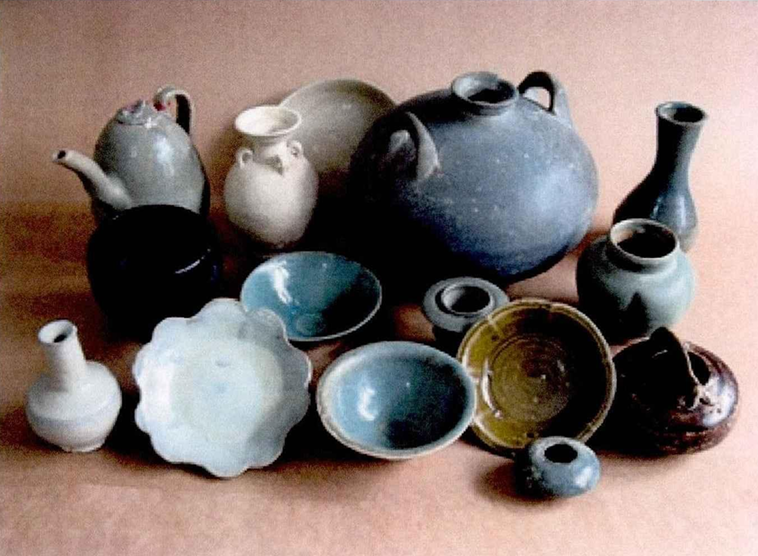
The forms became increasingly mature. Bowls were the most common, with straight mouths nearly eliminated and flared mouths with curved bellies becoming the new fashion. Although the cake-shaped foot was the dominant foot type, outward-flaring ring feet were beginning to emerge, with softly rounded foot rims. The ratio of cake-foot diameter to mouth diameter expanded, while the traditions of concave foot bottoms and obliquely cut foot edges persisted.
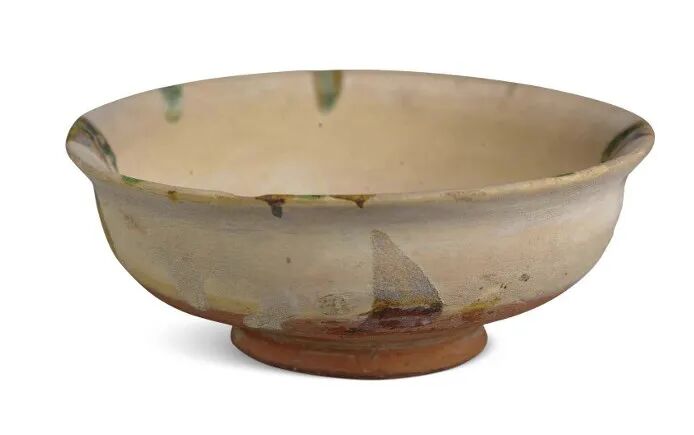
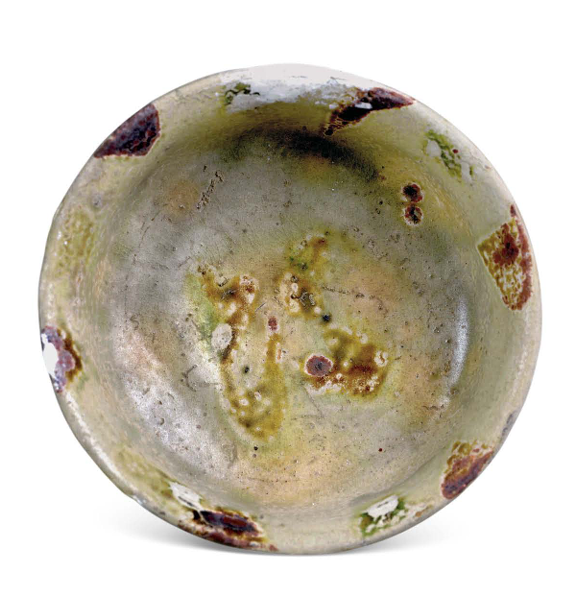
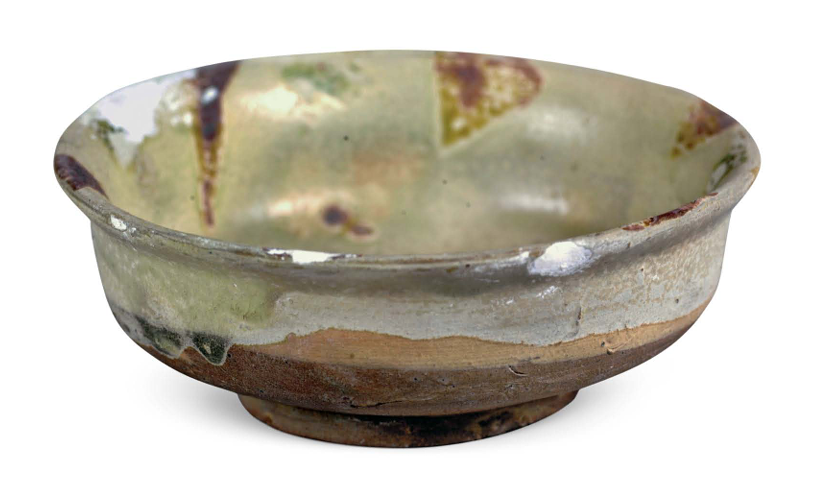
Cups, burners, and other vessels often imitated gold and silverware. Flower-mouthed bowls, folded-belly bowls, waisted cups, stem cups, and multi-footed burners were in vogue. The dimensions and wall thicknesses were notably heavier, especially for bowls. The glazes came in three shades—pale green, greenish blue, and brownish green—with pale green being the most common. The glaze layer remained thin, and the bond between body and glaze was poor, with glaze flaking and peeling frequently occurring; fine crackle patterns occasionally appeared on finer pieces. Slip was commonly applied, appearing grayish white or beige, extending only to the mid-belly or near the foot on the exterior, with the glazed area likewise limited. The slip made the glaze surface even and lustrous, and laid the foundation for underglaze painting.
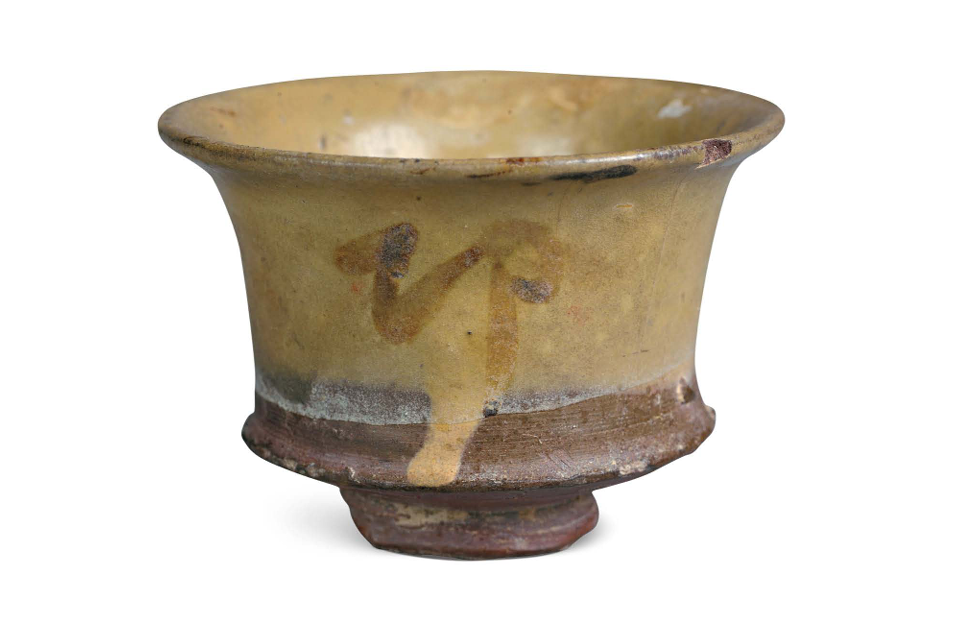
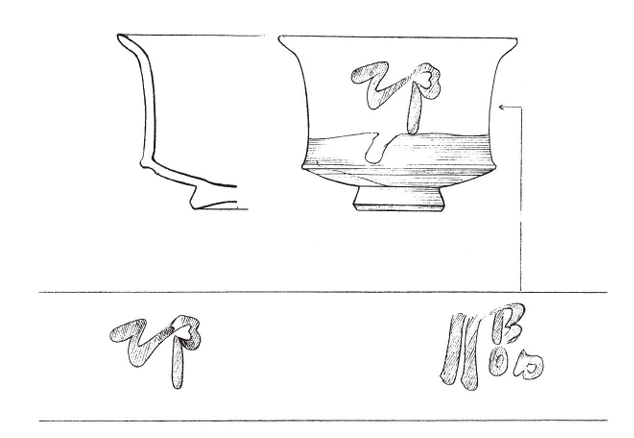
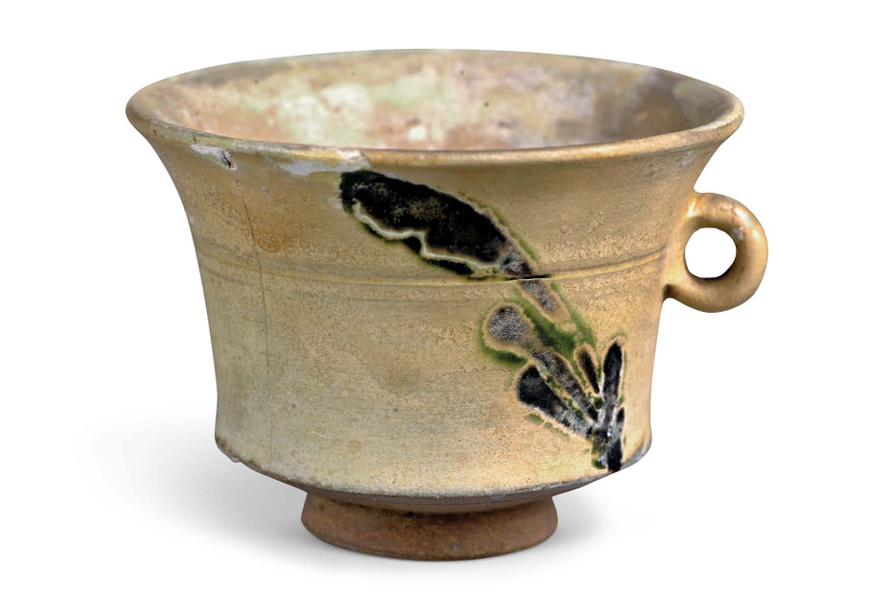
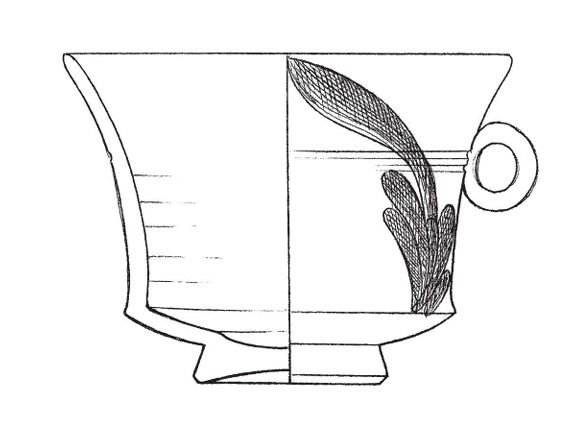
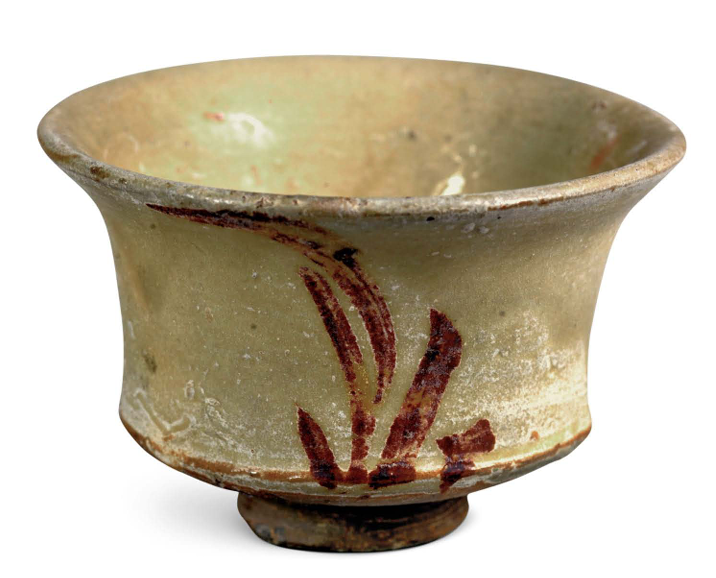
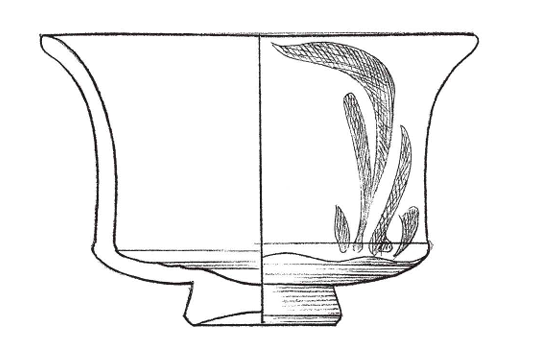
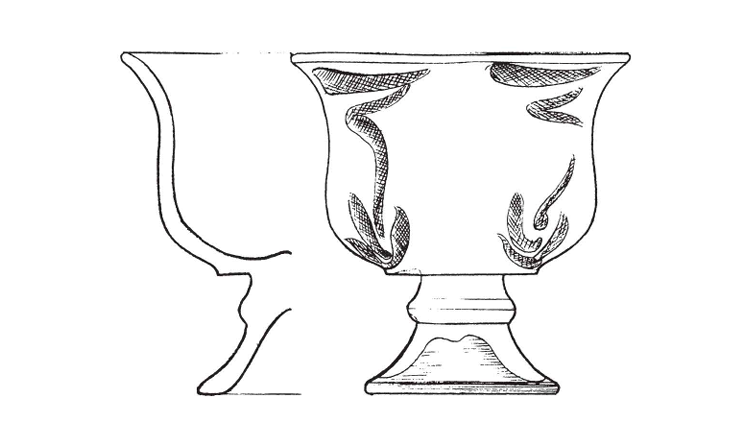
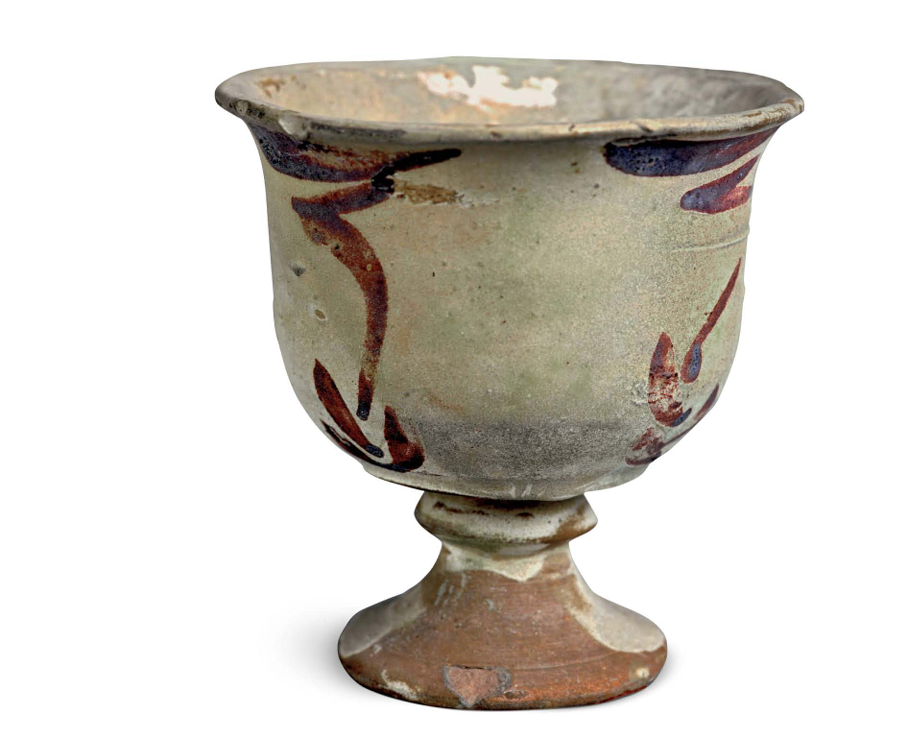
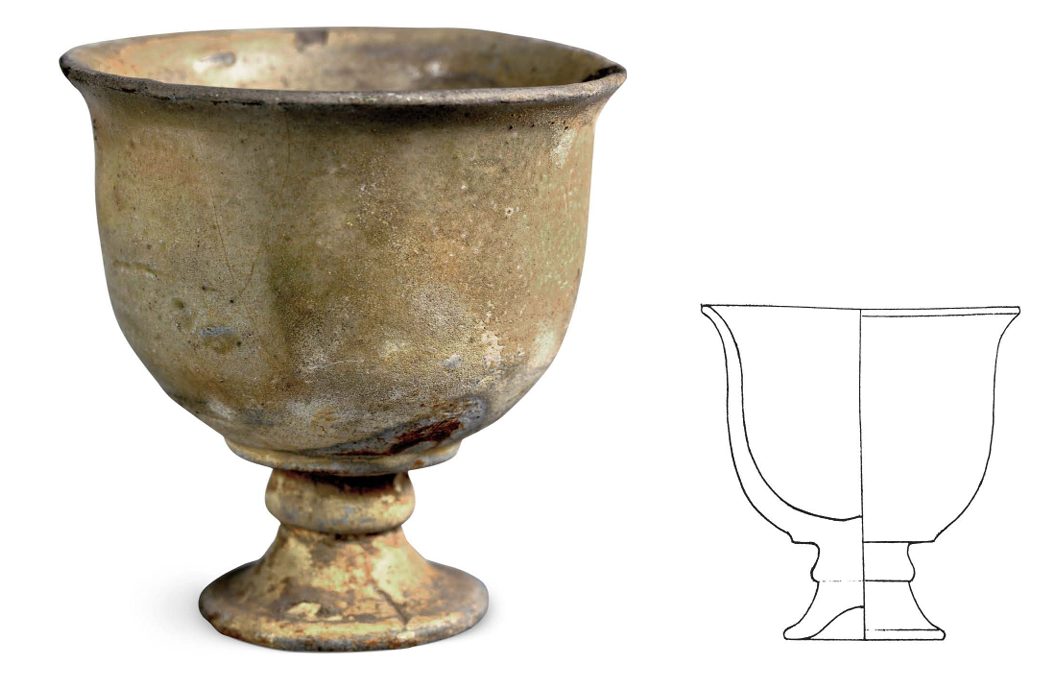
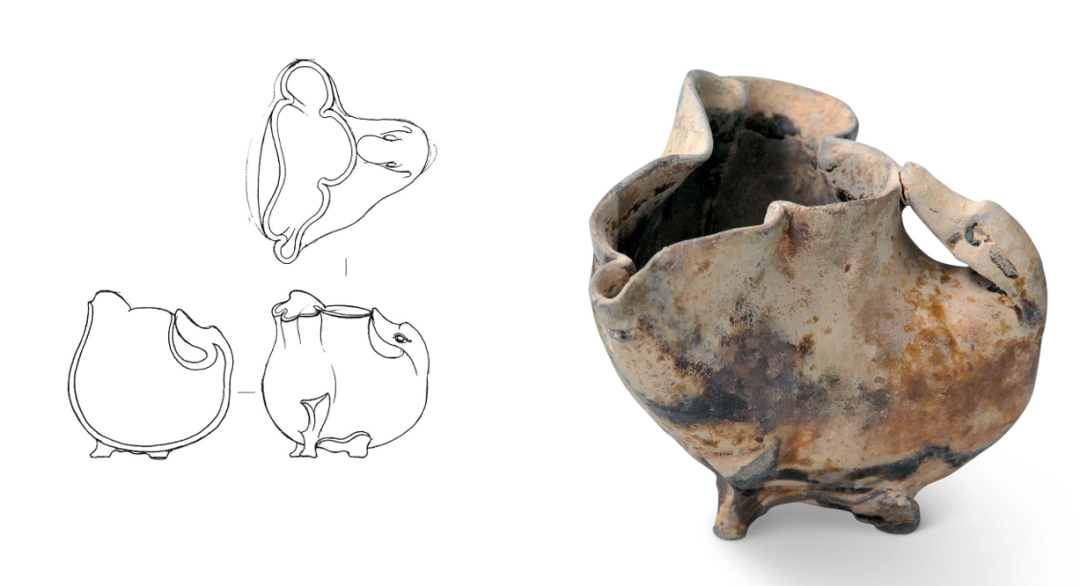
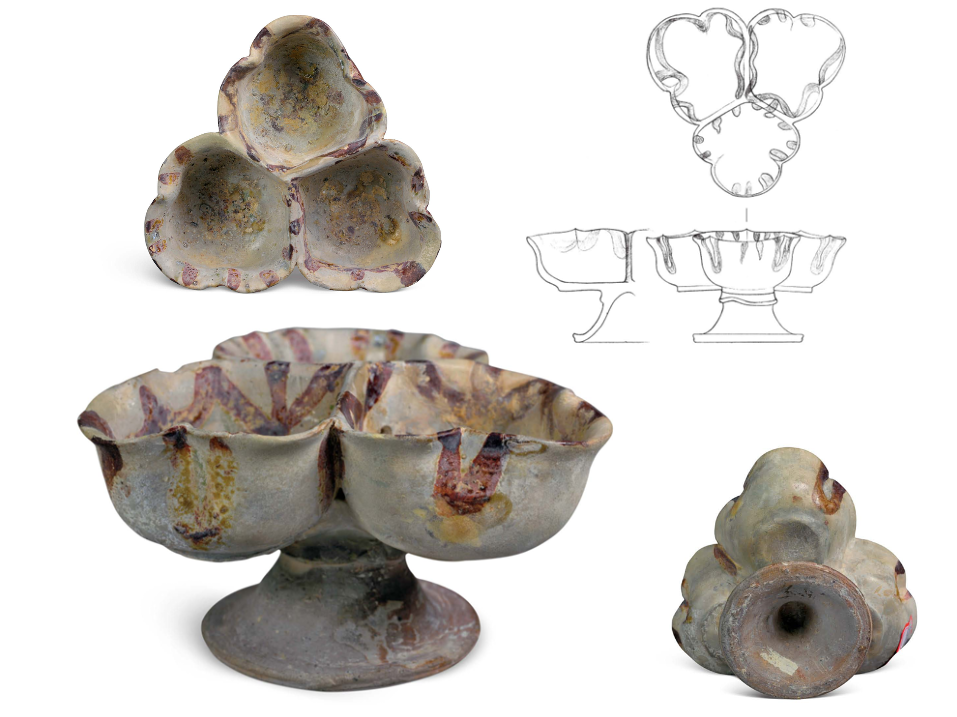
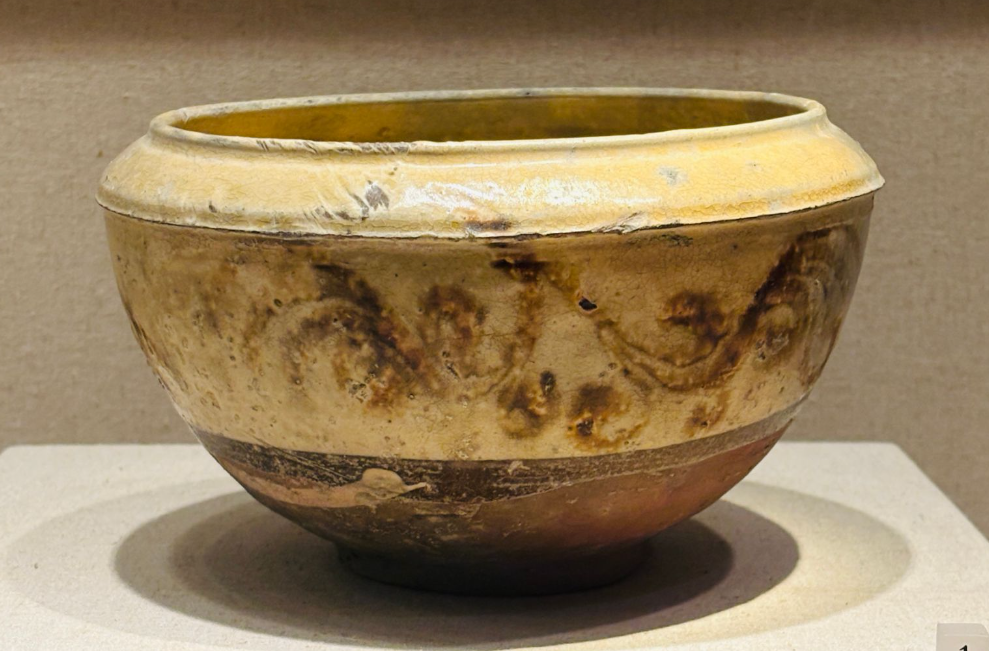
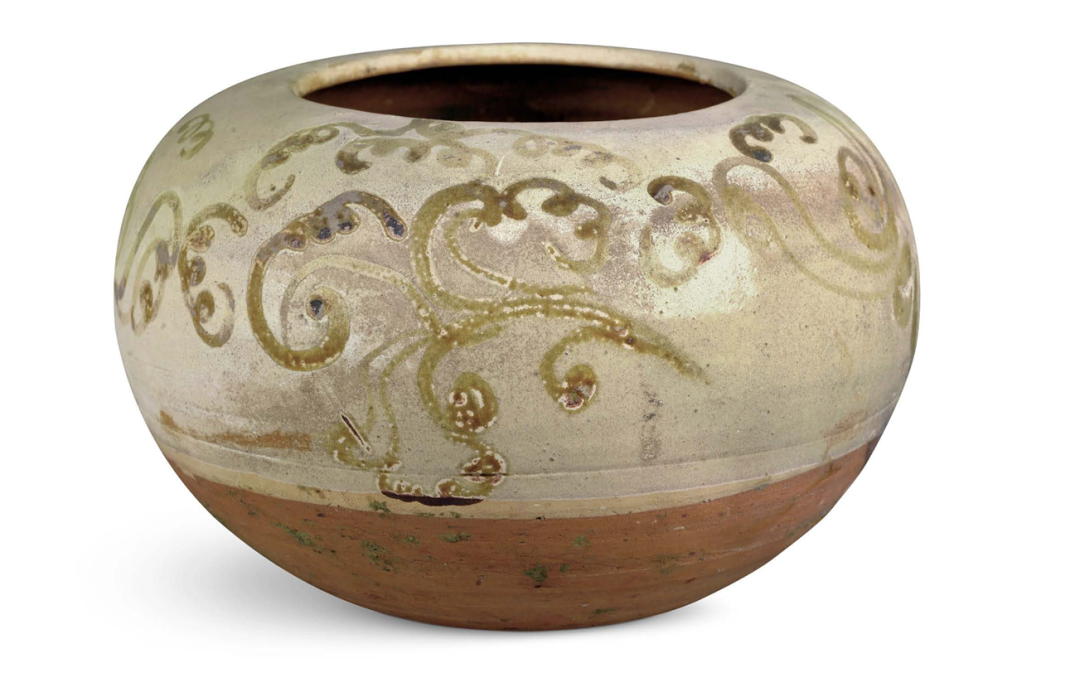
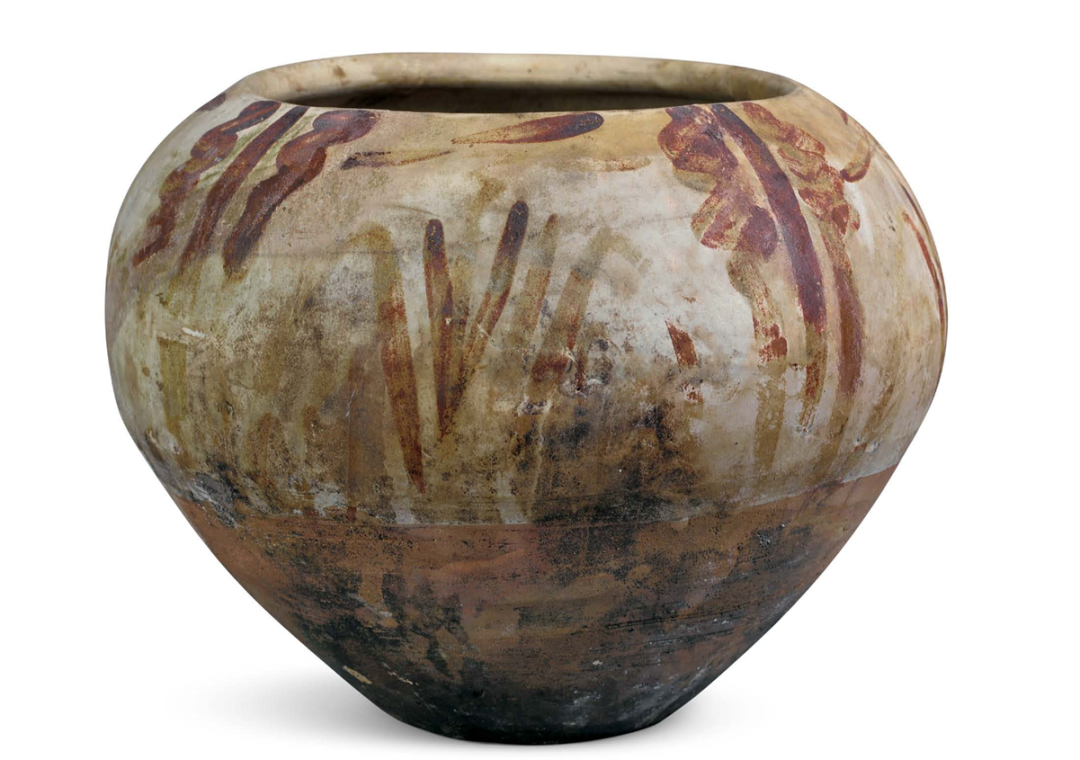
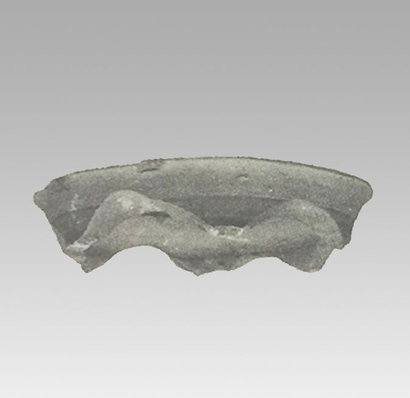
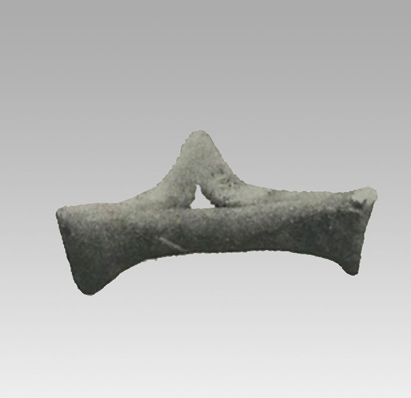
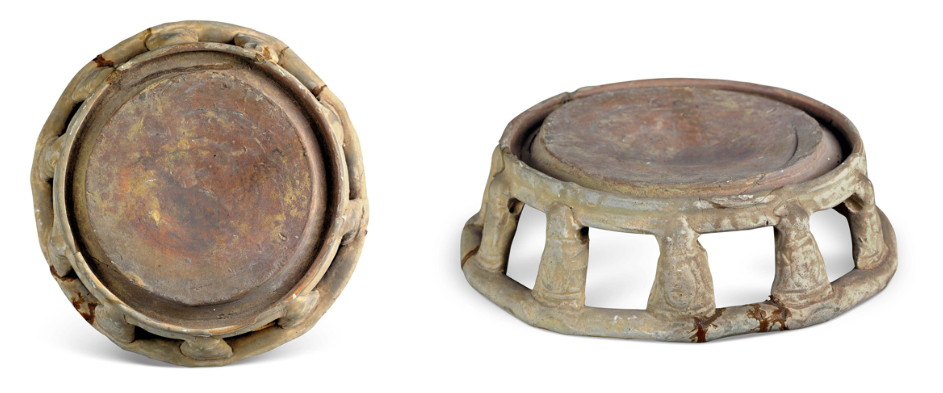
The firing method still involved direct stacking in open flames without saggars, but the technique had changed: the old practice of stacking pieces directly on their foot rims was abandoned, giving way to five-pronged and six-pronged spurs, used in combination with supports or pads. One method was mouth-down firing with glaze—spurs were placed on top of a support (teeth facing up), and the bowl blank was inverted over them; another spur was set on the outer base, and bowls were stacked inverted in sequence to save space. The other method was upright firing—spurs were placed flat side up, the bowl foot was set over the spur teeth, the bowl mouth faced upward, and additional spurs were placed inside the base for stacking. Both methods left a ring of scars on the lower outer wall, while spur marks appeared on the inner base. To prevent the supports from toppling on the sloped kiln floor, wedge-shaped pads were placed underneath. Spurs could also be combined with round pads: four spurs with waisted bases and teeth facing up were symmetrically arranged on a pad, and the vessel blank was inverted over them.
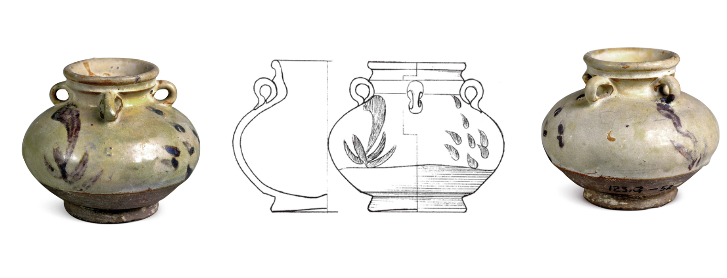
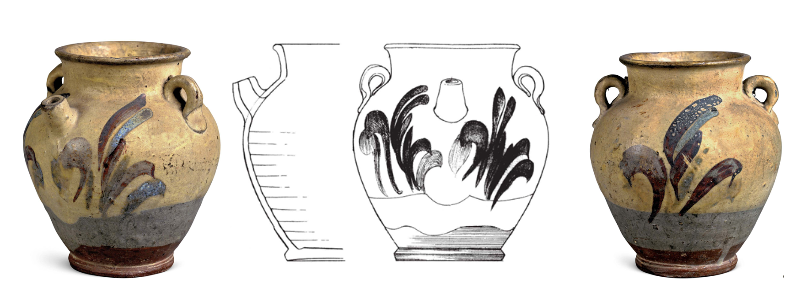
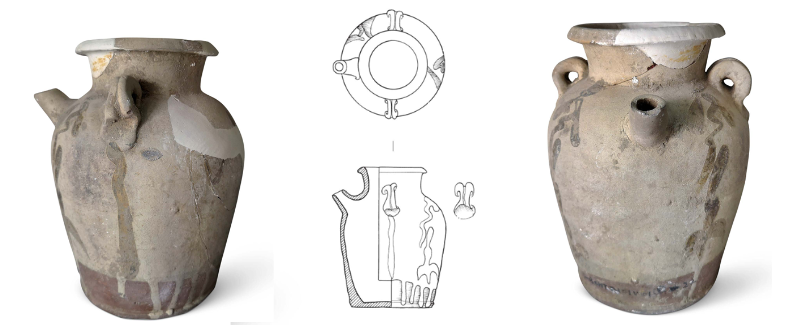
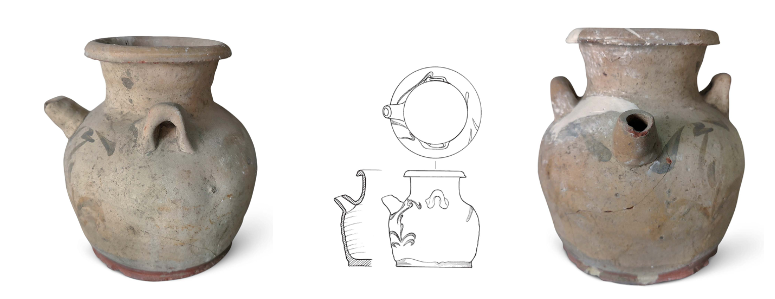
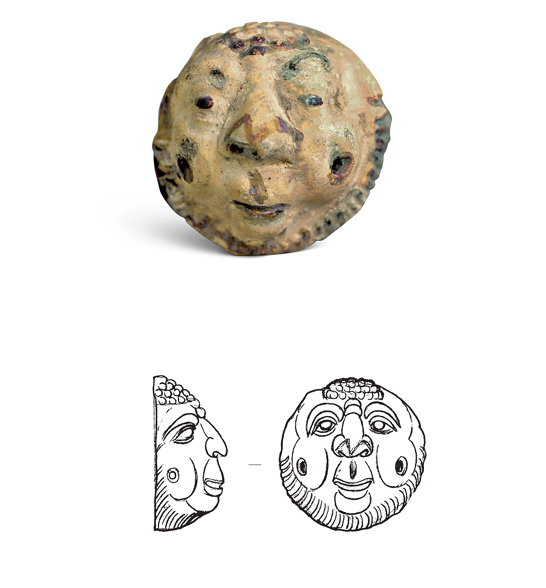
[3]Selected Porcelain from the Qiong Kiln Excavations
[4] Wu Qiupeng. A Preliminary Study on the Kiln Furniture and Loading-Firing Techniques of Qiong Kiln Ceramics [J]. Sichuan Cultural Relics, 2005, (01): 50-55.