注册
繁体中文 >
  • 繁体中文
  • English
  • Español
  • 日本語
  • Français
  • Italiano

Ultra deep inventory of the "rust flower" of the Northern Song Dynasty

2025-02-05

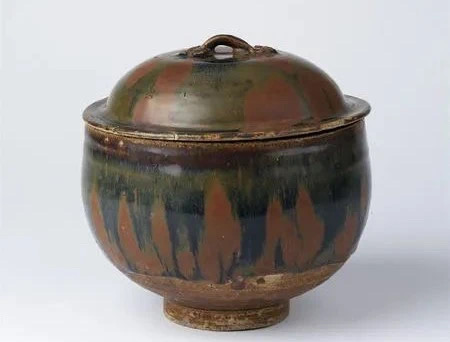
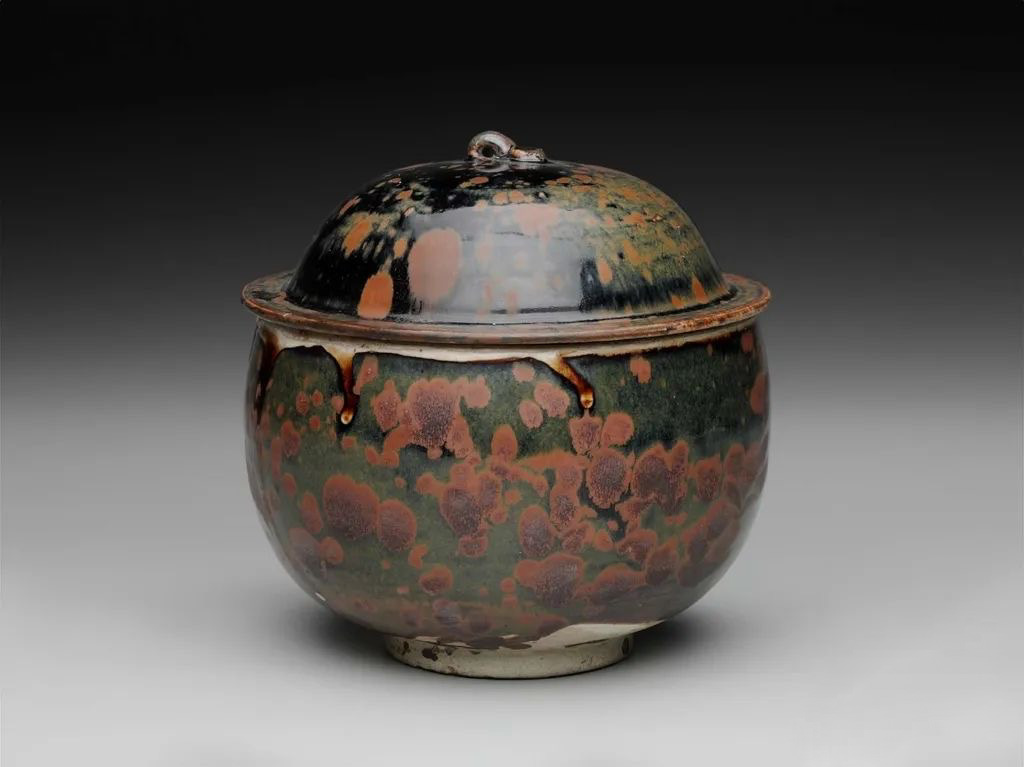
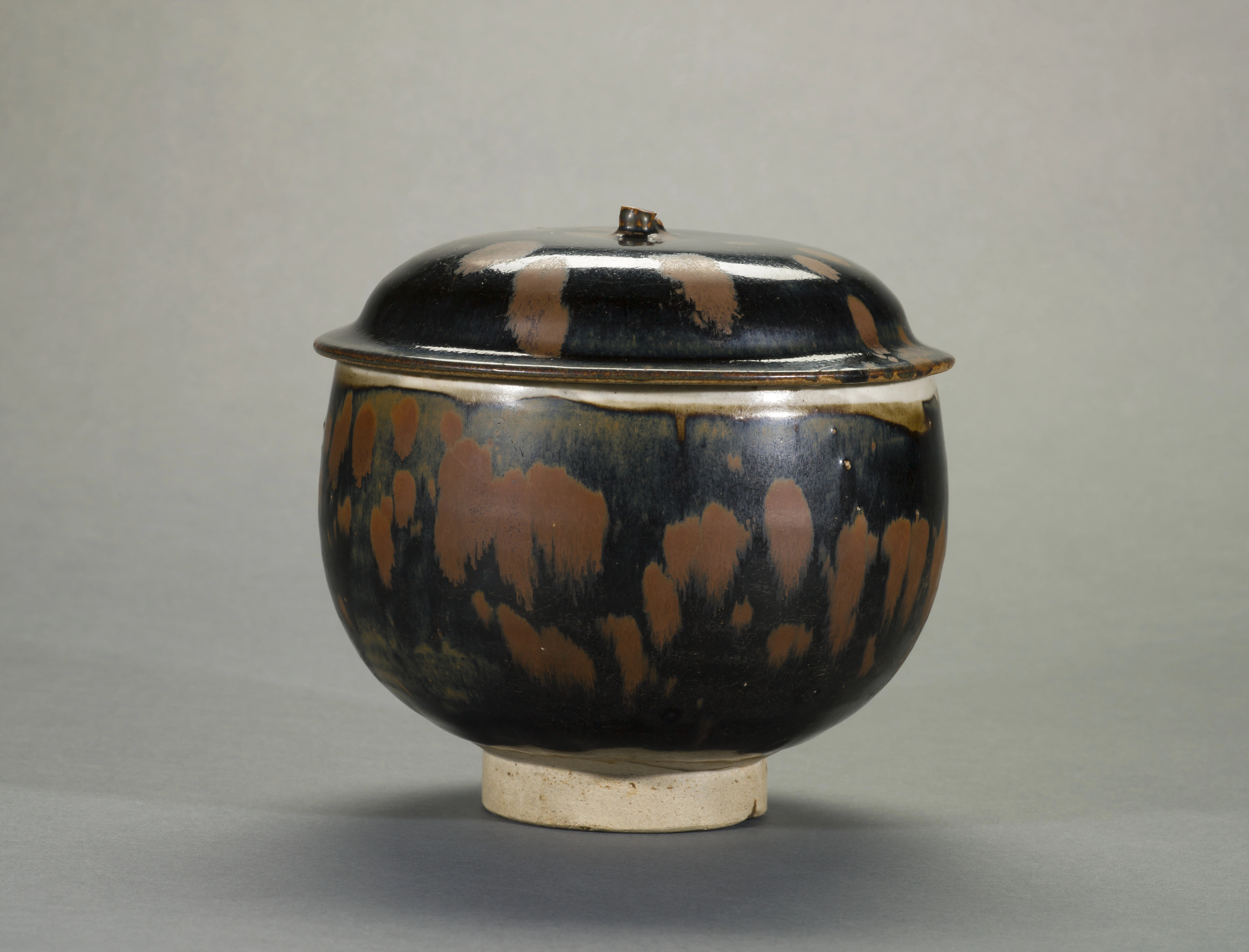
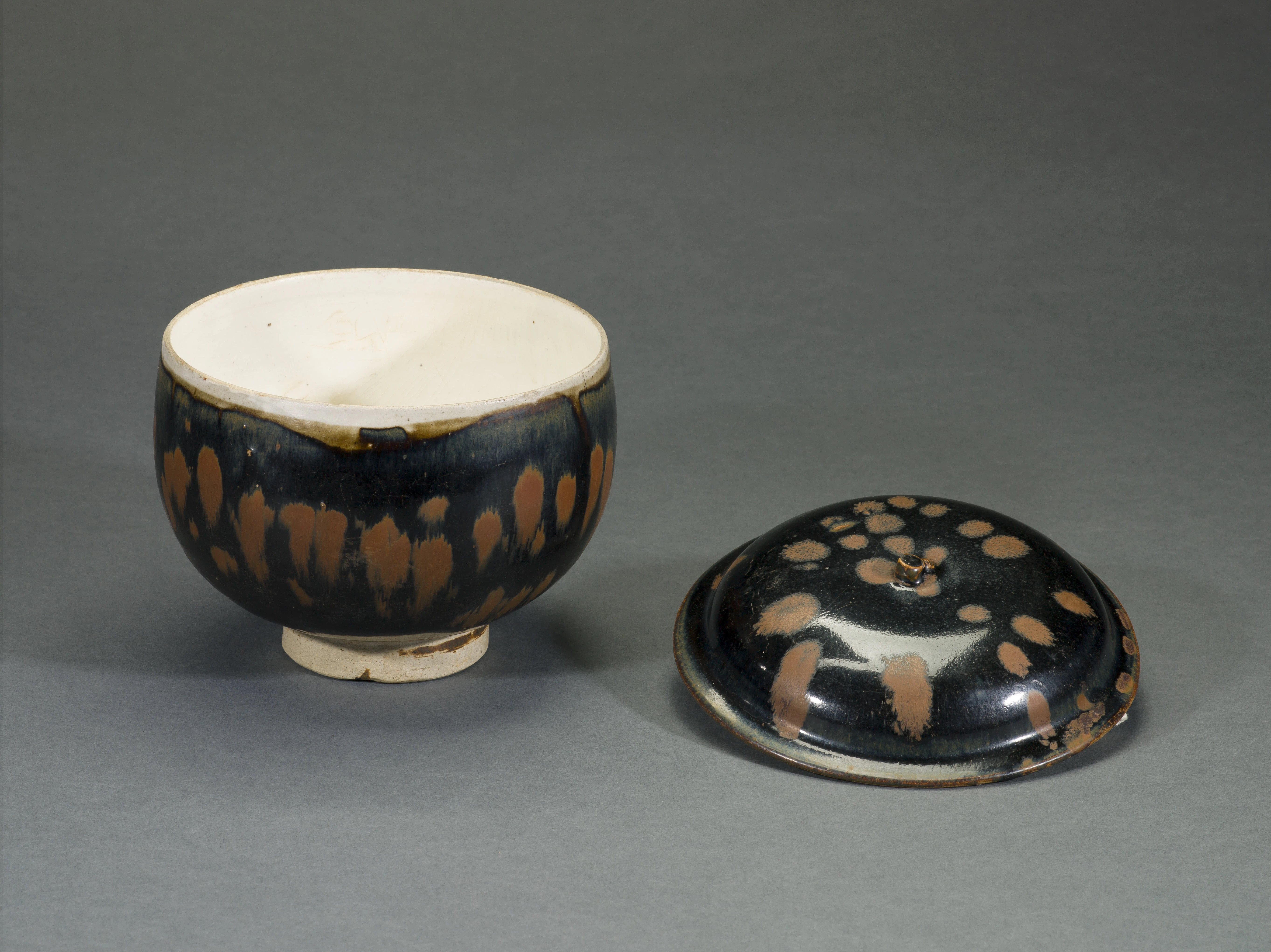
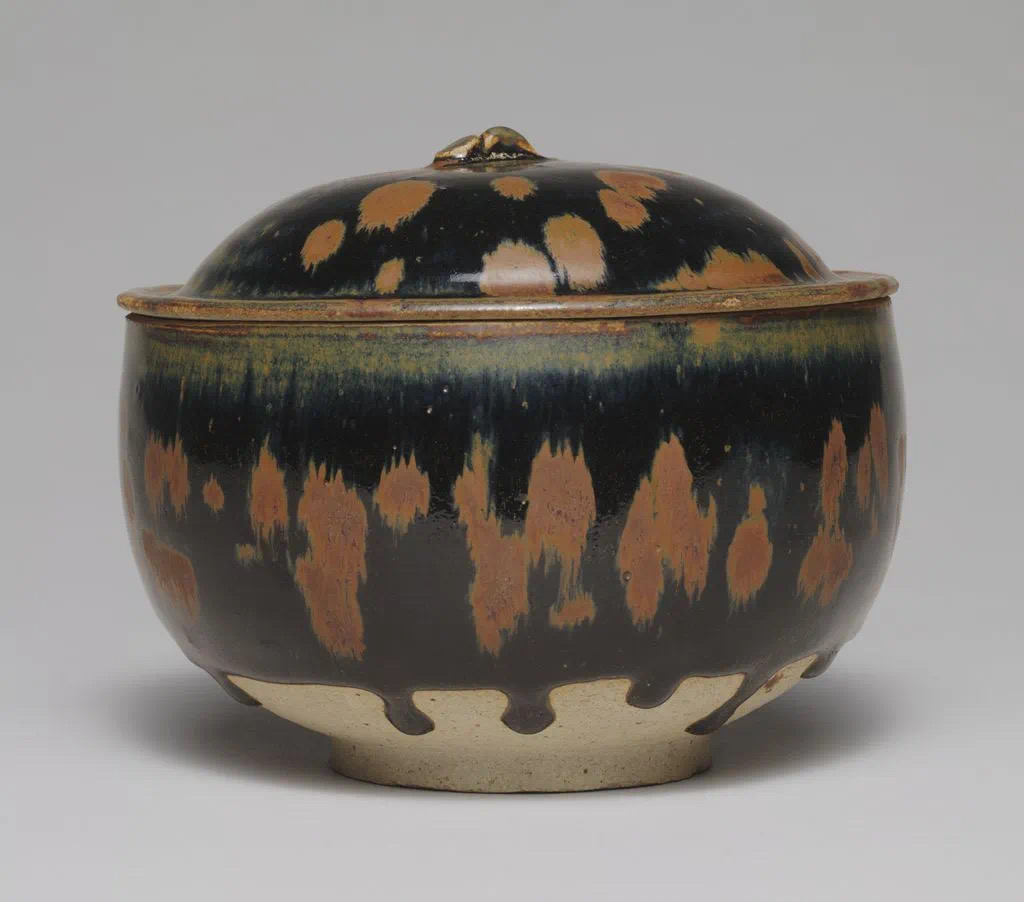
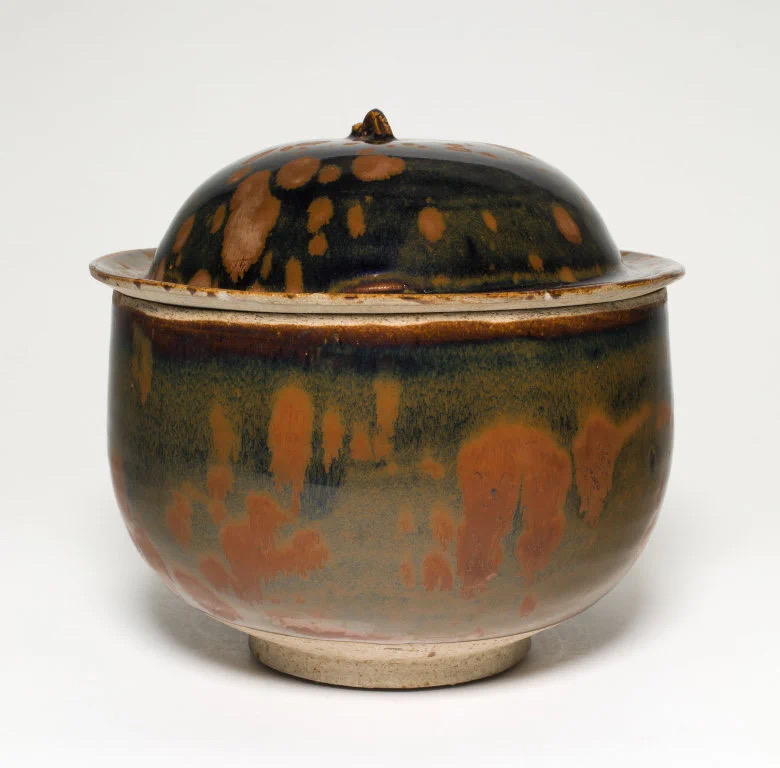
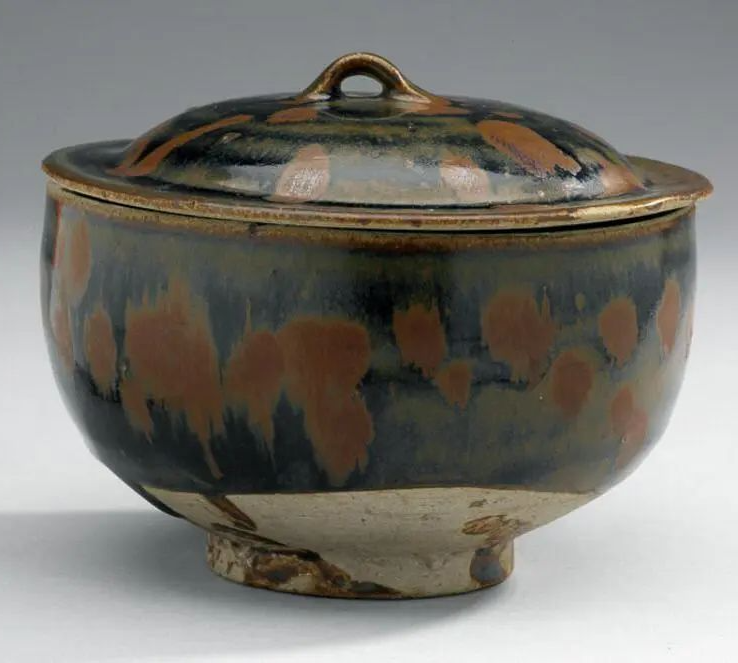
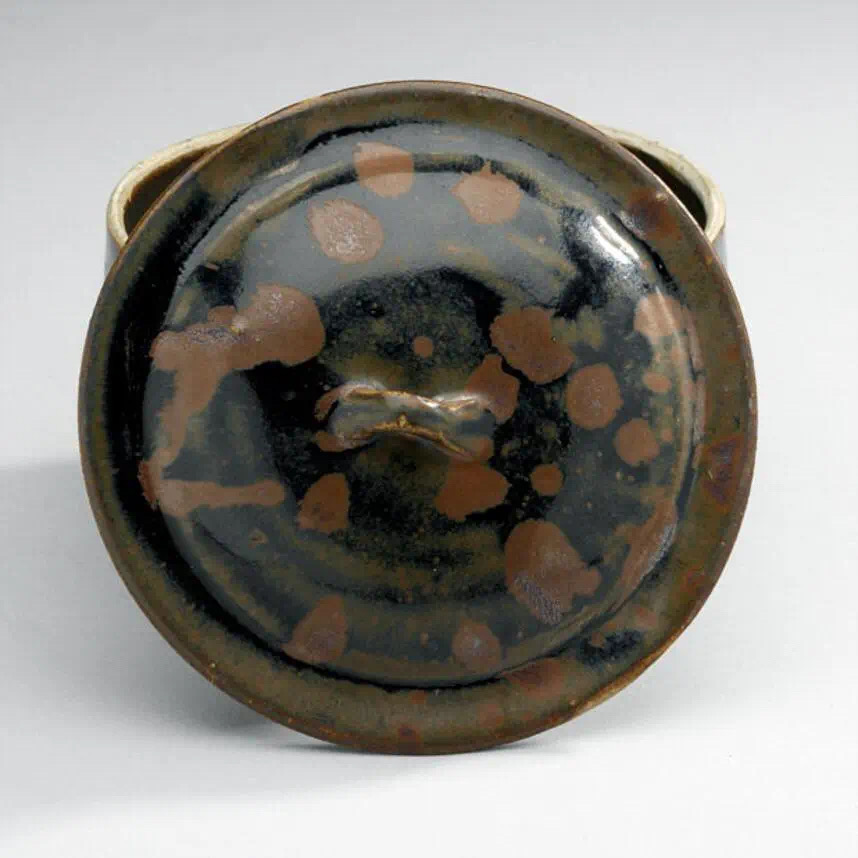
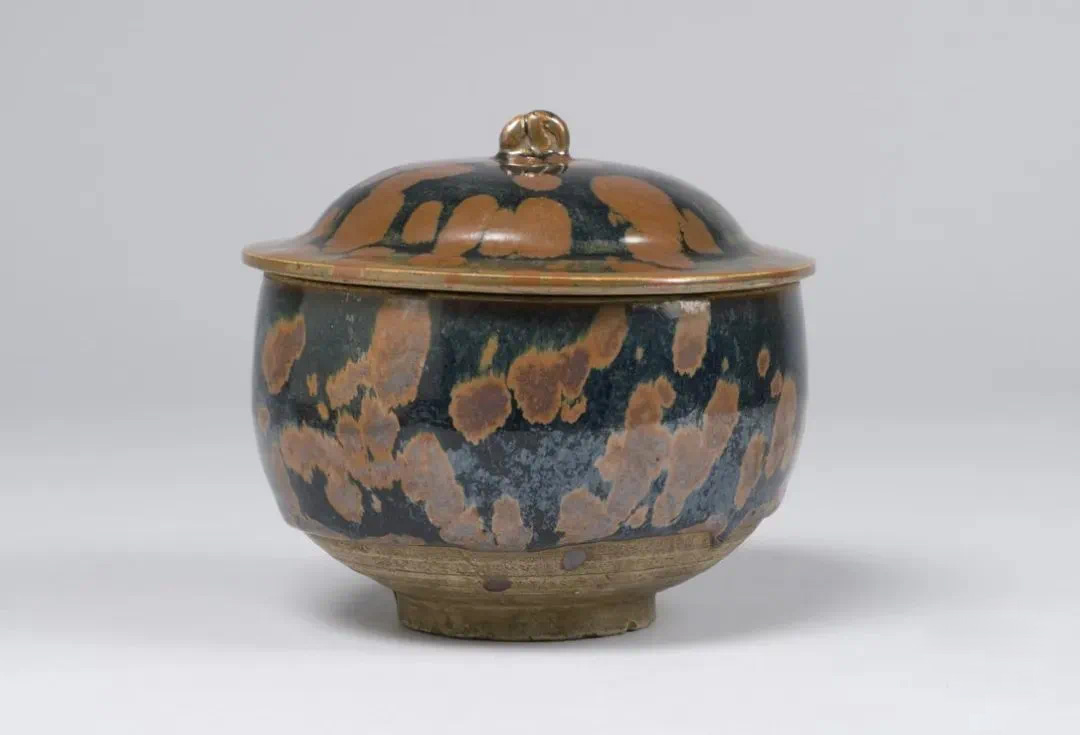
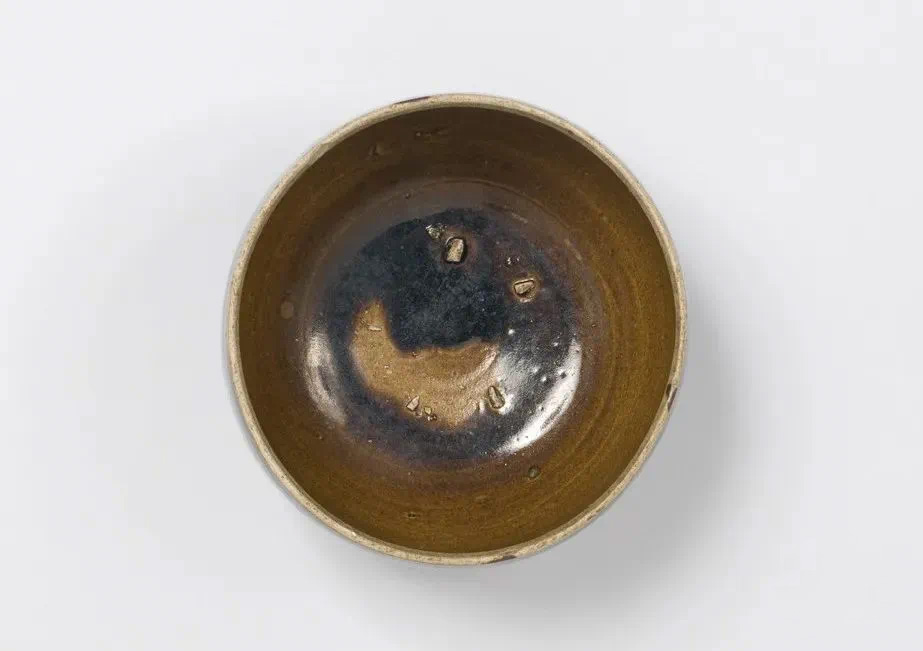
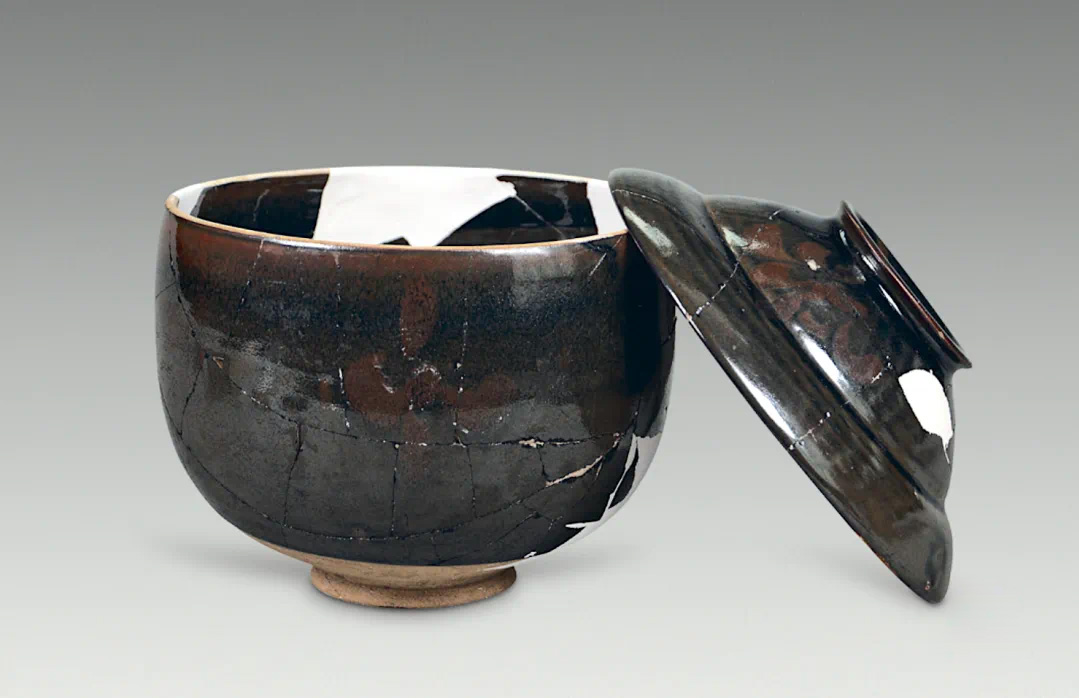
Covered Bowl


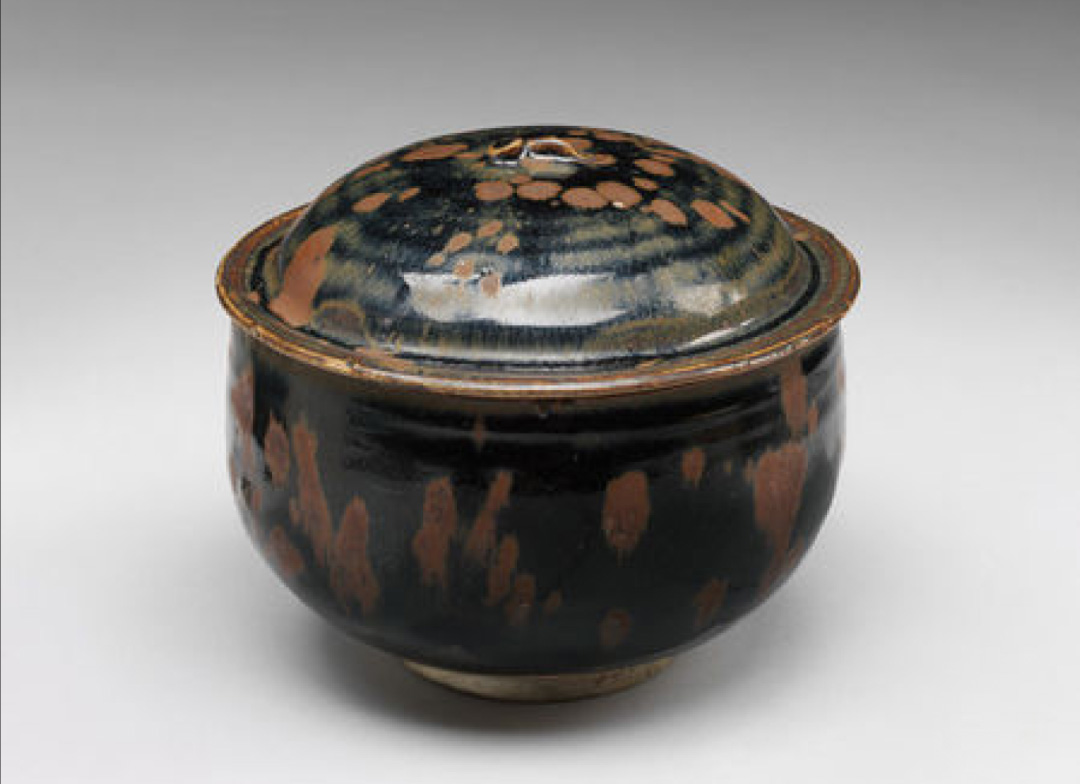
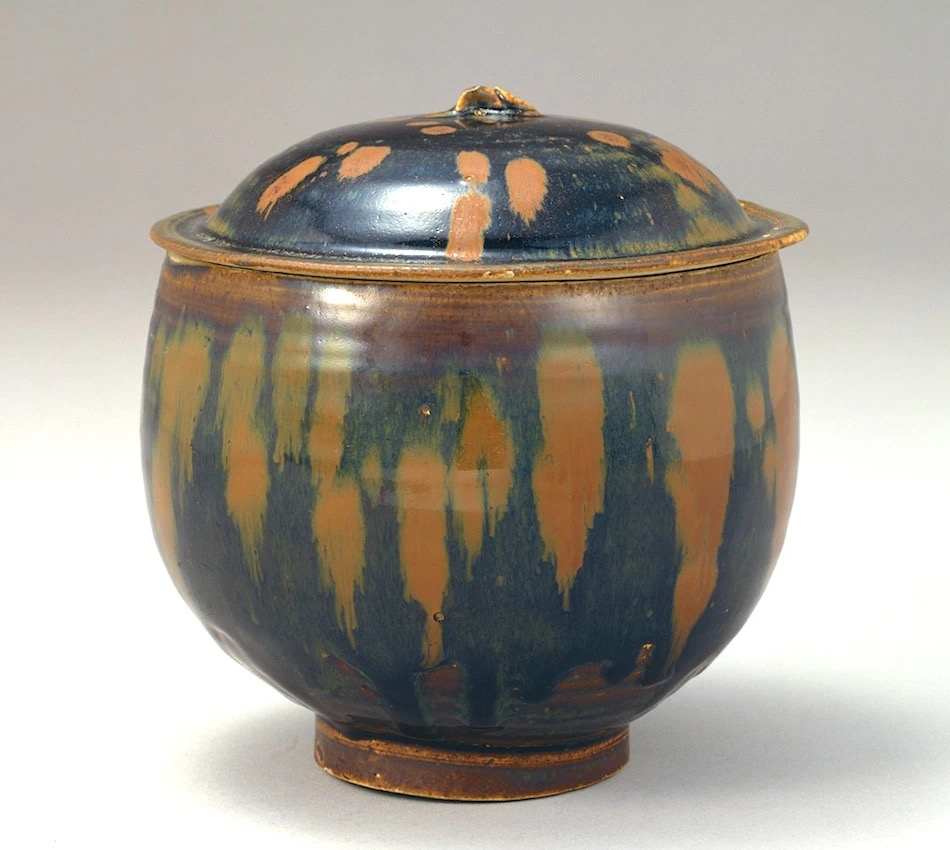
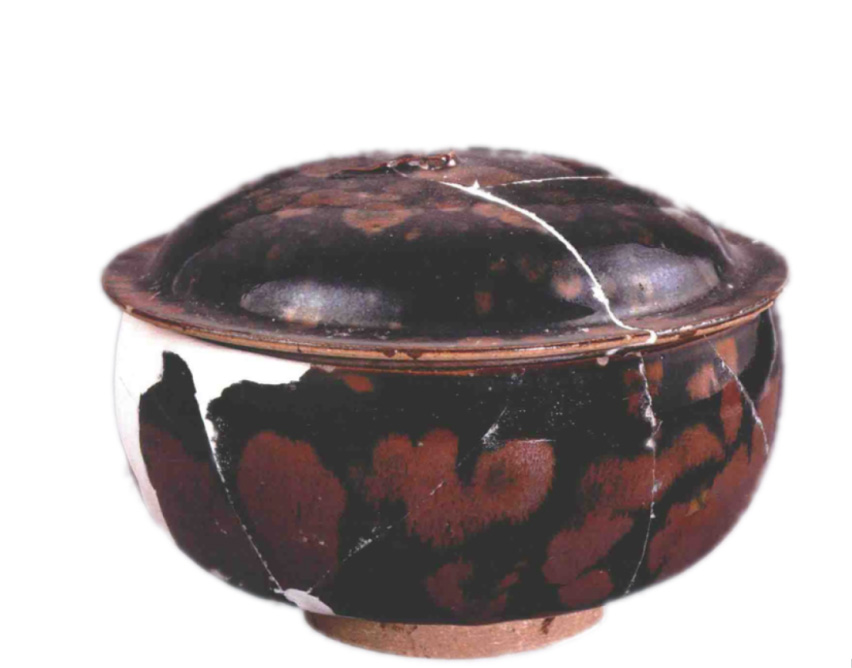
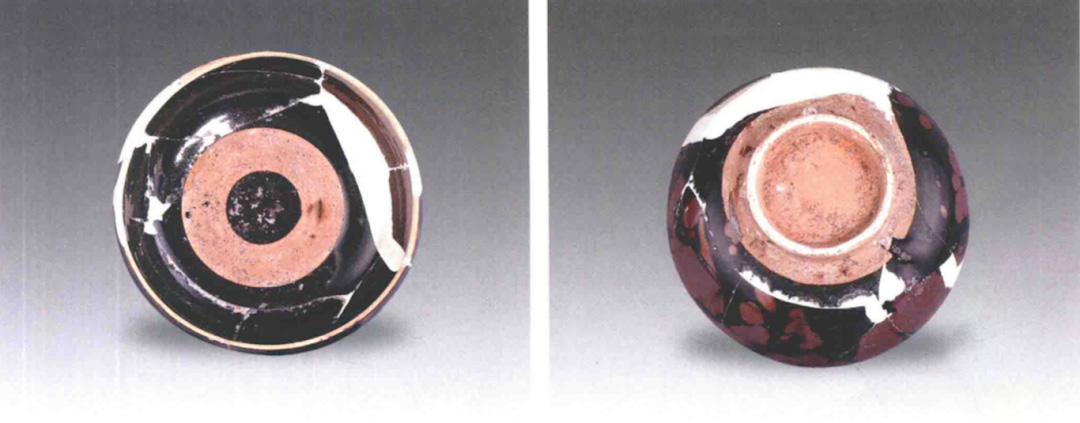
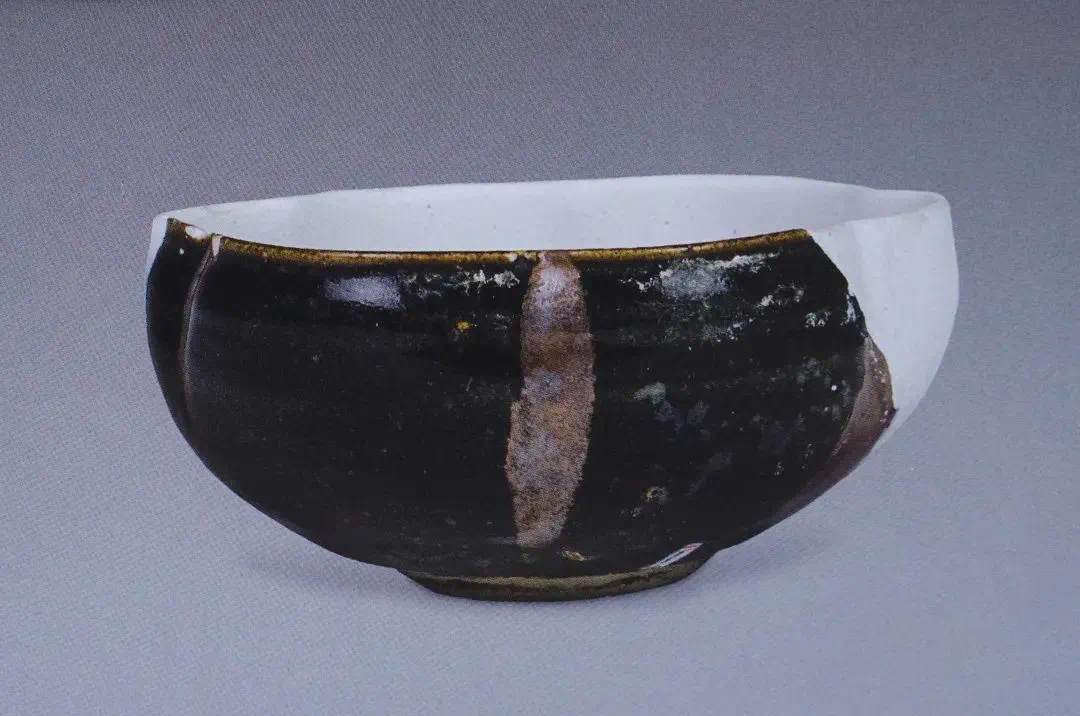
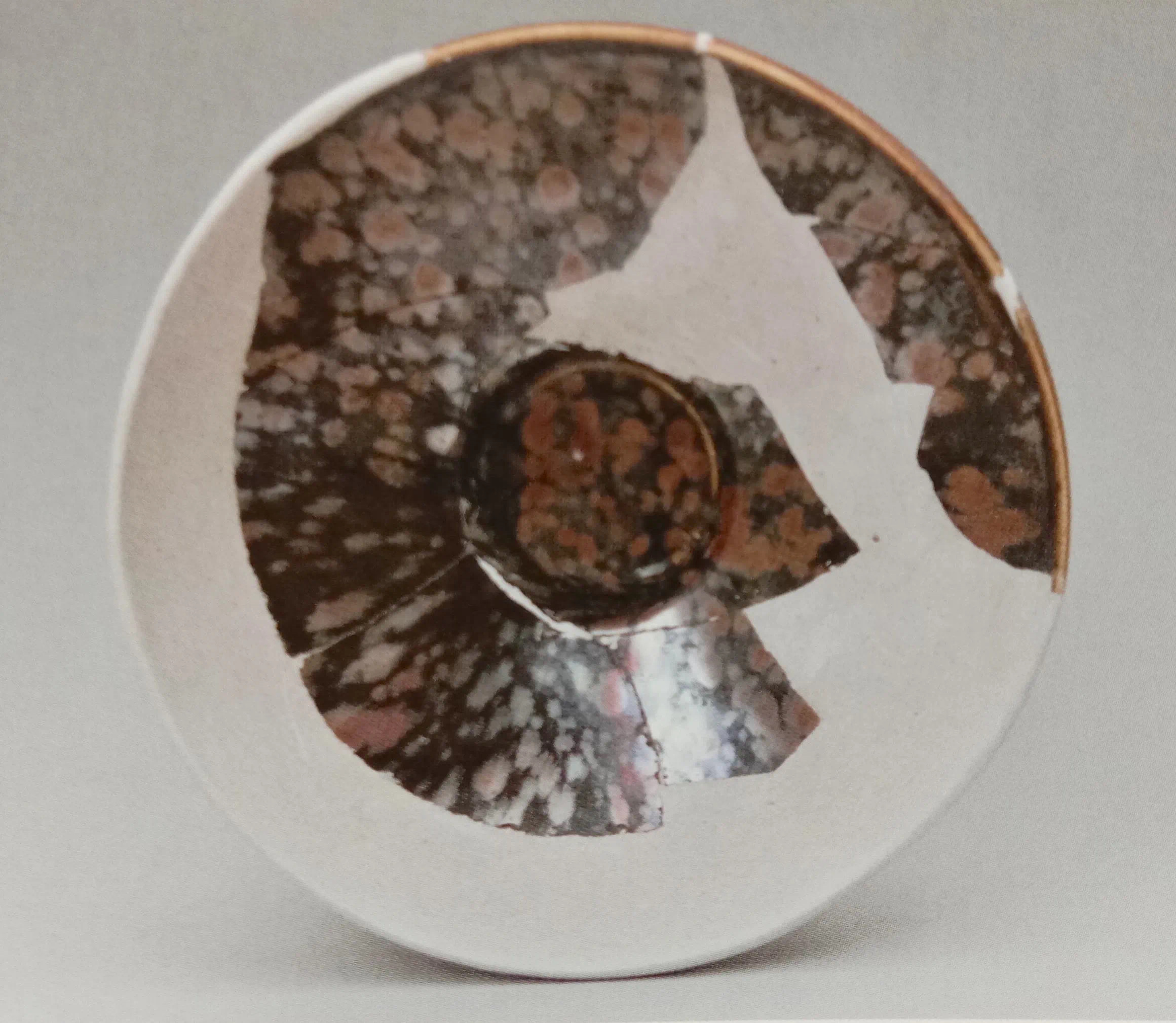
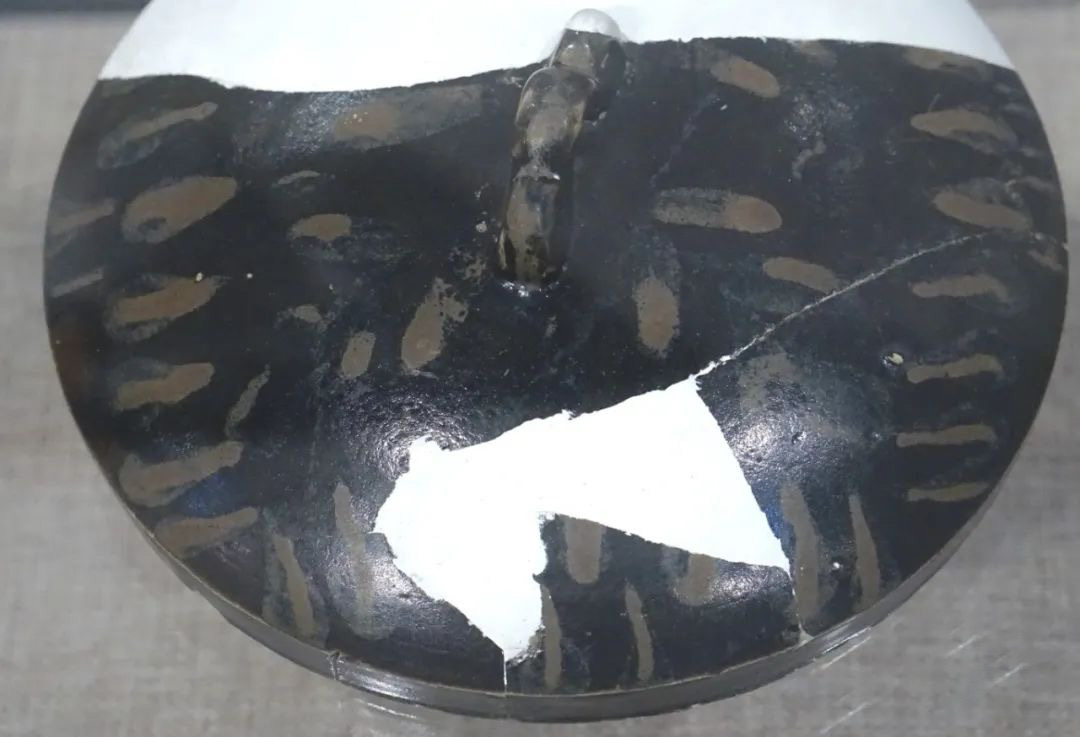
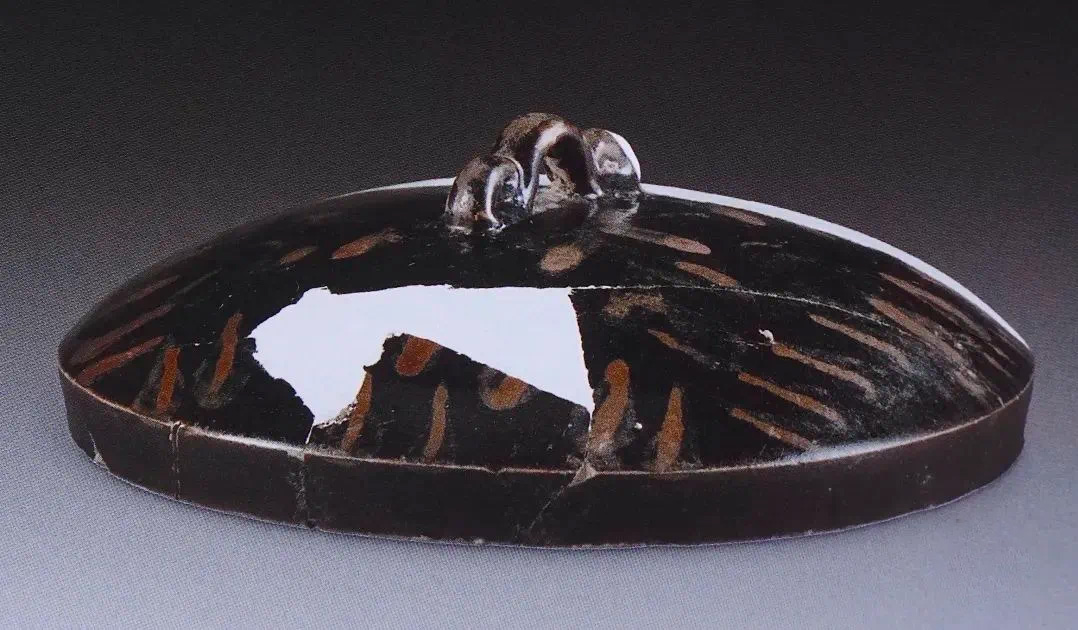
The covered bowl was also a common vessel type in iron-painted decoration during the Northern Song Dynasty, typically decorated only on the exterior, primarily with splashed speckle patterns. Products from kilns in present-day Henan Province are relatively numerous, while the origins of some pieces are difficult to determine.


Archaeological Materials


Excavated artifacts from the Zhanggongxiang kiln site in Ruzhou
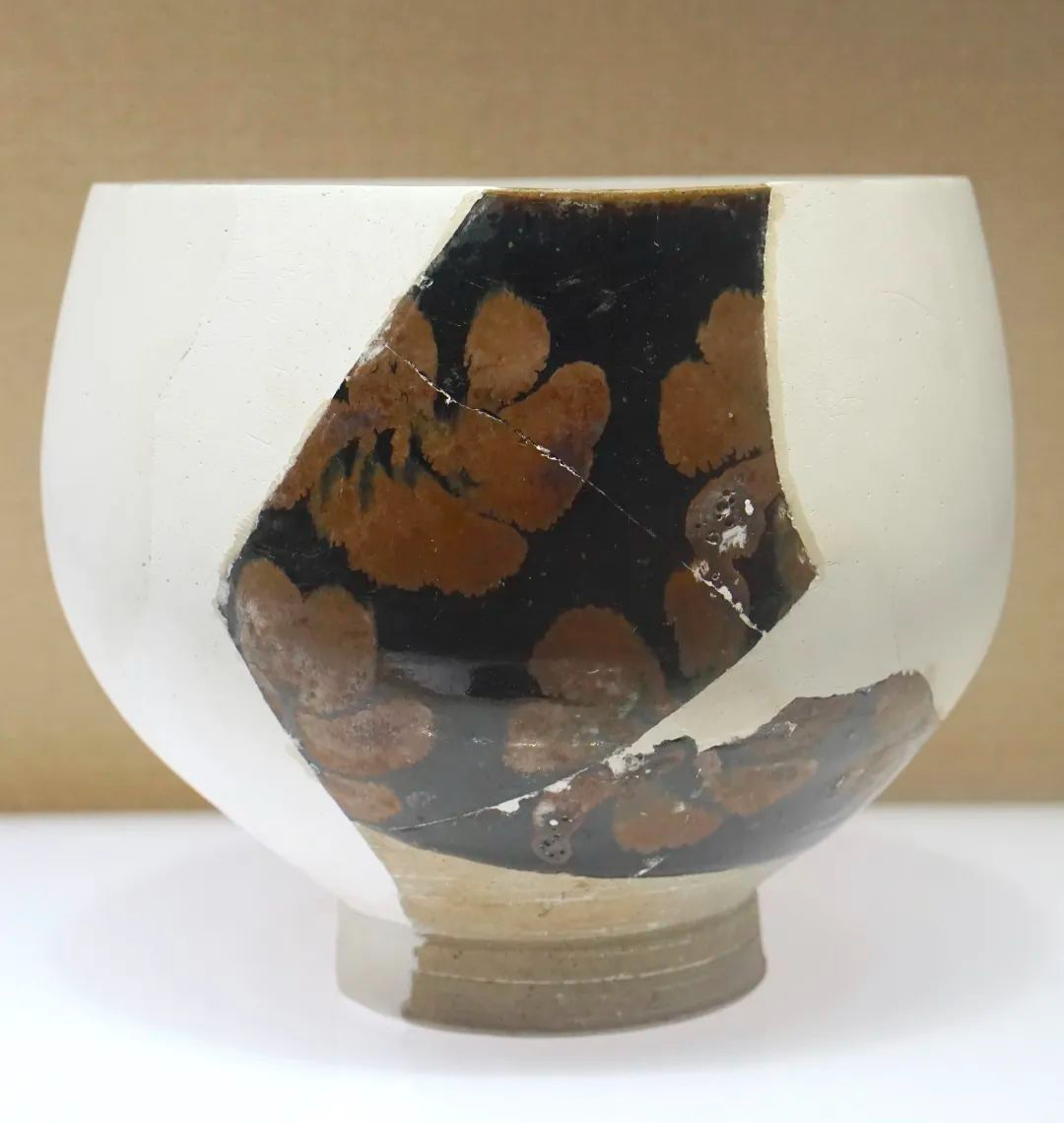
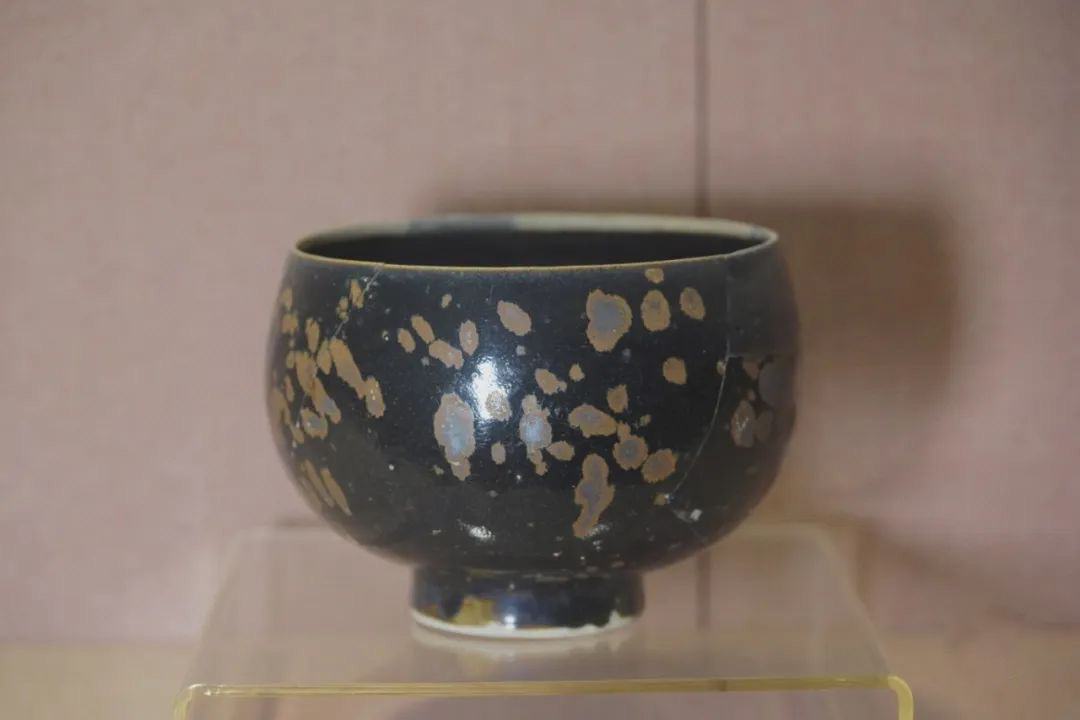
Excavated artifacts from the Qingliangsi kiln site in Baofeng


Excavated in 2006 from the Pishan Cemetery in Xiangcheng District
Xiangyang Museum


Collections in Institutions Worldwide


Freer Gallery of Art and Arthur M. Sackler Gallery 🇺🇸


Museum of Fine Arts, Boston 🇺🇸
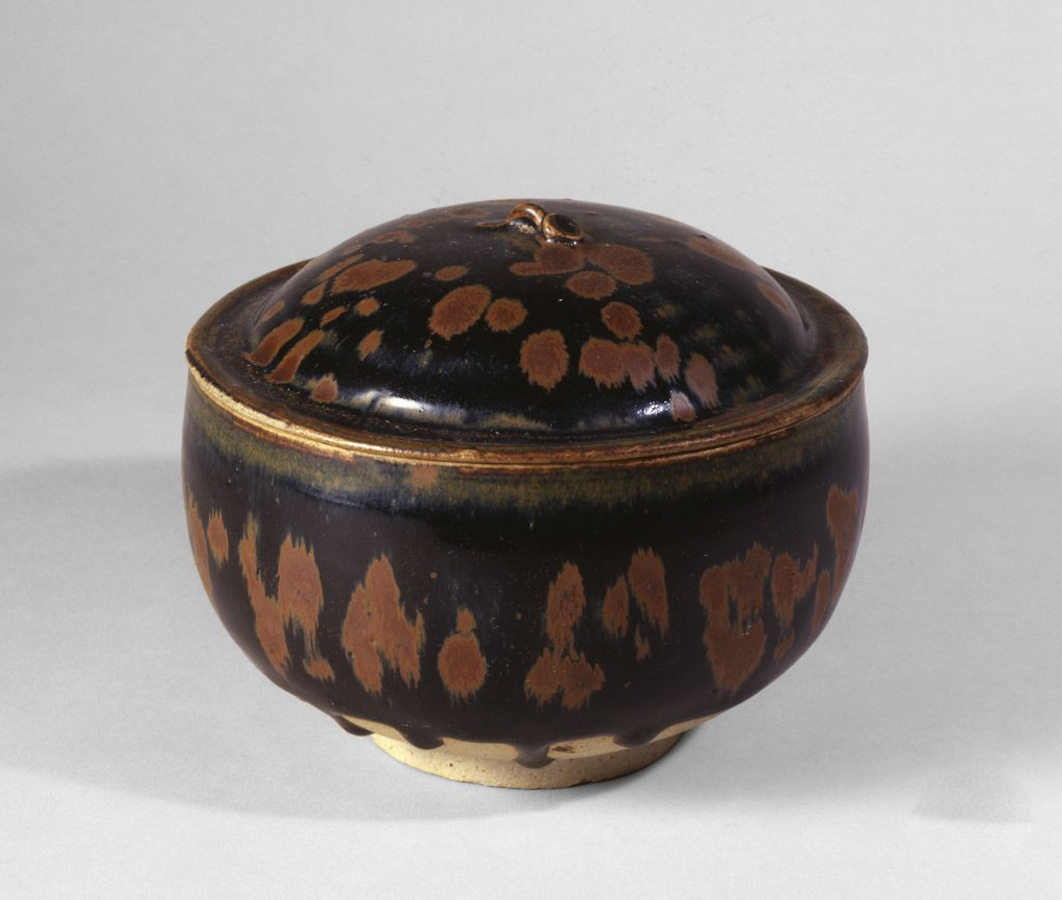
 

Saint Louis Art Museum 🇺🇸


Harvard Art Museums 🇺🇸


Art Institute of Chicago 🇺🇸

Royal Ontario Museum 🇨🇦


Museum of East Asian Art, Cologne 🇩🇪
(The support marks on the inner bottom are characteristic of Cizhou or Hebi kilns)
National Gallery of Victoria 🇦🇺
Victoria and Albert Museum 🇬🇧


Tokyo Fuji Art Museum 🇯🇵‍

Private collection

Dish


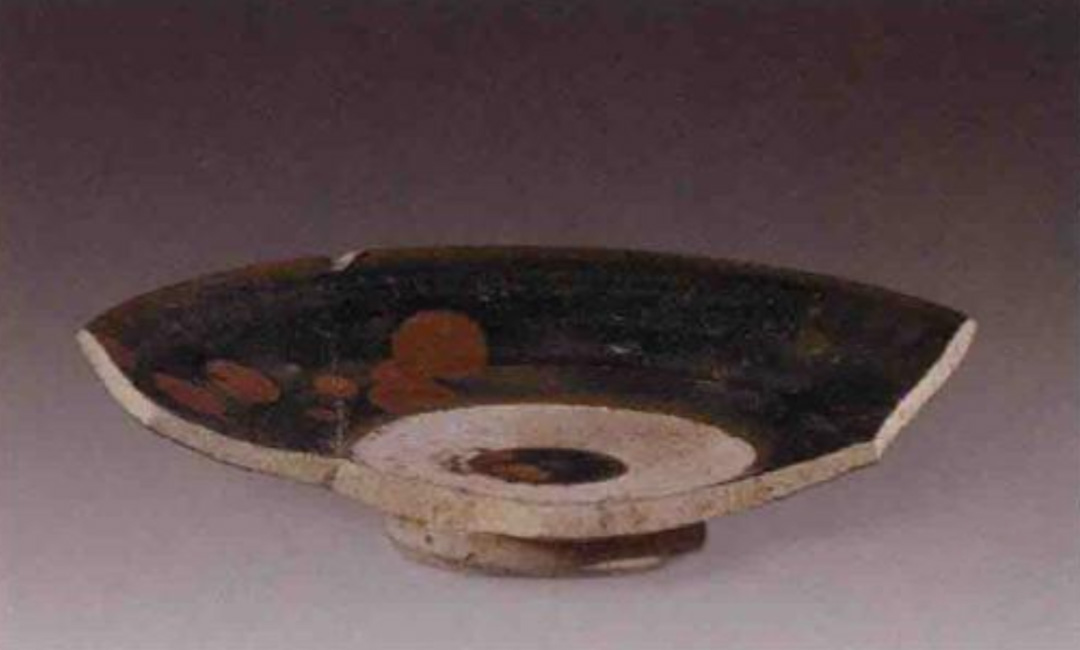
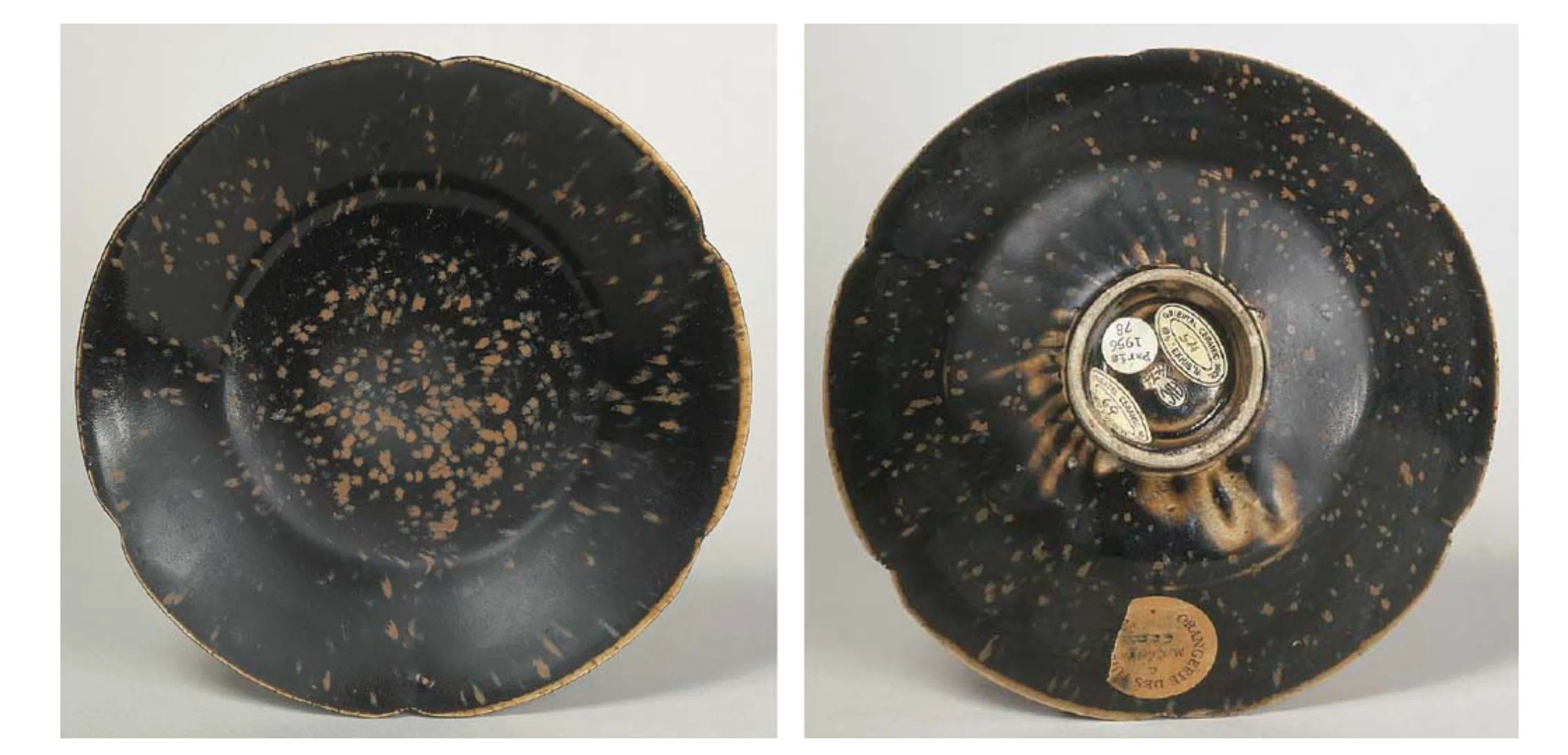
Dishes are a relatively uncommon vessel type in Northern Song iron-painted ware, primarily decorated with splashed sauce-colored dots. The Duandian kiln produced them in greater quantities.


Archaeological materials
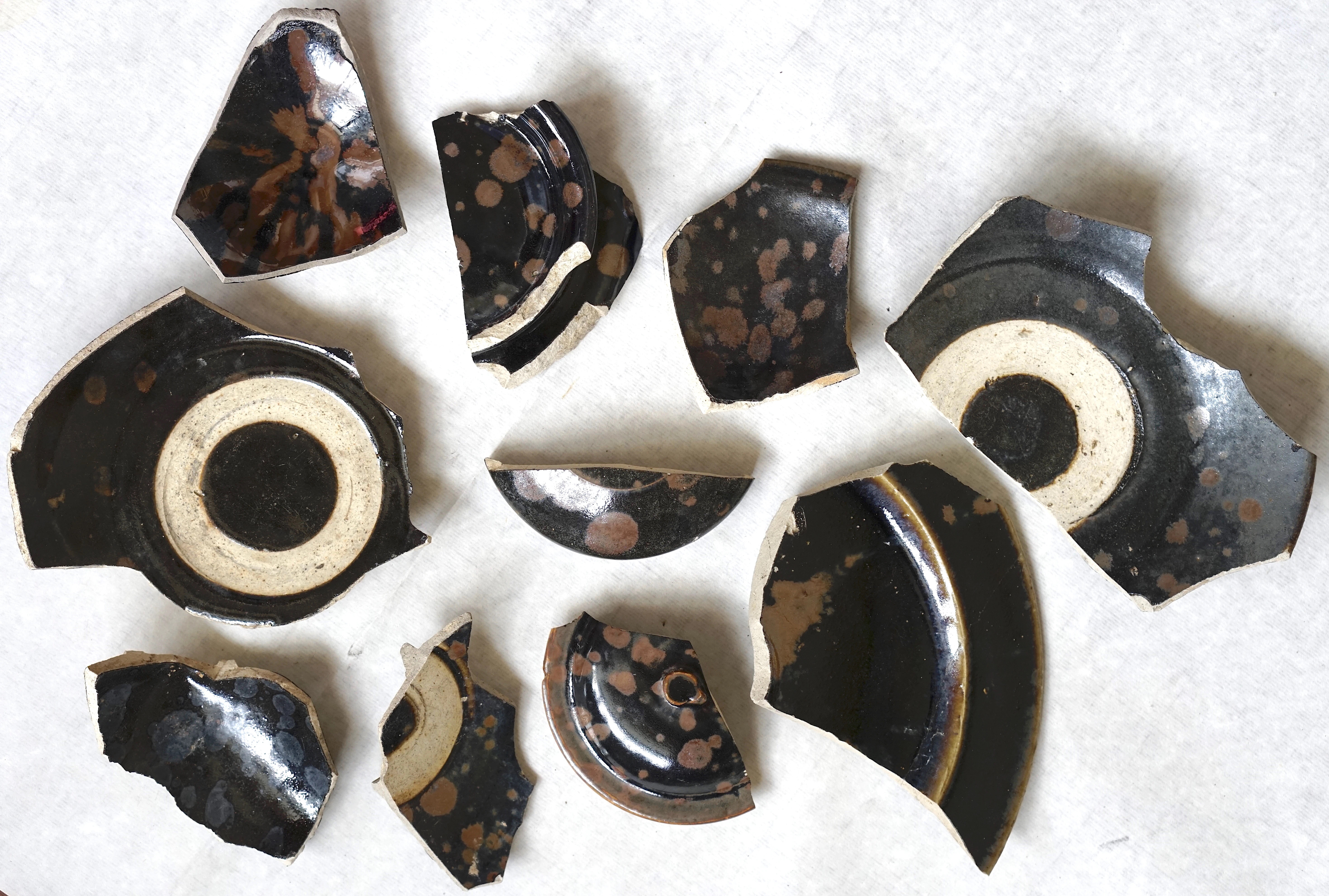
 

Collected from the Jingxing kiln site
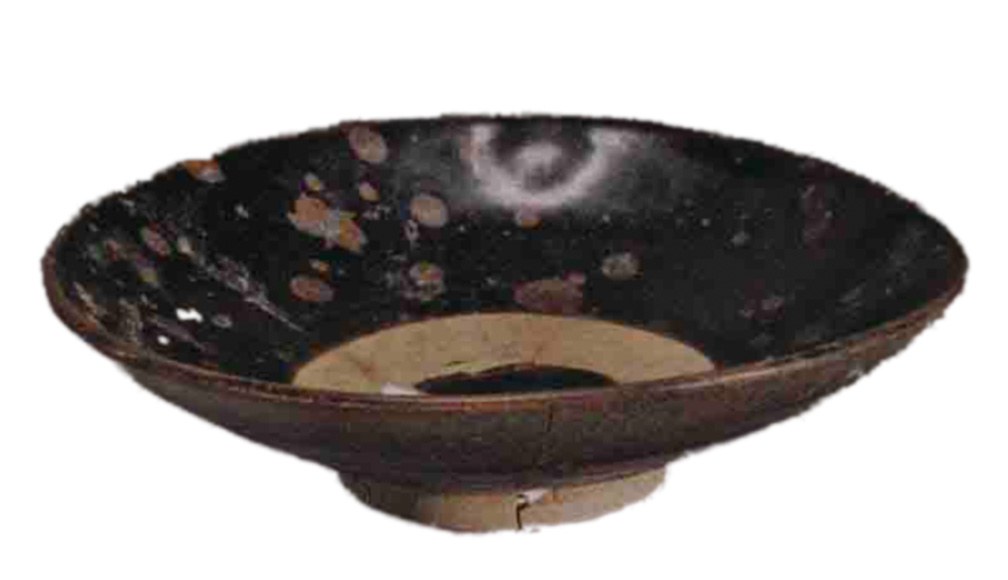


Lushan Yangnan site


Collections in overseas and domestic institutions
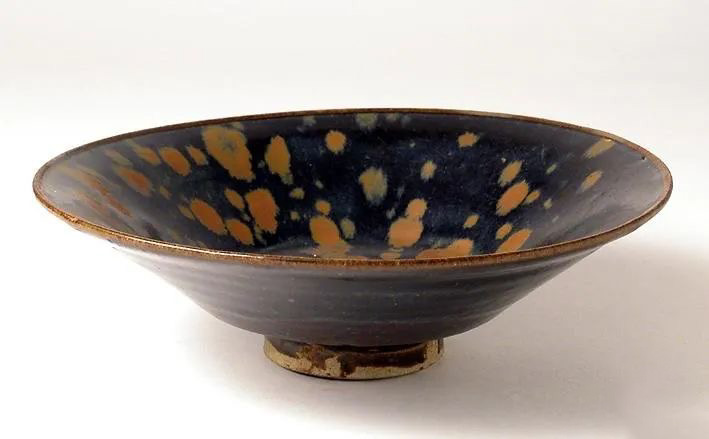
 

Museum of Far Eastern Antiquities, Sweden 🇸🇪

(Also can be called a bowl. Possibly a product of the Zibo kiln)


Auction materials
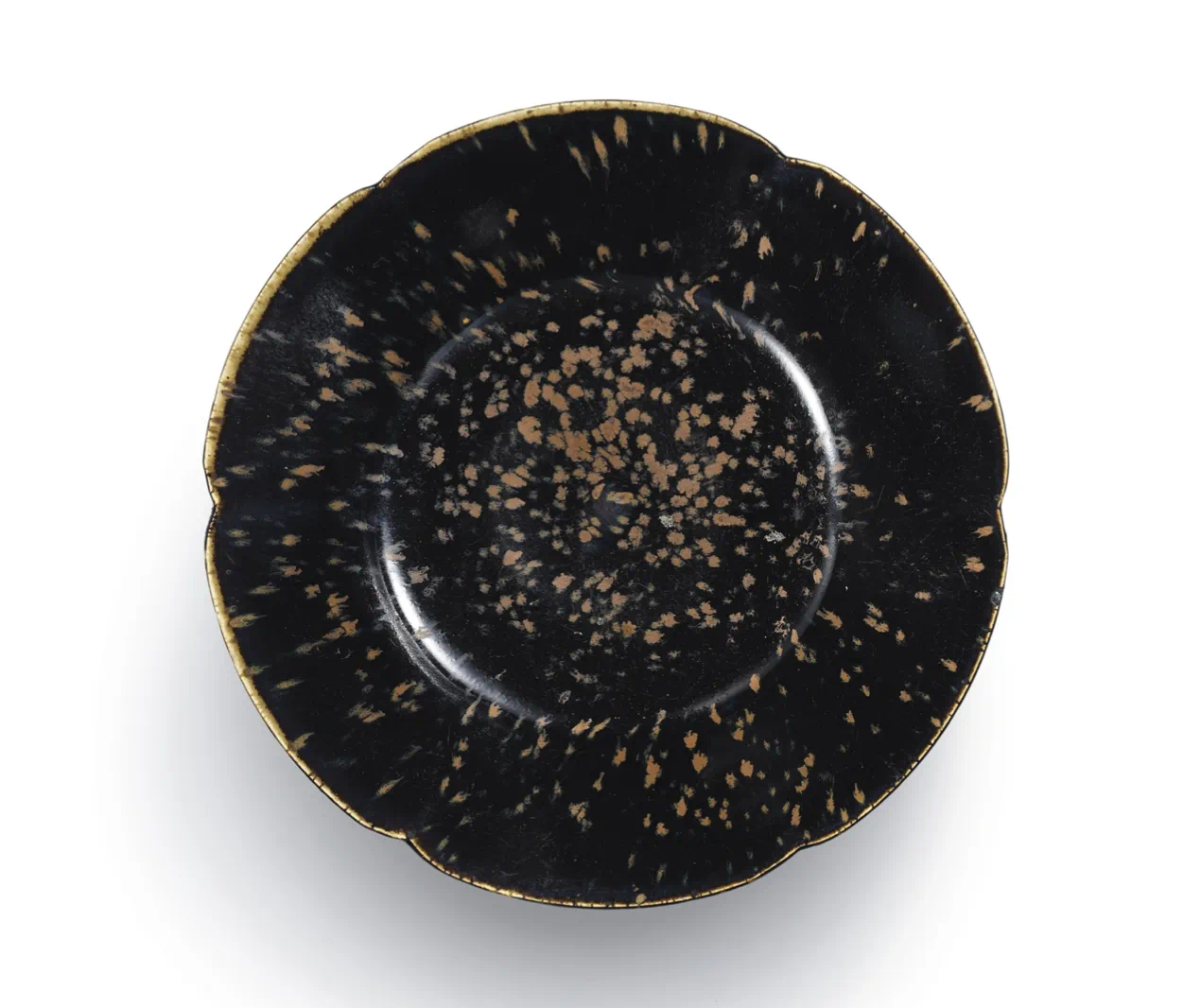
 

Christie's Hong Kong, 2002 
Sold for USD 99,500 
Christie's Hong Kong, 2017  
Sold for HKD 14,500,000


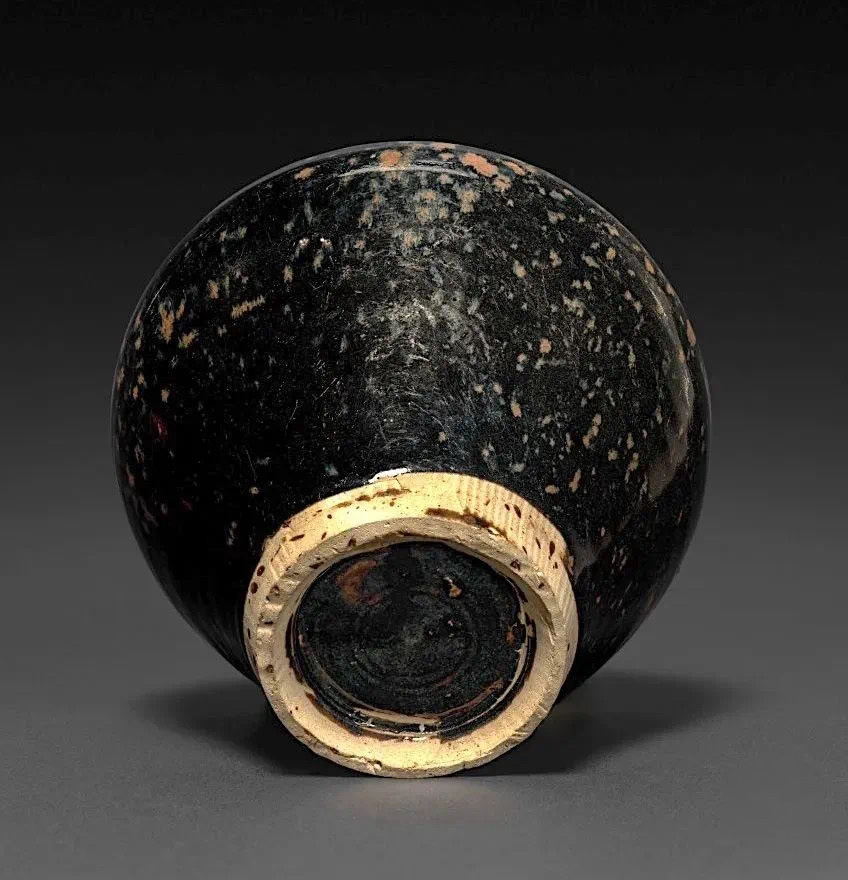
Bowl


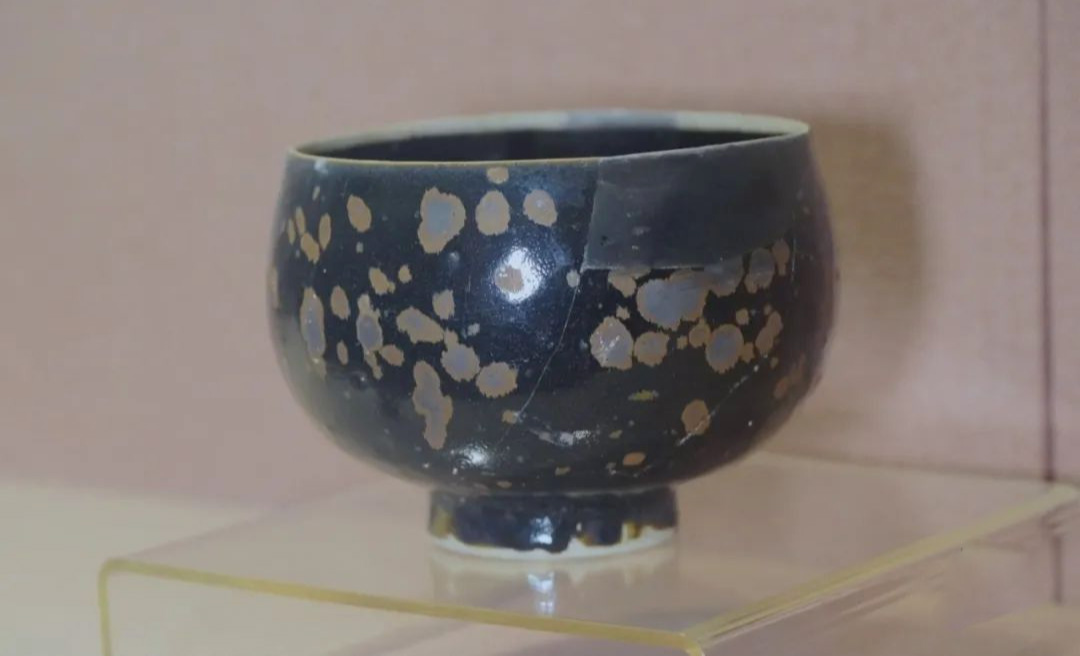
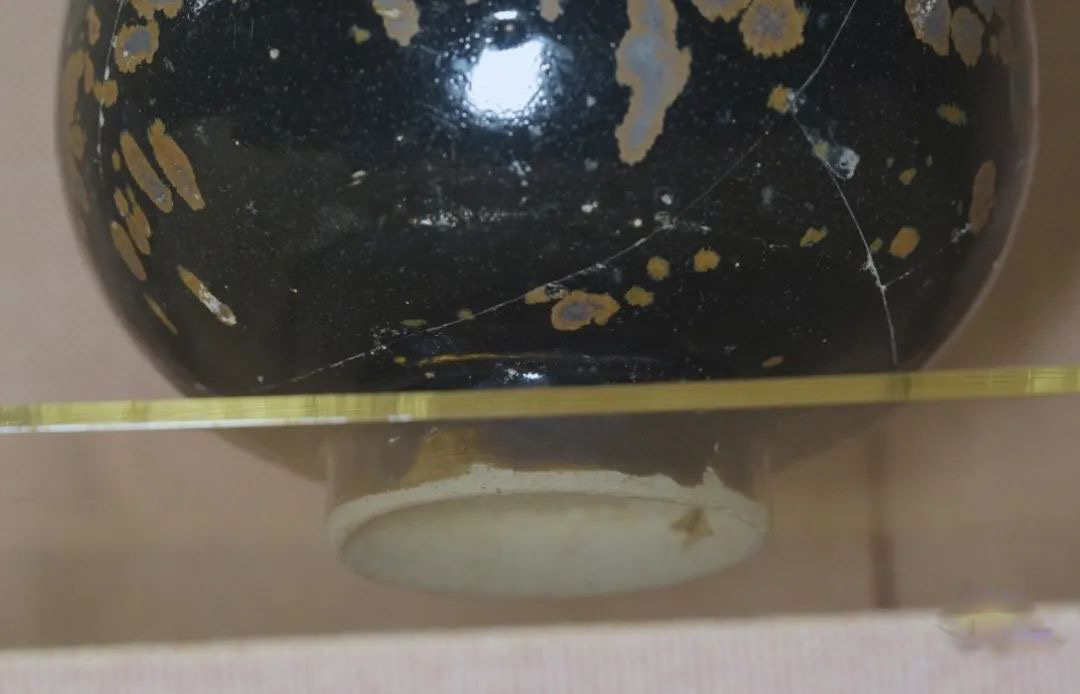
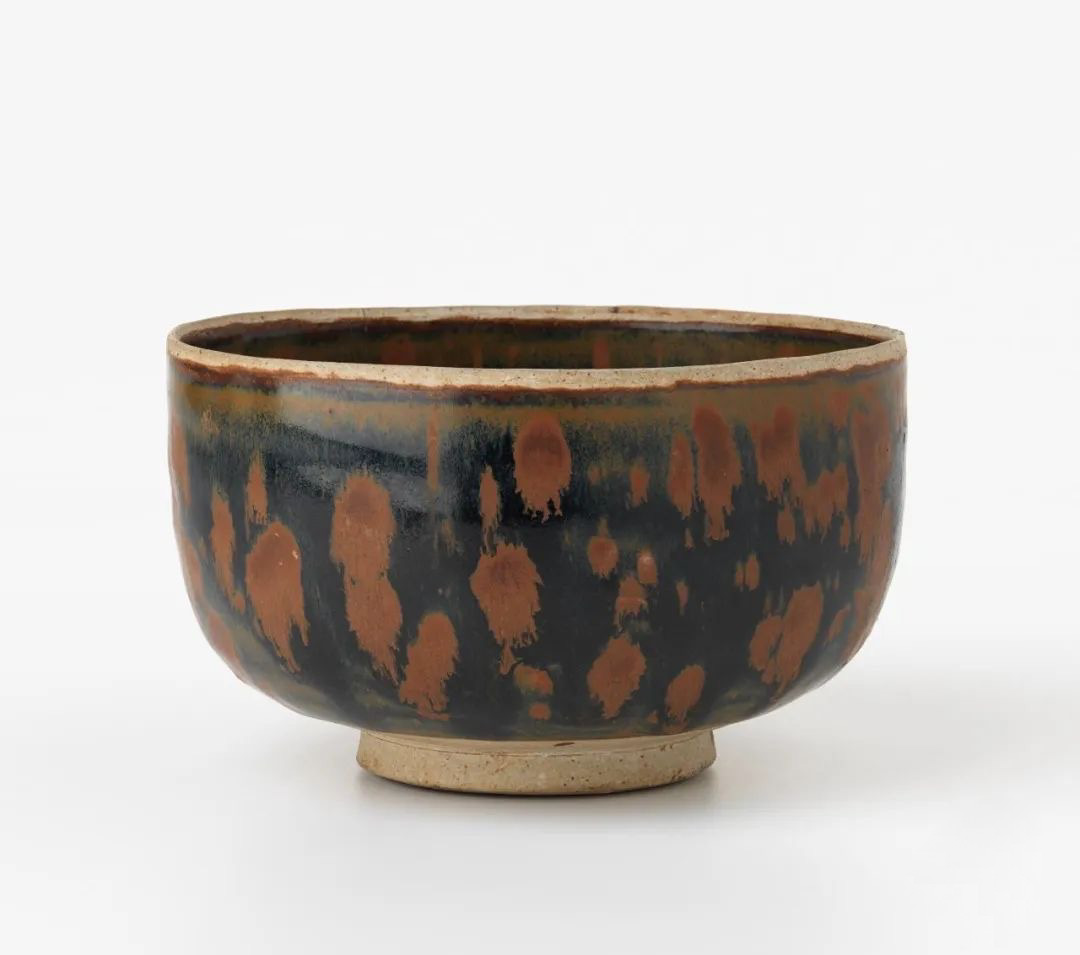
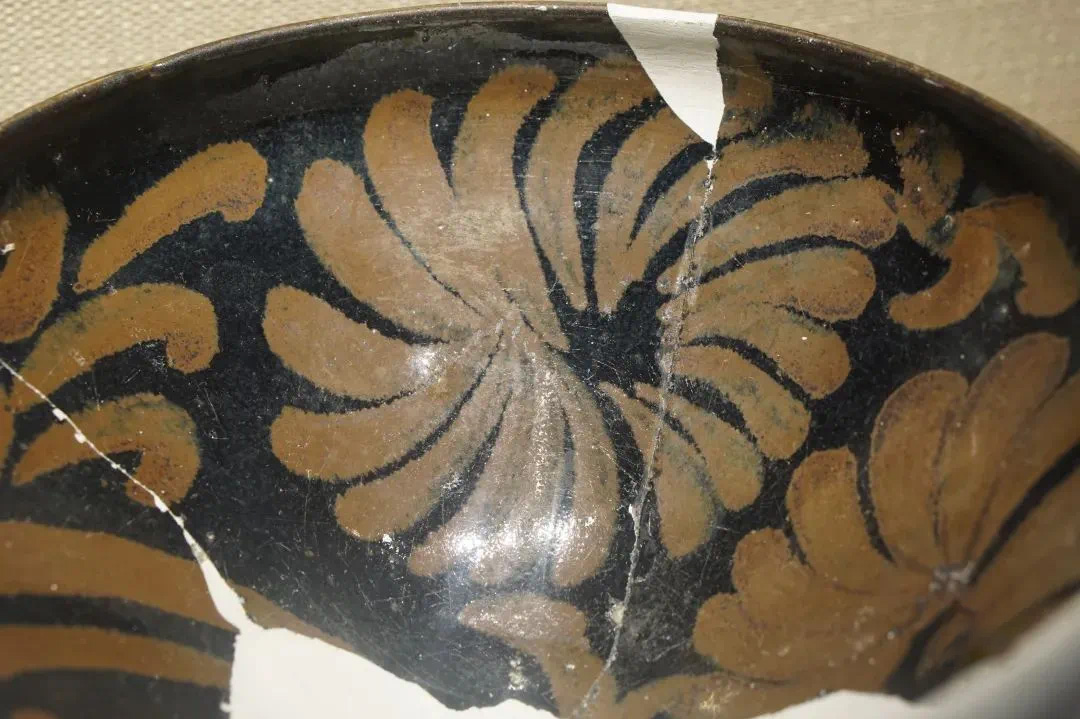
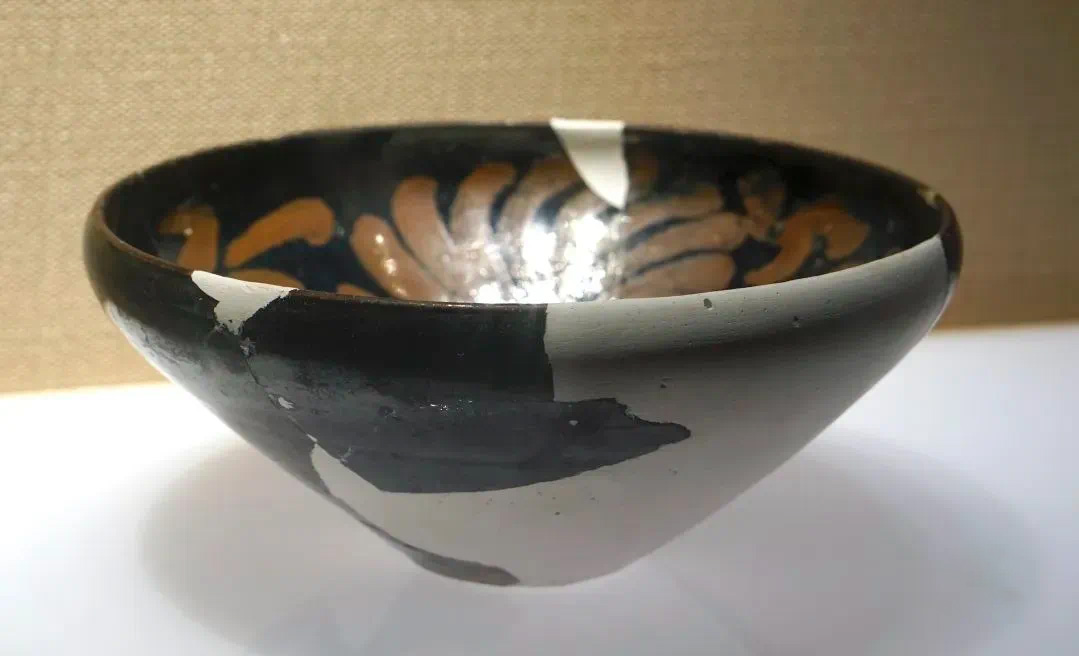
The bowl is characterized by its constricted mouth and flat (or slightly concave) base. It was primarily produced at the Qingliangsi and Duandian kiln sites in western Henan.


Archaeological Materials


Excavated from Zone I of the Qingliangsi Ru Ware Kiln Site in 1988
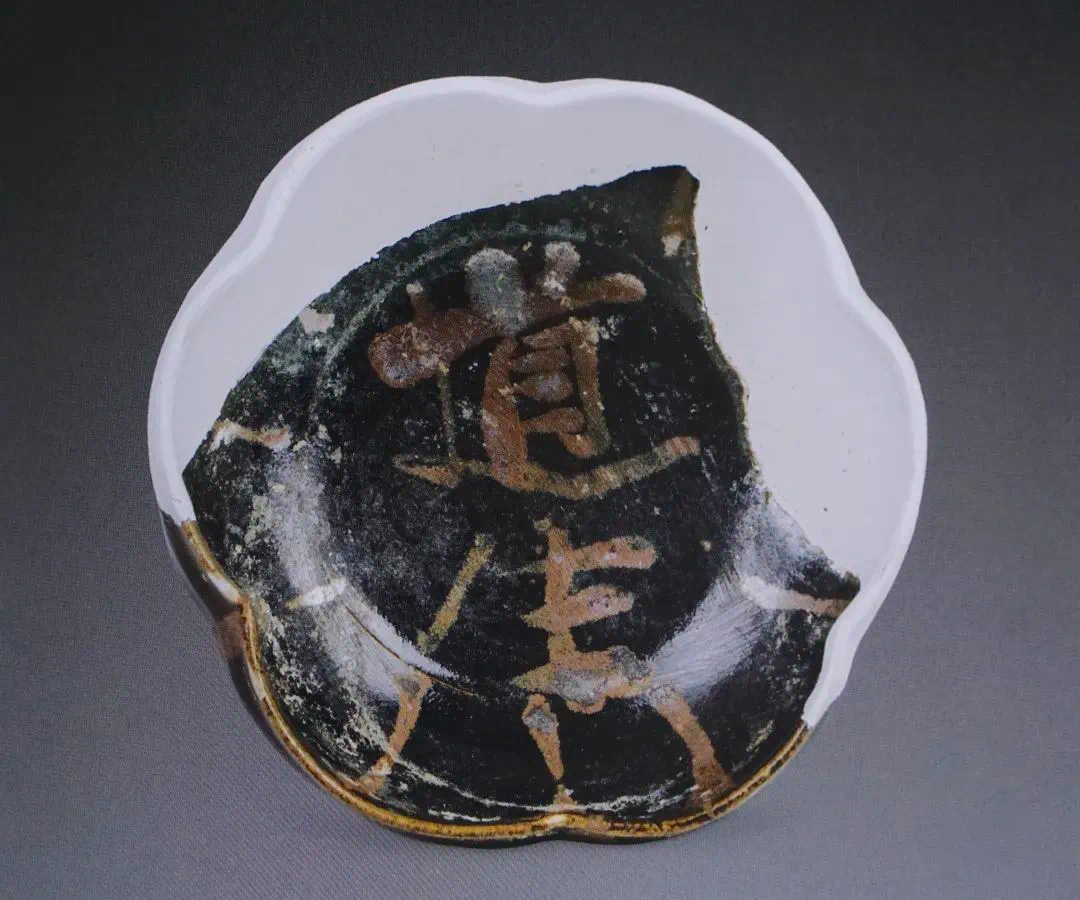
 

Collected from the Duandian Kiln Site in Lushan
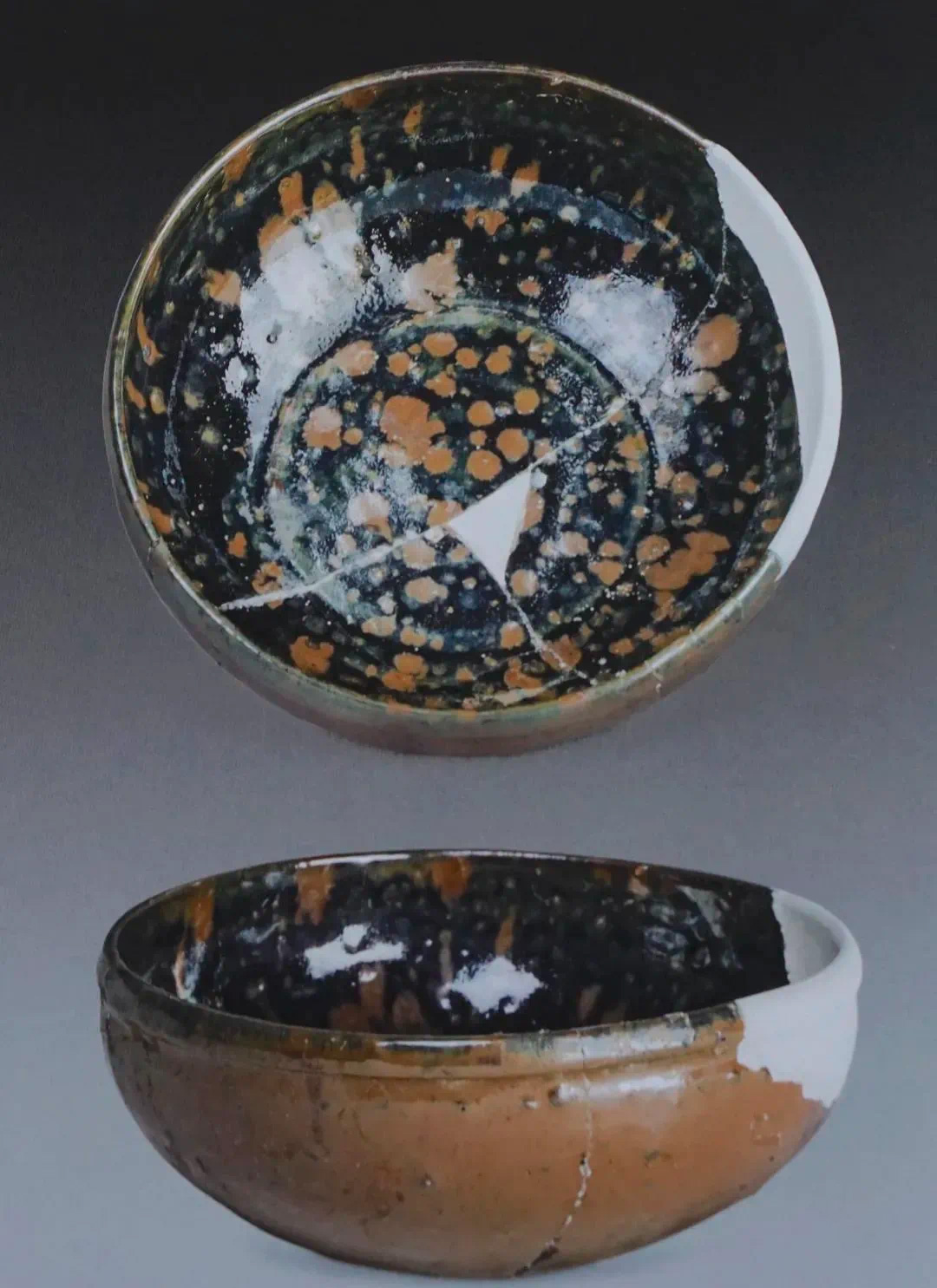
 

Collected from the Duandian Kiln Site in Lushan
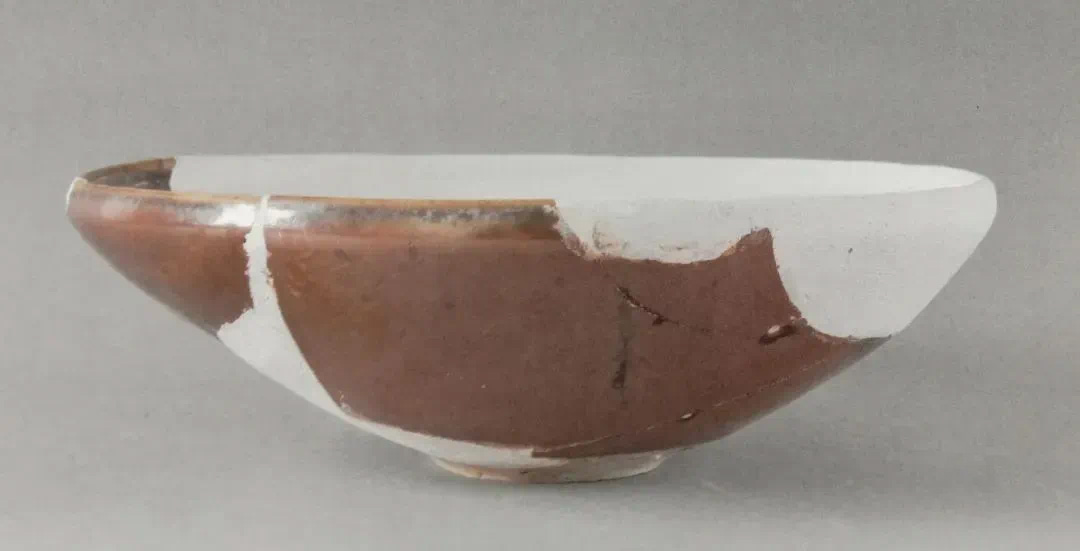
 

Excavated artifacts from the Jingxing Kiln Site


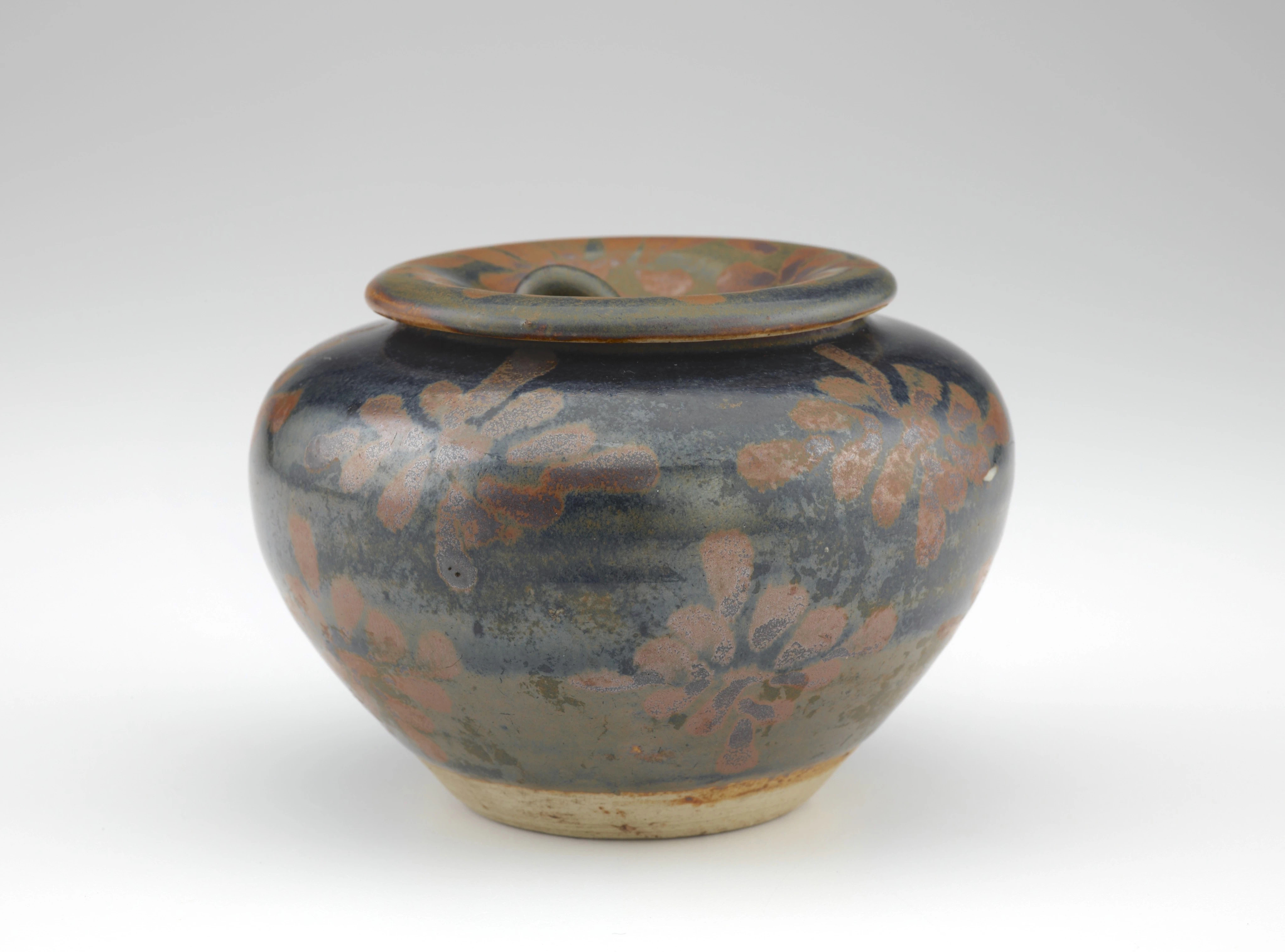
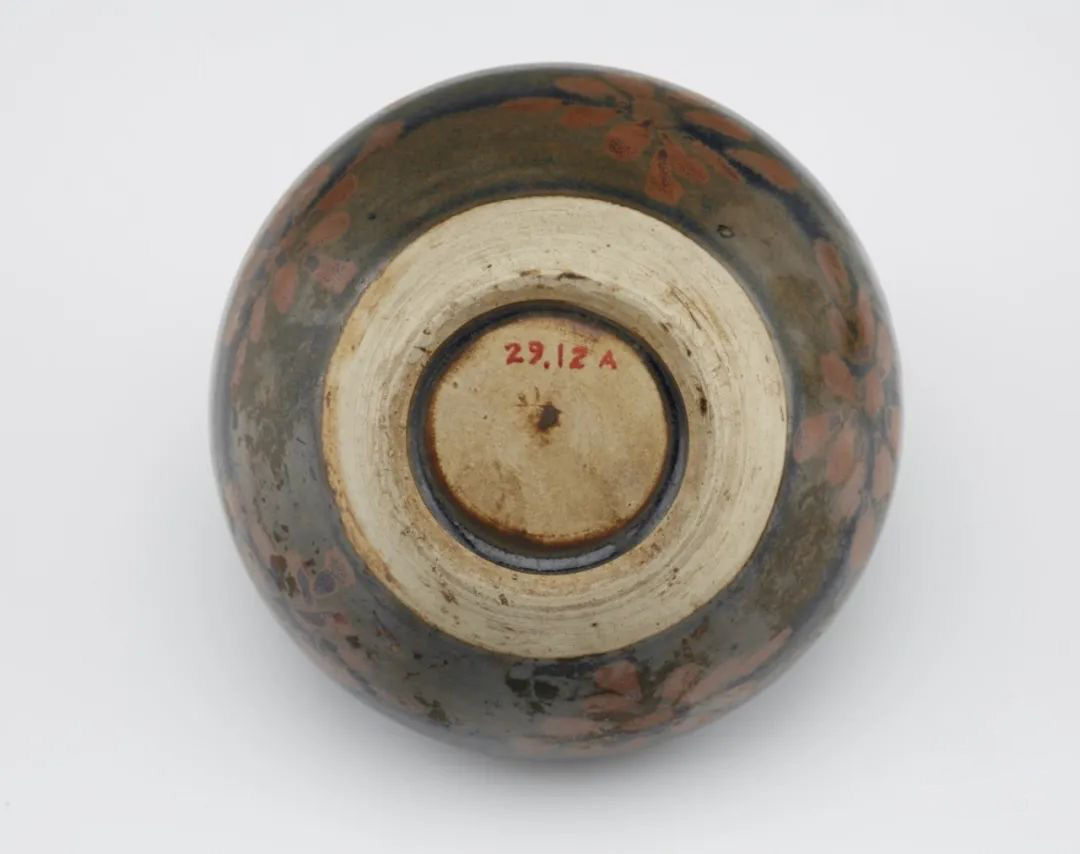
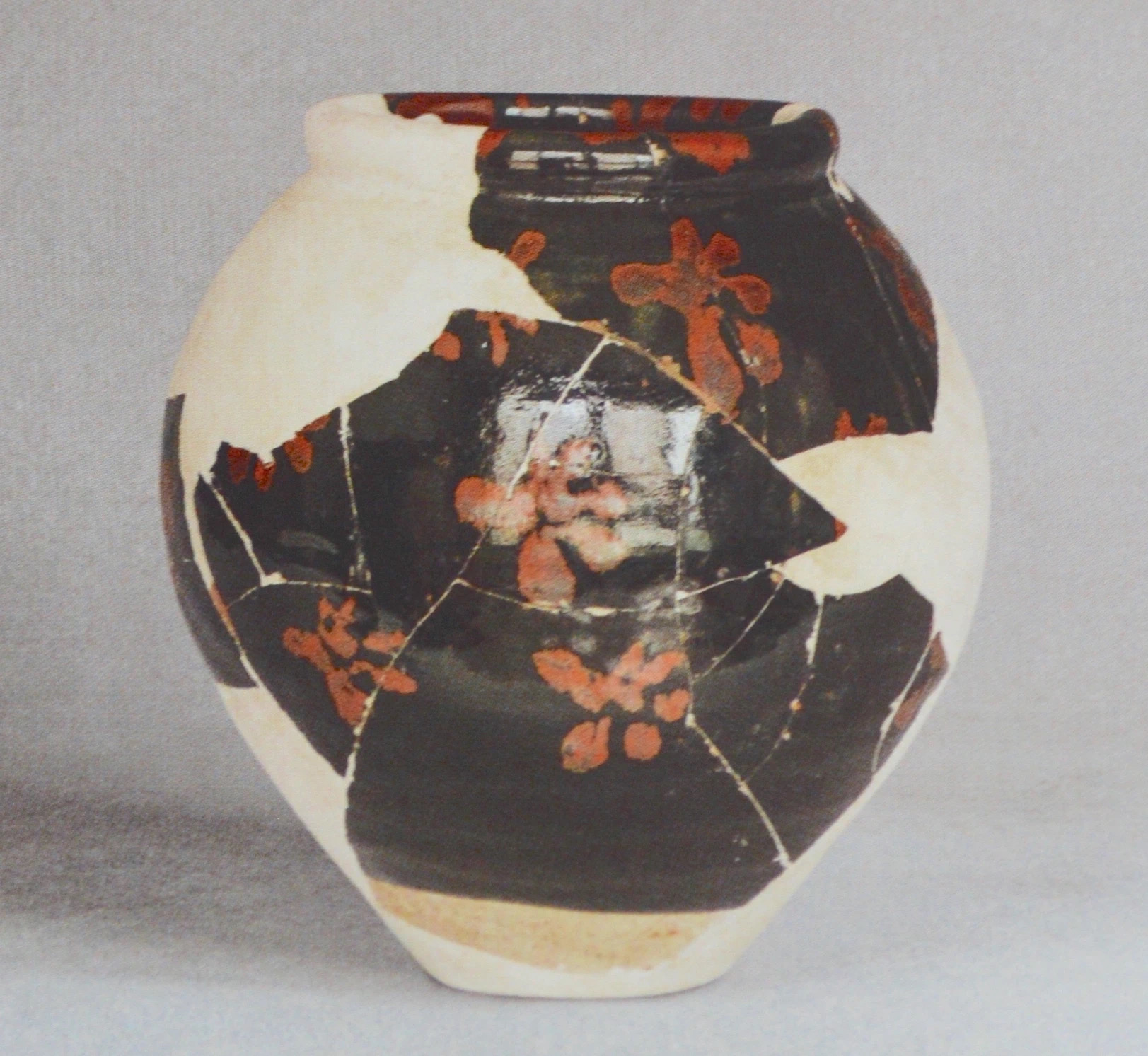
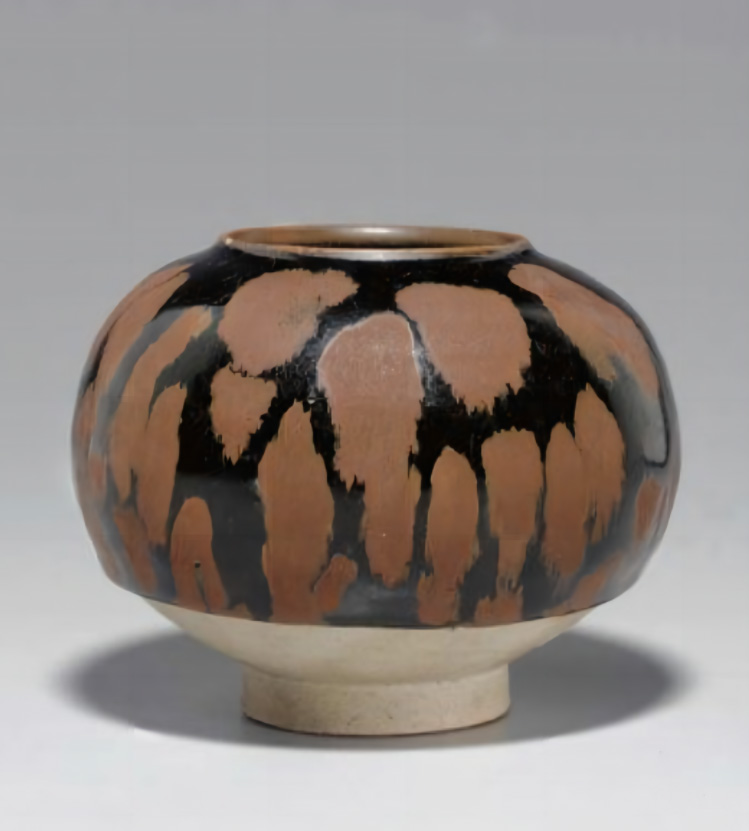
Jar


There are many forms, broadly divided into two categories: those without lugs and those with double lugs. The main kilns include those in the Henan region and the Guantai Kiln.


Jar without lugs


Archaeological Materials
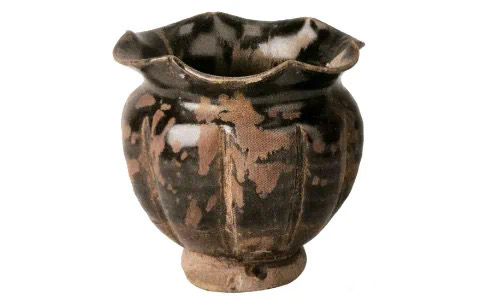
 

Kilns in the Shandong region

Collected in 1980

Collection of the Ningyang County Museum
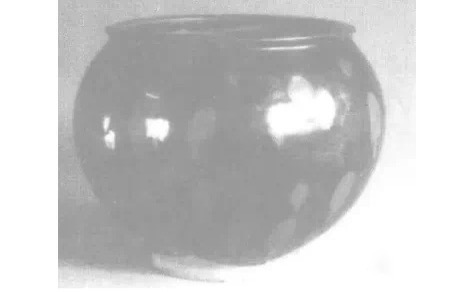
 

Pingshan Liangcha Song Tomb


Collections in domestic and international institutions
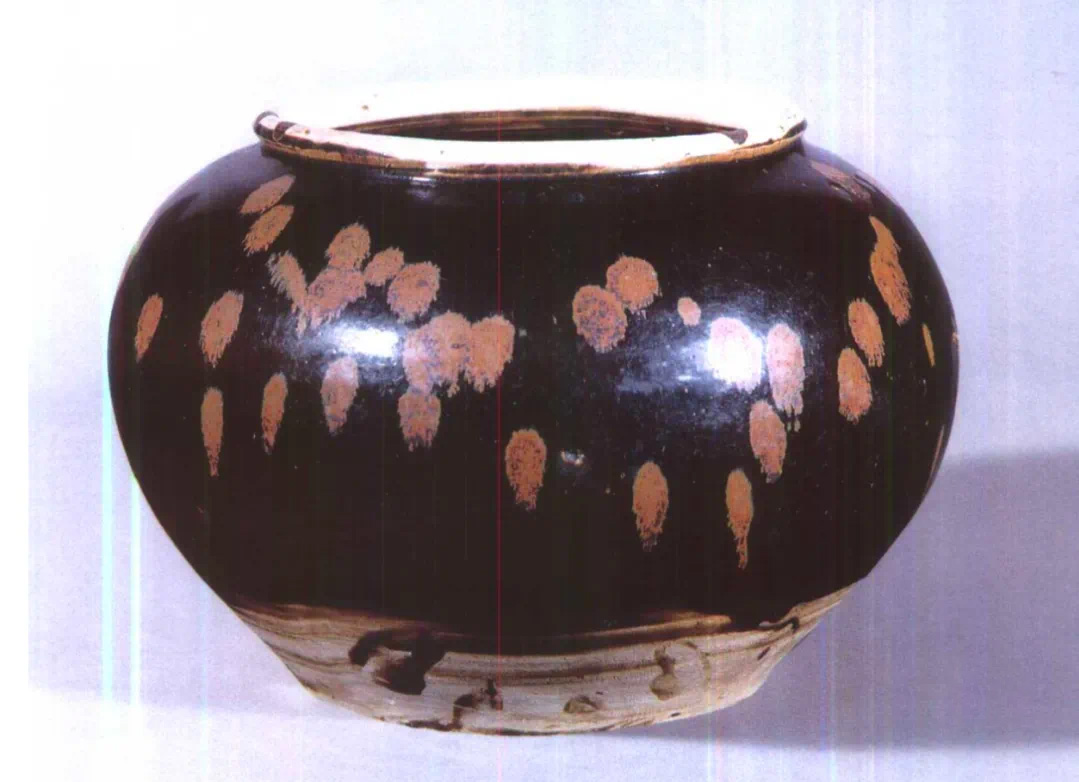


Former collection of Yang Yongde
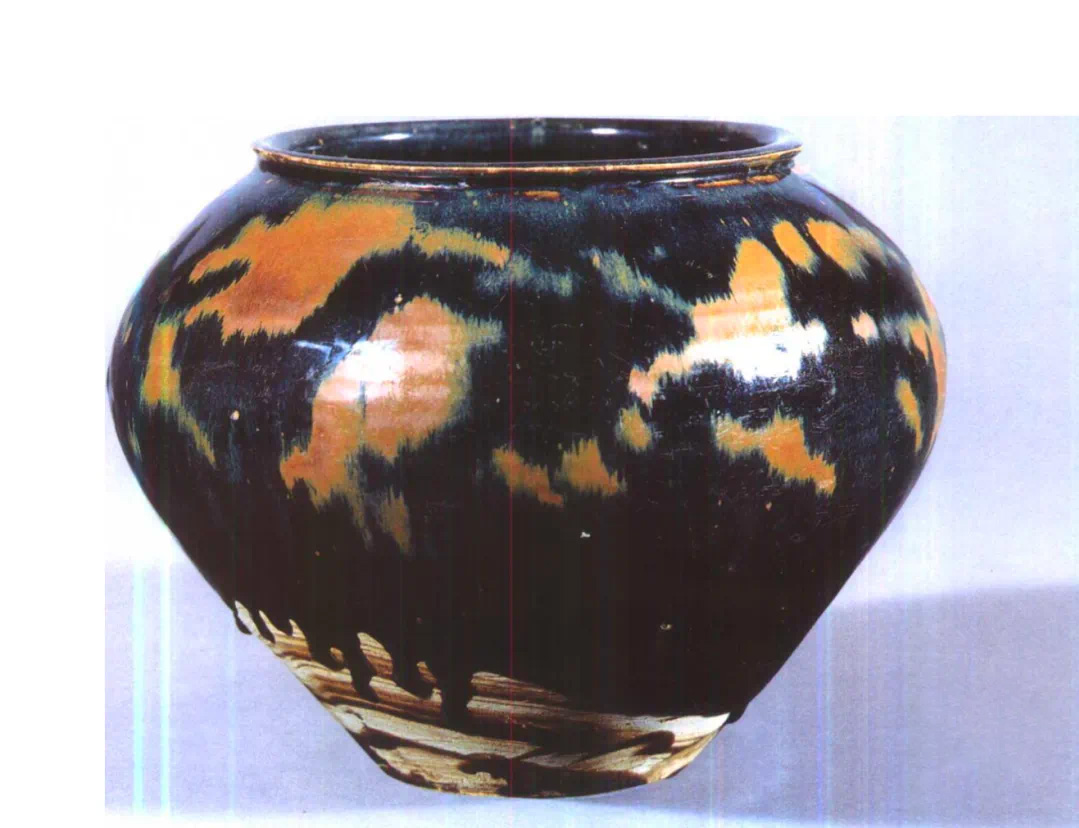
 

Former collection of Yang Yongde
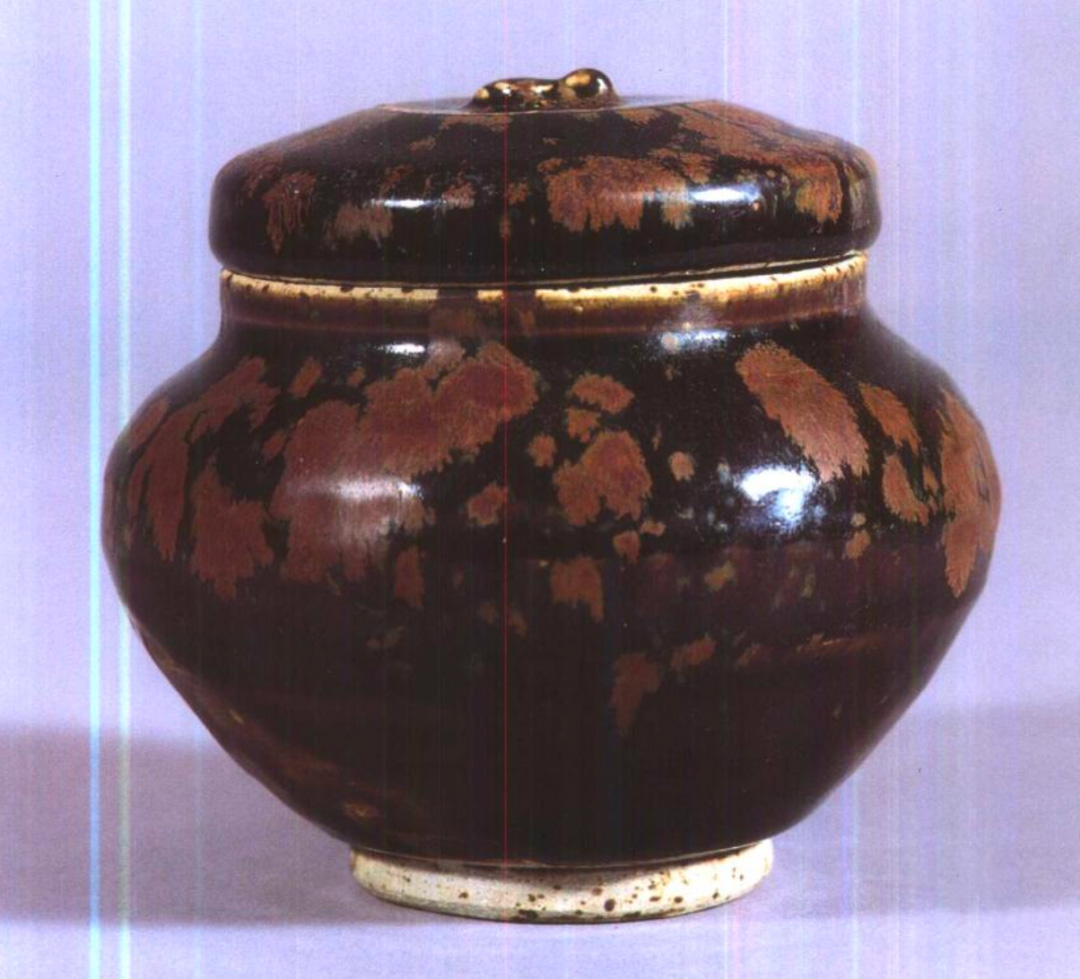
 

Former collection of Yang Yongde
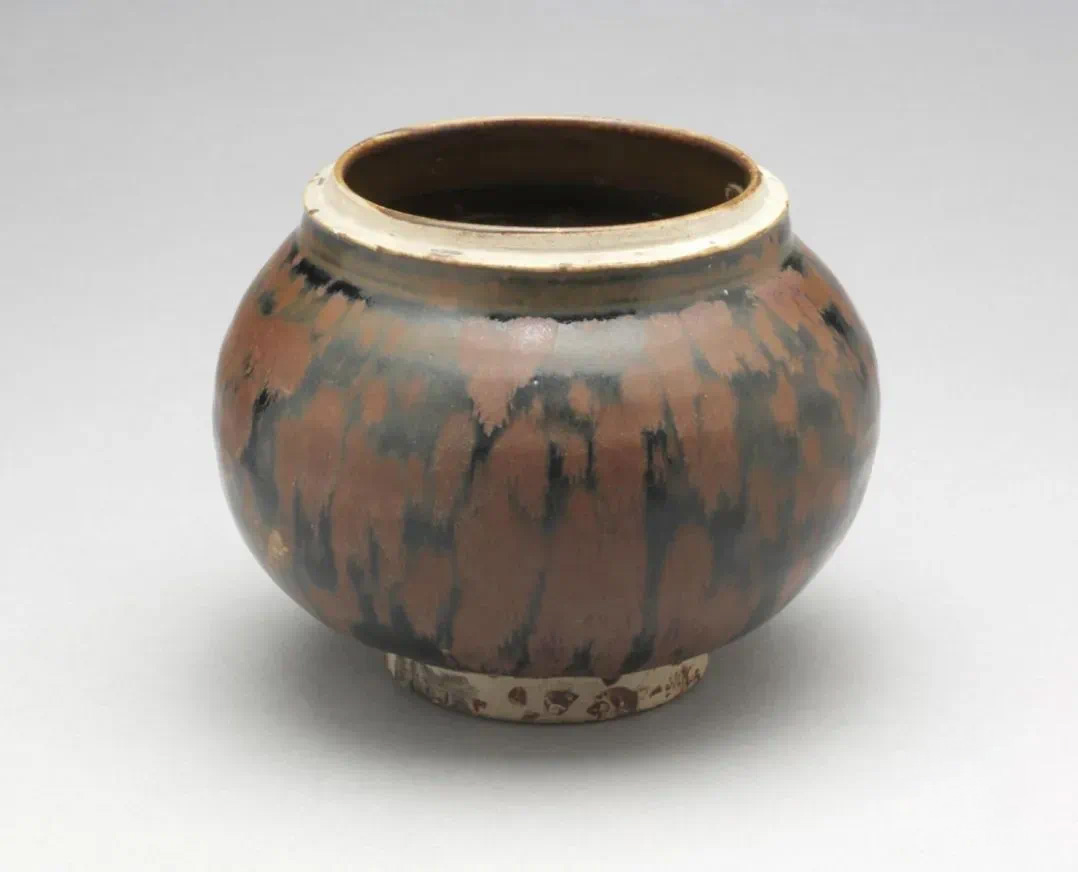
 

Philadelphia Museum of Art🇺🇸
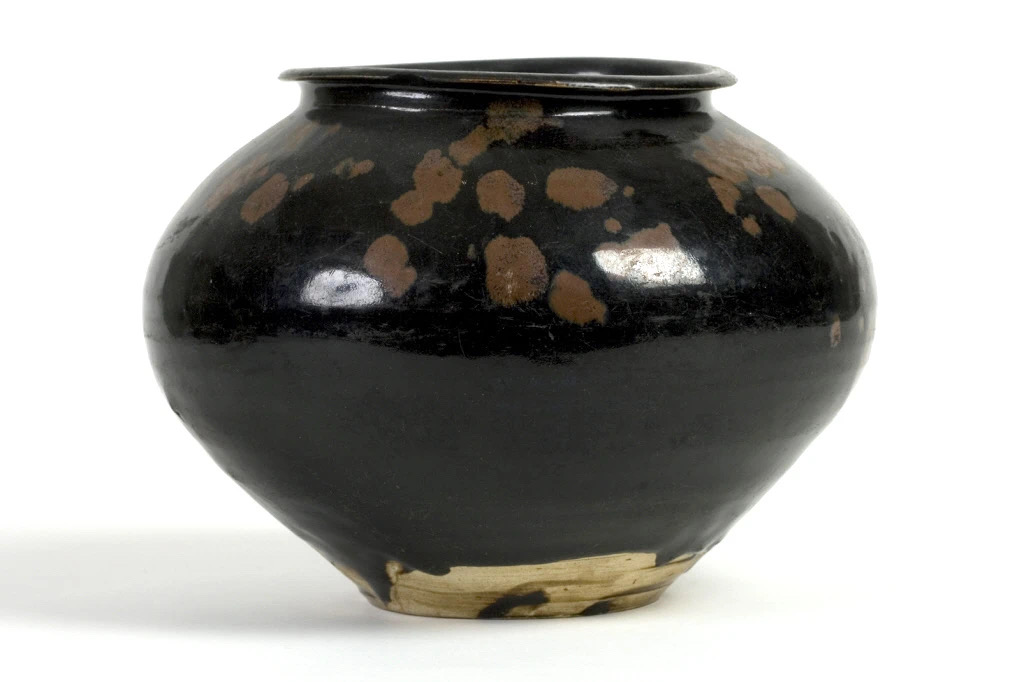
 

Chrysler Museum of Art🇺🇸‍‍‍‍‍‍‍‍‍‍‍‍‍‍‍


Freer Gallery of Art and Arthur M. Sackler Gallery 🇺🇸
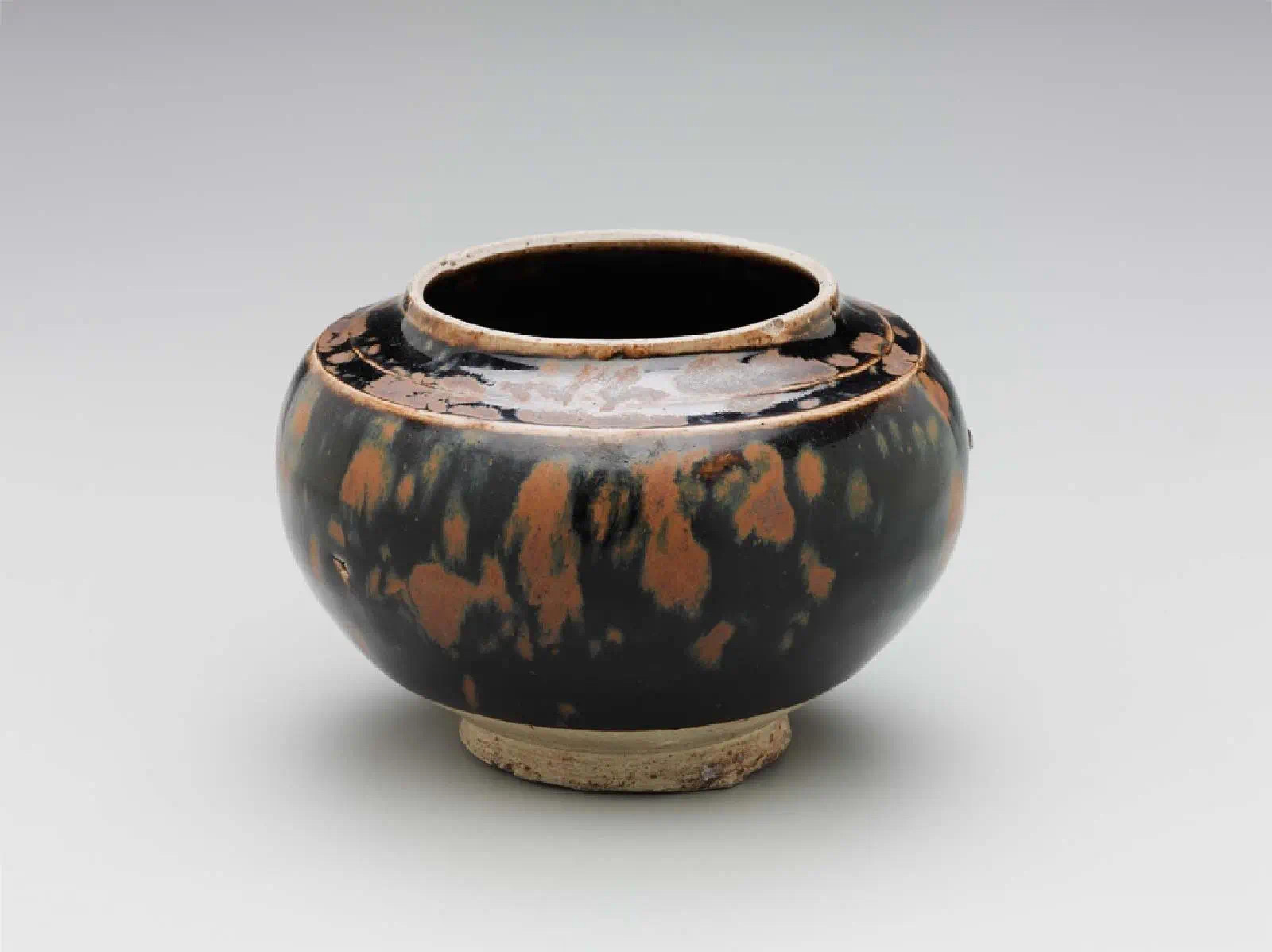
 

The Metropolitan Museum of Art 🇺🇸
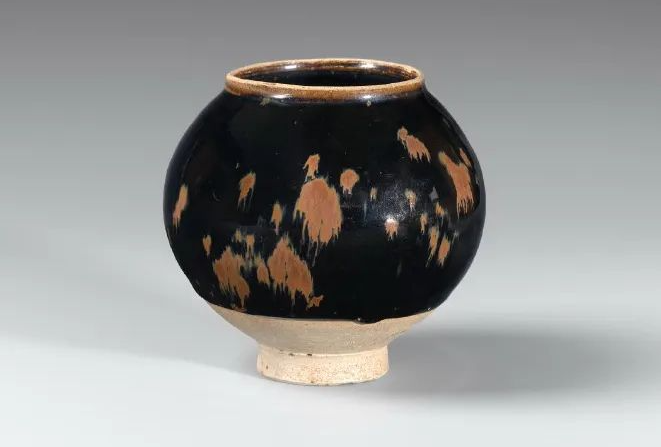
 

Harvard Art Museums 🇺🇸
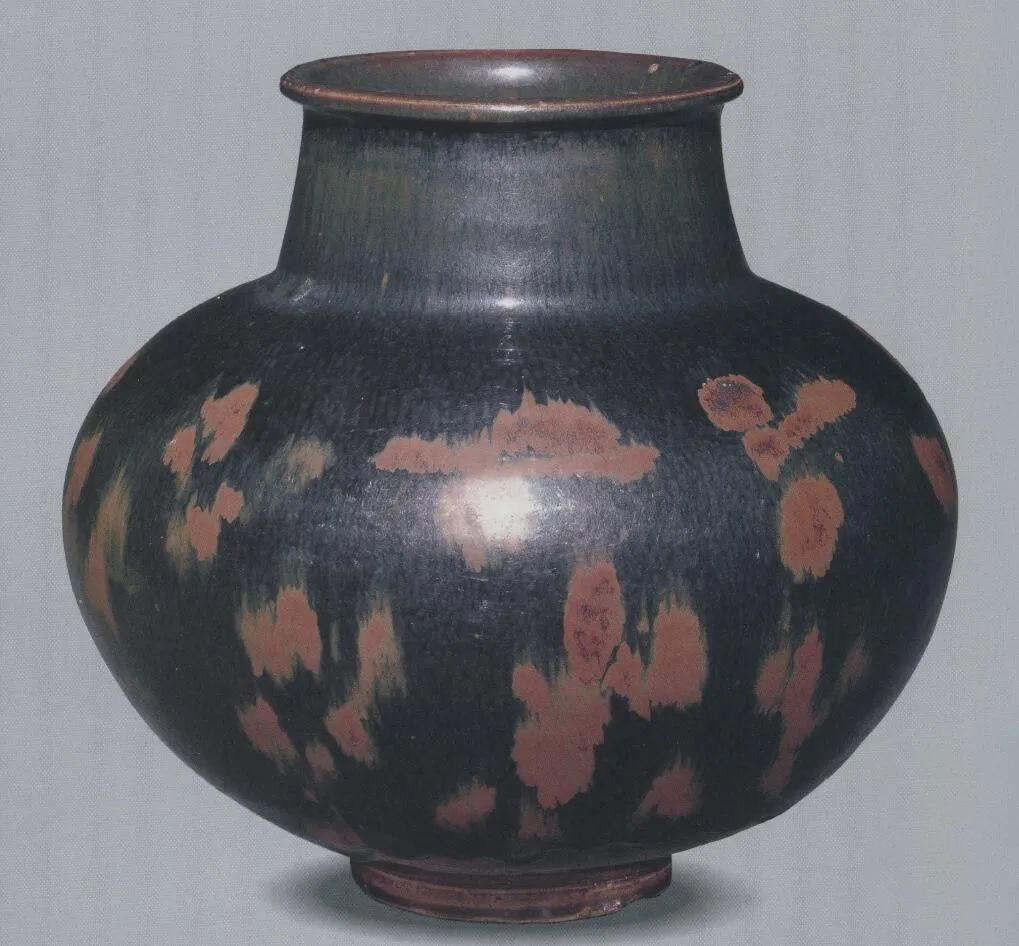
 

The British Museum 🇬🇧
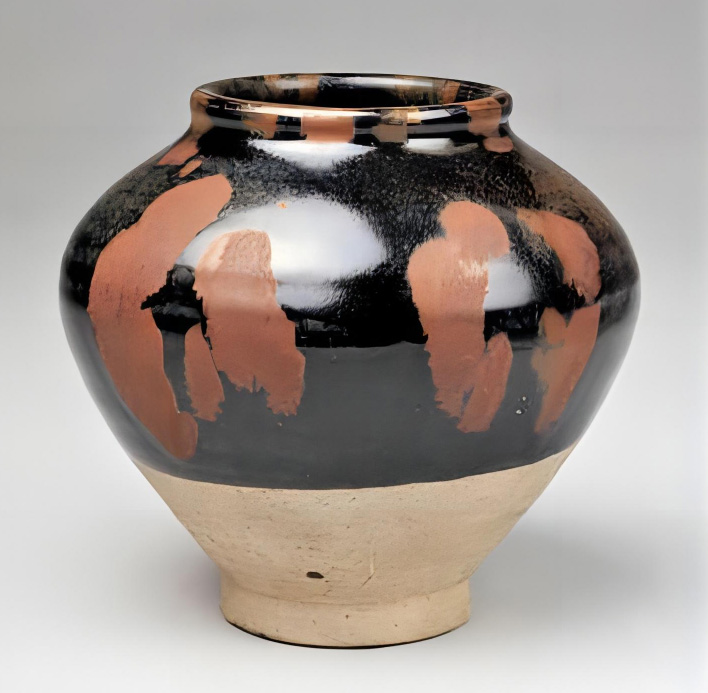
 

Victoria and Albert Museum 🇬🇧
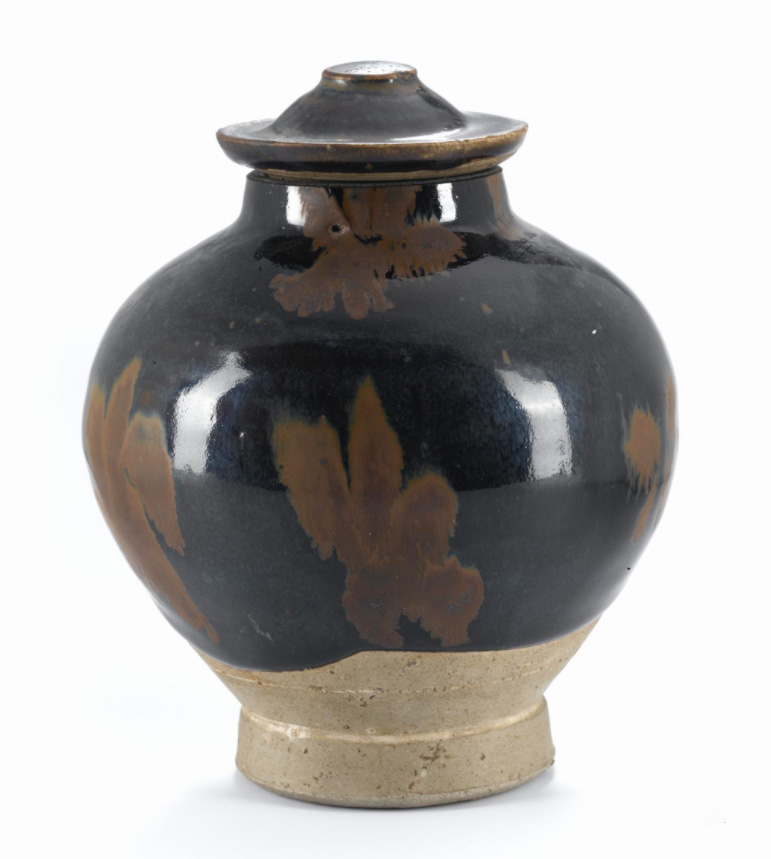
 

National Museum of Scotland🏴󠁧󠁢󠁳󠁣󠁴󠁿


Private Collection


Auction Material


Christie's New York, 2006

Sold for USD 6,600


Double-System Jar


Archaeological Material
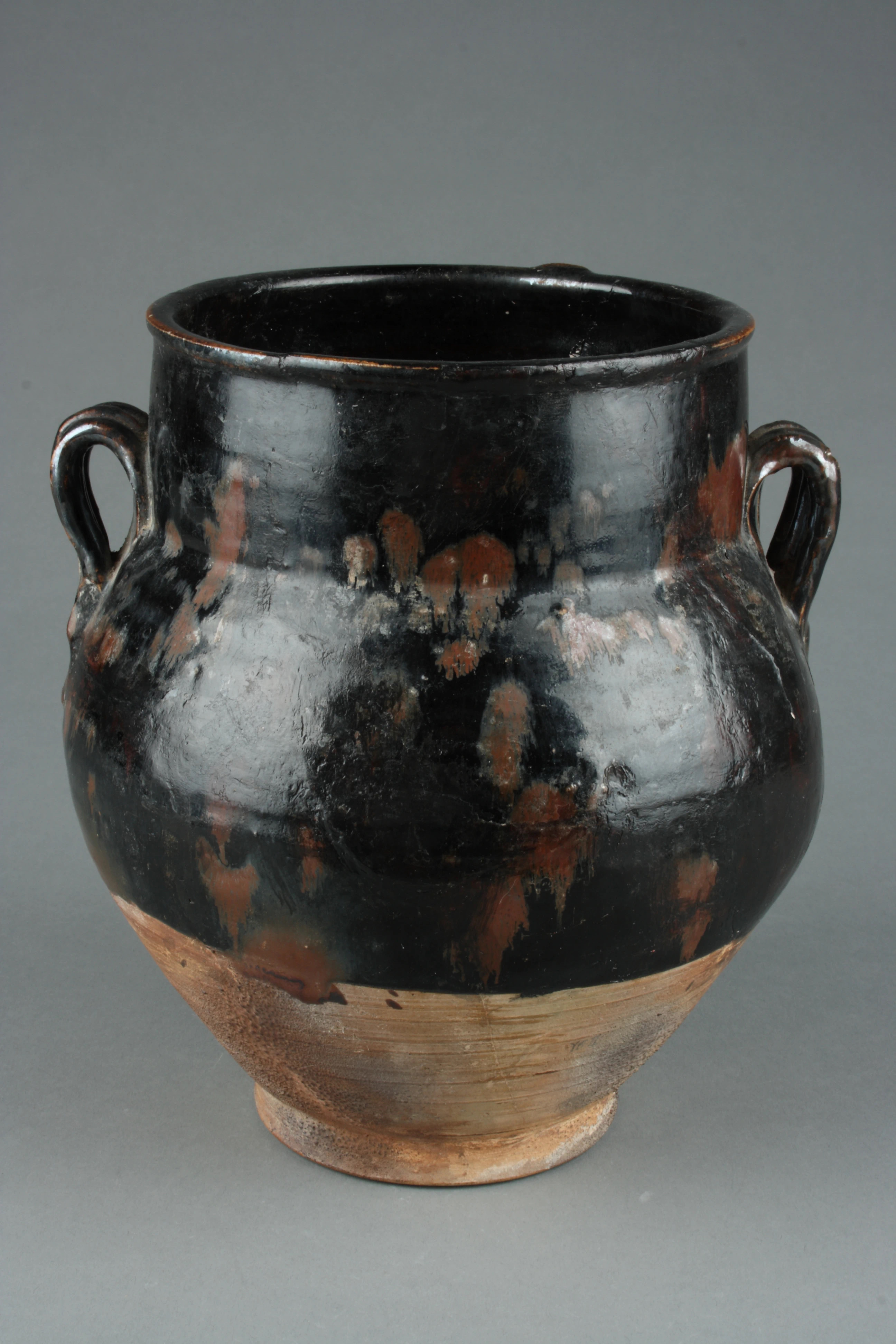
 

Excavated Artifacts from Guantai Kiln Site


Collections in Domestic and International Institutions
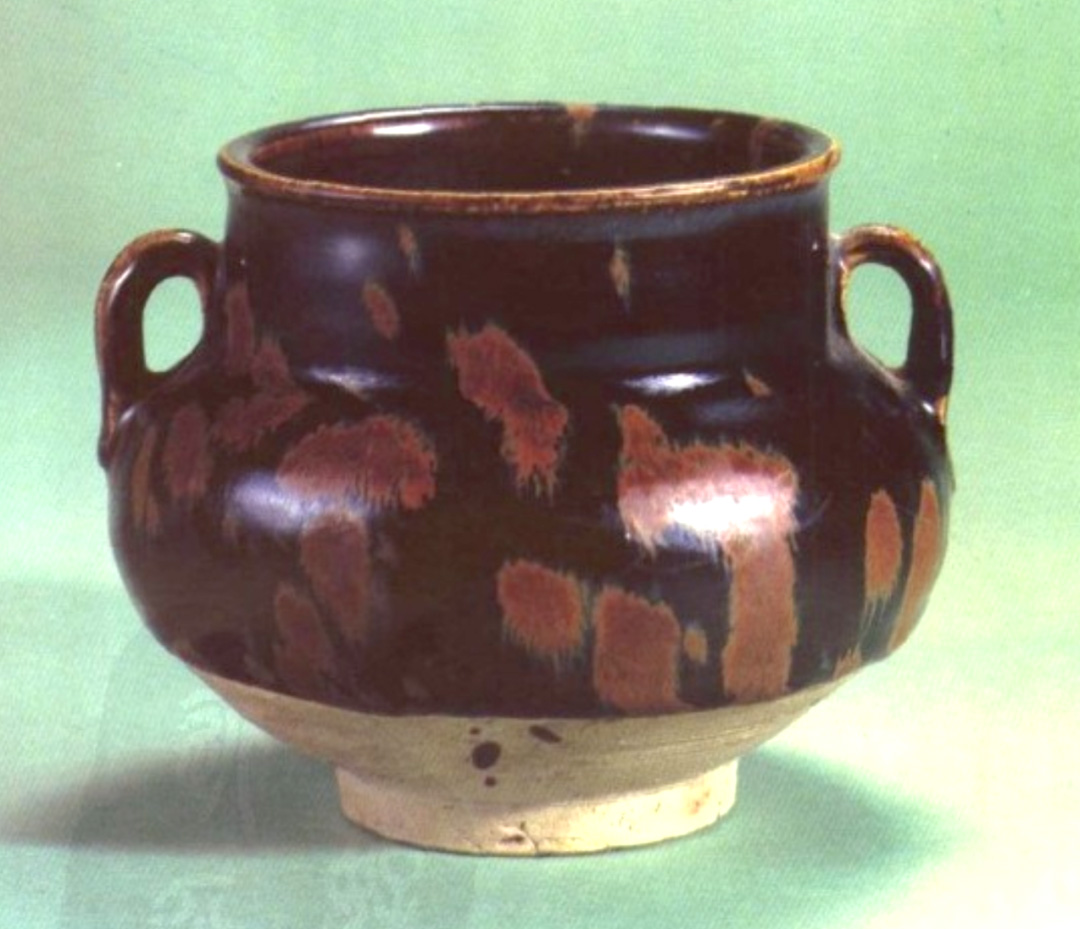
 

Capital Museum
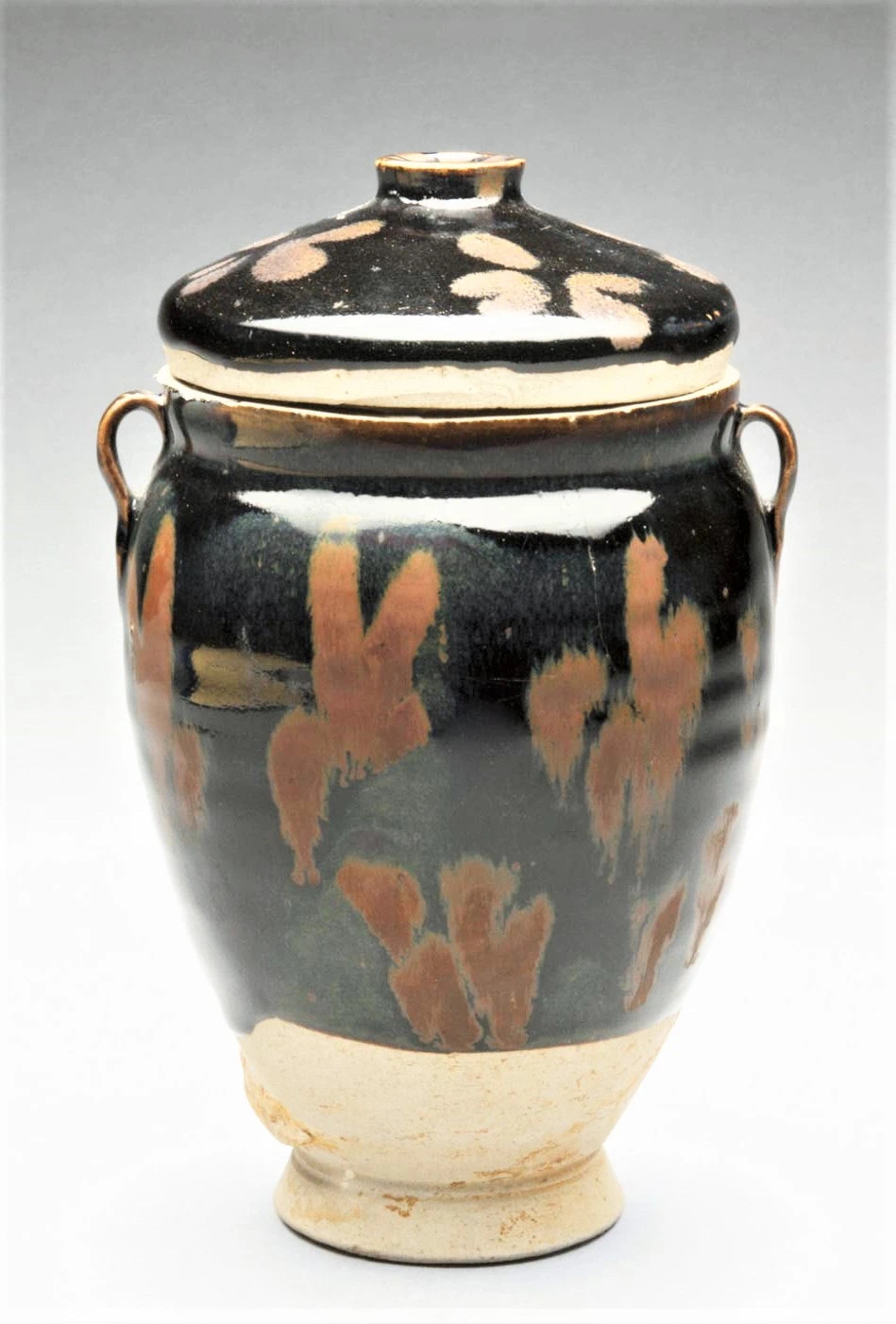
 

Philadelphia Museum of Art🇺🇸
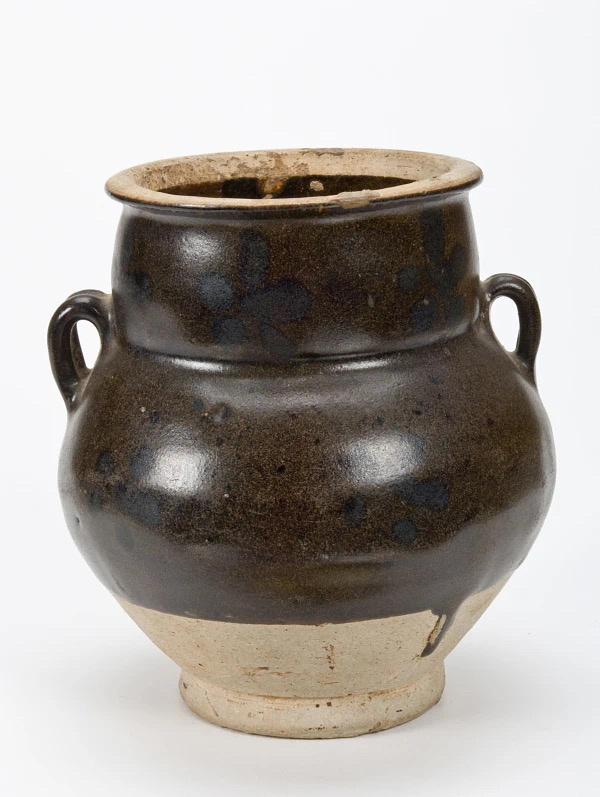
 

Freer and Sackler Galleries🇺🇸
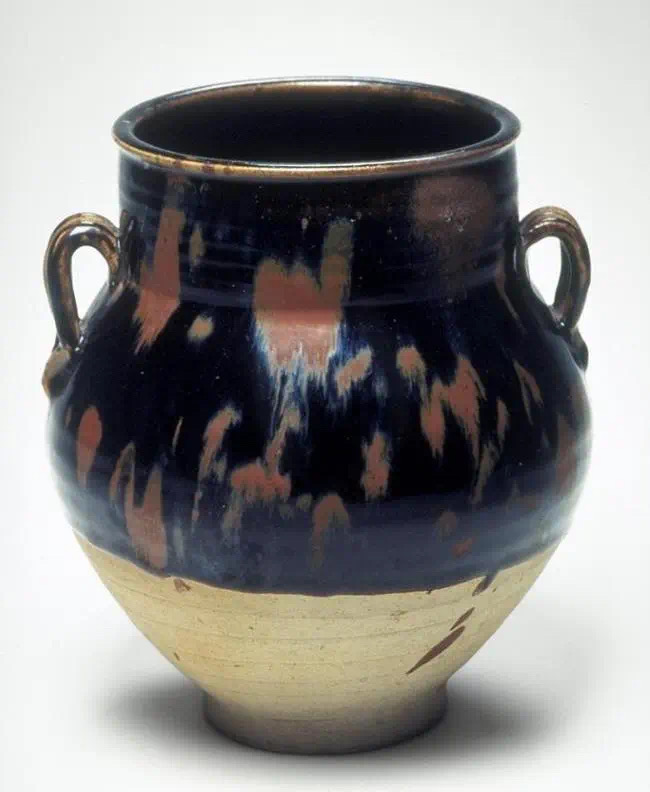
 

Asian Art Museum of San Francisco🇺🇸
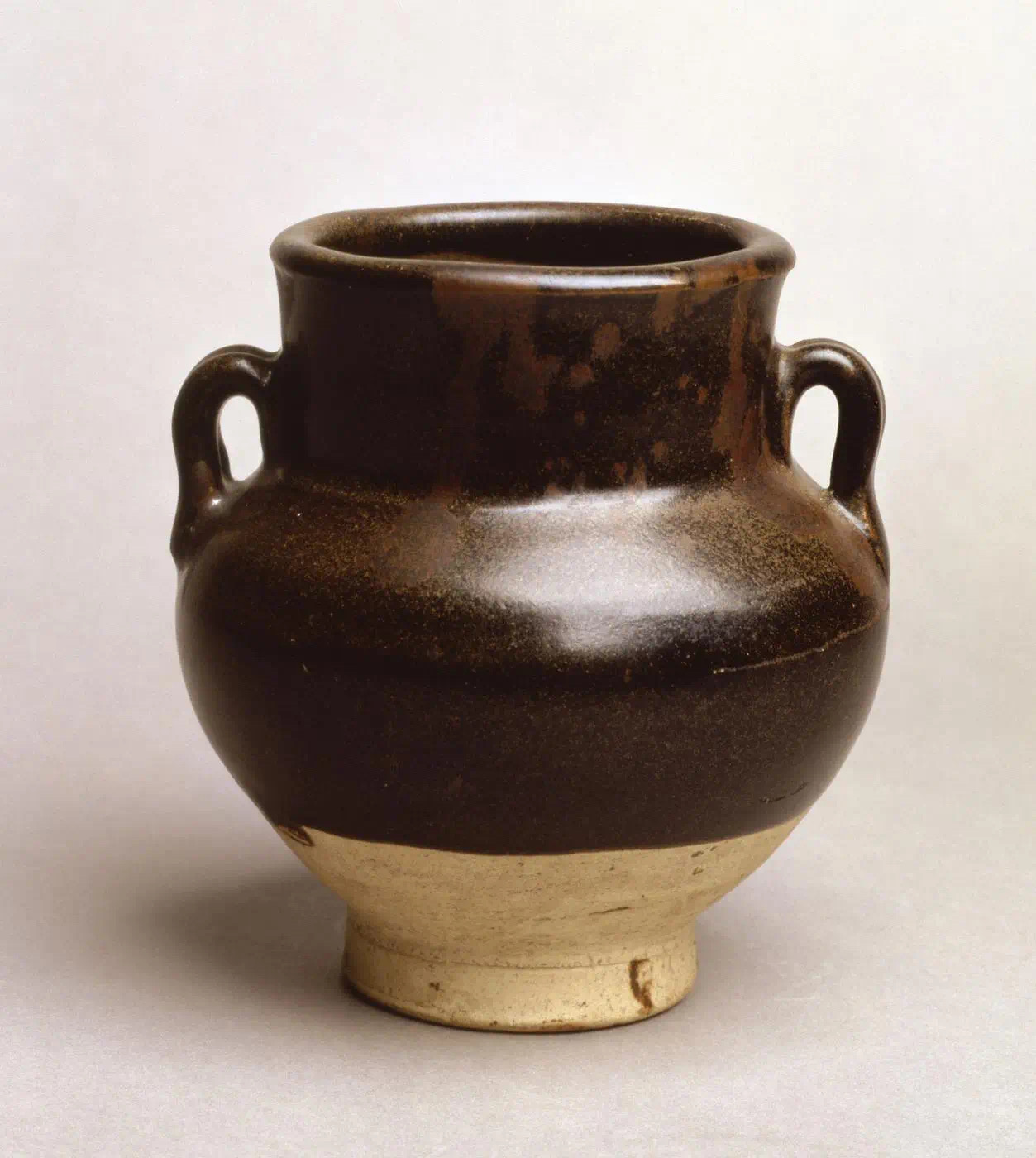
 

Ackland Art Museum, University of North Carolina🇺🇸
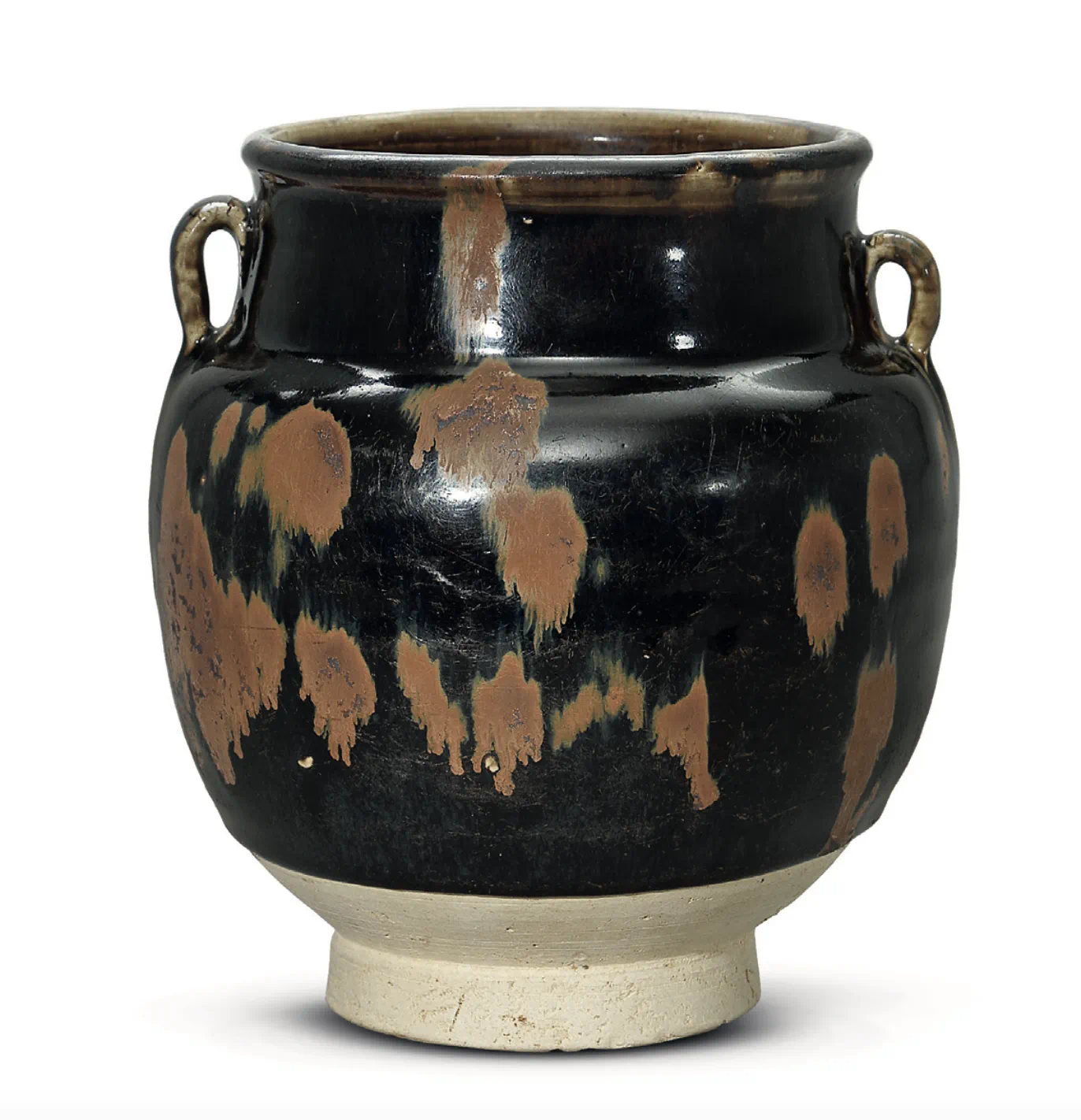
 

Former Collection of Lin Yushan
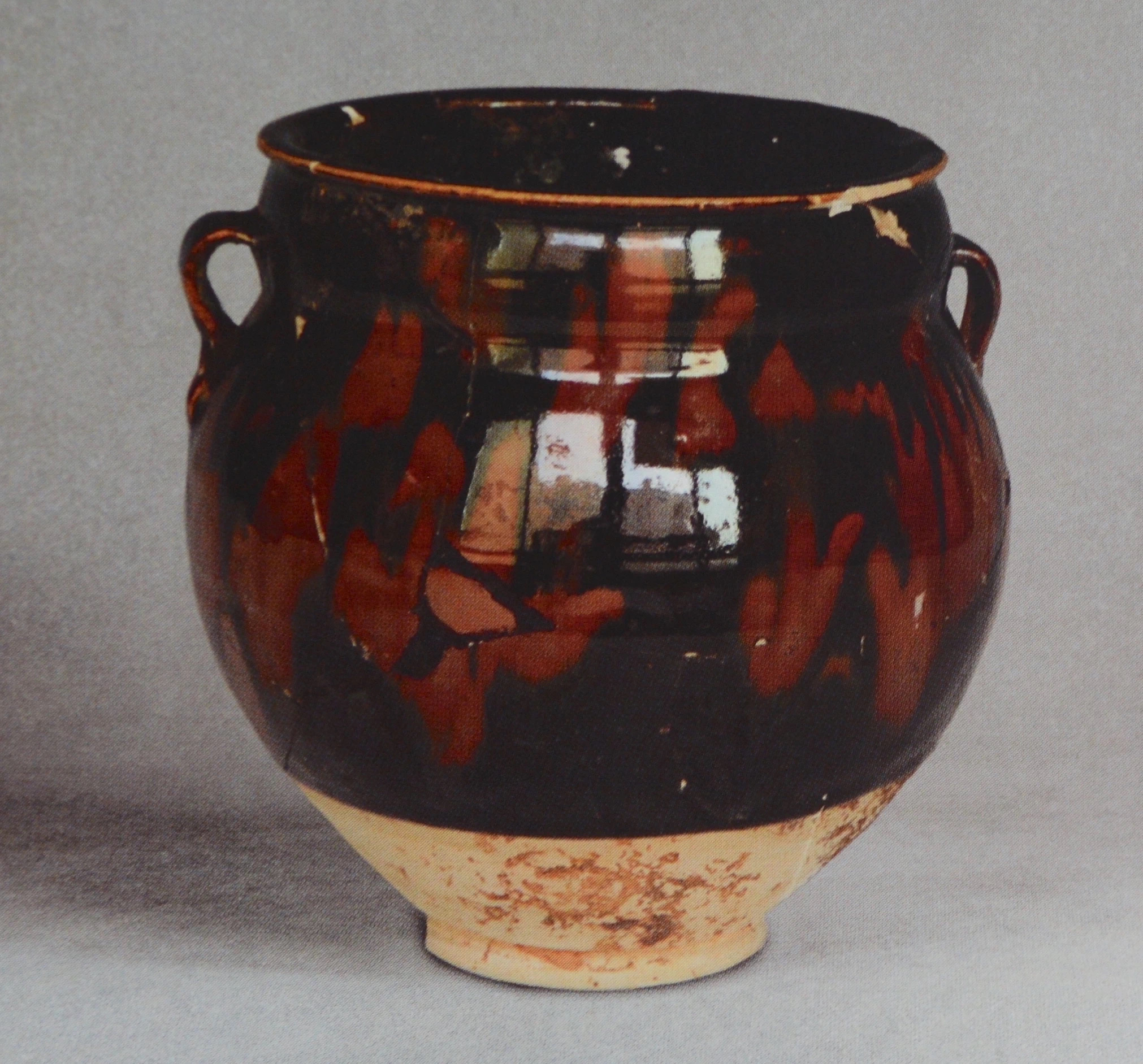
 

Private Collection


Auction Material
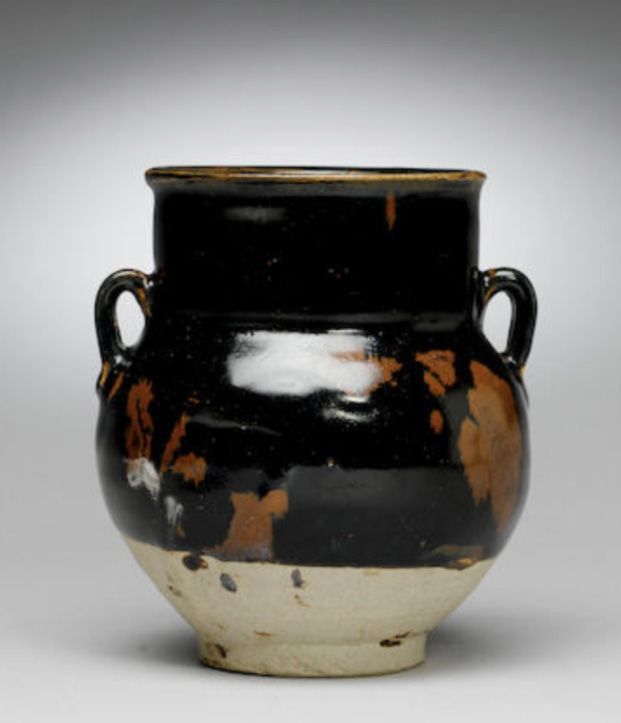
 

Bonhams London, 2004

Estimate: 670,000–960,000 JPY
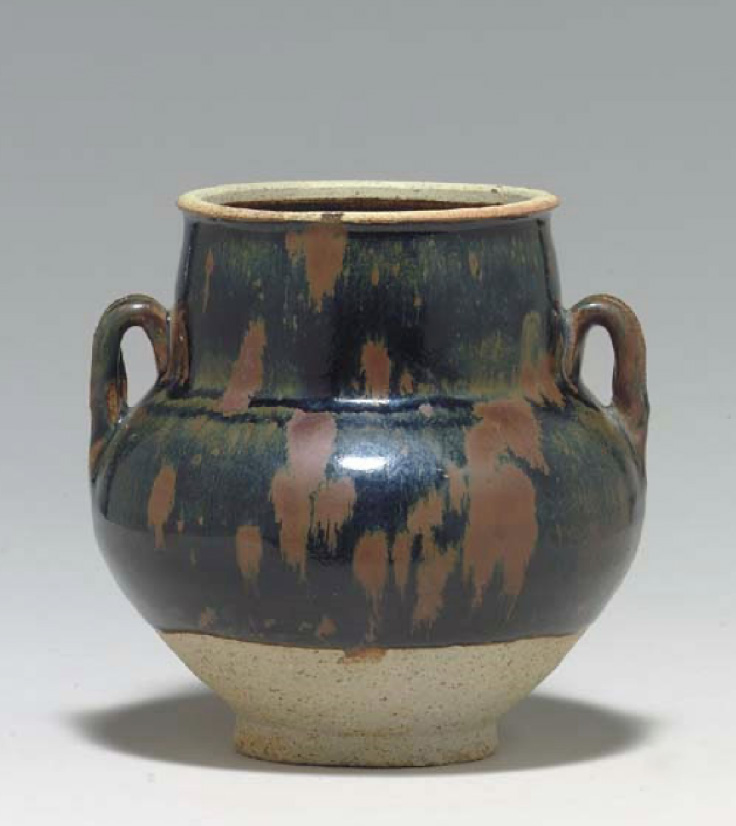
 

Christie's Hong Kong, 2005  

Sold for 3,840 HKD


Box


The Lushan Duandian Kiln produced many vessels of this type, which are rarely found in other kilns.


Archaeological Material


Excavated at the Yangnan Site, Lushan, 2010

Pingdingshan Museum
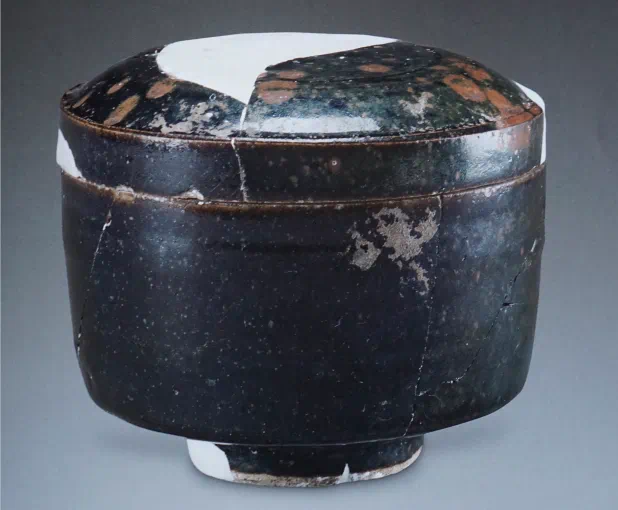
 

Excavated at the Yangnan Site, Lushan, 2010

Pingdingshan Museum
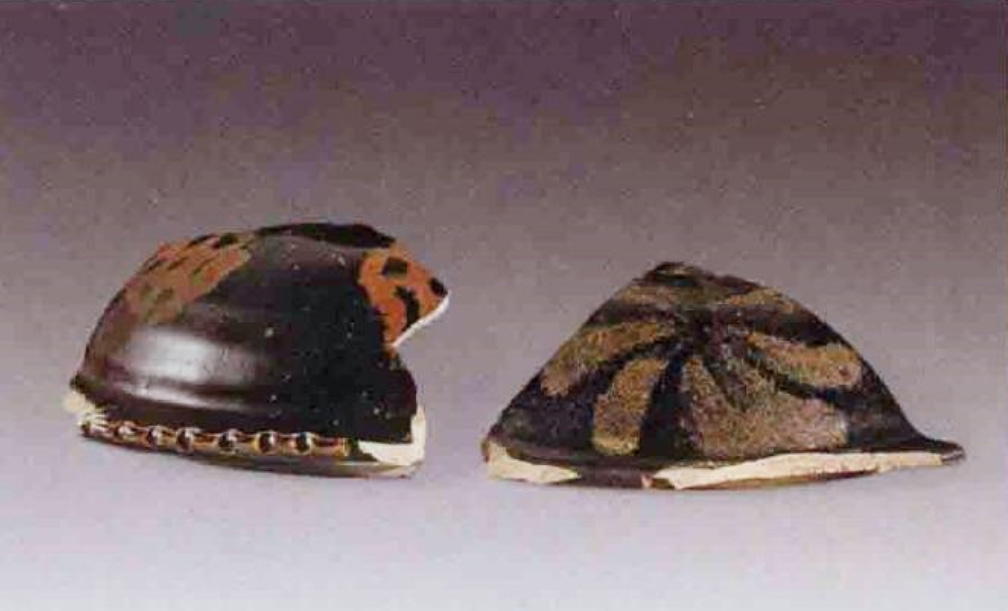
 

Excavated at the Yangnan Site, Lushan, 2010


Jars


Archaeological Materials


Collected from the Luduan Dian Kiln Site in Lushan
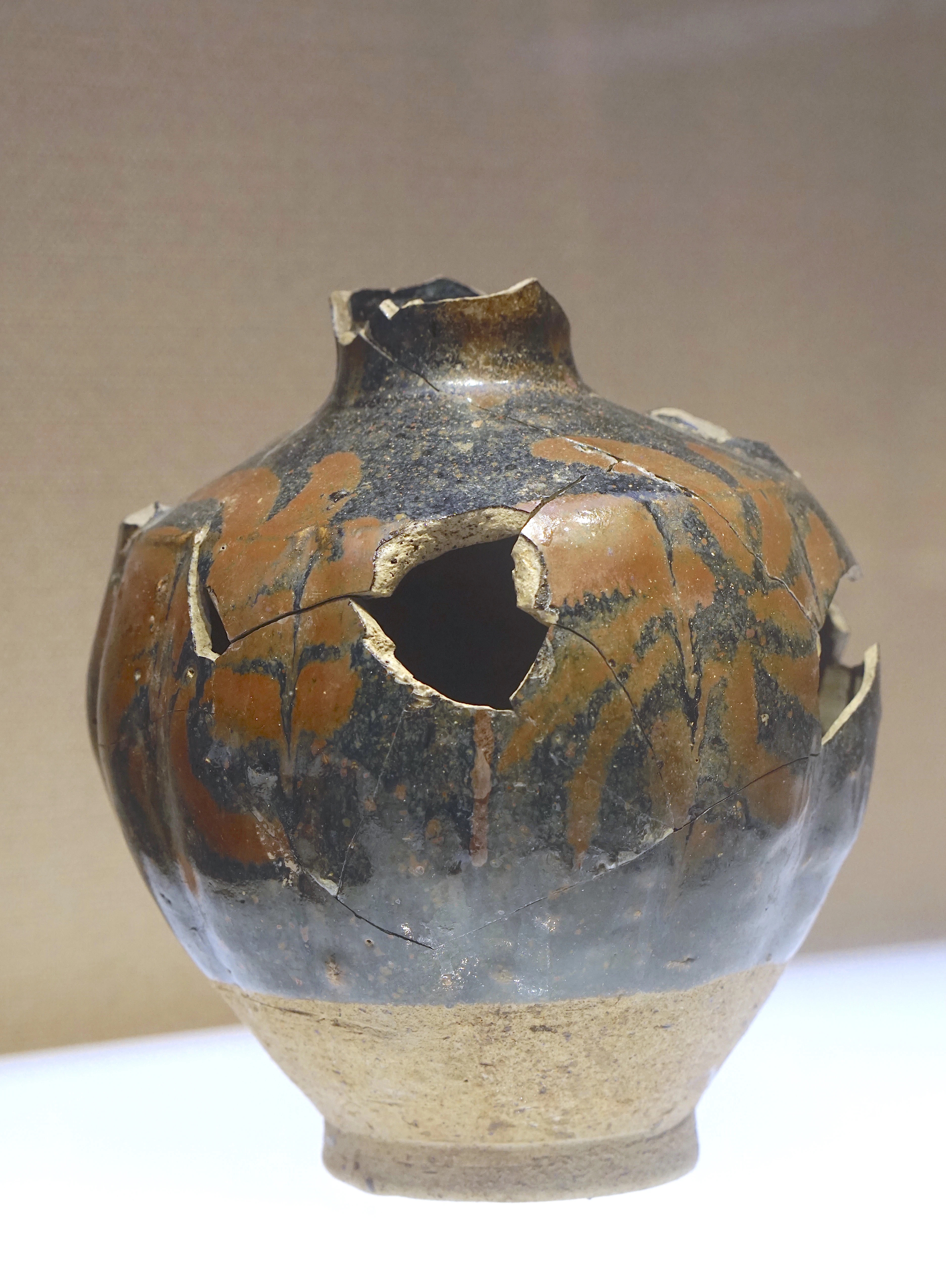
 

Excavated Artifacts from the Qingliang Temple Kiln Site in Baofeng


Collections in Domestic and International Institutions
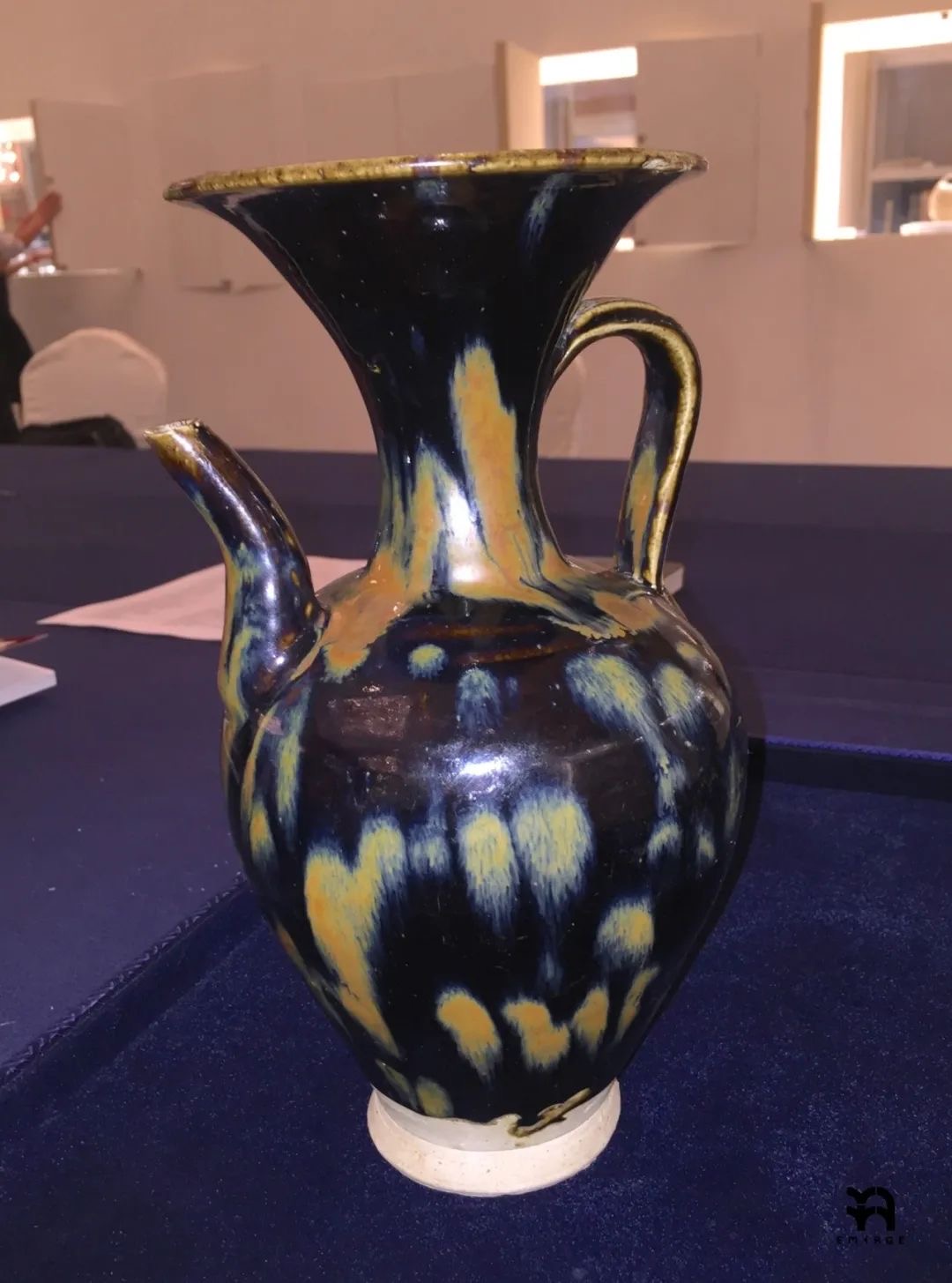


Auction Items from Zhongmao Shengjia


Vases


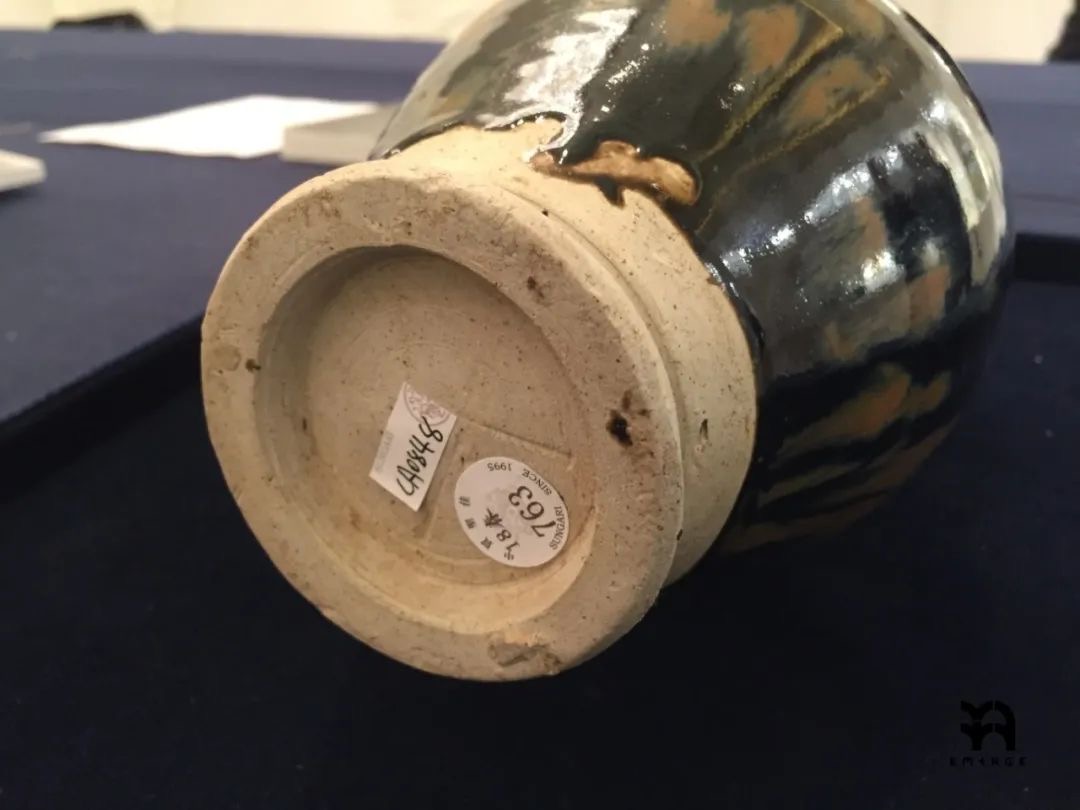
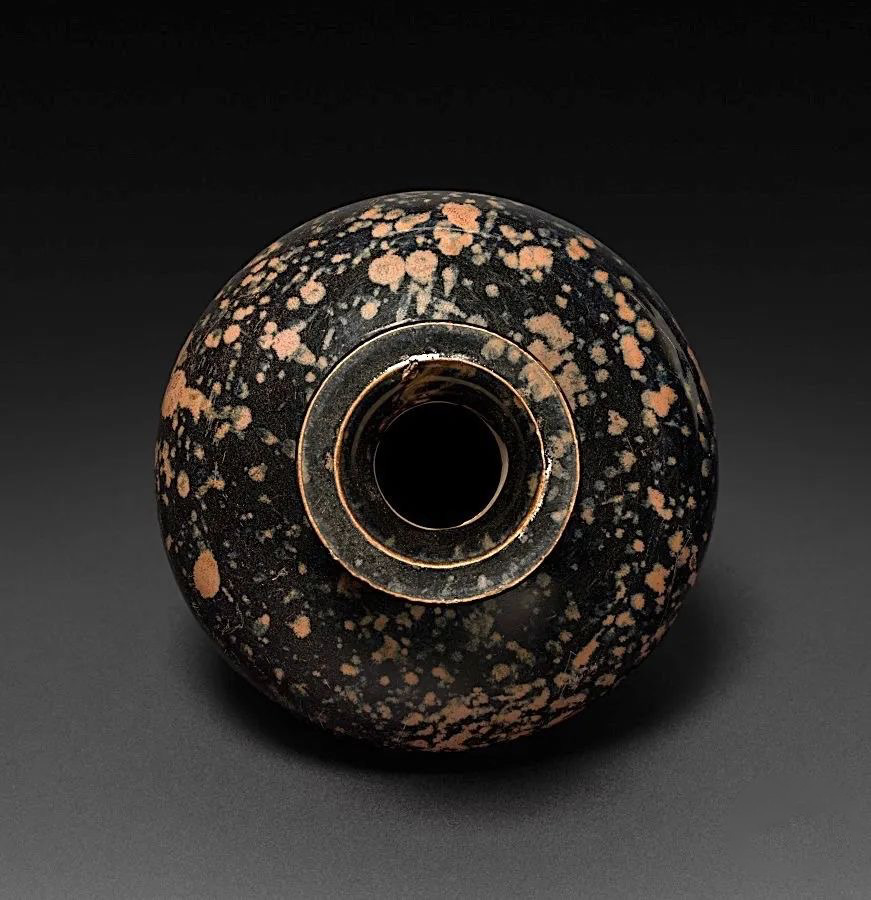
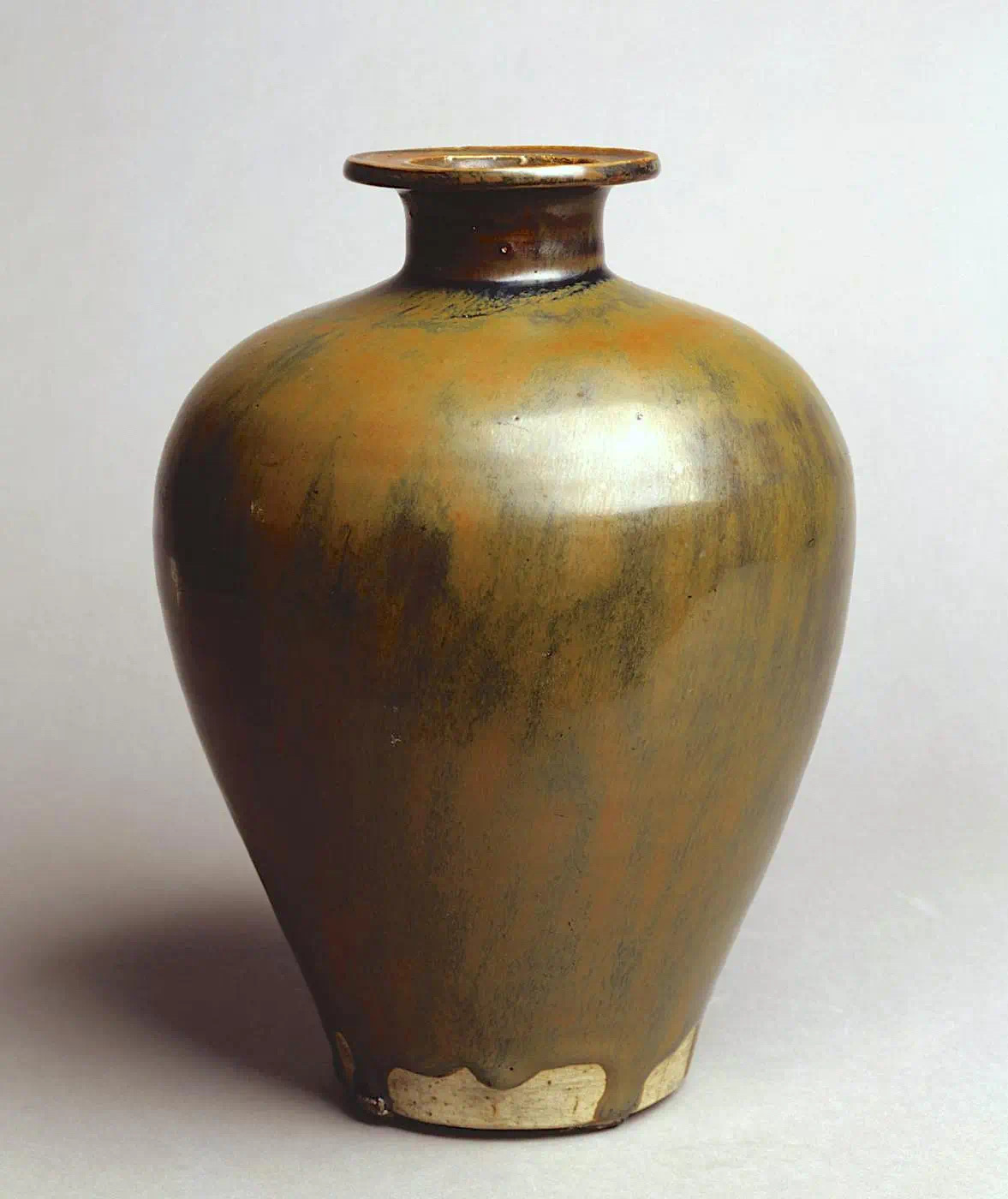
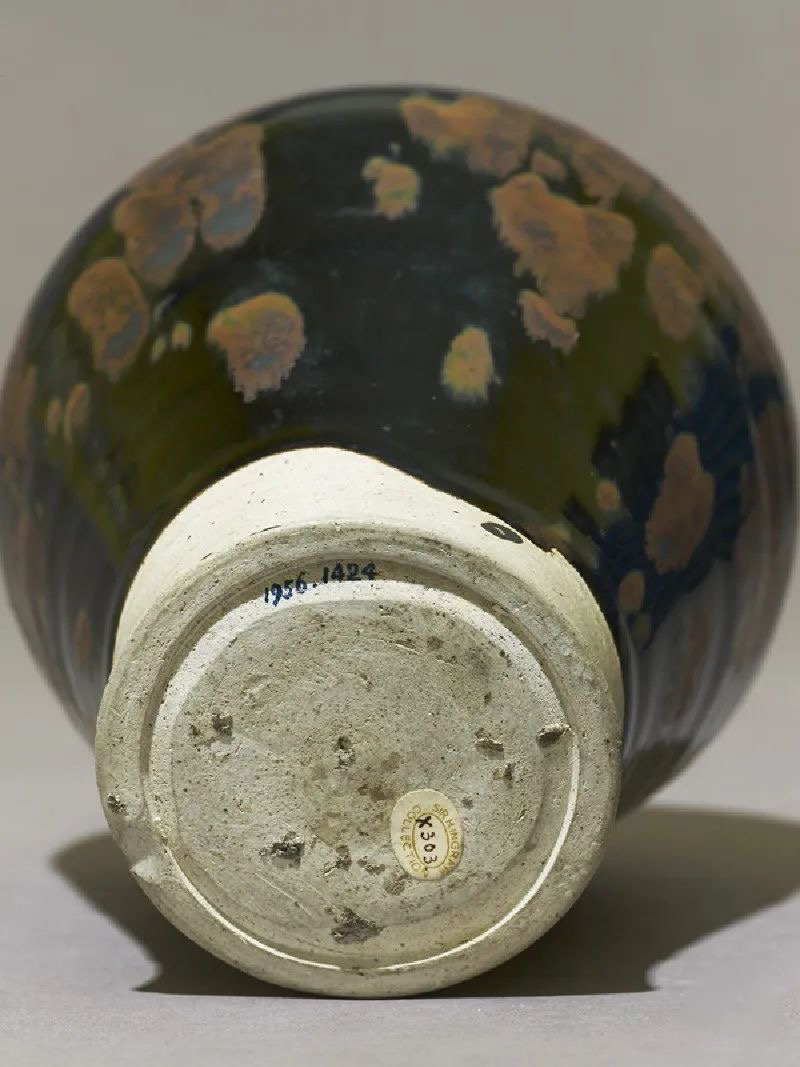
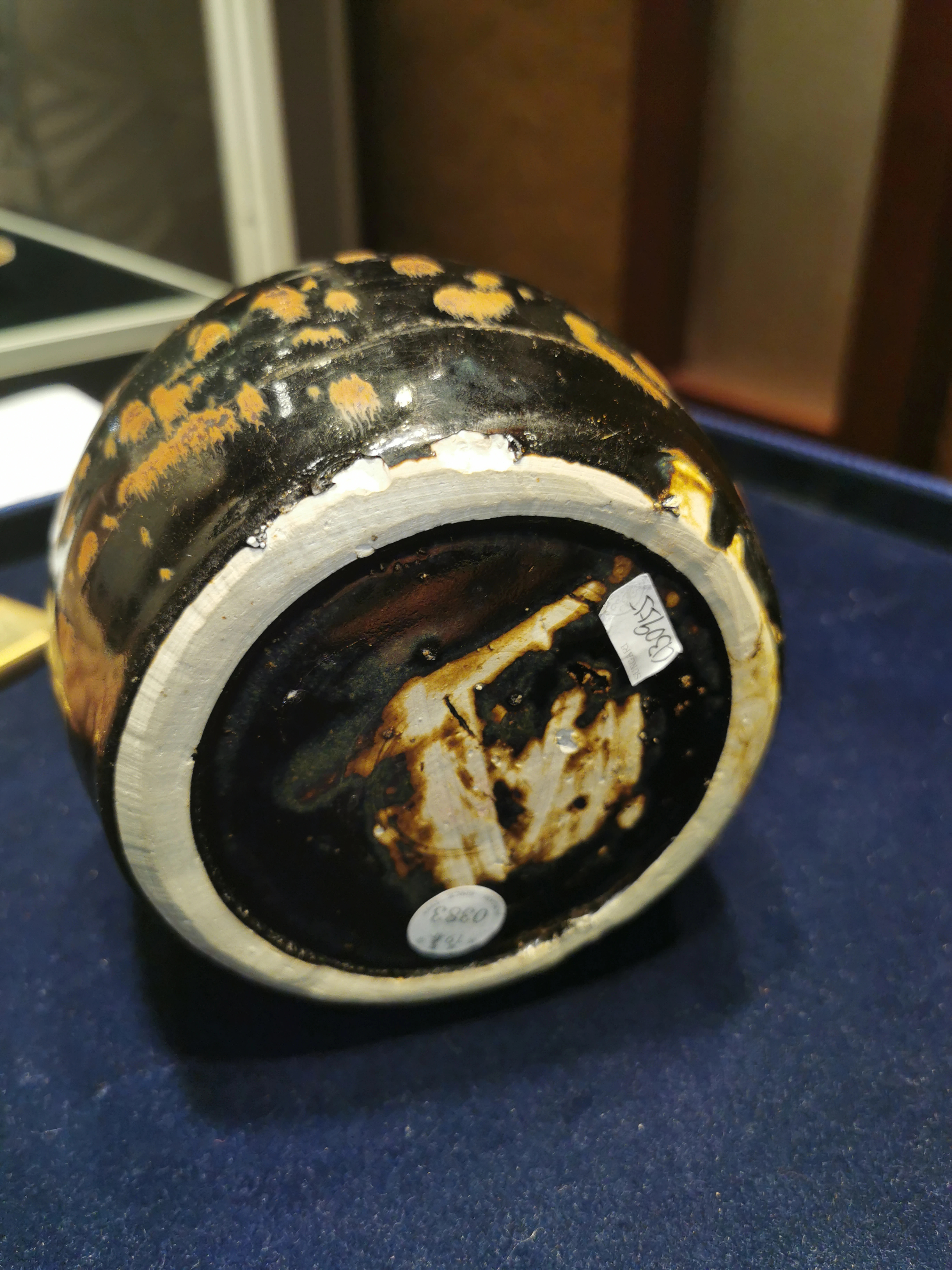
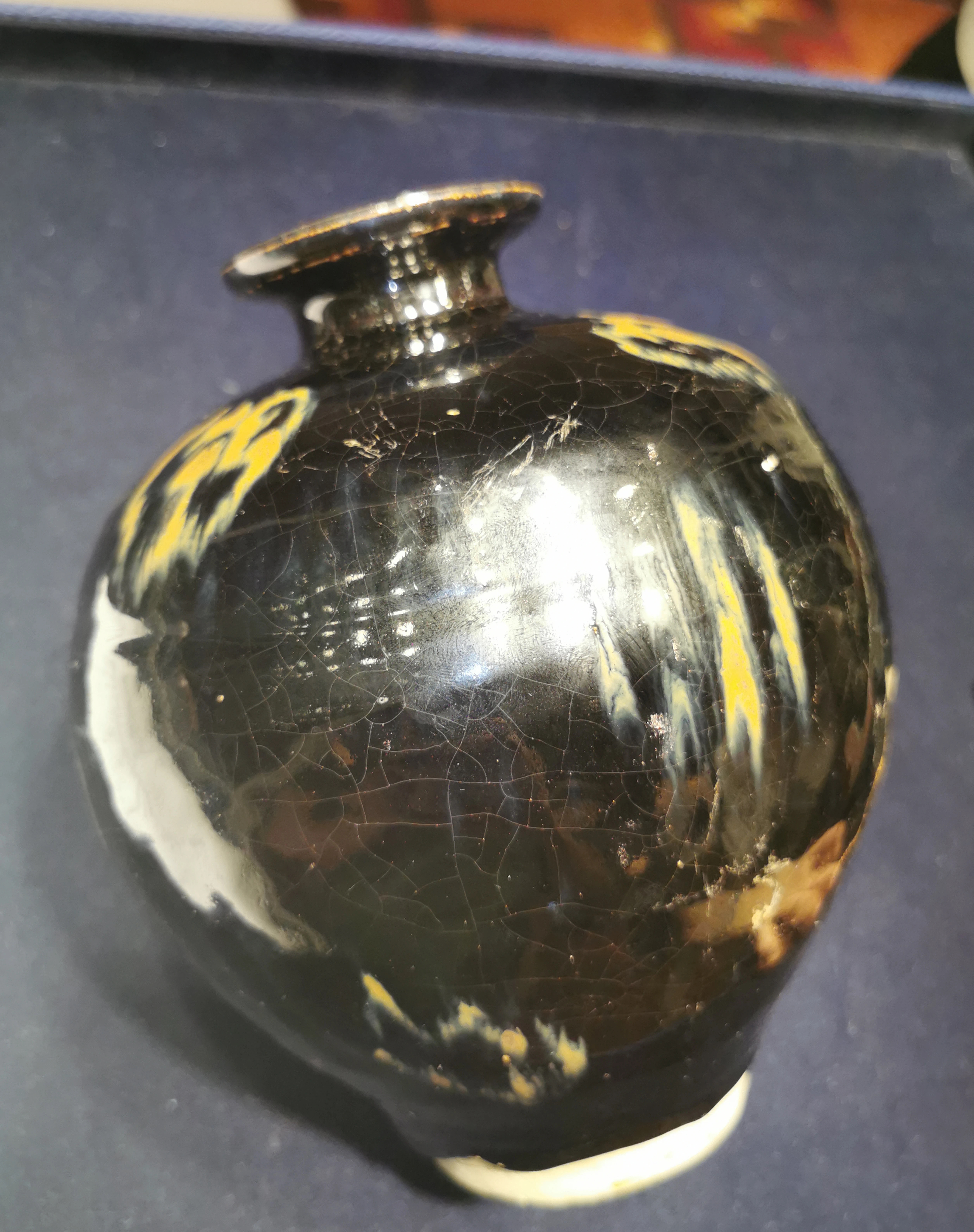
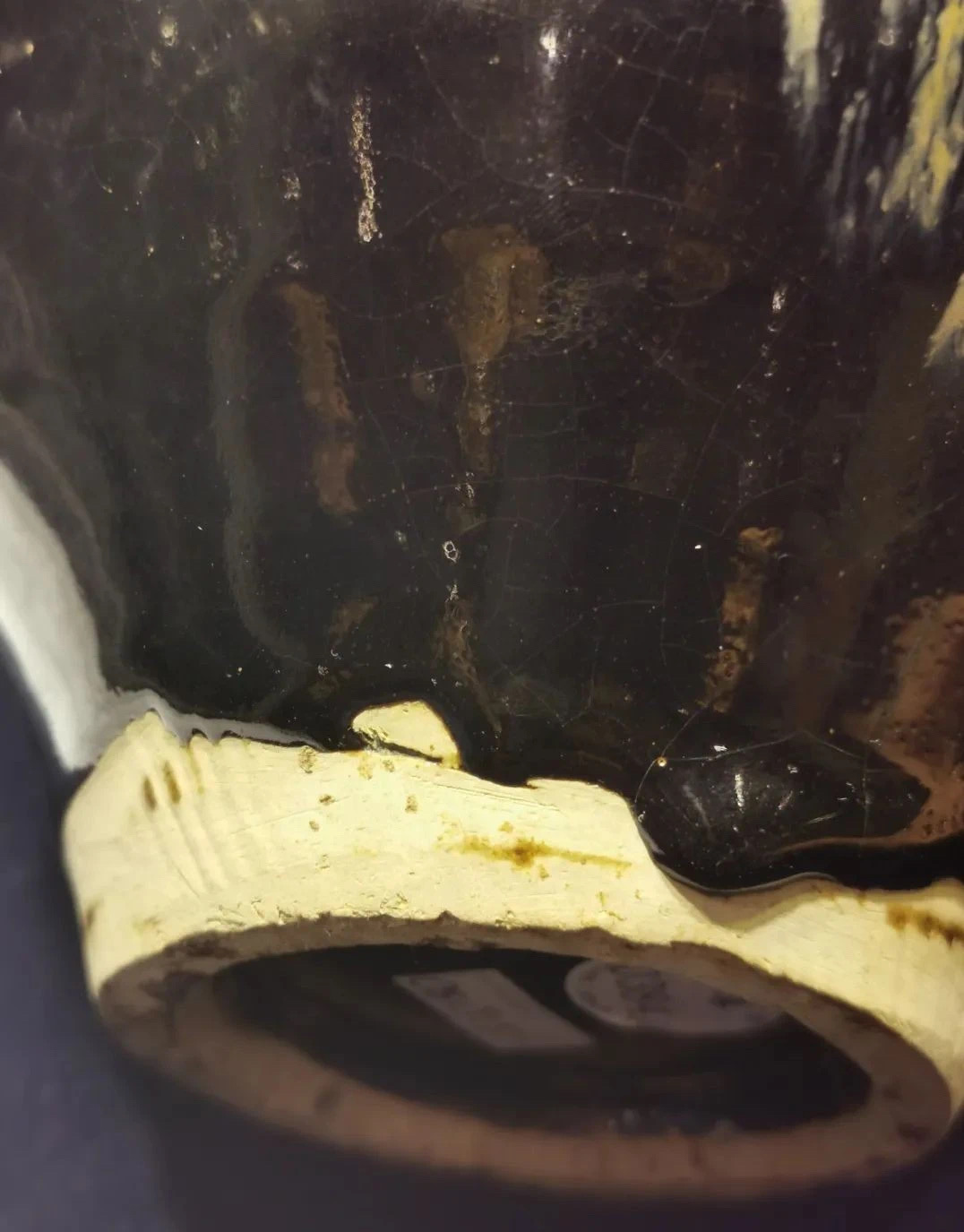
Meiping (Prunus Vases)


Currently, meiping vases have been discovered at kiln sites including Ding Kiln, Jingxing Kiln, Dangyangyu Kiln, Duandian Kiln, and Yuci Kiln.


Archaeological Materials
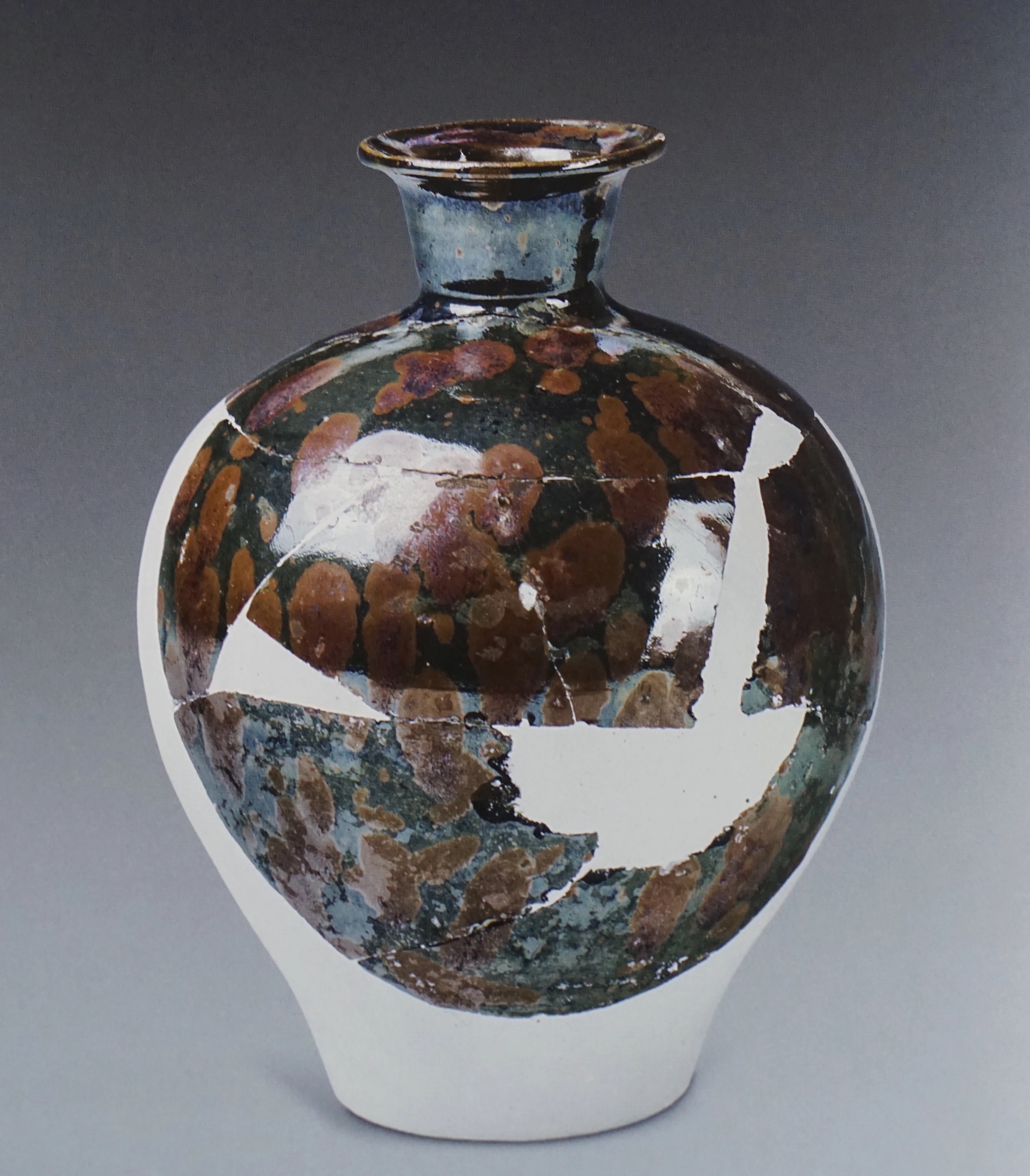
 

Collected from the Luduan Dian Kiln Site in Lushan
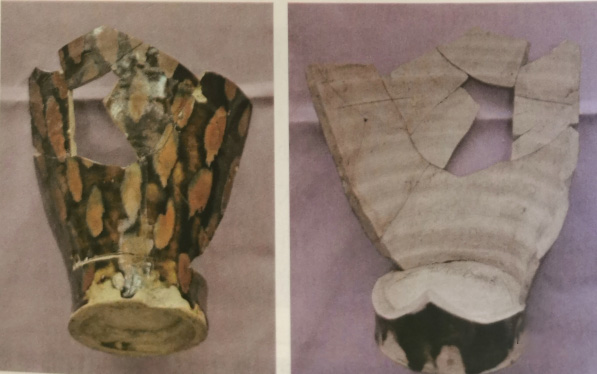
 

Excavated from the Rescue Excavation of the Xinyuan Kiln Site (Jingxing Kiln)

HebeiHeld by the Institute of Cultural Relics
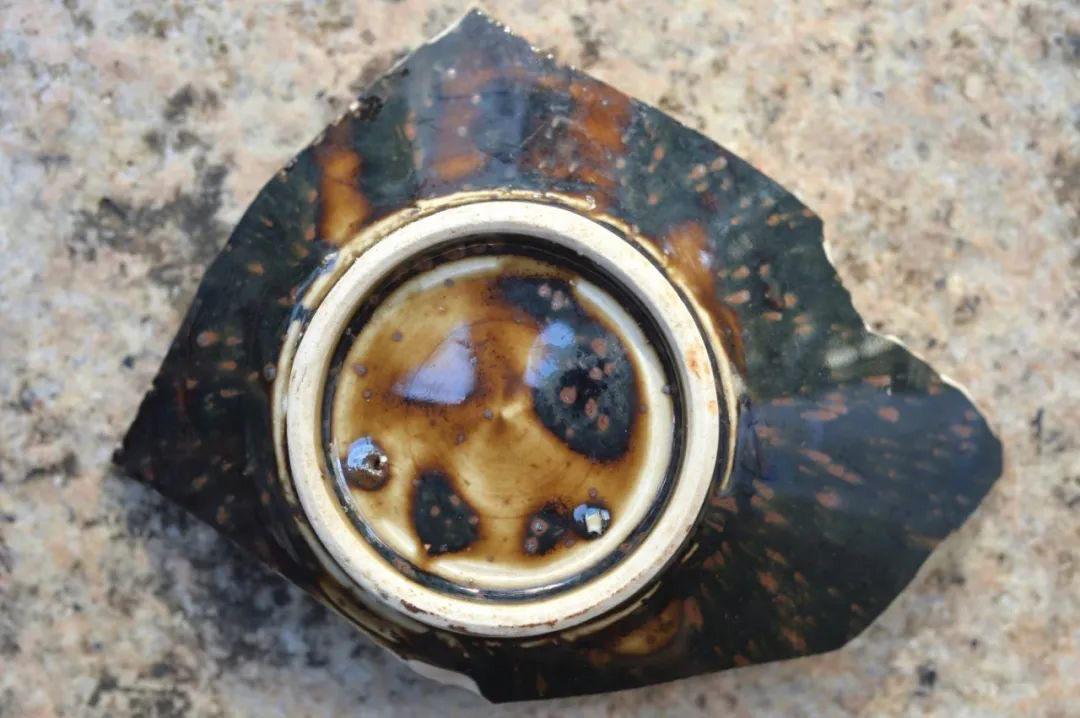
 

Collected from the Yuci Kiln in Shanxi
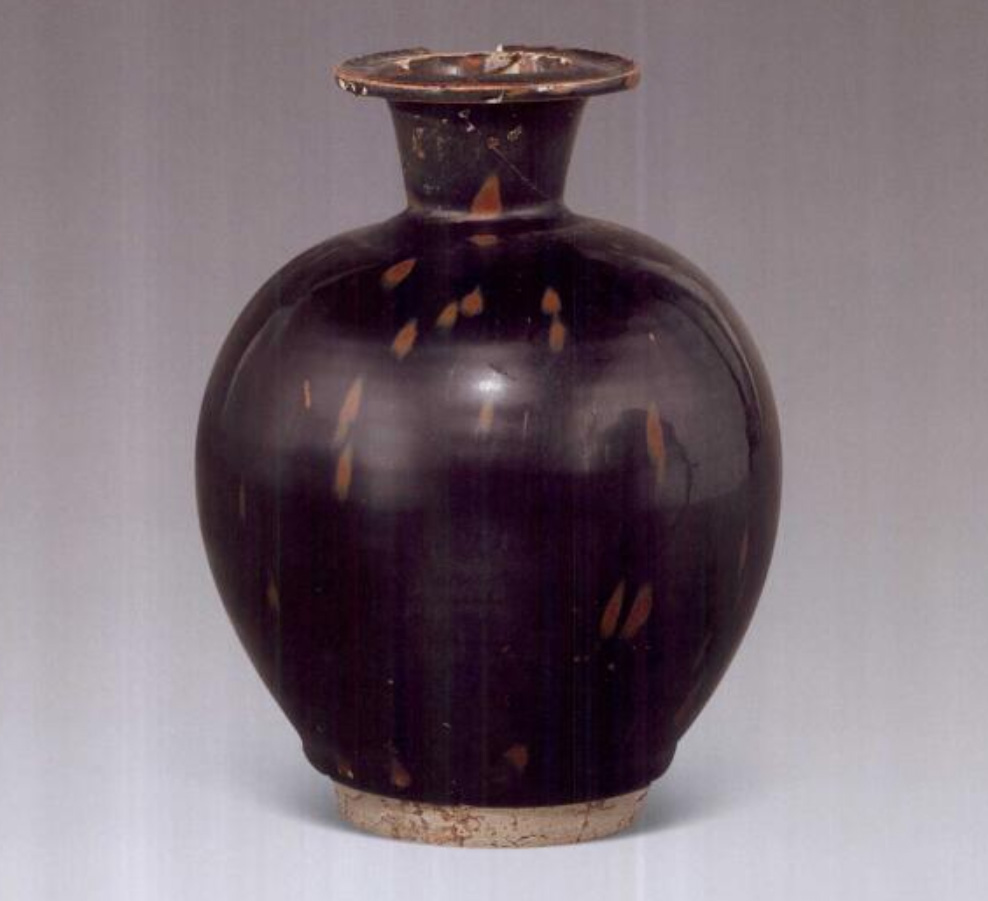
 

The second year of the Jingkang reign (1127)

Excavated in 1981 from the tomb of the Zhang family in Wuyuan, Jiangxi

Wuyuan Museum 


‍‍‍‍‍‍


Domestic and international collecting institutions
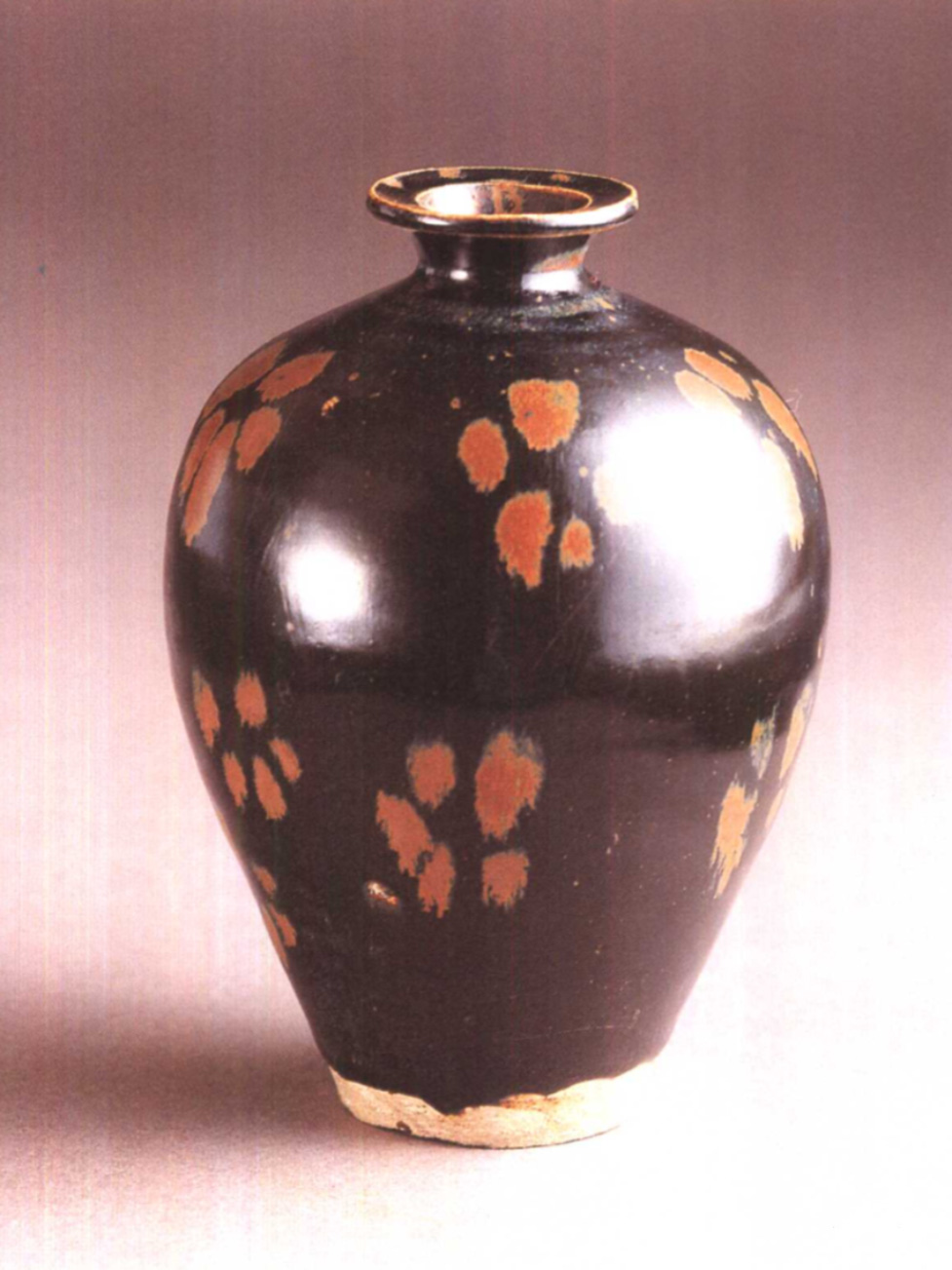


Tianjin Museum
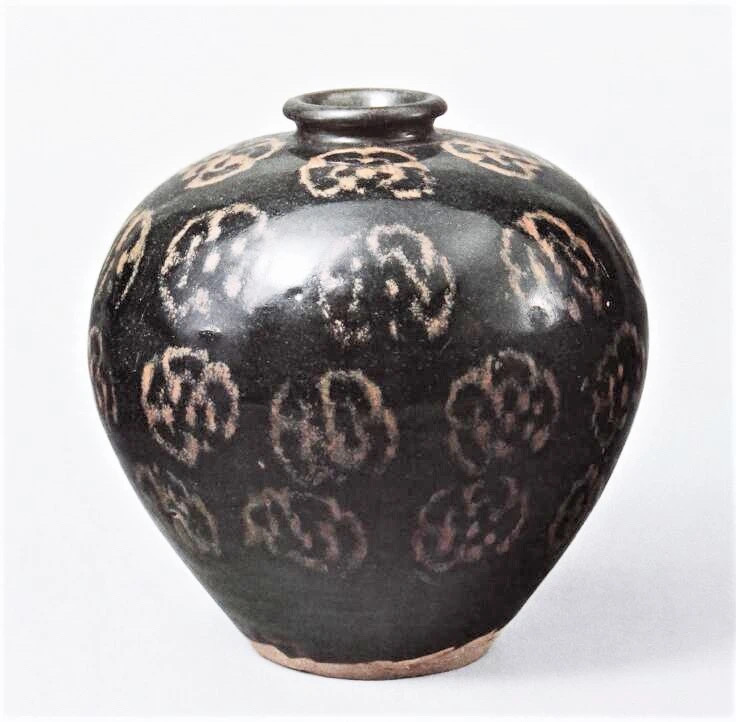
 

Museum of Fine Arts, Boston🇺🇸
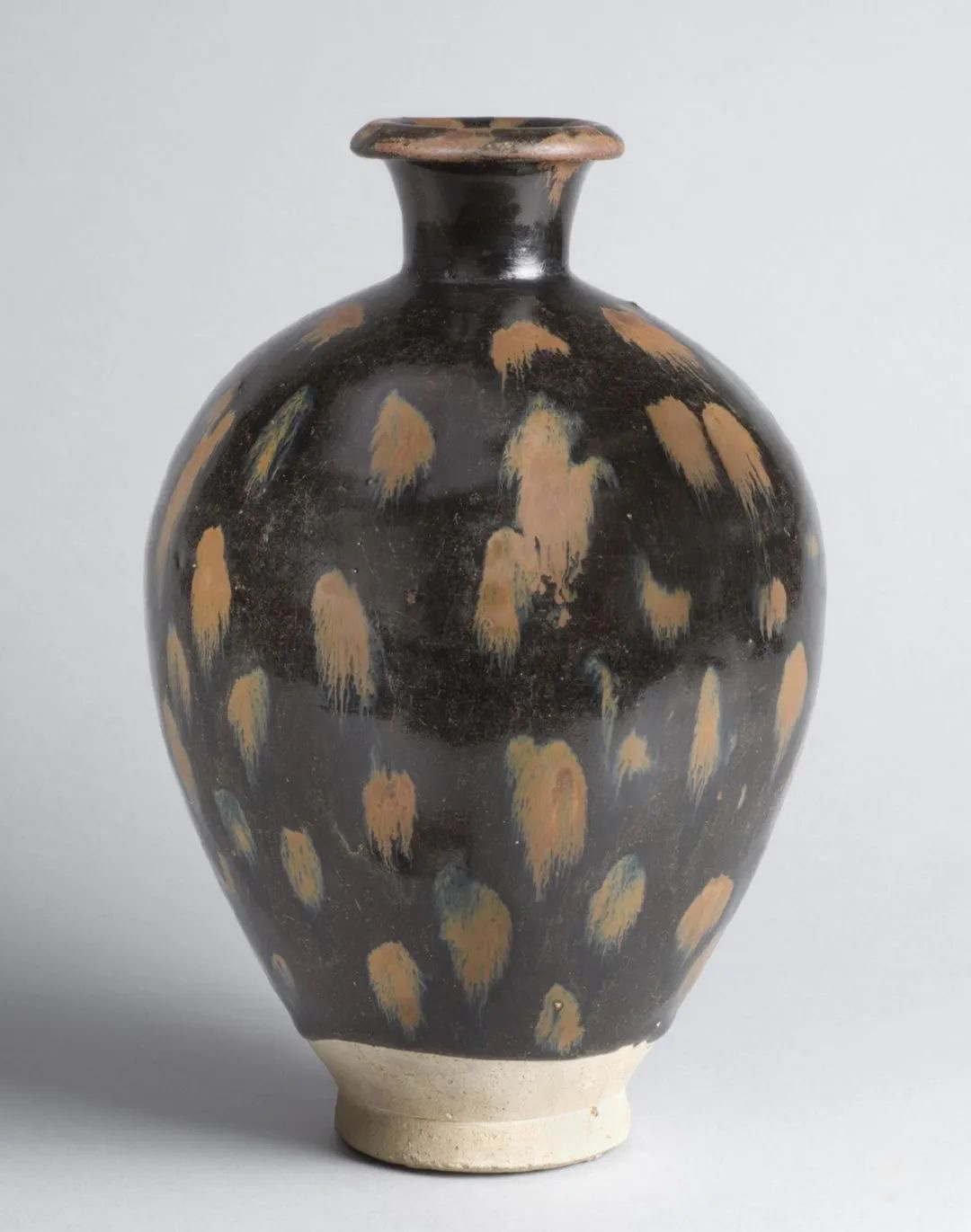
 

Philadelphia Museum of Art🇺🇸
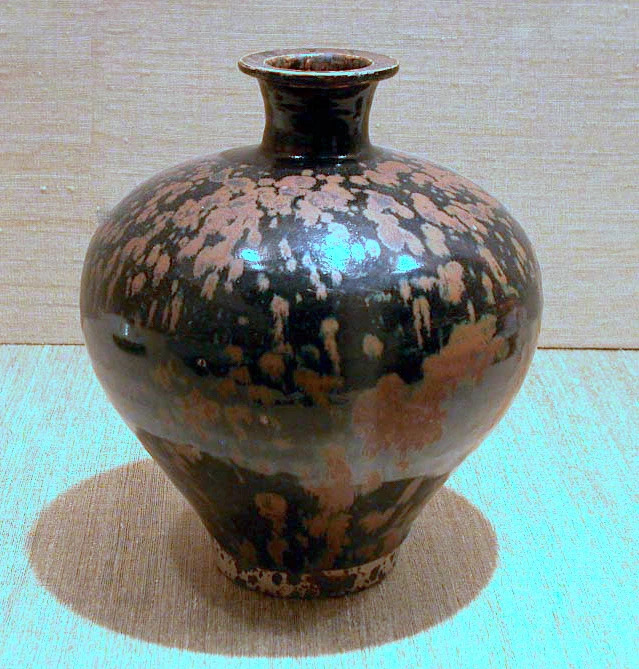
 

Dayton Art Institute🇺🇸
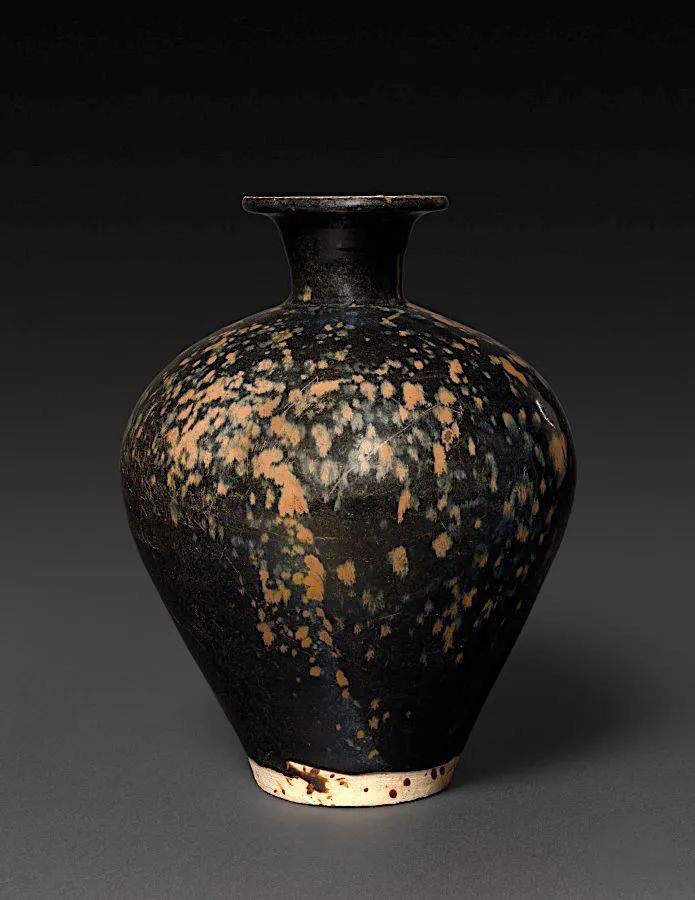
Cleveland Museum of Art🇺🇸‍‍‍‍


Ackland Art Museum, University of North Carolina🇺🇸
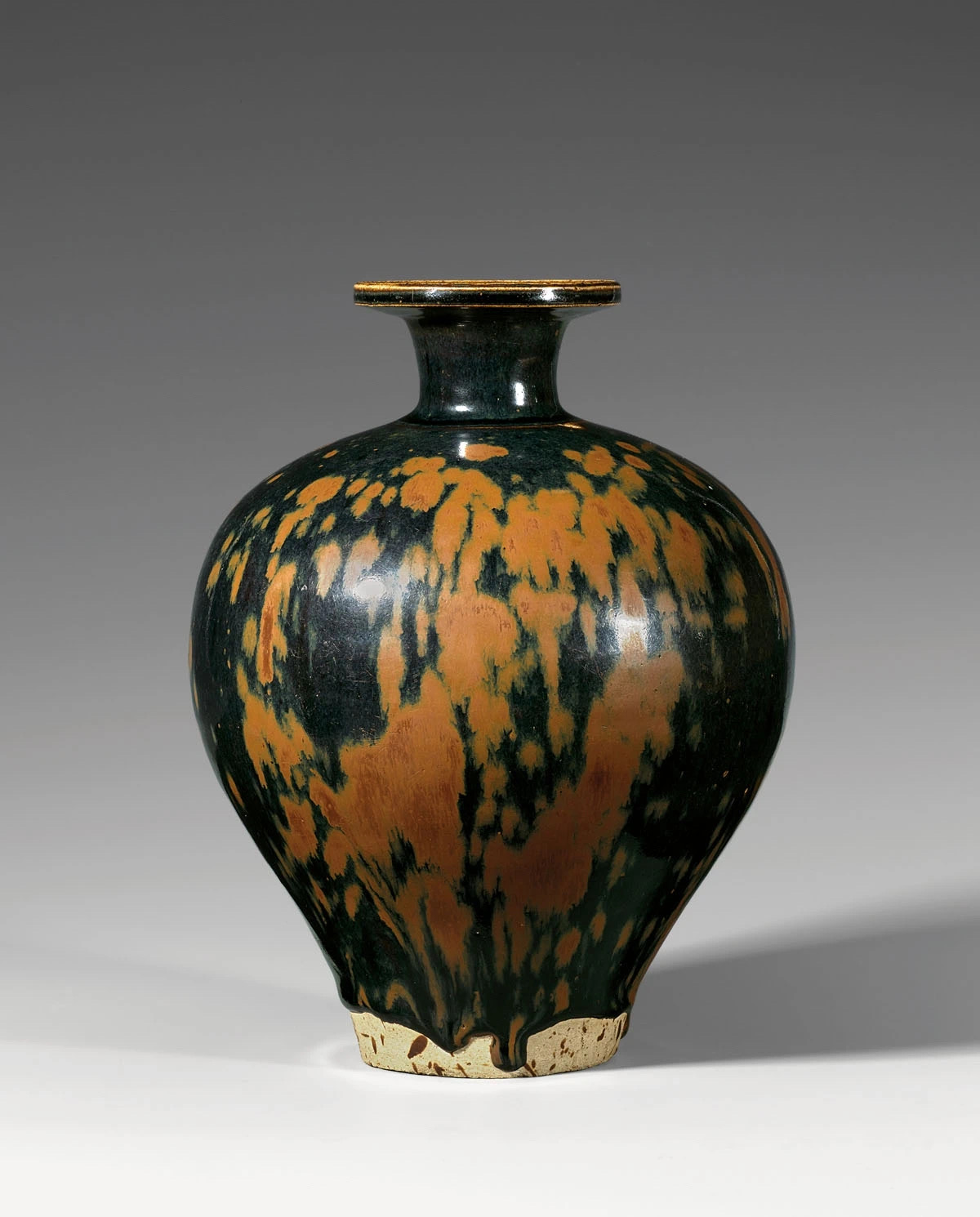
 

SONG DYNASTY CERAMICS: The Ronald W. Longsdorf Collection March 15 - April 1 2013 J.J.Lally


Indianapolis Museum of Art🇺🇸
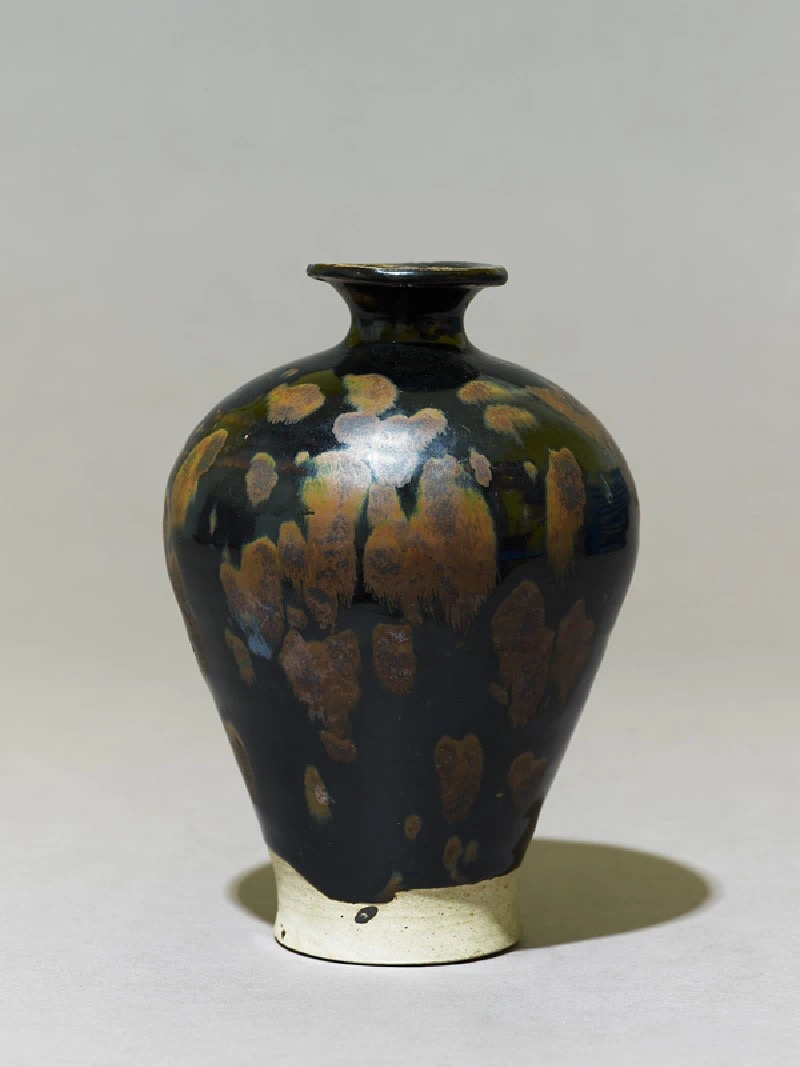
 

Ashmolean Museum, University of Oxford🇬🇧
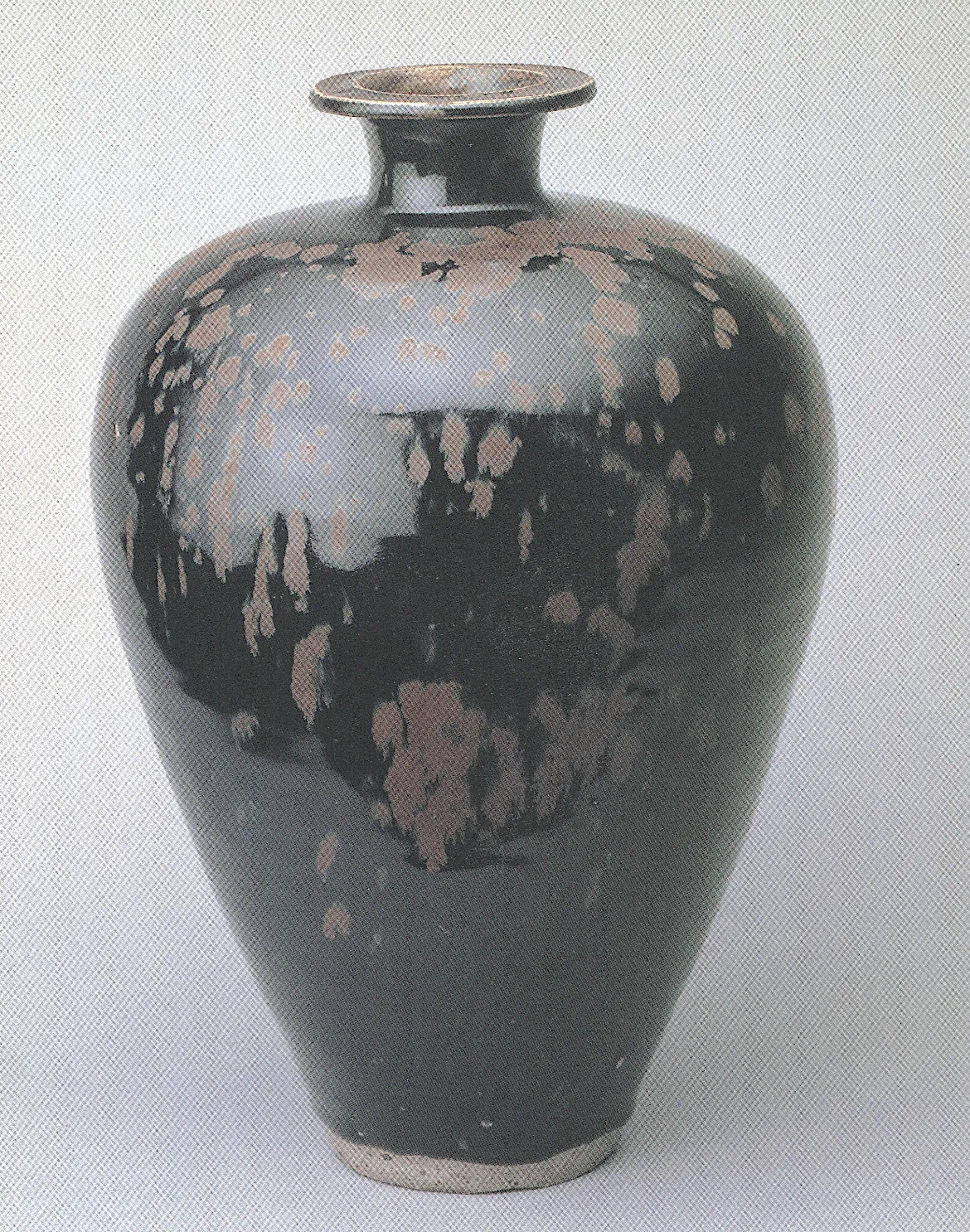
 

Kochukyo🇯🇵
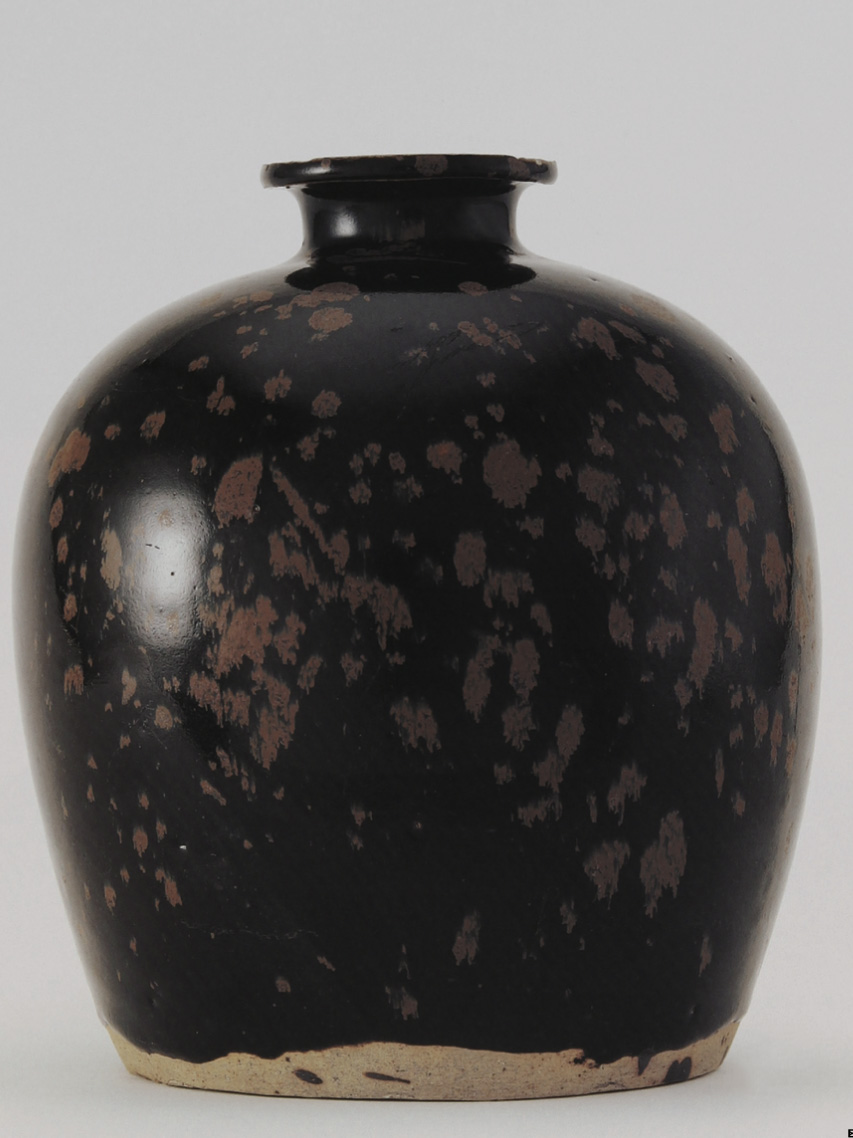
 

Meiyintang🇨🇭
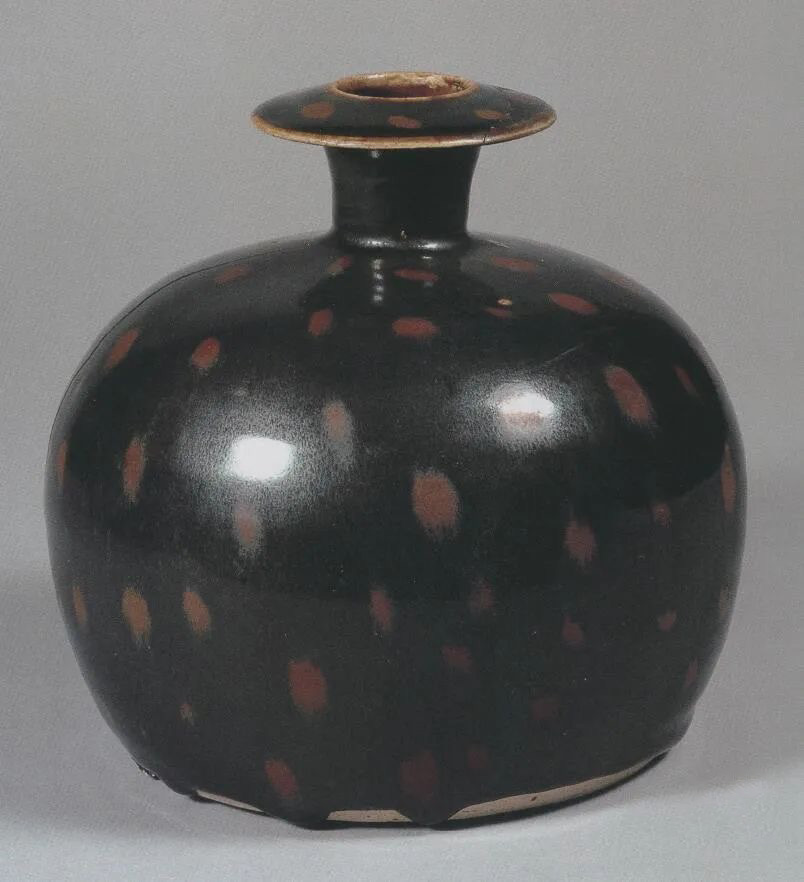
 

National Museum of Korea🇰🇷


Auction materials
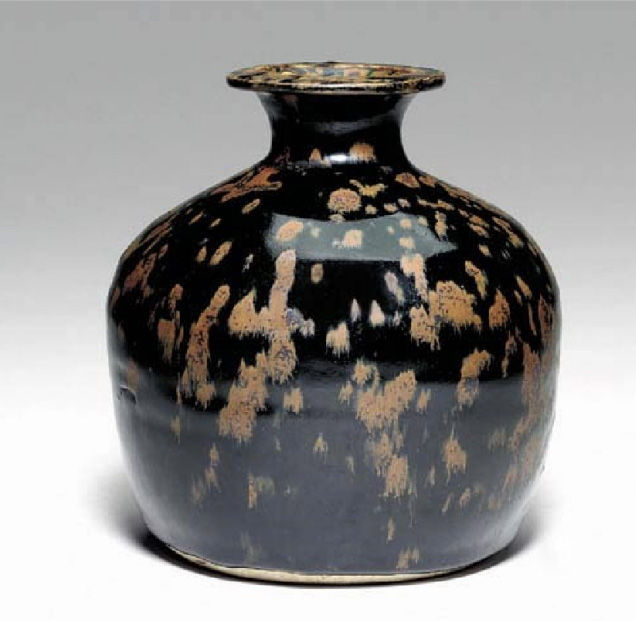
 

Christie's New York, 2001

Sold for USD 58,750
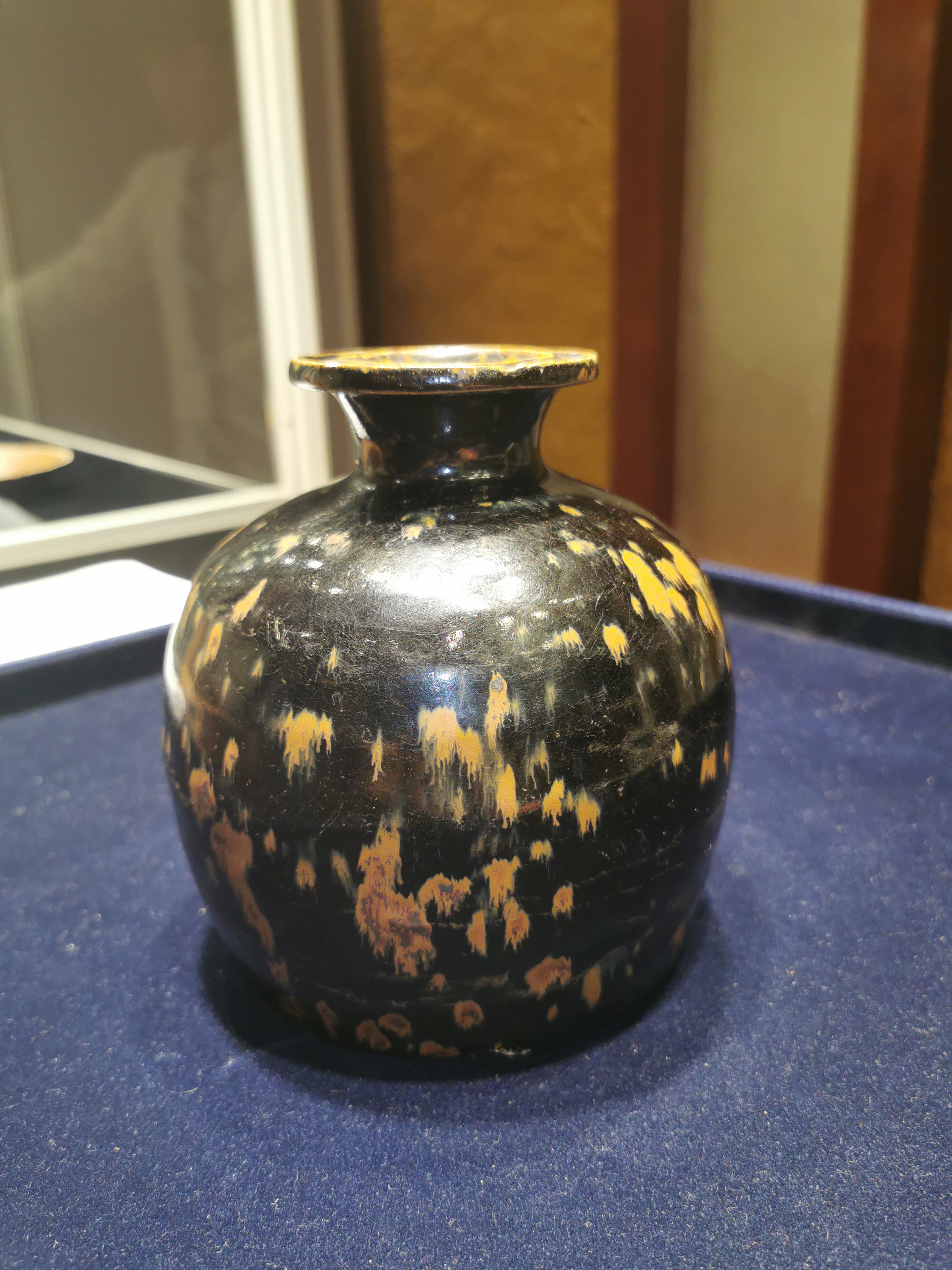


Zhongmao Shengjia lot
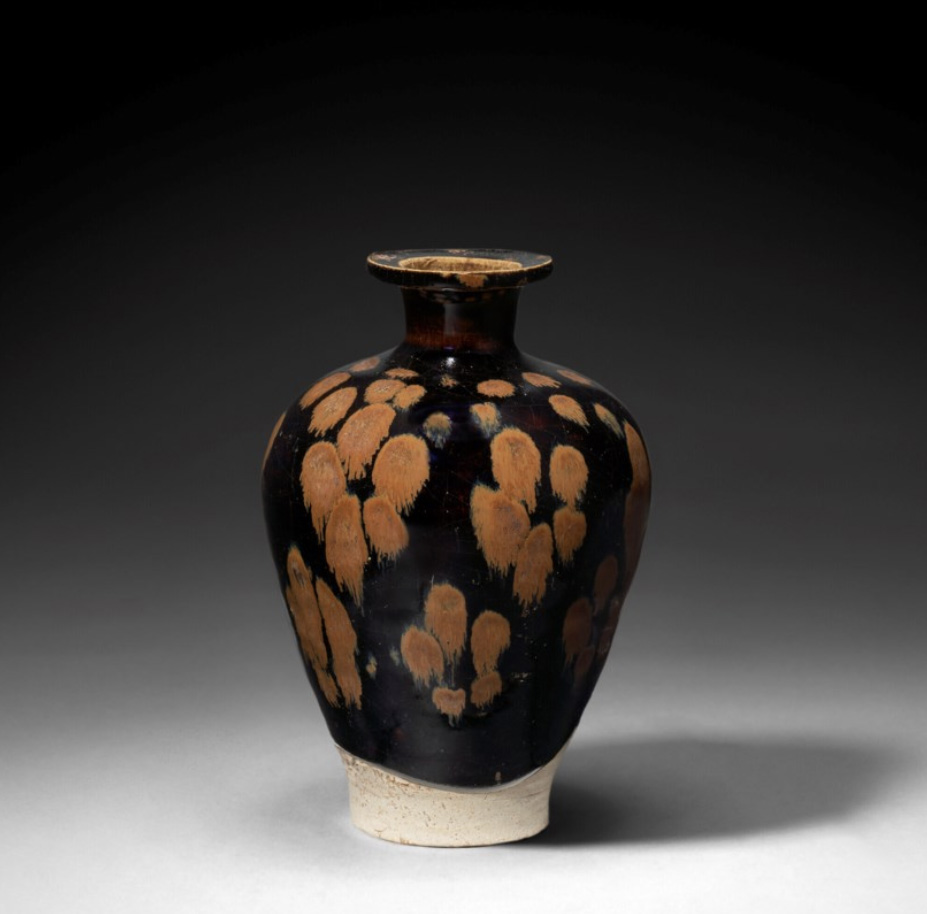
 

2023, J. J. Lally & Co. special sale

Sold forUSD 52,920
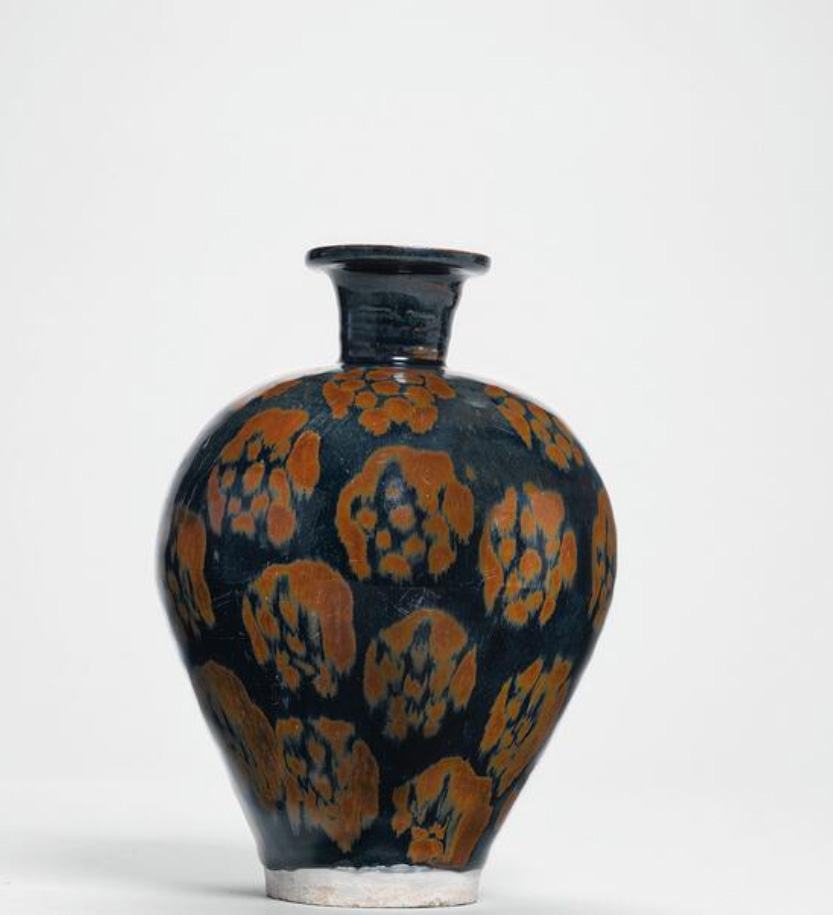
 

Sotheby's, 2015

Sold for USD 200,000


Long-neck vase


Collections worldwideInstitutions
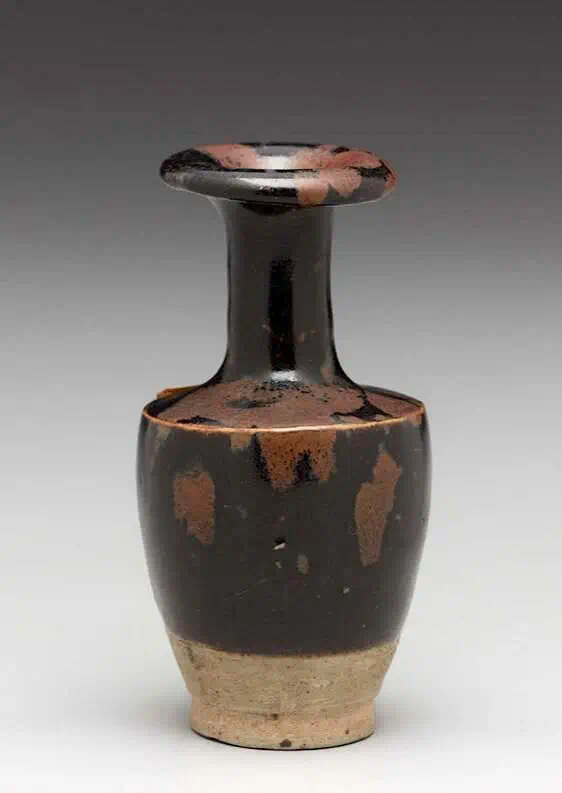
 

Museum of Fine Arts, Boston🇺🇸


Auction materials
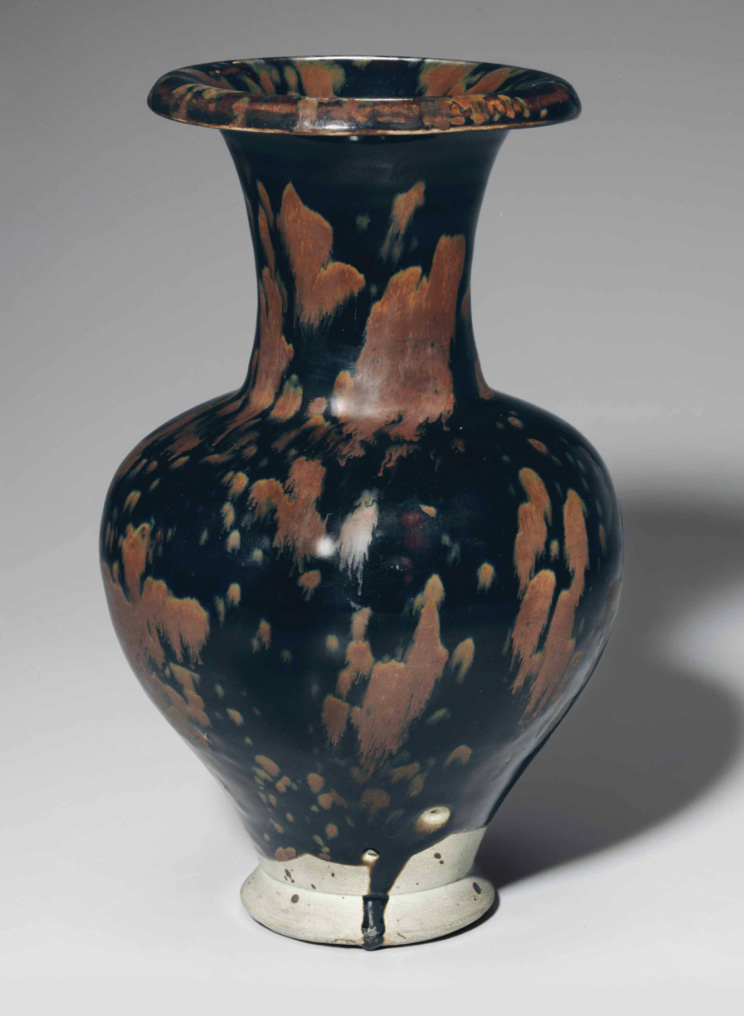
 

Christie's New York, 2016

Price realized 47,500 USD
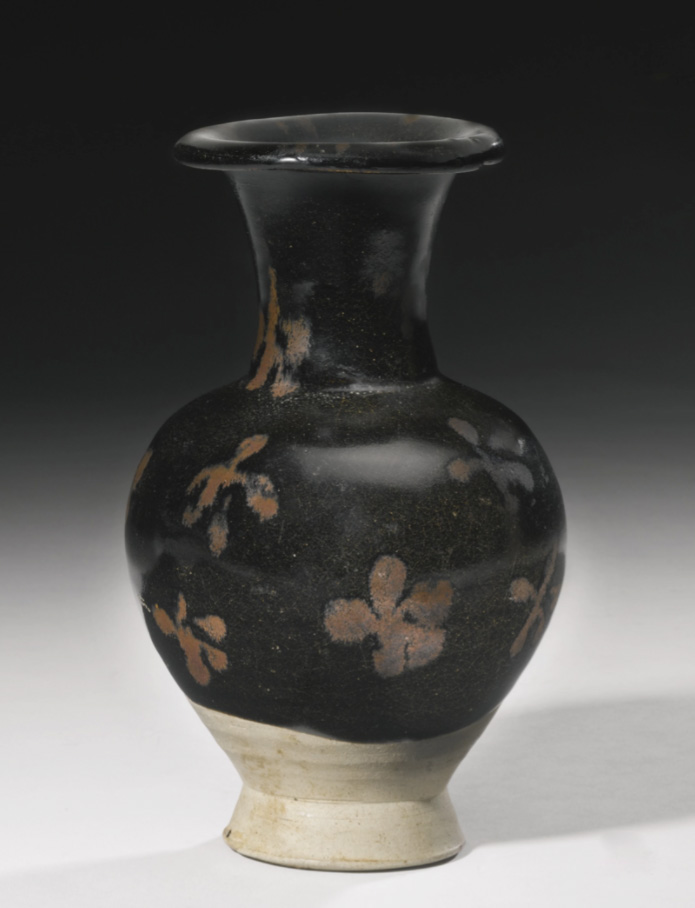
Sotheby's New York

Estimate: 18,000-25,000 USD


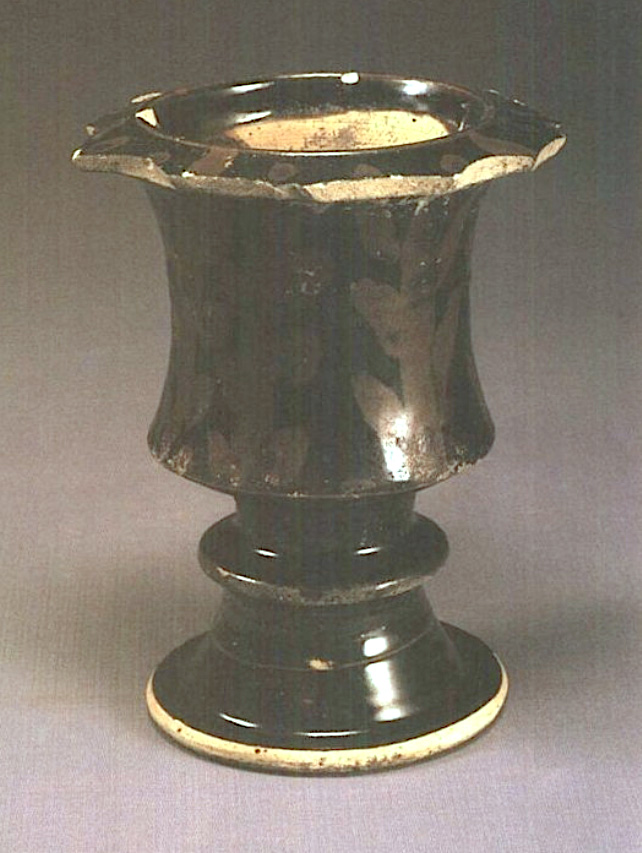
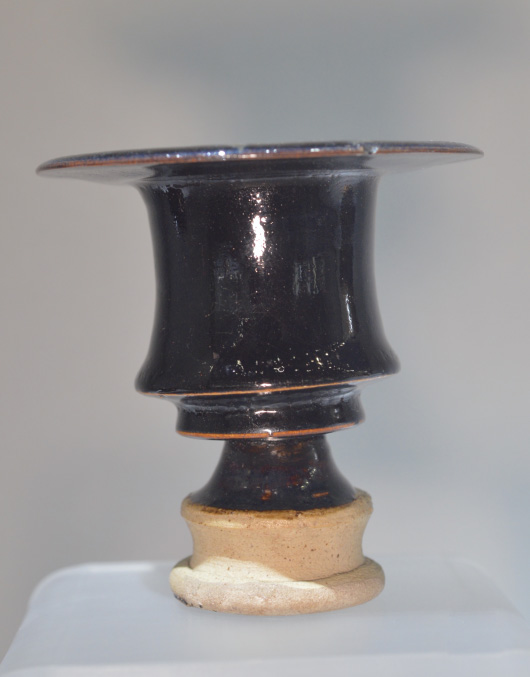
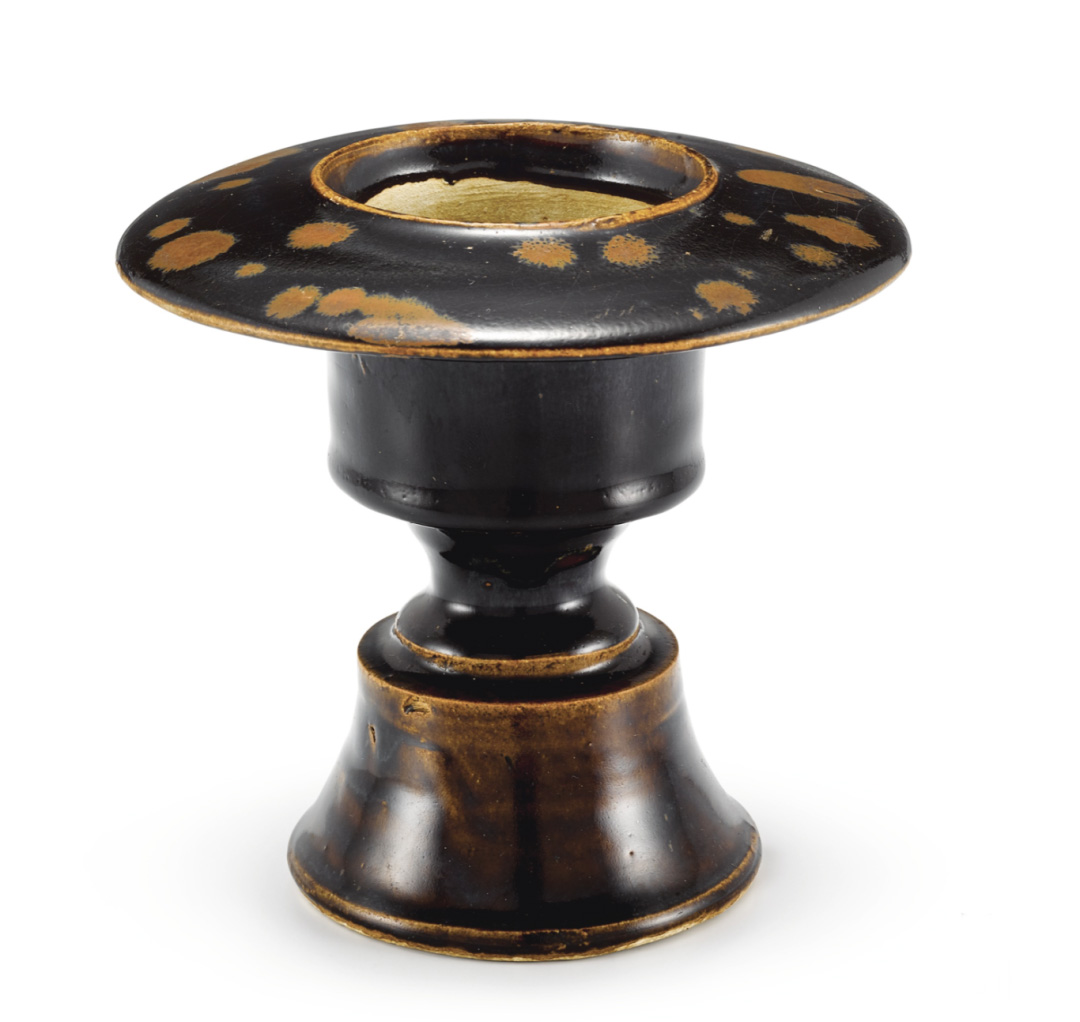
Incense Burner


Archaeological Material


Excavated in 1989 at the Qingliangsi Kiln Site, Baofeng CountyUncovered
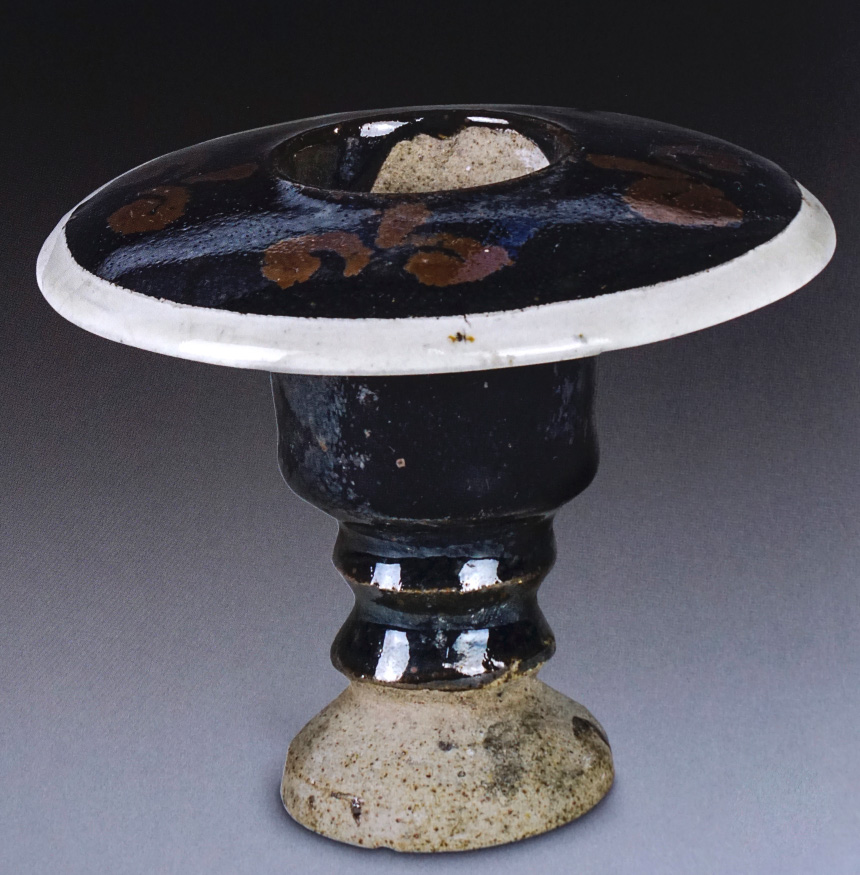
Collected from the Lushan Duandian Kiln Site (LD3225)


Domestic and International Collecting Institutions
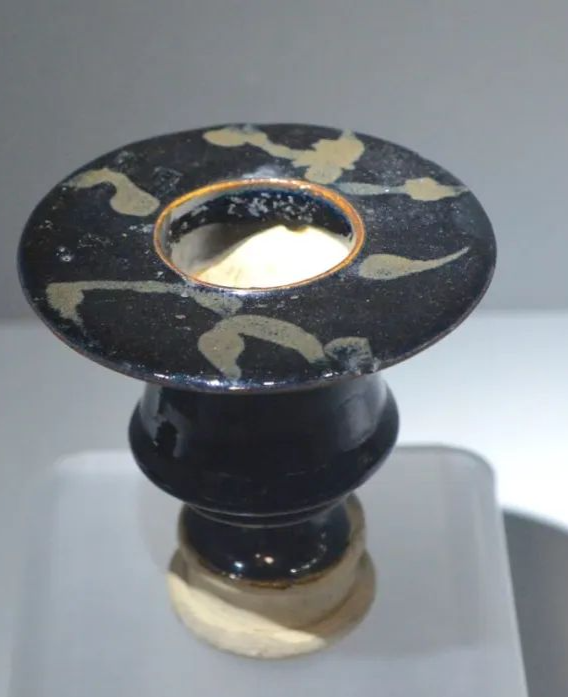
 

Shandong Museum
Zibo Kiln


Auction Material


Sotheby's Hong Kong

Estimate: 20,000-30,000 HKD
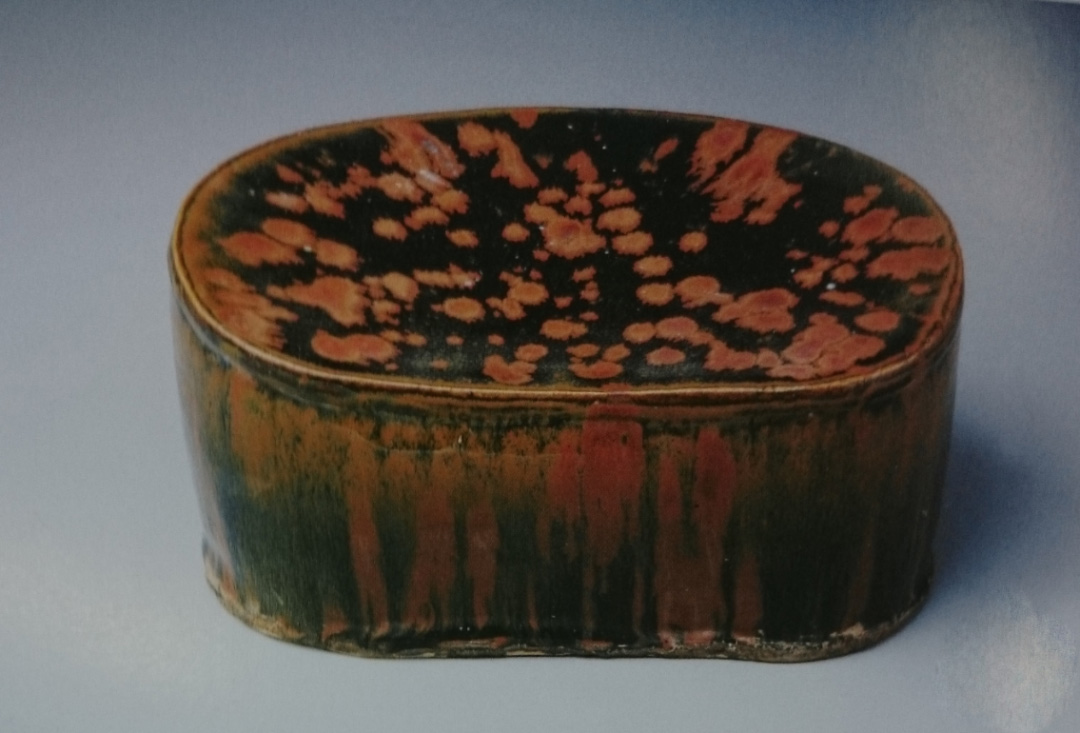


Pillow


Excavated in Boshan, Zibo


Summary


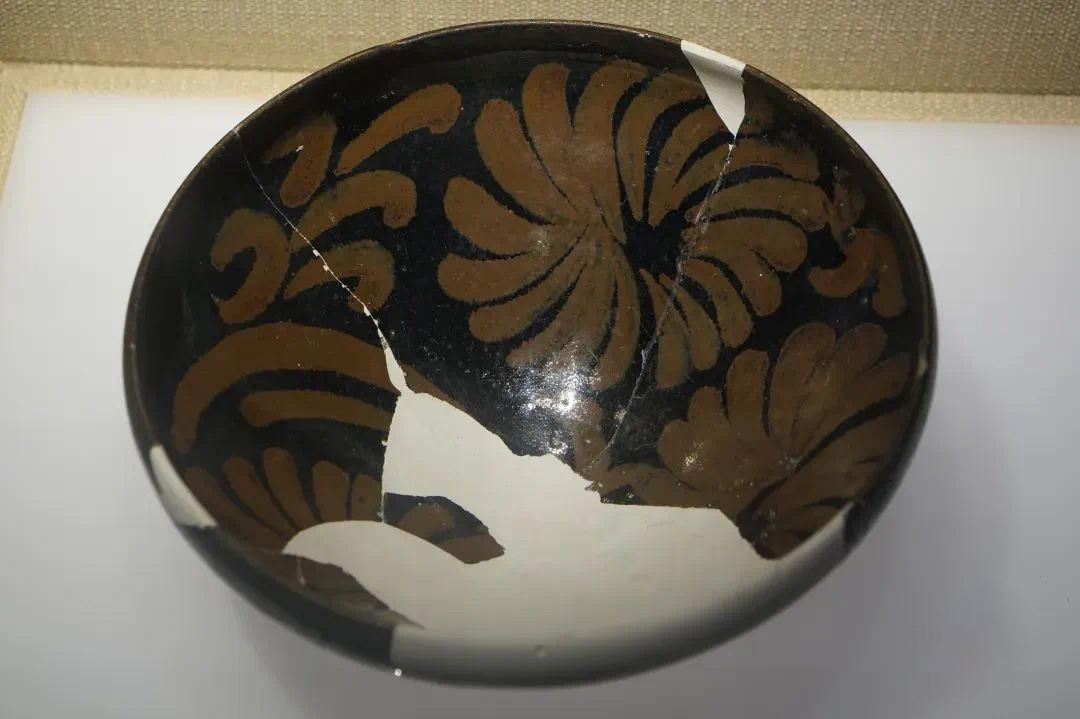
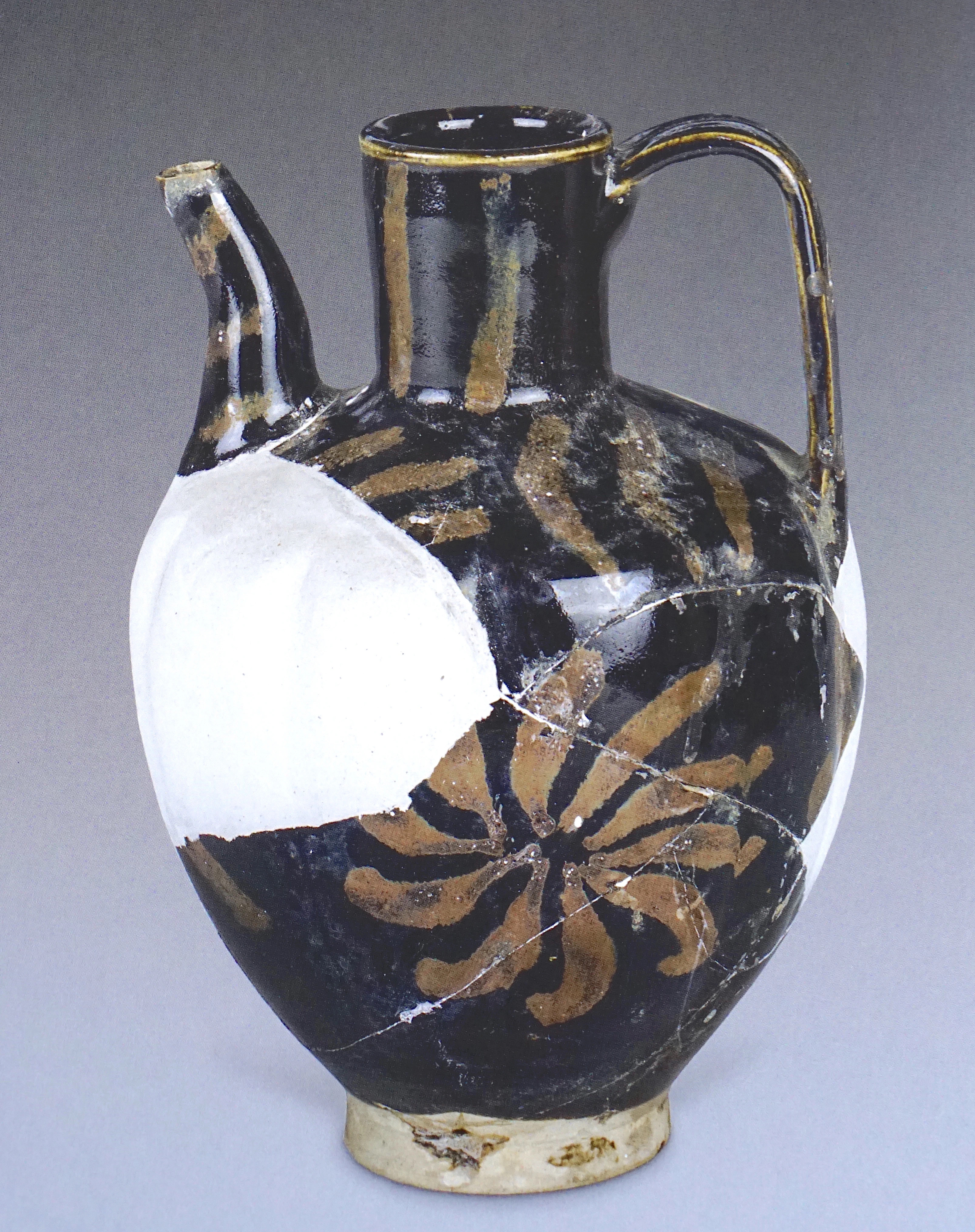
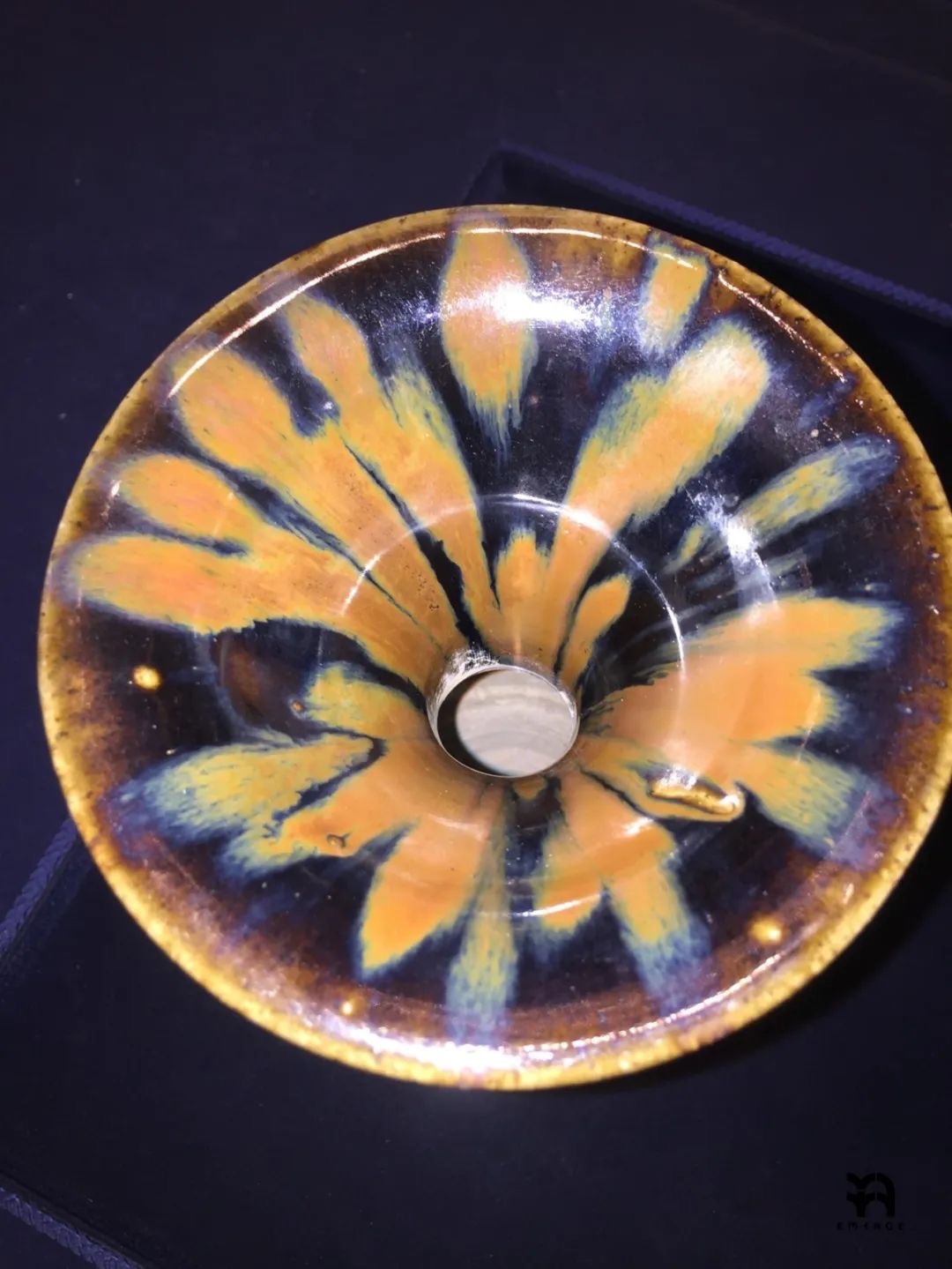
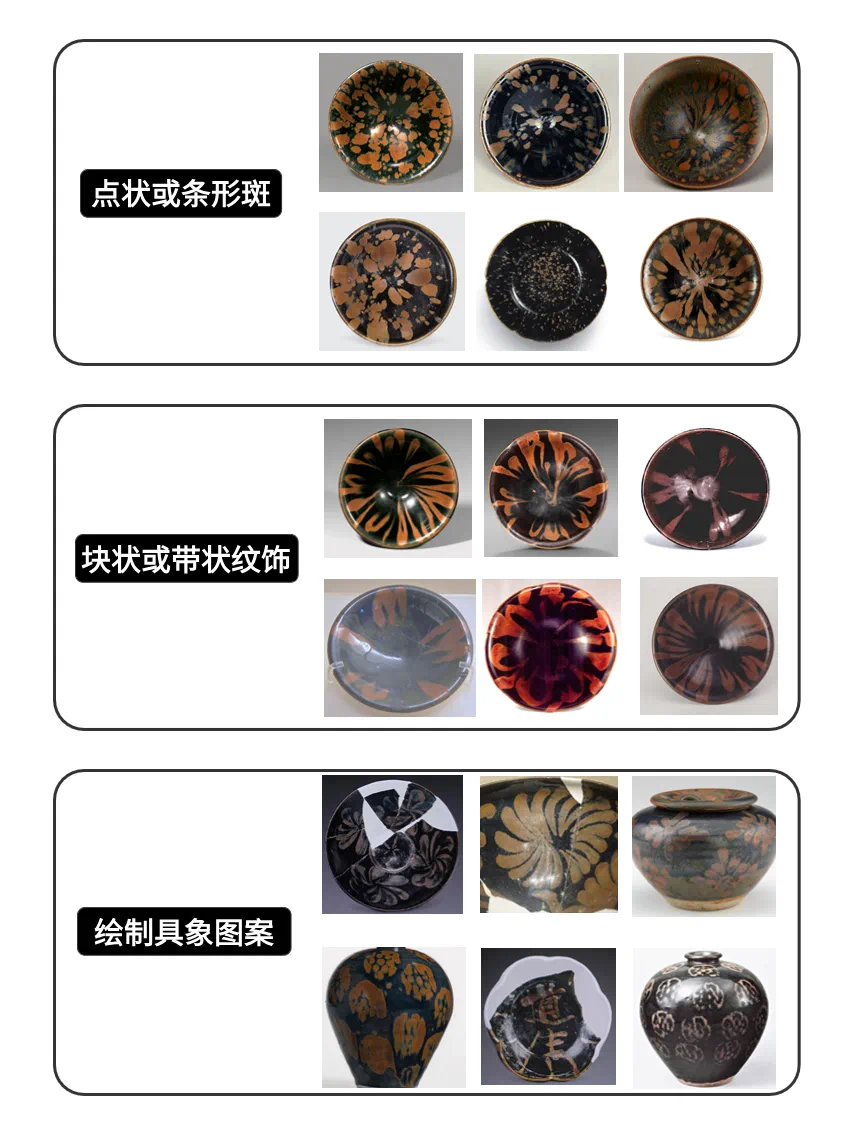
Iron rust decoration roughly began in the late Northern Song Dynasty (around 1100 AD). It was widely produced in the late Song period, marking its first peak of popularity.The decorative patterns can be broadly divided into three categories: the first consists of dot-shaped or strip-like splashes (such as those on Cizhou kiln bowls), more commonly found in the region north of the Yellow River (eastern foothills of the Taihang Mountains); the second features block-shaped or banded motifs (such as those on Yaozhou kiln bowls), which are characteristic products of the Huangbao Yaozhou kiln; the third includes painted figurative designs (such as the floral-patterned bowl from Duandian kiln), discovered in western Henan and at the Jingxing kiln.


Regarding the reasons for the innovation of iron rust decorated porcelain,we have not yet found conclusive evidence, and currently can only make reasonable inferences. At present, the most likely driving factor is closely related to the northward spread of Jian kiln hare's fur bowls in the late Northern Song Dynasty, which became a prevailing trend. Based on the already mature black glaze and brown glaze (purple-gold glaze) techniques in the north, the decoration evolved from splashing to imitate Jian kiln hare's fur or oil-spot crystalline glazes to directly painting abstract simple patterns, and expanded from tea vessels and bowls to various standing ornamental pieces. With no significant technical barriers and a simple yet elegant style, this variety spread explosively in the late Northern Song Dynasty, becoming a mainstream product.
Many of the objects selected in this article were dated to the Jin Dynasty in the original materials, but in fact they should mainly date to the late Northern Song Dynasty, with a few possibly extending to the early Jin period. Overall, the academic community tends to date iron rust decorated wares of the Northern Song period somewhat late, and a comprehensive examination of similar products may lead to a deeper understanding of them.